Universal Health Services Q1 Earnings Exceed Expectations
Written by Emily J. Thompson, Senior Investment Analyst
Updated: Apr 27 2026
0mins
Source: seekingalpha
- Earnings Beat: Universal Health Services reported a Q1 non-GAAP EPS of $5.62, surpassing expectations by $0.16, which underscores the company's robust profitability in the healthcare sector and strengthens its market position.
- Significant Revenue Growth: The company achieved Q1 revenue of $4.49 billion, reflecting a 9.5% year-over-year increase and exceeding market expectations by $100 million, indicating successful market share expansion amid rising healthcare demand.
- Attractive Valuation: With a price-to-earnings ratio of 8x compared to HCA's 16x, Universal Health Services presents a compelling investment opportunity that may attract value investors and potentially drive stock price appreciation.
- Acquisition Strategy: The acquisition of Talkspace signifies a strategic shift towards hybrid healthcare models, aiming to enhance customer experience and competitive positioning through the integration of digital health services.
Trade with 70% Backtested Accuracy
Stop guessing "Should I Buy UHS?" and start using high-conviction signals backed by rigorous historical data.
Sign up today to access powerful investing tools and make smarter, data-driven decisions.
Analyst Views on UHS
Wall Street analysts forecast UHS stock price to rise
15 Analyst Rating
7 Buy
7 Hold
1 Sell
Moderate Buy
Current: 141.260

Low
190.00
Averages
248.00
High
302.00
Current: 141.260
Low
190.00
Averages
248.00
High
302.00
About UHS
Universal Health Services, Inc. is a holding company. The Company operates, through its subsidiaries, including its management company, UHS of Delaware, Inc. It is engaged in owning and operating acute care hospitals and outpatient facilities, and behavioral healthcare facilities. Its segments include Acute Care Hospital Services and Behavioral Health Care Services. It owns and operates approximately 375 inpatient facilities and 168 outpatient and other facilities located in 40 states, Washington, D.C., the United Kingdom and Puerto Rico. It provides services, which include general and specialty surgery, internal medicine, obstetrics, emergency room care, radiology, oncology, diagnostic care, coronary care, pediatric services, pharmacy services and/or behavioral health services. It also provides capital resources as well as a variety of management services to our facilities, including central purchasing, information services, finance and control systems, among others.
About the author

Emily J. Thompson
Emily J. Thompson, a Chartered Financial Analyst (CFA) with 12 years in investment research, graduated with honors from the Wharton School. Specializing in industrial and technology stocks, she provides in-depth analysis for Intellectia’s earnings and market brief reports.

Gen Z Fuels Box Office Comeback


- Increased Viewing Frequency: Data from Fandango indicates that in 2025, Gen Z averaged seven movie viewings, matching millennials, while Generation X and baby boomers averaged only six, highlighting Gen Z's growing significance in box office dynamics.
- Expanding Market Share: Gen Z accounted for nearly 40% of moviegoers in North America, with AMC's marketing VP Carrie Trotter noting that not only is their number increasing, but their viewing frequency is also rising year over year, potentially making them the most crucial audience in the future.
- Popularity of Loyalty Programs: Participation in movie loyalty programs among Gen Z has tripled since the pandemic, with AMC's A-List attracting a significant number of young viewers, indicating their willingness to spend more for social activities and movie experiences.
- Social Experience Priority: Gen Z prioritizes social experiences when choosing films, with Trotter stating that they prefer to enjoy movies with friends and family, suggesting that this social aspect drives box office growth beyond mere film content.
See More

Multiple Companies Announce Cash Dividend Plans


- SEI Investments Dividend: On May 27, 2026, SEI Investments' Board declared a semi-annual cash dividend of $0.52 per share, payable on June 16, 2026, enhancing shareholder returns and attracting investor interest.
- TD Bank Dividend: The Toronto-Dominion Bank announced a cash dividend of $1.12 per share for the quarter ending July 31, 2026, payable after this date, aiming to reward shareholders and boost market confidence, with a record date of July 10, 2026.
- Universal Health Services Dividend: Universal Health Services' Board voted to pay a cash dividend of $0.20 per share on June 18, 2026, enhancing shareholder value, with a record date of June 8, 2026.
- CTO Realty Growth Dividend: CTO Realty Growth declared a quarterly cash dividend of $0.38 per share, representing an annualized yield of approximately 7.4%, demonstrating commitment to shareholders, payable on June 30, 2026, with a record date of June 11, 2026.
See More

Universal Health Services to Present at Goldman Sachs Healthcare Conference

- Conference Schedule: Universal Health Services is set to present at the Goldman Sachs Annual Global Healthcare Conference on June 9, 2026, at 8:00 AM ET, highlighting its leadership in the healthcare sector.
- Live Webcast: The presentation will be available via a live audio webcast and replay on the company's Investor Relations section of its website, ensuring investors have timely access to important information.
- Company Overview: Universal Health Services is one of the largest and most respected providers of hospital and healthcare services in the U.S., operating acute care hospitals, behavioral health facilities, and ambulatory centers across the United States, the United Kingdom, and Puerto Rico.
- Industry Impact: As a prominent player in the healthcare services industry, Universal Health Services plays a crucial role in enhancing the quality and accessibility of healthcare services, further solidifying its market position.
See More
Universal Health Services Announces Cash Dividend
- Dividend Announcement: Universal Health Services' Board of Directors has voted to pay a cash dividend of $0.20 per share on June 18, 2026, to shareholders of record as of June 8, 2026, reflecting the company's commitment to shareholder returns and aiming to bolster investor confidence.
- Business Scale: As one of the largest providers of hospital and healthcare services in the U.S., UHS operates acute care hospitals, behavioral health facilities, and outpatient services across the United States, Puerto Rico, and the United Kingdom, ensuring its leadership position in the healthcare sector.
- Shareholder Return Strategy: This cash dividend not only indicates the company's stable financial condition but also demonstrates its ongoing focus on shareholder interests, potentially attracting more investor attention to its stock and enhancing market performance.
- Future Outlook: With the continuous growth in healthcare demand, UHS's efforts to expand its service network and improve healthcare quality will provide strong support for its future profitability and shareholder value creation.
See More
Paramount Plans to Release 30 Films Annually


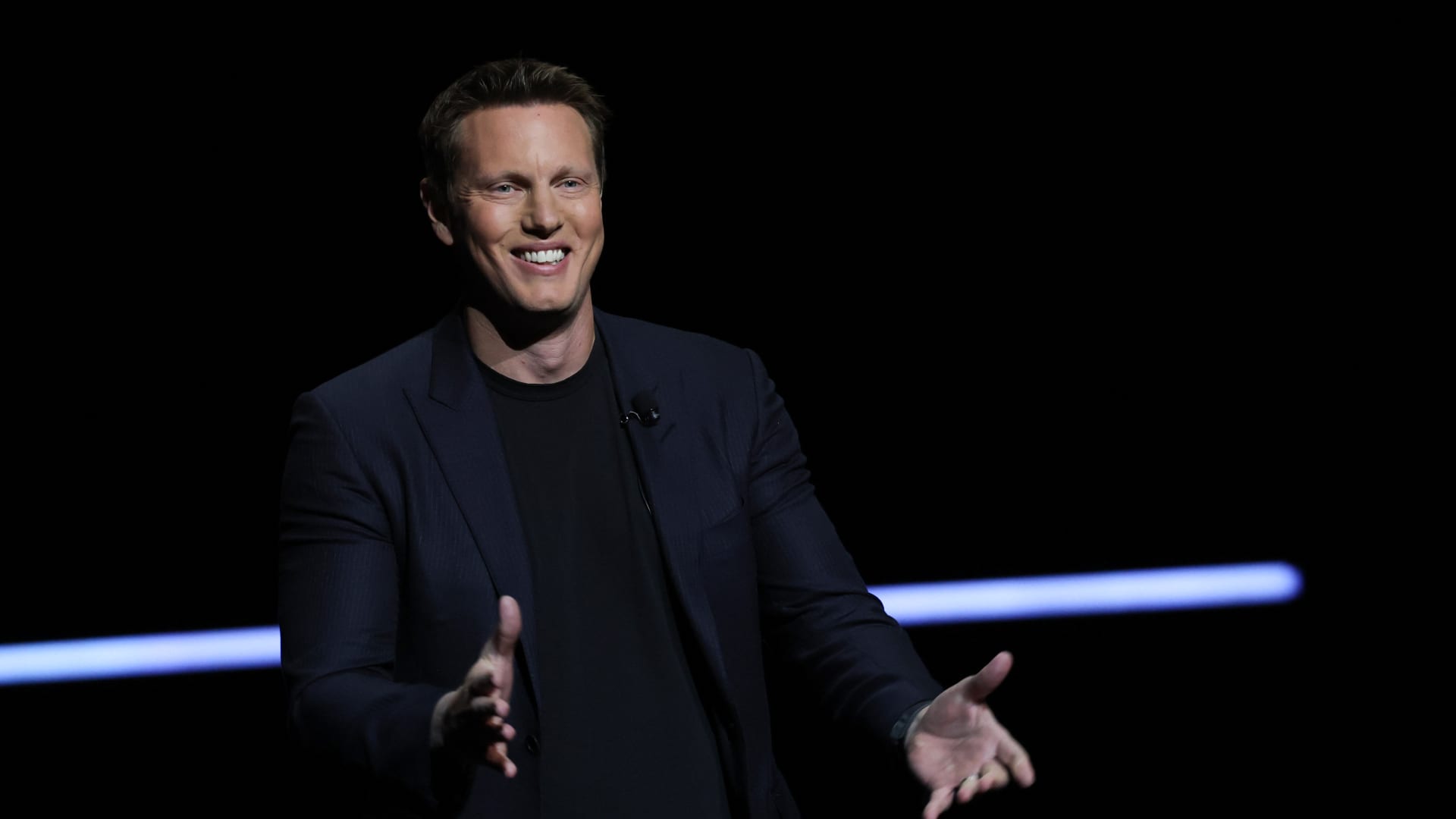
- Release Commitment: Paramount CEO David Ellison promised at CinemaCon to release 30 films annually, although this ambitious goal has raised skepticism within the industry, especially post-merger with Warner Bros., which is expected to present greater production and distribution challenges.
- Merger Impact Analysis: Ellison's plan hinges on regulatory approval for the merger with Warner Bros., yet historical data indicates that past mergers often lead to fewer releases, prompting industry experts to express concerns that the 30-film target is overly ambitious.
- Market Response and Challenges: While theater operators are skeptical about the feasibility of such a high output due to insufficient quality IP support, AMC CEO Adam Aron has expressed support for the merger, believing it will help expand film distribution.
- Industry Status and Future: Post-pandemic, theaters are struggling with a lack of new titles; although 2023 has seen an increase in film releases, the anticipated reduction in output following a merger could further impact box office revenues, leaving the industry's outlook pessimistic.
See More

UNIVERSAL HEALTH SERVICES INC: TD COWEN LOWERS TARGET PRICE FROM $245 TO $230
Price Reduction Announcement: Universal Health Services has announced a price cut for its services, reducing the target price from $245 to $230.
Impact on Stakeholders: This price adjustment may affect various stakeholders, including patients, investors, and healthcare providers, as it reflects changes in the company's service pricing strategy.
See More
Gen Z Fuels Box Office Comeback
- Increased Viewing Frequency: Data from Fandango indicates that in 2025, Gen Z averaged seven movie viewings, matching millennials, while Generation X and baby boomers averaged only six, highlighting Gen Z's growing significance in box office dynamics.
- Expanding Market Share: Gen Z accounted for nearly 40% of moviegoers in North America, with AMC's marketing VP Carrie Trotter noting that not only is their number increasing, but their viewing frequency is also rising year over year, potentially making them the most crucial audience in the future.
- Popularity of Loyalty Programs: Participation in movie loyalty programs among Gen Z has tripled since the pandemic, with AMC's A-List attracting a significant number of young viewers, indicating their willingness to spend more for social activities and movie experiences.
- Social Experience Priority: Gen Z prioritizes social experiences when choosing films, with Trotter stating that they prefer to enjoy movies with friends and family, suggesting that this social aspect drives box office growth beyond mere film content.
See More
Multiple Companies Announce Cash Dividend Plans
- SEI Investments Dividend: On May 27, 2026, SEI Investments' Board declared a semi-annual cash dividend of $0.52 per share, payable on June 16, 2026, enhancing shareholder returns and attracting investor interest.
- TD Bank Dividend: The Toronto-Dominion Bank announced a cash dividend of $1.12 per share for the quarter ending July 31, 2026, payable after this date, aiming to reward shareholders and boost market confidence, with a record date of July 10, 2026.
- Universal Health Services Dividend: Universal Health Services' Board voted to pay a cash dividend of $0.20 per share on June 18, 2026, enhancing shareholder value, with a record date of June 8, 2026.
- CTO Realty Growth Dividend: CTO Realty Growth declared a quarterly cash dividend of $0.38 per share, representing an annualized yield of approximately 7.4%, demonstrating commitment to shareholders, payable on June 30, 2026, with a record date of June 11, 2026.
See More
Universal Health Services to Present at Goldman Sachs Healthcare Conference
- Conference Schedule: Universal Health Services is set to present at the Goldman Sachs Annual Global Healthcare Conference on June 9, 2026, at 8:00 AM ET, highlighting its leadership in the healthcare sector.
- Live Webcast: The presentation will be available via a live audio webcast and replay on the company's Investor Relations section of its website, ensuring investors have timely access to important information.
- Company Overview: Universal Health Services is one of the largest and most respected providers of hospital and healthcare services in the U.S., operating acute care hospitals, behavioral health facilities, and ambulatory centers across the United States, the United Kingdom, and Puerto Rico.
- Industry Impact: As a prominent player in the healthcare services industry, Universal Health Services plays a crucial role in enhancing the quality and accessibility of healthcare services, further solidifying its market position.
See More
Universal Health Services Announces Cash Dividend
- Dividend Announcement: Universal Health Services' Board of Directors has voted to pay a cash dividend of $0.20 per share on June 18, 2026, to shareholders of record as of June 8, 2026, reflecting the company's commitment to shareholder returns and aiming to bolster investor confidence.
- Business Scale: As one of the largest providers of hospital and healthcare services in the U.S., UHS operates acute care hospitals, behavioral health facilities, and outpatient services across the United States, Puerto Rico, and the United Kingdom, ensuring its leadership position in the healthcare sector.
- Shareholder Return Strategy: This cash dividend not only indicates the company's stable financial condition but also demonstrates its ongoing focus on shareholder interests, potentially attracting more investor attention to its stock and enhancing market performance.
- Future Outlook: With the continuous growth in healthcare demand, UHS's efforts to expand its service network and improve healthcare quality will provide strong support for its future profitability and shareholder value creation.
See More
Paramount Plans to Release 30 Films Annually
- Release Commitment: Paramount CEO David Ellison promised at CinemaCon to release 30 films annually, although this ambitious goal has raised skepticism within the industry, especially post-merger with Warner Bros., which is expected to present greater production and distribution challenges.
- Merger Impact Analysis: Ellison's plan hinges on regulatory approval for the merger with Warner Bros., yet historical data indicates that past mergers often lead to fewer releases, prompting industry experts to express concerns that the 30-film target is overly ambitious.
- Market Response and Challenges: While theater operators are skeptical about the feasibility of such a high output due to insufficient quality IP support, AMC CEO Adam Aron has expressed support for the merger, believing it will help expand film distribution.
- Industry Status and Future: Post-pandemic, theaters are struggling with a lack of new titles; although 2023 has seen an increase in film releases, the anticipated reduction in output following a merger could further impact box office revenues, leaving the industry's outlook pessimistic.
See More
UNIVERSAL HEALTH SERVICES INC: TD COWEN LOWERS TARGET PRICE FROM $245 TO $230
Price Reduction Announcement: Universal Health Services has announced a price cut for its services, reducing the target price from $245 to $230.
Impact on Stakeholders: This price adjustment may affect various stakeholders, including patients, investors, and healthcare providers, as it reflects changes in the company's service pricing strategy.
See More