"Transportation Stocks Surge, Triggering Buy Signal from 'Dow Theory'"
Written by Emily J. Thompson, Senior Investment Analyst
Updated: Feb 06 2026
0mins


Source: Barron's
- Transportation Shares Movement: Recent activity in transportation stocks indicates potential for continued stock market rally despite recent downturns.
- Market Resilience: The resilience of transportation shares suggests that investor confidence may remain strong, supporting overall market performance.
- Stock Market Dynamics: The interplay between transportation stocks and broader market trends highlights the importance of sector performance in stock market recovery.
- Investor Sentiment: Positive movements in specific sectors like transportation can influence overall investor sentiment and market outlook.
Trade with 70% Backtested Accuracy
Stop guessing "Should I Buy DAL?" and start using high-conviction signals backed by rigorous historical data.
Sign up today to access powerful investing tools and make smarter, data-driven decisions.
Analyst Views on DAL
Wall Street analysts forecast DAL stock price to rise
18 Analyst Rating
18 Buy
0 Hold
0 Sell
Strong Buy
Current: 82.490

Low
77.00
Averages
83.50
High
90.00
Current: 82.490
Low
77.00
Averages
83.50
High
90.00
About DAL
Delta Air Lines, Inc. provides scheduled air transportation for passengers and cargo throughout the United States and around the world. The Company has hubs and markets in Amsterdam, Atlanta, Bogota, Boston, Detroit, Lima, London-Heathrow, Los Angeles, Mexico City, Minneapolis-St. Paul, New York-JFK and LaGuardia, Paris-Charles de Gaulle, Salt Lake City, Santiago (Chile), Sao Paulo, Seattle, Seoul-Incheon, and Tokyo. Its segments include Airline and Refinery. Its airline segment is managed as a single business unit that provides scheduled air transportation for passengers and cargo throughout the United States and around the world and includes its loyalty program, as well as other ancillary businesses. Its refinery segment operates for the benefit of the airline segment by providing jet fuel to the airline segment from its own production and through jet fuel obtained through agreements with third parties. The refinery's production consists of jet fuel as well as non-jet fuel products.
About the author

Emily J. Thompson
Emily J. Thompson, a Chartered Financial Analyst (CFA) with 12 years in investment research, graduated with honors from the Wharton School. Specializing in industrial and technology stocks, she provides in-depth analysis for Intellectia’s earnings and market brief reports.

American Airlines to Install Starlink Internet on 500 Aircraft

- Internet Service Upgrade: American Airlines plans to install Starlink internet service on over 500 narrow-body aircraft starting in early 2027, aiming to enhance customer experience and address competitive pressures, despite its stock having dropped 37% over the past five years.
- Intensifying Market Competition: With United Airlines already equipping over 300 planes with Starlink and other airlines like Southwest and Alaska Air Group quickly following suit, those airlines that can deploy this technology the fastest will gain a significant competitive edge.
- Customer Experience Improvement: While good internet service won't solve all of American Airlines' issues, this upgrade could help attract higher-paying customers as consumers become increasingly sensitive to passenger experience, thereby enhancing customer loyalty.
- Need for Strategic Transformation: Although the introduction of Starlink is a significant step towards modernization, analysts believe it is not enough to bring American Airlines on par with competitors like Delta and United, indicating that the company must invest further in technology to keep pace with consumer demands.
See More
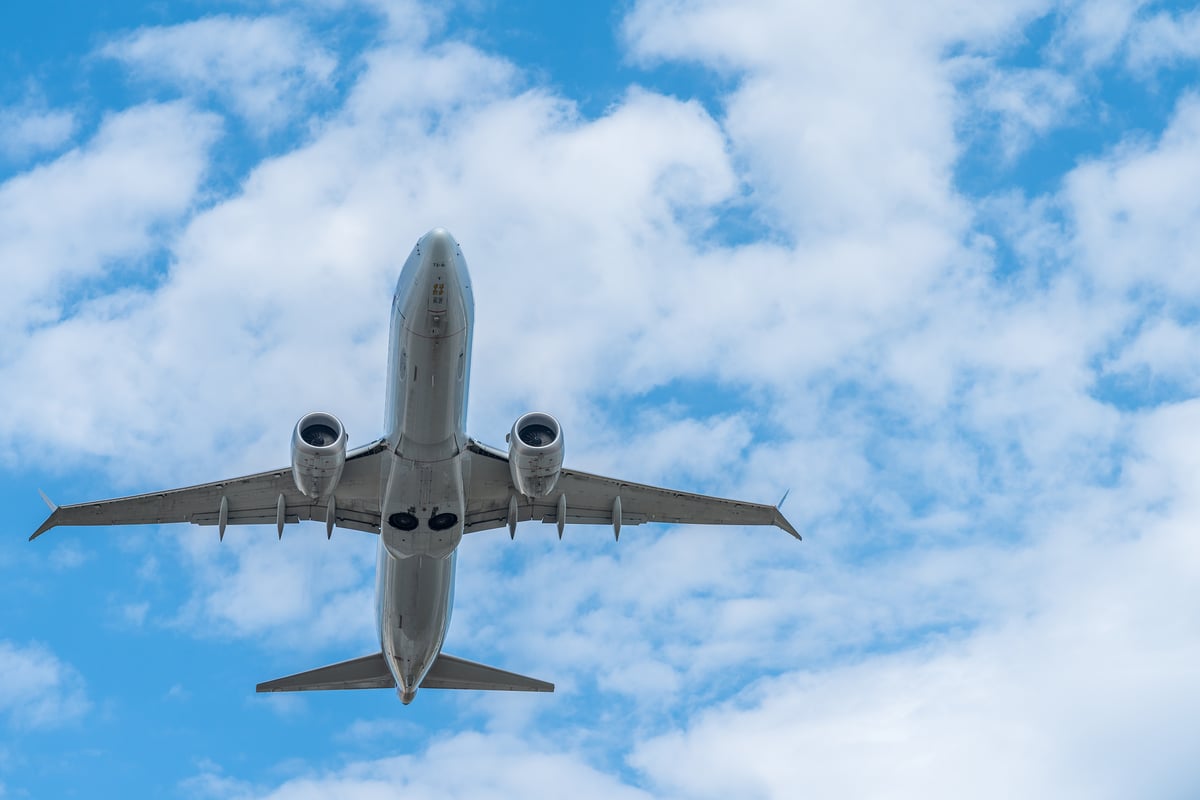
American Airlines to Adopt Starlink for Enhanced In-Flight Internet Service
- Service Upgrade: American Airlines plans to install Starlink internet service on over 500 aircraft starting in early 2027, aiming to enhance customer experience and address consumer demand for faster internet, thereby boosting its competitive position.
- Market Competitive Edge: With American Airlines adopting Starlink, competitors like United Airlines already have over 300 planes equipped with the service, and the rapid rollout will provide American with a significant competitive advantage, especially in customer choice.
- Stock Price Context: Over the past five years, American Airlines' stock has dropped more than 37%, and while the introduction of Starlink won't solve all issues, improving internet service could enhance passenger satisfaction and potentially impact company performance positively.
- Initial Strategic Shift: This technological upgrade is seen as an important step for American Airlines in enhancing customer loyalty and attracting higher-paying customers, although further investment is needed to keep pace with industry modernization.
See More

Alaska Air Shares Surge 12.7% Amid Airline Sector Optimism

- Airline Stock Rally: Alaska Air (ALK) shares rose by 12.7% this week, reflecting a broader optimism in the airline sector amidst rising fuel prices, particularly due to the closure of the Strait of Hormuz.
- Fuel Price Impact: Alaska's management anticipates that higher fuel costs will reduce earnings per share (EPS) by $0.70 in Q1 and over $3 in Q2, highlighting the significant pressure from soaring fuel prices.
- Strong Demand Continuity: Southwest Airlines' CEO noted that despite rising fuel costs, air travel demand remains robust, with the airline participating in seven consecutive fare increases without any drop in demand, providing a positive signal for Alaska Air.
- Potential Earnings Revision: Analysts expect Alaska Air to report a $0.77 loss per share in 2026, but if the airline can offset fuel costs with higher ticket prices, future earnings estimates may see positive revisions.
See More

Alaska Air Shares Rise 12.7% Amid Fuel Cost Management
- Fuel Cost Management: Alaska Airlines is managing soaring fuel costs by increasing fares, with expectations that if this trend continues, the company's profitability could improve, particularly against the backdrop of strong overall airline performance.
- Stock Performance: Shares of Alaska Air Group rose by 12.7% over the week, reflecting market optimism towards airline stocks, especially in light of rising fuel prices, as investors remain positive about the company's future earnings potential.
- Strong Industry Demand: Despite soaring fuel prices, Delta Air Lines reported that strong demand from the first quarter is continuing into the second quarter, indicating sustained consumer demand for air travel, which is particularly relevant for Alaska Airlines.
- Earnings Forecast Adjustment: Alaska Airlines anticipates a $0.70 reduction in earnings per share due to rising fuel costs in the first quarter and over $3 in the second quarter, but if they can offset these costs with fare increases, future earnings expectations may see positive revisions.
See More

Immigration Processing Proposal Raises Airline Industry Concerns

- Policy Impact Warning: Homeland Security Secretary Markwayne Mullin stated on Fox News that if 'radical left Democrats' do not allow the government to enforce federal laws, international flights should not be processed, potentially posing significant challenges to the airline industry.
- Industry Opposition: Major airline, hotel, and tourism groups warned that cutting immigration and customs processing at U.S. airports would have a 'devastating' impact on the industry and travelers, particularly at Newark Liberty International Airport, a hub for United Airlines.
- Passenger Impact Analysis: Airlines for America noted that the majority of the 20,000 international passengers at Newark are U.S. citizens, and reducing Customs services could disproportionately affect heartland America, potentially causing widespread chaos.
- Policy Context and Timing: Mullin mentioned that the Trump administration is considering cutting immigration processing for international flights in 'sanctuary cities,' likely to pressure local leaders to crack down on undocumented immigrants, coinciding with the upcoming FIFA World Cup, which could disrupt travel for millions.
See More

Delta Air Lines Stock Shows Strong Performance
- Stock Surge: Delta Air Lines shares have rallied 21.74% over the past six trading sessions, significantly outperforming the S&P 500's 2.86% gain, indicating strong market confidence in the airline's recovery prospects.
- Analyst Optimism: Analyst Dhierin Bechaire reiterated a Buy rating on Delta, citing robust financials and resilient premium travel demand, projecting a 31% upside to a $91.82 price target despite lowering 2026 EBITDA and free cash flow estimates due to Middle East pressures.
- Diversified Revenue Strategy: Analyst Narek Hovhannisyan also maintained a Buy rating, highlighting Delta's strong first-quarter performance and diversified revenue streams, noting that the stock remains undervalued relative to peers despite anticipated margin pressures from rising fuel costs.
- Positive Market Sentiment: While Seeking Alpha's Quant Ratings system takes a cautious stance with a Hold rating, overall sentiment remains favorable, with Wall Street analysts maintaining Buy and Strong Buy consensus ratings, reflecting confidence in Delta's future performance.
See More
American Airlines to Install Starlink Internet on 500 Aircraft
- Internet Service Upgrade: American Airlines plans to install Starlink internet service on over 500 narrow-body aircraft starting in early 2027, aiming to enhance customer experience and address competitive pressures, despite its stock having dropped 37% over the past five years.
- Intensifying Market Competition: With United Airlines already equipping over 300 planes with Starlink and other airlines like Southwest and Alaska Air Group quickly following suit, those airlines that can deploy this technology the fastest will gain a significant competitive edge.
- Customer Experience Improvement: While good internet service won't solve all of American Airlines' issues, this upgrade could help attract higher-paying customers as consumers become increasingly sensitive to passenger experience, thereby enhancing customer loyalty.
- Need for Strategic Transformation: Although the introduction of Starlink is a significant step towards modernization, analysts believe it is not enough to bring American Airlines on par with competitors like Delta and United, indicating that the company must invest further in technology to keep pace with consumer demands.
See More
American Airlines to Adopt Starlink for Enhanced In-Flight Internet Service
- Service Upgrade: American Airlines plans to install Starlink internet service on over 500 aircraft starting in early 2027, aiming to enhance customer experience and address consumer demand for faster internet, thereby boosting its competitive position.
- Market Competitive Edge: With American Airlines adopting Starlink, competitors like United Airlines already have over 300 planes equipped with the service, and the rapid rollout will provide American with a significant competitive advantage, especially in customer choice.
- Stock Price Context: Over the past five years, American Airlines' stock has dropped more than 37%, and while the introduction of Starlink won't solve all issues, improving internet service could enhance passenger satisfaction and potentially impact company performance positively.
- Initial Strategic Shift: This technological upgrade is seen as an important step for American Airlines in enhancing customer loyalty and attracting higher-paying customers, although further investment is needed to keep pace with industry modernization.
See More
Alaska Air Shares Surge 12.7% Amid Airline Sector Optimism
- Airline Stock Rally: Alaska Air (ALK) shares rose by 12.7% this week, reflecting a broader optimism in the airline sector amidst rising fuel prices, particularly due to the closure of the Strait of Hormuz.
- Fuel Price Impact: Alaska's management anticipates that higher fuel costs will reduce earnings per share (EPS) by $0.70 in Q1 and over $3 in Q2, highlighting the significant pressure from soaring fuel prices.
- Strong Demand Continuity: Southwest Airlines' CEO noted that despite rising fuel costs, air travel demand remains robust, with the airline participating in seven consecutive fare increases without any drop in demand, providing a positive signal for Alaska Air.
- Potential Earnings Revision: Analysts expect Alaska Air to report a $0.77 loss per share in 2026, but if the airline can offset fuel costs with higher ticket prices, future earnings estimates may see positive revisions.
See More
Alaska Air Shares Rise 12.7% Amid Fuel Cost Management
- Fuel Cost Management: Alaska Airlines is managing soaring fuel costs by increasing fares, with expectations that if this trend continues, the company's profitability could improve, particularly against the backdrop of strong overall airline performance.
- Stock Performance: Shares of Alaska Air Group rose by 12.7% over the week, reflecting market optimism towards airline stocks, especially in light of rising fuel prices, as investors remain positive about the company's future earnings potential.
- Strong Industry Demand: Despite soaring fuel prices, Delta Air Lines reported that strong demand from the first quarter is continuing into the second quarter, indicating sustained consumer demand for air travel, which is particularly relevant for Alaska Airlines.
- Earnings Forecast Adjustment: Alaska Airlines anticipates a $0.70 reduction in earnings per share due to rising fuel costs in the first quarter and over $3 in the second quarter, but if they can offset these costs with fare increases, future earnings expectations may see positive revisions.
See More
Immigration Processing Proposal Raises Airline Industry Concerns
- Policy Impact Warning: Homeland Security Secretary Markwayne Mullin stated on Fox News that if 'radical left Democrats' do not allow the government to enforce federal laws, international flights should not be processed, potentially posing significant challenges to the airline industry.
- Industry Opposition: Major airline, hotel, and tourism groups warned that cutting immigration and customs processing at U.S. airports would have a 'devastating' impact on the industry and travelers, particularly at Newark Liberty International Airport, a hub for United Airlines.
- Passenger Impact Analysis: Airlines for America noted that the majority of the 20,000 international passengers at Newark are U.S. citizens, and reducing Customs services could disproportionately affect heartland America, potentially causing widespread chaos.
- Policy Context and Timing: Mullin mentioned that the Trump administration is considering cutting immigration processing for international flights in 'sanctuary cities,' likely to pressure local leaders to crack down on undocumented immigrants, coinciding with the upcoming FIFA World Cup, which could disrupt travel for millions.
See More
Delta Air Lines Stock Shows Strong Performance
- Stock Surge: Delta Air Lines shares have rallied 21.74% over the past six trading sessions, significantly outperforming the S&P 500's 2.86% gain, indicating strong market confidence in the airline's recovery prospects.
- Analyst Optimism: Analyst Dhierin Bechaire reiterated a Buy rating on Delta, citing robust financials and resilient premium travel demand, projecting a 31% upside to a $91.82 price target despite lowering 2026 EBITDA and free cash flow estimates due to Middle East pressures.
- Diversified Revenue Strategy: Analyst Narek Hovhannisyan also maintained a Buy rating, highlighting Delta's strong first-quarter performance and diversified revenue streams, noting that the stock remains undervalued relative to peers despite anticipated margin pressures from rising fuel costs.
- Positive Market Sentiment: While Seeking Alpha's Quant Ratings system takes a cautious stance with a Hold rating, overall sentiment remains favorable, with Wall Street analysts maintaining Buy and Strong Buy consensus ratings, reflecting confidence in Delta's future performance.
See More