

Three Health Care Stocks That Could Revitalize Your Portfolio This November

Oversold Stocks Opportunity: The health care sector has several oversold stocks, presenting potential buying opportunities for undervalued companies, particularly those with a Relative Strength Index (RSI) below 30.
Alvotech SA Update: Alvotech's stock dropped 41% over the past month following an FDA Complete Response Letter regarding its AVT05 biosimilar application, with an RSI of 18.8 and a closing price of $5.03.
Acadia Healthcare Performance: Acadia Healthcare's stock fell 19% in the last month, with an RSI of 27.9, and it closed at $21.31 ahead of its third-quarter results announcement.
Akebia Therapeutics Decline: Akebia Therapeutics experienced a 33% drop in stock price over five days, with an RSI of 29.4, closing at $2.12 after reporting inducement grants.
Trade with 70% Backtested Accuracy
Analyst Views on ACHC

About ACHC
About the author


Mid-Cap Healthcare Stocks Valuation Analysis

- Valuation Score Overview: According to Seeking Alpha's valuation grades, Acadia Healthcare Company (ACHC) and Waystar Holding (WAY) received an A rating, indicating their attractiveness relative to peers and suggesting potential investor interest for gains.
- Market Performance Highlights: Among mid-cap healthcare stocks with market capitalizations between $2B and $10B, BioCryst Pharmaceuticals (BCRX) stands out with a B+ valuation grade, reflecting its competitiveness and investment appeal in the biopharmaceutical sector.
- Valuation Metrics Analysis: The valuation scores are derived from a comprehensive analysis of multiple metrics, including P/E, PEG, EV/Sales, and EV/EBITDA, providing investors with a robust basis for informed investment decisions.
- Industry Trend Insights: As the healthcare sector continues to evolve, investor focus on mid-cap healthcare stocks is increasing, particularly those demonstrating strong valuation performance, which may attract greater investment inflows in the future.

13D Management Fully Exits WEX Stake Worth $4.59 Million
- Share Sale Overview: On May 15, 2026, 13D Management disclosed the sale of 29,350 shares of WEX, valued at approximately $4.59 million, indicating a cautious outlook on WEX's future prospects.
- Market Performance Analysis: As of May 14, 2026, WEX shares were priced at $134.02, remaining flat over the past year and significantly underperforming the S&P 500, which rose 25% in the same period, reflecting market concerns about its growth potential.
- Financial Performance Highlights: Despite the poor stock performance, WEX reported a nearly 6% year-over-year revenue increase in Q1, reaching $673.8 million, while adjusted earnings per share rose 18% to $4.15, indicating robust fundamentals.
- Future Outlook and Market Reaction: WEX raised its full-year revenue guidance to up to $2.88 billion, yet the market reacted negatively to its earnings report with a 16% drop in stock price; however, if management can continue to enhance margins and cash flow, stock recovery may be on the horizon.

13D Management Acquires Significant Stake in Acadia Healthcare
- New Investment Disclosure: On May 15, 2026, 13D Management disclosed a new position in Acadia Healthcare by acquiring 294,000 shares valued at approximately $5.32 million, indicating confidence in the company's future prospects.
- Holding Value Increase: As of the end of Q1 2026, the value of Acadia Healthcare's position reached $6.88 million, representing 10.7% of 13F reportable assets, highlighting its significance within the investment portfolio.
- Performance Improvement: Acadia Healthcare reported a 7.6% year-over-year revenue increase to $828.8 million in Q1, driven by higher patient volumes and improved pricing, prompting management to raise full-year adjusted EBITDA and earnings guidance.
- Expansion Capacity: The company added 82 newly licensed beds during the quarter, now operating approximately 275 facilities with around 12,400 beds; if management maintains this growth momentum, the recent stock underperformance could present a buying opportunity.

David Einhorn Recommends Five Transitioning Companies

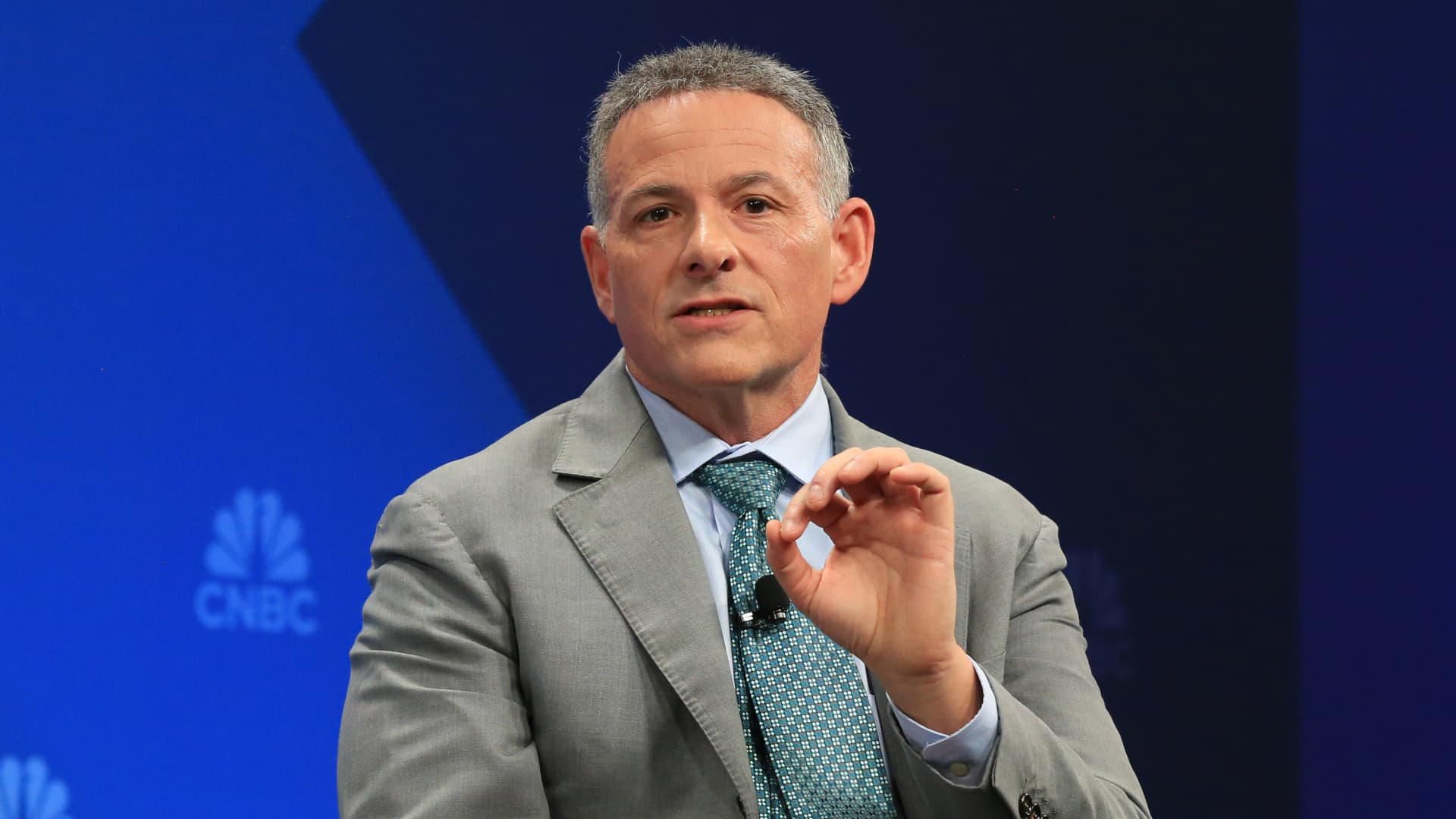
- Acadia's Recovery Potential: Einhorn highlighted Acadia Healthcare (ACHC), which has seen its stock plummet from nearly $90 to around $25, arguing that the market's reaction is excessive; if occupancy rates of new facilities rebound, EBITDA could increase by $200 million annually, potentially doubling the stock price.
- Centene's Profit Normalization: Einhorn believes Centene (CNC) will recover from rising healthcare costs and Medicaid pricing pressures, with margins expected to normalize in the coming years, projecting a stock price increase from $56 to between $85 and $102, indicating significant undervaluation.
- Fluor's Survival and Transformation: After nearly collapsing, Fluor (FLR) is positioned at the center of several infrastructure supercycles; Einhorn noted that the company has initiated a $1.4 billion buyback program, which could retire about 20% of outstanding shares, reflecting its recovery and future demand.
- Victoria's Secret Comeback: Einhorn discussed Victoria's Secret (VSCO), which is redefining its identity after cultural backlash, with new leadership aiming for a 10% operating margin, suggesting strong recovery potential as the brand stabilizes and grows under renewed management strategies.
David Einhorn Bullish on Overlooked Companies

- Acadia Healthcare: Einhorn highlighted that Acadia's newer facilities are underutilized, needing occupancy rates raised to 70-80% and improved reimbursement negotiations, with a potential share price of $56, doubling the current value.
- Centene's AI Potential: He argued that Centene could significantly benefit from AI in automating claims processing, with a projected stock value between $85 and $102, indicating substantial upside from the current $56 if margins normalize.
- Fluor's Capital Spending Opportunities: Einhorn noted that Fluor is well-positioned to capitalize on a U.S. capital spending boom across various sectors, suggesting shares could reach $115 in a few years, as the market underestimates its exposure to potential super cycles.
- Versant Media's Cash Flow Advantage: He mentioned that Versant Media remains insulated from streaming competition due to its focus on news and live sports, estimating it could generate free cash flow exceeding 60% of its market cap over the next four years for share buybacks or acquisitions.

Einhorn Recommends Acadia and Centene Stocks at Sohn Conference
- Investment Recommendations: At the Sohn Investment Conference in New York, Greenlight's David Einhorn pitched Acadia Healthcare (ACHC) and Centene (CNC) as long-term investment ideas, indicating confidence in the healthcare sector and potentially attracting more investor interest in these stocks.
- Stock Performance: Centene (CNC) shares rose by 5% and Acadia Healthcare (ACHC) advanced by 3.2%, reflecting a positive market reaction to Einhorn's recommendations, which may drive short-term price increases for these companies.
- New Position Established: Greenlight initiated a new medium-sized position in Versant Media (VSNT), which was recently spun off from Comcast (CMCSA) and owns channels like MS Now, CNBC, and USA Network, demonstrating optimism about its future growth potential.
- Industry Analysis: Despite ongoing cord-cutting in the legacy cable business, Greenlight believes that over 60% of Versant's programming is tied to live news and events, making it more resilient to subscriber losses, which could provide stable returns for investors.
Mid-Cap Healthcare Stocks Valuation Analysis
- Valuation Score Overview: According to Seeking Alpha's valuation grades, Acadia Healthcare Company (ACHC) and Waystar Holding (WAY) received an A rating, indicating their attractiveness relative to peers and suggesting potential investor interest for gains.
- Market Performance Highlights: Among mid-cap healthcare stocks with market capitalizations between $2B and $10B, BioCryst Pharmaceuticals (BCRX) stands out with a B+ valuation grade, reflecting its competitiveness and investment appeal in the biopharmaceutical sector.
- Valuation Metrics Analysis: The valuation scores are derived from a comprehensive analysis of multiple metrics, including P/E, PEG, EV/Sales, and EV/EBITDA, providing investors with a robust basis for informed investment decisions.
- Industry Trend Insights: As the healthcare sector continues to evolve, investor focus on mid-cap healthcare stocks is increasing, particularly those demonstrating strong valuation performance, which may attract greater investment inflows in the future.
13D Management Fully Exits WEX Stake Worth $4.59 Million
- Share Sale Overview: On May 15, 2026, 13D Management disclosed the sale of 29,350 shares of WEX, valued at approximately $4.59 million, indicating a cautious outlook on WEX's future prospects.
- Market Performance Analysis: As of May 14, 2026, WEX shares were priced at $134.02, remaining flat over the past year and significantly underperforming the S&P 500, which rose 25% in the same period, reflecting market concerns about its growth potential.
- Financial Performance Highlights: Despite the poor stock performance, WEX reported a nearly 6% year-over-year revenue increase in Q1, reaching $673.8 million, while adjusted earnings per share rose 18% to $4.15, indicating robust fundamentals.
- Future Outlook and Market Reaction: WEX raised its full-year revenue guidance to up to $2.88 billion, yet the market reacted negatively to its earnings report with a 16% drop in stock price; however, if management can continue to enhance margins and cash flow, stock recovery may be on the horizon.
13D Management Acquires Significant Stake in Acadia Healthcare
- New Investment Disclosure: On May 15, 2026, 13D Management disclosed a new position in Acadia Healthcare by acquiring 294,000 shares valued at approximately $5.32 million, indicating confidence in the company's future prospects.
- Holding Value Increase: As of the end of Q1 2026, the value of Acadia Healthcare's position reached $6.88 million, representing 10.7% of 13F reportable assets, highlighting its significance within the investment portfolio.
- Performance Improvement: Acadia Healthcare reported a 7.6% year-over-year revenue increase to $828.8 million in Q1, driven by higher patient volumes and improved pricing, prompting management to raise full-year adjusted EBITDA and earnings guidance.
- Expansion Capacity: The company added 82 newly licensed beds during the quarter, now operating approximately 275 facilities with around 12,400 beds; if management maintains this growth momentum, the recent stock underperformance could present a buying opportunity.
David Einhorn Recommends Five Transitioning Companies
- Acadia's Recovery Potential: Einhorn highlighted Acadia Healthcare (ACHC), which has seen its stock plummet from nearly $90 to around $25, arguing that the market's reaction is excessive; if occupancy rates of new facilities rebound, EBITDA could increase by $200 million annually, potentially doubling the stock price.
- Centene's Profit Normalization: Einhorn believes Centene (CNC) will recover from rising healthcare costs and Medicaid pricing pressures, with margins expected to normalize in the coming years, projecting a stock price increase from $56 to between $85 and $102, indicating significant undervaluation.
- Fluor's Survival and Transformation: After nearly collapsing, Fluor (FLR) is positioned at the center of several infrastructure supercycles; Einhorn noted that the company has initiated a $1.4 billion buyback program, which could retire about 20% of outstanding shares, reflecting its recovery and future demand.
- Victoria's Secret Comeback: Einhorn discussed Victoria's Secret (VSCO), which is redefining its identity after cultural backlash, with new leadership aiming for a 10% operating margin, suggesting strong recovery potential as the brand stabilizes and grows under renewed management strategies.
David Einhorn Bullish on Overlooked Companies
- Acadia Healthcare: Einhorn highlighted that Acadia's newer facilities are underutilized, needing occupancy rates raised to 70-80% and improved reimbursement negotiations, with a potential share price of $56, doubling the current value.
- Centene's AI Potential: He argued that Centene could significantly benefit from AI in automating claims processing, with a projected stock value between $85 and $102, indicating substantial upside from the current $56 if margins normalize.
- Fluor's Capital Spending Opportunities: Einhorn noted that Fluor is well-positioned to capitalize on a U.S. capital spending boom across various sectors, suggesting shares could reach $115 in a few years, as the market underestimates its exposure to potential super cycles.
- Versant Media's Cash Flow Advantage: He mentioned that Versant Media remains insulated from streaming competition due to its focus on news and live sports, estimating it could generate free cash flow exceeding 60% of its market cap over the next four years for share buybacks or acquisitions.
Einhorn Recommends Acadia and Centene Stocks at Sohn Conference
- Investment Recommendations: At the Sohn Investment Conference in New York, Greenlight's David Einhorn pitched Acadia Healthcare (ACHC) and Centene (CNC) as long-term investment ideas, indicating confidence in the healthcare sector and potentially attracting more investor interest in these stocks.
- Stock Performance: Centene (CNC) shares rose by 5% and Acadia Healthcare (ACHC) advanced by 3.2%, reflecting a positive market reaction to Einhorn's recommendations, which may drive short-term price increases for these companies.
- New Position Established: Greenlight initiated a new medium-sized position in Versant Media (VSNT), which was recently spun off from Comcast (CMCSA) and owns channels like MS Now, CNBC, and USA Network, demonstrating optimism about its future growth potential.
- Industry Analysis: Despite ongoing cord-cutting in the legacy cable business, Greenlight believes that over 60% of Versant's programming is tied to live news and events, making it more resilient to subscriber losses, which could provide stable returns for investors.





