The Magnificent Seven Shows Signs of Fatigue
Written by Emily J. Thompson, Senior Investment Analyst
Updated: 2 days ago
0mins


Should l Buy MSFT?
Source: Yahoo Finance
- Market Weakness: In 2026, all seven tech stocks, including Apple, Microsoft, and Amazon, have declined, underperforming the S&P 500, indicating investor concerns about AI spending and market outlook.
- Surging Capital Expenditures: The top four hyperscalers are projected to spend nearly $700 billion on AI infrastructure, a massive investment that will take years to recoup, leading to skepticism about future returns among investors.
- Small-Cap Recovery: In contrast to the Magnificent Seven, the Invesco S&P SmallCap Information Technology ETF has risen by 6%, suggesting that investors are rotating into small caps, reflecting a demand for diversified investments.
- Nvidia's Positive Outlook: Despite the overall market downturn, Nvidia's adjusted earnings per share are expected to grow from $4.77 to $8.29, with a forward P/E below 21, indicating strong growth potential in the AI sector.
Trade with 70% Backtested Accuracy
Stop guessing "Should I Buy MSFT?" and start using high-conviction signals backed by rigorous historical data.
Sign up today to access powerful investing tools and make smarter, data-driven decisions.
Analyst Views on MSFT
Wall Street analysts forecast MSFT stock price to rise
34 Analyst Rating
32 Buy
2 Hold
0 Sell
Strong Buy
Current: 365.970

Low
500.00
Averages
631.36
High
678.00
Current: 365.970
Low
500.00
Averages
631.36
High
678.00
About MSFT
Microsoft Corporation is a technology company that develops and supports software, services, devices, and solutions. Its Productivity and Business Processes segment consists of products and services in its portfolio of productivity, communication, and information services, spanning a variety of devices and platforms. It comprises Microsoft 365 Commercial products and cloud services; Microsoft 365 Consumer products and cloud services; LinkedIn, and Dynamics products and cloud services. The Intelligent Cloud segment consists of its public, private, and hybrid server products and cloud services. It comprises server products and cloud services, including Azure, and enterprise and partner services, including Enterprise Support Services. Its More Personal Computing segment primarily comprises Windows and Devices, including Windows OEM licensing; Gaming, including Xbox hardware and Xbox content; Search and news advertising, comprising Bing and Copilot, Microsoft News, and Microsoft Edge.
About the author

Emily J. Thompson
Emily J. Thompson, a Chartered Financial Analyst (CFA) with 12 years in investment research, graduated with honors from the Wharton School. Specializing in industrial and technology stocks, she provides in-depth analysis for Intellectia’s earnings and market brief reports.
Microsoft Faces Worst Quarterly Performance Since 2008 Financial Crisis

- Poor Market Performance: Microsoft is on track for its worst quarterly performance since the 2008 financial crisis, with expectations of a sixth consecutive monthly decline, reflecting overall weakness in the tech sector as investors rotate into defensive industries.
- Investor Sentiment Rebounds: Despite challenges, sentiment for Microsoft on Stocktwits surged to ‘extremely bullish’ last week, with message volume increasing by 75%, indicating retail investors' confidence in its future performance, particularly in the AI and cloud computing sectors.
- Analyst Ratings Optimistic: Bank of America reinstated coverage on Microsoft with a ‘Buy’ rating and a $500 price target, about 40% above the current level, citing its leading position in AI cloud and enterprise software markets as a driver for sustained mid-double-digit growth.
- Valuation Attractiveness Increases: Microsoft's 12-month forward P/E ratio has fallen to its lowest level in nearly a decade, with an RSI of 22.26 indicating oversold conditions that may signal a rebound opportunity, although skepticism about its future remains prevalent in the market.
See More
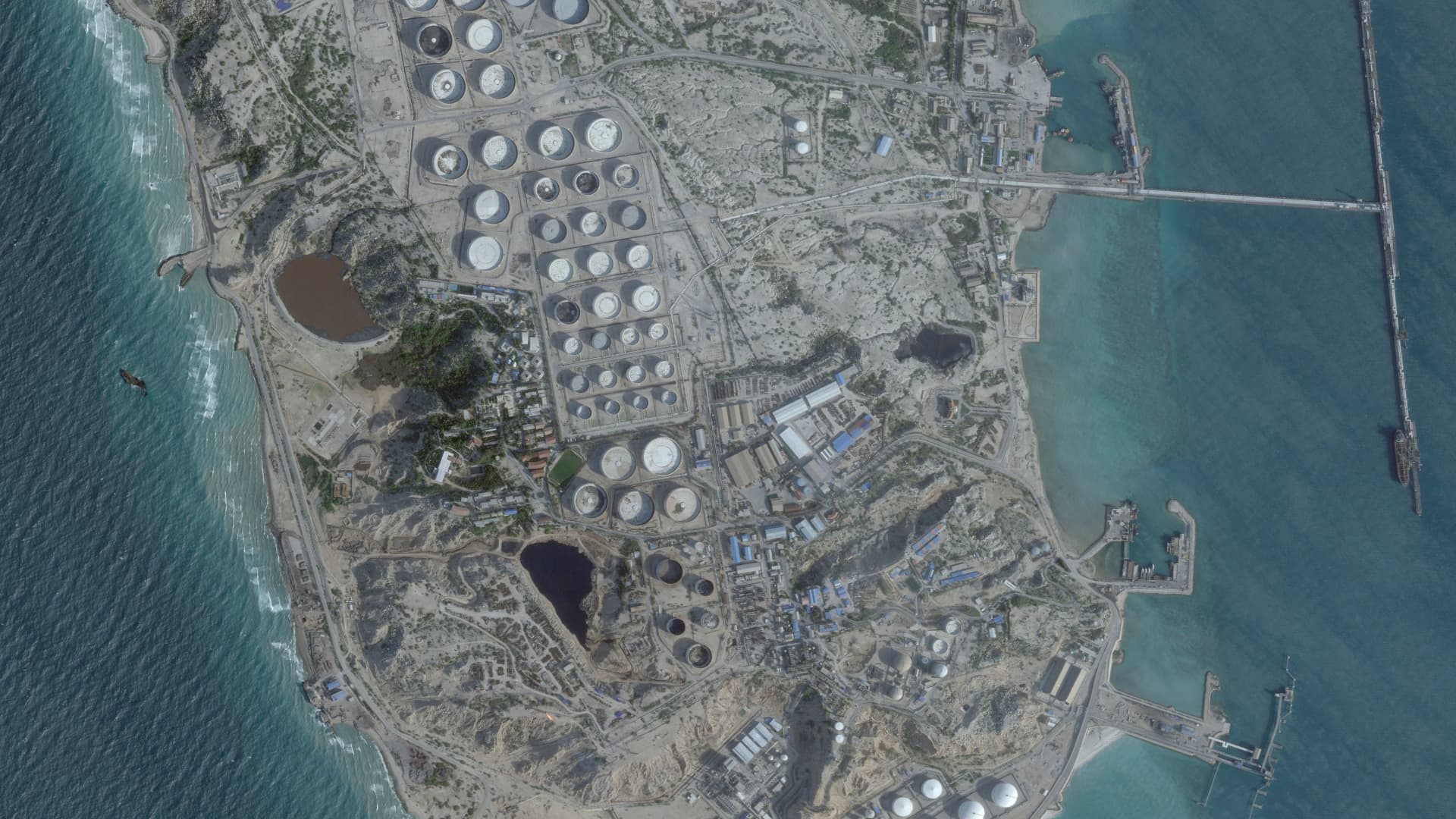
Trump's Intent to Seize Iran's Oil Market Raises Concerns


- Cautious Market Reaction: Trump's declaration of wanting to 'take Iran's oil' while suggesting a 'peace deal could be made fairly quickly' has left markets feeling uneasy, leading investors to adopt a risk-averse stance as Asia-Pacific markets fell sharply on Monday.
- Military Deployment Escalation: The Pentagon is reportedly preparing for weeks of ground operations in Iran, with thousands of American soldiers and Marines arriving in the Middle East, raising concerns about an escalation in the Iran conflict that could disrupt global supply chains and increase prices.
- Rising Oil Price Pressure: Oil prices are climbing again as the conflict intensifies, particularly after Yemen's Iran-backed Houthis fired missiles at Israel, heightening fears over energy supply disruptions that could impact the global economy.
- Shipping Route Risks: The Strait of Hormuz, a vital shipping route, is being impeded by the ongoing war, with industry leaders warning that if it does not reopen by mid-April, supply disruptions could worsen significantly, affecting operations across various sectors.
See More

DATA#3 LTD CHOSEN AS PANEL PROVIDER FOR FIVE-YEAR PERIOD WITH POSSIBILITY OF ONE-YEAR EXTENSION

- Contract Details: A selected panel provider has been awarded a five-year term contract with an option for a one-year extension.
- Implications: This contract may influence service delivery and operational strategies for the involved parties over the next several years.
See More
DATA#3 LTD SELECTED TO SUPPLY MICROSOFT PRODUCTS AND SERVICES FOR AUSTRALIAN GOVERNMENT
- Appointment Announcement: A new appointment has been made to provide Microsoft products and services to the Australian government.
- Focus on Collaboration: The initiative aims to enhance collaboration between Microsoft and the Australian government for improved service delivery.
See More

Escalating Impact of Iran War on Oil Markets
- Surge in Oil Prices: U.S. crude prices have surged over 50% since late February, with Brent up more than 55%, indicating that market concerns over the Iran war are escalating and could lead to greater disruptions in global supply chains.
- Ground Operation Preparations: The Pentagon is preparing for weeks of ground operations in Iran, with thousands of American soldiers and Marines arriving in the Middle East, which could exacerbate market uncertainty and impact oil prices.
- Strait of Hormuz Risks: Industry leaders warn that the vital shipping route of the Strait of Hormuz must reopen by mid-April, or supply disruptions could worsen significantly, further driving up oil prices.
- Market Reaction Fatigue: Following reports of potential ground operations, U.S. equity futures fell on Sunday evening, and Asia-Pacific markets also declined at Monday's open, reflecting investor fatigue over the conflict's headlines and concerns about the future.
See More

Microsoft Reports Strong Earnings Amid Rising Competition

- Strong Earnings: Microsoft reported a 17% year-over-year revenue increase in fiscal Q2 2023, reaching $81.3 billion, with adjusted earnings per share rising 24% to $4.14, reflecting robust performance in its cloud operations.
- Cloud Revenue Growth: Microsoft Cloud revenue grew 26% year-over-year to $51.5 billion, with 'Azure and other cloud services' revenue climbing 39%, demonstrating its market leadership despite fierce competition from Alphabet.
- Intensifying Competition: Alphabet's Google Cloud revenue surged 48% in the latest quarter to $17.7 billion, significantly outpacing Microsoft's cloud growth, indicating that competition is heating up and Microsoft may be losing relative momentum.
- AI Risks Emerging: The rapid advancement of AI poses potential risks to Microsoft's traditional software business, particularly as its Office segment generated $34.1 billion in revenue, which could see reduced demand for subscriptions as AI becomes more prevalent.
See More
Microsoft Faces Worst Quarterly Performance Since 2008 Financial Crisis
- Poor Market Performance: Microsoft is on track for its worst quarterly performance since the 2008 financial crisis, with expectations of a sixth consecutive monthly decline, reflecting overall weakness in the tech sector as investors rotate into defensive industries.
- Investor Sentiment Rebounds: Despite challenges, sentiment for Microsoft on Stocktwits surged to ‘extremely bullish’ last week, with message volume increasing by 75%, indicating retail investors' confidence in its future performance, particularly in the AI and cloud computing sectors.
- Analyst Ratings Optimistic: Bank of America reinstated coverage on Microsoft with a ‘Buy’ rating and a $500 price target, about 40% above the current level, citing its leading position in AI cloud and enterprise software markets as a driver for sustained mid-double-digit growth.
- Valuation Attractiveness Increases: Microsoft's 12-month forward P/E ratio has fallen to its lowest level in nearly a decade, with an RSI of 22.26 indicating oversold conditions that may signal a rebound opportunity, although skepticism about its future remains prevalent in the market.
See More
Trump's Intent to Seize Iran's Oil Market Raises Concerns
- Cautious Market Reaction: Trump's declaration of wanting to 'take Iran's oil' while suggesting a 'peace deal could be made fairly quickly' has left markets feeling uneasy, leading investors to adopt a risk-averse stance as Asia-Pacific markets fell sharply on Monday.
- Military Deployment Escalation: The Pentagon is reportedly preparing for weeks of ground operations in Iran, with thousands of American soldiers and Marines arriving in the Middle East, raising concerns about an escalation in the Iran conflict that could disrupt global supply chains and increase prices.
- Rising Oil Price Pressure: Oil prices are climbing again as the conflict intensifies, particularly after Yemen's Iran-backed Houthis fired missiles at Israel, heightening fears over energy supply disruptions that could impact the global economy.
- Shipping Route Risks: The Strait of Hormuz, a vital shipping route, is being impeded by the ongoing war, with industry leaders warning that if it does not reopen by mid-April, supply disruptions could worsen significantly, affecting operations across various sectors.
See More
DATA#3 LTD CHOSEN AS PANEL PROVIDER FOR FIVE-YEAR PERIOD WITH POSSIBILITY OF ONE-YEAR EXTENSION
- Contract Details: A selected panel provider has been awarded a five-year term contract with an option for a one-year extension.
- Implications: This contract may influence service delivery and operational strategies for the involved parties over the next several years.
See More
DATA#3 LTD SELECTED TO SUPPLY MICROSOFT PRODUCTS AND SERVICES FOR AUSTRALIAN GOVERNMENT
- Appointment Announcement: A new appointment has been made to provide Microsoft products and services to the Australian government.
- Focus on Collaboration: The initiative aims to enhance collaboration between Microsoft and the Australian government for improved service delivery.
See More
Escalating Impact of Iran War on Oil Markets
- Surge in Oil Prices: U.S. crude prices have surged over 50% since late February, with Brent up more than 55%, indicating that market concerns over the Iran war are escalating and could lead to greater disruptions in global supply chains.
- Ground Operation Preparations: The Pentagon is preparing for weeks of ground operations in Iran, with thousands of American soldiers and Marines arriving in the Middle East, which could exacerbate market uncertainty and impact oil prices.
- Strait of Hormuz Risks: Industry leaders warn that the vital shipping route of the Strait of Hormuz must reopen by mid-April, or supply disruptions could worsen significantly, further driving up oil prices.
- Market Reaction Fatigue: Following reports of potential ground operations, U.S. equity futures fell on Sunday evening, and Asia-Pacific markets also declined at Monday's open, reflecting investor fatigue over the conflict's headlines and concerns about the future.
See More
Microsoft Reports Strong Earnings Amid Rising Competition
- Strong Earnings: Microsoft reported a 17% year-over-year revenue increase in fiscal Q2 2023, reaching $81.3 billion, with adjusted earnings per share rising 24% to $4.14, reflecting robust performance in its cloud operations.
- Cloud Revenue Growth: Microsoft Cloud revenue grew 26% year-over-year to $51.5 billion, with 'Azure and other cloud services' revenue climbing 39%, demonstrating its market leadership despite fierce competition from Alphabet.
- Intensifying Competition: Alphabet's Google Cloud revenue surged 48% in the latest quarter to $17.7 billion, significantly outpacing Microsoft's cloud growth, indicating that competition is heating up and Microsoft may be losing relative momentum.
- AI Risks Emerging: The rapid advancement of AI poses potential risks to Microsoft's traditional software business, particularly as its Office segment generated $34.1 billion in revenue, which could see reduced demand for subscriptions as AI becomes more prevalent.
See More