Texas-Based Baker Hughes Warns Of $100-$200 Million EBITDA Risk From Tariffs In 2025
Written by Emily J. Thompson, Senior Investment Analyst
Updated: Apr 23 2025
0mins


Source: Benzinga
Financial Performance: Baker Hughes reported first-quarter FY25 revenue of $6.43 billion, missing expectations, while adjusted EPS rose 19% to $0.51. The company anticipates Q2 revenue between $6.3 billion and $7.0 billion amid trade policy uncertainties impacting future earnings.
Stock Movement and Outlook: Following the earnings report, Baker Hughes' stock fell by 4.37% to $36.69. The company declared a quarterly dividend and executed share buybacks, but faces potential tariff impacts of $100 million to $200 million on EBITDA for FY25.
Trade with 70% Backtested Accuracy
Stop guessing "Should I Buy BKR?" and start using high-conviction signals backed by rigorous historical data.
Sign up today to access powerful investing tools and make smarter, data-driven decisions.
Analyst Views on BKR
Wall Street analysts forecast BKR stock price to rise
13 Analyst Rating
12 Buy
1 Hold
0 Sell
Strong Buy
Current: 53.250

Low
52.00
Averages
61.54
High
67.00
Current: 53.250
Low
52.00
Averages
61.54
High
67.00
About BKR
Baker Hughes Company is an energy technology company that provides solutions to energy and industrial customers worldwide. The Company's segments include Oilfield Services & Equipment (OFSE) and Industrial & Energy Technology (IET). OFSE segment provides products and services for onshore and offshore oilfield operations across the lifecycle of a well, ranging from exploration, appraisal, and development, to production, rejuvenation, and decommissioning. OFSE segment is organized into four product lines: Well Construction; Completions, Intervention, and Measurements; Production Solutions, and Subsea. IET segment provides technology solutions and services for mechanical-drive, compression and power-generation applications across the energy industry including oil and gas, liquefied natural gas operations, downstream refining, and petrochemical markets, as well as lower carbon solutions to broader energy and industrial sectors. IET segment also provides equipment, software, and services.
About the author

Emily J. Thompson
Emily J. Thompson, a Chartered Financial Analyst (CFA) with 12 years in investment research, graduated with honors from the Wharton School. Specializing in industrial and technology stocks, she provides in-depth analysis for Intellectia’s earnings and market brief reports.

Kodiak and Baker Hughes Forge Strategic Agreement for Power Generation

- Strategic Agreement Signed: Kodiak Gas Services and Baker Hughes have entered into a multi-year strategic agreement aimed at supporting Kodiak's expansion of energy infrastructure, with an initial equipment award enabling approximately 1 gigawatt of power generation capacity to be delivered by 2030, showcasing the potential for deep collaboration in the energy sector.
- Equipment Order Details: The initial order includes NovaLT™16 gas turbines, Frame 5 gas turbines, and BRUSH™ Power Generation generators, which will provide core technologies to deliver reliable power for the growing demand in data centers and energy infrastructure, addressing the urgent market need for flexible power solutions.
- Market Demand Response: As the rapid expansion of digital infrastructure and data centers drives electricity demand, Baker Hughes' high-efficiency power generation technologies will help customers bring new capacity online faster, thereby supporting the critical buildout of digital and energy infrastructure and enhancing market competitiveness.
- Flexible Collaboration Framework: The agreement provides capacity commitments aligned with evolving data center demands and phased project development schedules, fostering commercial and technical collaboration between the companies, streamlining project execution, and reducing lead times for critical power infrastructure deployments.
See More

US Stocks Close Lower as Chipmakers Weigh on Market


- Market Decline: On Tuesday, the S&P 500 index fell by 0.45%, the Dow Jones Industrial Average dropped by 0.25%, and the Nasdaq 100 index decreased by 1.77%, indicating a broader market decline under pressure from a selloff in chipmakers, reflecting investor concerns over high valuations.
- Samsung's Earnings Disappointment: Despite Samsung Electronics reporting a 19-fold profit surge, its stock plummeted over 8% in South Korea, suggesting market skepticism regarding the future profitability of the semiconductor sector, which could impact investor confidence in related companies.
- Geopolitical Risks Heightened: Crude oil prices surged to a 1.5-week high due to attacks on shipping in the Strait of Hormuz, raising inflation expectations and pushing bond yields higher, with the 10-year T-note yield reaching a 3.5-week high of 4.54%, adding uncertainty to the market.
- Strength in Software Stocks: Despite the overall market pressure, strong performance in software stocks indicates a rotation of funds into other sectors, with companies like Workday seeing stock price increases of over 4%, providing some support for the market.
See More

Baker Hughes Stock Enters Oversold Territory
- Oversold Indicator Analysis: Baker Hughes' Relative Strength Index (RSI) has dropped to 27.8, below the oversold threshold of 30, indicating that recent selling pressure may be nearing exhaustion, thus providing potential buying opportunities for investors.
- Increased Dividend Yield: Based on the current share price of $55.50, Baker Hughes' annualized dividend of $0.92 translates to an annual yield of 1.66%, creating a more attractive investment environment for dividend-seeking investors.
- Market Comparison Analysis: Compared to the average RSI of 57.2 for other dividend stocks, Baker Hughes' significantly lower RSI suggests that its stock may be undervalued, drawing interest from value-focused investors.
- Importance of Dividend History: While dividends are not always predictable, analyzing Baker Hughes' dividend history can assist investors in assessing the sustainability of future dividends, enabling more informed investment decisions.
See More
Baker Hughes to Announce Q2 2026 Results
- Earnings Announcement Schedule: Baker Hughes will release its Q2 2026 earnings report on July 26, 2026, at 5 p.m. ET, which is expected to provide critical financial data and operational performance insights, aiding investors in assessing the company's financial health.
- Webcast Timing: Following the earnings release, Baker Hughes will host a webcast on July 27, 2026, at 9:30 a.m. ET, where management will discuss the earnings report and answer investor questions, enhancing transparency and investor confidence.
- Access Method: Investors can access the webcast via the Baker Hughes website, ensuring timely information delivery and convenient access, further improving interaction between the company and its investors.
- Company Background: Baker Hughes is a global energy technology company operating in over 120 countries, dedicated to providing safe, clean, and efficient energy solutions, showcasing its leadership and innovation in the energy sector.
See More
Baker Hughes Secures Major Contract for Angola's Greater PAJ Development
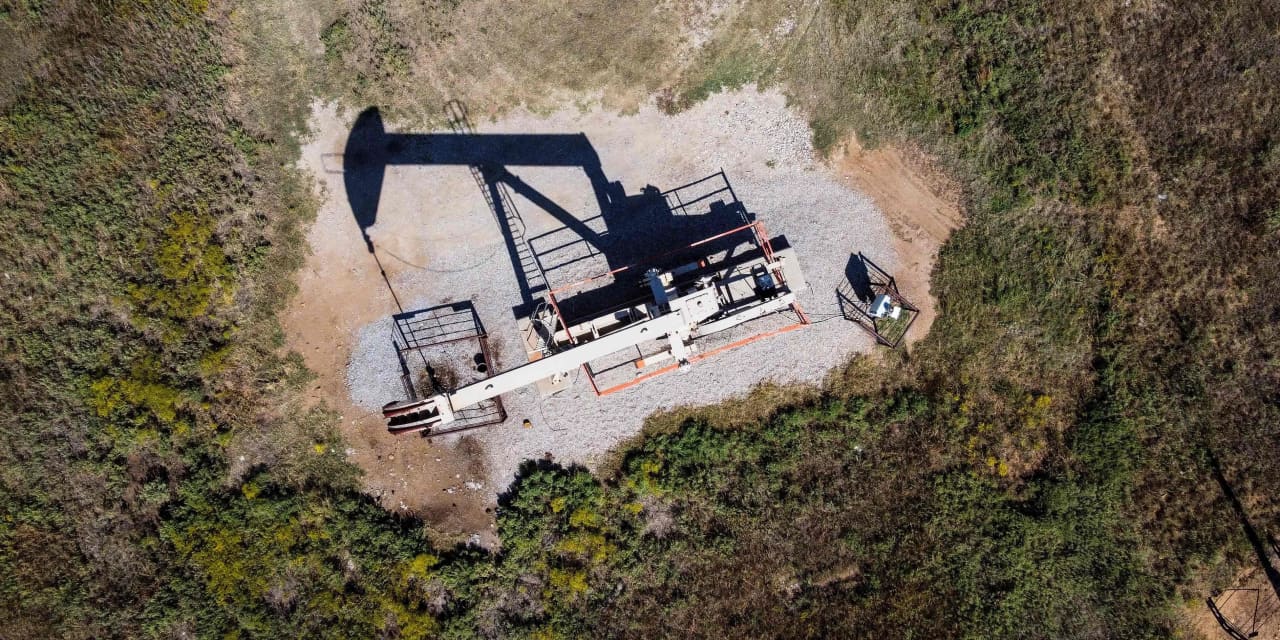
- Significant Contract Award: Baker Hughes (BKR) announced on Thursday that it has secured a 'significant' contract from the Eni-BP joint venture Azule Energy to provide subsea production systems for the Greater PAJ development, reinforcing its role in one of Angola's largest new deepwater projects.
- Scope of Equipment Supply: The contract encompasses the supply of deepwater horizontal subsea tree systems, subsea control modules, intervention workover control systems, and associated connection, distribution, and topside equipment, along with installation, commissioning, and production support services, showcasing Baker Hughes' comprehensive service capabilities in Angola.
- Project Overview: The Greater PAJ is a greenfield ultra-deepwater development spanning Blocks 31 and 31/21 offshore Angola, expected to commence first oil production in 2029 via a new floating production, storage, and offloading vessel designed to process up to 95,000 barrels per day.
- Utilization of Manufacturing Capabilities: Baker Hughes stated that the project will leverage its existing manufacturing and service capabilities in Angola, where it maintains the largest installed subsea equipment base in Sub-Saharan Africa, further enhancing its competitive position in the market.
See More
Baker Hughes Secures Subsea Contract from Azule Energy
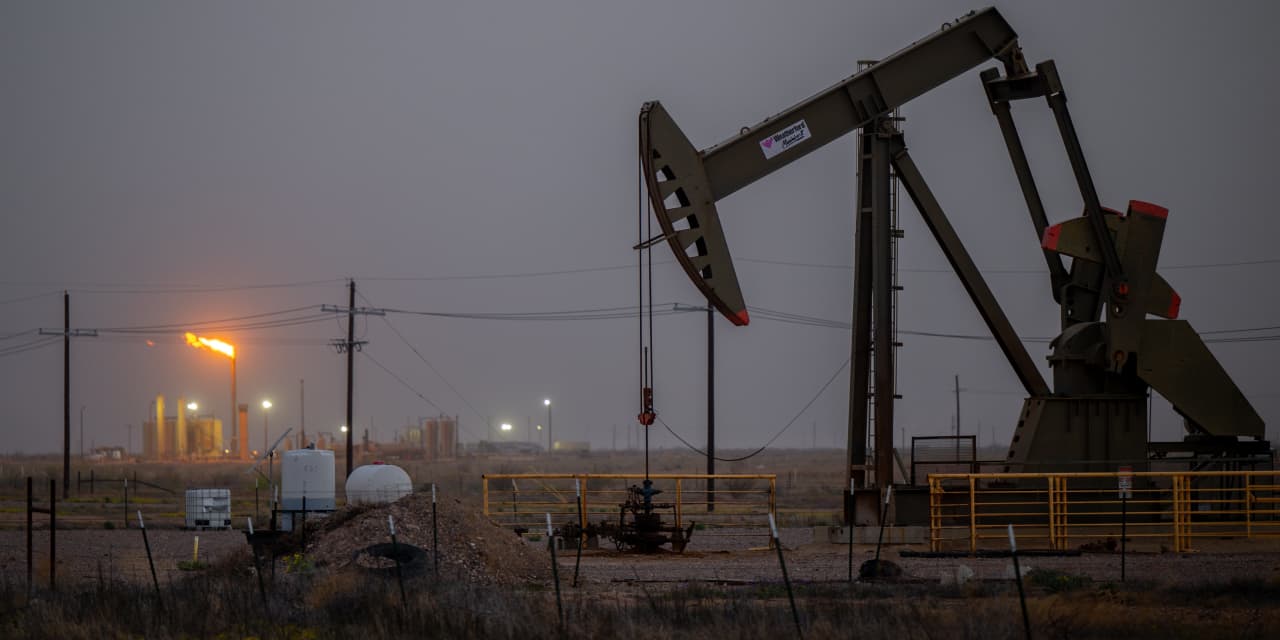
- Contract Award: Baker Hughes Company has secured a contract from Azule Energy to provide subsea production systems for Angola's Greater PAJ development, and while financial details remain undisclosed, this partnership signifies the company's expansion in deepwater technology.
- Deepwater Technology Application: Under the agreement, Baker Hughes will supply its deep water horizontal tree systems aimed at optimizing production efficiency in ultra-deepwater greenfield developments, while also providing integrated tooling and services to support installation, commissioning, and ongoing production performance, showcasing its advantages in the local supply chain.
- Technical Specifications: The deep water horizontal tree systems from Baker Hughes are engineered for ultra-deepwater environments with an operating threshold of up to 10,000 psi and depths of 10,000 feet, enhancing its competitive edge in high-demand markets with stringent operational requirements.
- Delivery Timeline: The delivery of subsea trees is expected to commence in 2027, providing Baker Hughes ample time to optimize production processes and ensure the successful implementation of the project.
See More
Kodiak and Baker Hughes Forge Strategic Agreement for Power Generation
- Strategic Agreement Signed: Kodiak Gas Services and Baker Hughes have entered into a multi-year strategic agreement aimed at supporting Kodiak's expansion of energy infrastructure, with an initial equipment award enabling approximately 1 gigawatt of power generation capacity to be delivered by 2030, showcasing the potential for deep collaboration in the energy sector.
- Equipment Order Details: The initial order includes NovaLT™16 gas turbines, Frame 5 gas turbines, and BRUSH™ Power Generation generators, which will provide core technologies to deliver reliable power for the growing demand in data centers and energy infrastructure, addressing the urgent market need for flexible power solutions.
- Market Demand Response: As the rapid expansion of digital infrastructure and data centers drives electricity demand, Baker Hughes' high-efficiency power generation technologies will help customers bring new capacity online faster, thereby supporting the critical buildout of digital and energy infrastructure and enhancing market competitiveness.
- Flexible Collaboration Framework: The agreement provides capacity commitments aligned with evolving data center demands and phased project development schedules, fostering commercial and technical collaboration between the companies, streamlining project execution, and reducing lead times for critical power infrastructure deployments.
See More
US Stocks Close Lower as Chipmakers Weigh on Market
- Market Decline: On Tuesday, the S&P 500 index fell by 0.45%, the Dow Jones Industrial Average dropped by 0.25%, and the Nasdaq 100 index decreased by 1.77%, indicating a broader market decline under pressure from a selloff in chipmakers, reflecting investor concerns over high valuations.
- Samsung's Earnings Disappointment: Despite Samsung Electronics reporting a 19-fold profit surge, its stock plummeted over 8% in South Korea, suggesting market skepticism regarding the future profitability of the semiconductor sector, which could impact investor confidence in related companies.
- Geopolitical Risks Heightened: Crude oil prices surged to a 1.5-week high due to attacks on shipping in the Strait of Hormuz, raising inflation expectations and pushing bond yields higher, with the 10-year T-note yield reaching a 3.5-week high of 4.54%, adding uncertainty to the market.
- Strength in Software Stocks: Despite the overall market pressure, strong performance in software stocks indicates a rotation of funds into other sectors, with companies like Workday seeing stock price increases of over 4%, providing some support for the market.
See More
Baker Hughes Stock Enters Oversold Territory
- Oversold Indicator Analysis: Baker Hughes' Relative Strength Index (RSI) has dropped to 27.8, below the oversold threshold of 30, indicating that recent selling pressure may be nearing exhaustion, thus providing potential buying opportunities for investors.
- Increased Dividend Yield: Based on the current share price of $55.50, Baker Hughes' annualized dividend of $0.92 translates to an annual yield of 1.66%, creating a more attractive investment environment for dividend-seeking investors.
- Market Comparison Analysis: Compared to the average RSI of 57.2 for other dividend stocks, Baker Hughes' significantly lower RSI suggests that its stock may be undervalued, drawing interest from value-focused investors.
- Importance of Dividend History: While dividends are not always predictable, analyzing Baker Hughes' dividend history can assist investors in assessing the sustainability of future dividends, enabling more informed investment decisions.
See More
Baker Hughes to Announce Q2 2026 Results
- Earnings Announcement Schedule: Baker Hughes will release its Q2 2026 earnings report on July 26, 2026, at 5 p.m. ET, which is expected to provide critical financial data and operational performance insights, aiding investors in assessing the company's financial health.
- Webcast Timing: Following the earnings release, Baker Hughes will host a webcast on July 27, 2026, at 9:30 a.m. ET, where management will discuss the earnings report and answer investor questions, enhancing transparency and investor confidence.
- Access Method: Investors can access the webcast via the Baker Hughes website, ensuring timely information delivery and convenient access, further improving interaction between the company and its investors.
- Company Background: Baker Hughes is a global energy technology company operating in over 120 countries, dedicated to providing safe, clean, and efficient energy solutions, showcasing its leadership and innovation in the energy sector.
See More
Baker Hughes Secures Major Contract for Angola's Greater PAJ Development
- Significant Contract Award: Baker Hughes (BKR) announced on Thursday that it has secured a 'significant' contract from the Eni-BP joint venture Azule Energy to provide subsea production systems for the Greater PAJ development, reinforcing its role in one of Angola's largest new deepwater projects.
- Scope of Equipment Supply: The contract encompasses the supply of deepwater horizontal subsea tree systems, subsea control modules, intervention workover control systems, and associated connection, distribution, and topside equipment, along with installation, commissioning, and production support services, showcasing Baker Hughes' comprehensive service capabilities in Angola.
- Project Overview: The Greater PAJ is a greenfield ultra-deepwater development spanning Blocks 31 and 31/21 offshore Angola, expected to commence first oil production in 2029 via a new floating production, storage, and offloading vessel designed to process up to 95,000 barrels per day.
- Utilization of Manufacturing Capabilities: Baker Hughes stated that the project will leverage its existing manufacturing and service capabilities in Angola, where it maintains the largest installed subsea equipment base in Sub-Saharan Africa, further enhancing its competitive position in the market.
See More
Baker Hughes Secures Subsea Contract from Azule Energy
- Contract Award: Baker Hughes Company has secured a contract from Azule Energy to provide subsea production systems for Angola's Greater PAJ development, and while financial details remain undisclosed, this partnership signifies the company's expansion in deepwater technology.
- Deepwater Technology Application: Under the agreement, Baker Hughes will supply its deep water horizontal tree systems aimed at optimizing production efficiency in ultra-deepwater greenfield developments, while also providing integrated tooling and services to support installation, commissioning, and ongoing production performance, showcasing its advantages in the local supply chain.
- Technical Specifications: The deep water horizontal tree systems from Baker Hughes are engineered for ultra-deepwater environments with an operating threshold of up to 10,000 psi and depths of 10,000 feet, enhancing its competitive edge in high-demand markets with stringent operational requirements.
- Delivery Timeline: The delivery of subsea trees is expected to commence in 2027, providing Baker Hughes ample time to optimize production processes and ensure the successful implementation of the project.
See More