Tanzania's Gold Investment Soars to $9.79 Billion
Written by Emily J. Thompson, Senior Investment Analyst
Updated: Apr 23 2026
0mins


Source: Globenewswire
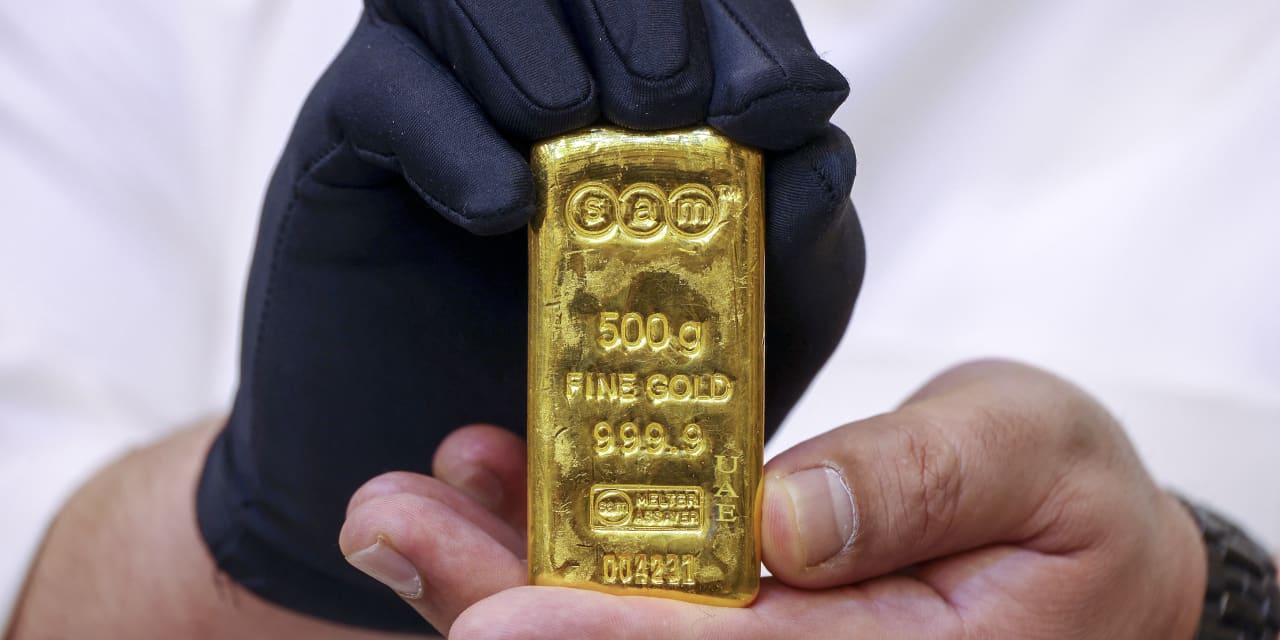
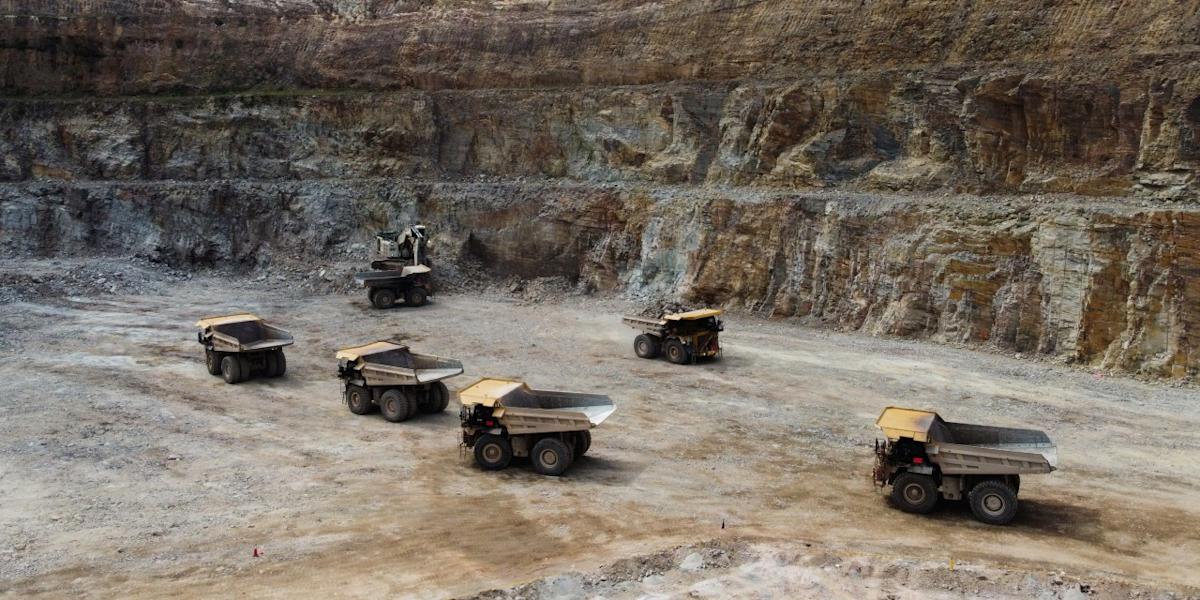
- Surge in Gold Investment: In 2024, Tanzania's mining investment reached $9.79 billion, accounting for nearly 75% of all foreign capital inflows into key sectors, indicating the country's emergence on the global gold map and attracting significant international investment.
- Central Bank Gold Buying Outlook: The World Gold Council anticipates that central banks will purchase approximately 850 tonnes of gold in 2026, maintaining last year's elevated levels, which supports price stability for developers already in the construction phase, thereby reinforcing market confidence.
- Financing Accelerates Project Development: Lake Victoria Gold secured a gold loan facility worth up to $25 million, with a non-dilutive structure that will support the development of its Imwelo Gold Project, with the CEO stating that the financing will expedite on-ground work and engineering progress.
- Government Support and Collaboration: The Tanzanian government has begun incorporating its statutory 16% free carried interest, while Lake Victoria Gold is finalizing an agreement with Nyati Resources for toll milling at the Tembo project, which is expected to generate early cash flow and reduce capital expenditure risks.
Trade with 70% Backtested Accuracy
Stop guessing "Should I Buy GFI?" and start using high-conviction signals backed by rigorous historical data.
Sign up today to access powerful investing tools and make smarter, data-driven decisions.
Analyst Views on GFI
Wall Street analysts forecast GFI stock price to rise
7 Analyst Rating
4 Buy
3 Hold
0 Sell
Moderate Buy
Current: 38.890

Low
39.00
Averages
51.00
High
64.00
Current: 38.890
Low
39.00
Averages
51.00
High
64.00
About GFI
Gold Fields Limited is a globally diversified gold producer with approximately nine operating mines in Australia, South Africa, Ghana, Chile and Peru and one project in Canada. The Company is involved in underground and surface gold and surface copper mining and silver and related activities, including exploration, extraction, processing and smelting. It has a total attributable annual gold-equivalent production of over 2.30 million ounces (Moz), gold mineral reserves of 44.6 Moz and gold mineral resources of 30.3 Moz (excluding mineral resources). In Peru, the Company also produces copper. Its economic interest in the South Deep mine in South Africa is 96.43%. It also owns 100% of the St Ives, Agnew, Granny Smith mines and around 50% of the Gruyere gold mine in Australia, and 90.0% of the Tarkwa and Damang mines in Ghana and 45% of the Asanko mine in Ghana. It owns 99.5% of the Cerro Corona mine in Peru. It also has 100% ownership of the Windfall Project in Canada’s Quebec province.
About the author

Emily J. Thompson
Emily J. Thompson, a Chartered Financial Analyst (CFA) with 12 years in investment research, graduated with honors from the Wharton School. Specializing in industrial and technology stocks, she provides in-depth analysis for Intellectia’s earnings and market brief reports.
GFI Stock Performance Analysis Amid Analyst Sentiment
- Market Rebound: GFI stock is up approximately 8.6% by midday Monday, indicating optimistic investor sentiment regarding its future performance, despite lower analyst ratings suggesting potential for a rebound.
- Comparative Analysis: Compared to peers like Newmont Corp (up about 5.3%) and Barrick Mining Corp (up about 5.2%), GFI's performance stands out, showcasing its relative strength within the precious metals sector.
- Investor Sentiment: The low analyst ratings for GFI do not necessarily imply that investors should overlook its potential upside, as this situation may present contrarian investors with opportunities for gains.
- Industry Trends: GFI's performance aligns with broader market trends in the precious metals sector, reflecting ongoing investor interest that could drive future growth potential.
See More
Amazon's Logistics Expansion Hits Freight Stocks Hard

- Freight Stocks Decline: Amazon's announcement to open its less-than-truckload shipping services to external companies led to a 5% drop in FedEx Freight and Old Dominion Freight Line, and a 4% decline in XPO, indicating a significant threat to industry incumbents and potential market share erosion.
- Super Micro Stock Plunge: Super Micro Computer's plan to raise $7 billion through equity and equity-linked securities to cover hardware component costs resulted in an 18% stock drop, reflecting market concerns over its financing strategy and potential long-term implications for growth.
- Energy Stocks Rally: Devon Energy's stock surged over 6% after Evercore ISI upgraded its rating to outperform, following a better-than-expected mid-month update post the $58 billion acquisition of Coterra Energy, showcasing strong performance in the oil and gas sector.
- Restaurant Stocks Surge: Cracker Barrel's stock soared 24% after raising its full-year revenue and adjusted EBITDA guidance, reporting fiscal Q3 earnings of $0.29 per share on $797.4 million in revenue, exceeding analyst expectations and indicating robust business recovery.
See More
Super Micro Computer Plans $7 Billion Equity Financing

- Super Micro Financing Plan: Super Micro Computer announced plans to raise $7 billion through equity-related deals to cover hardware component costs, resulting in a 12% drop in stock price, indicating market concerns about its financial health.
- Cracker Barrel Earnings Beat: Cracker Barrel reported earnings of $0.29 per share and revenue of $797.4 million in Q3, exceeding analyst expectations of a $0.48 loss and $776.7 million in revenue, leading to an 11% stock increase, showcasing its business recovery potential.
- Nike Downgrade: RBC downgraded Nike's stock from outperform to sector perform, citing a slower and narrower turnaround than anticipated, which caused a nearly 2% decline in stock price, reflecting market worries about its future growth.
- Chewy Strong Performance: Chewy's Q1 adjusted EBITDA reached $253.1 million, surpassing the $241.6 million expected by analysts, with revenue of $3.36 billion slightly above the $3.35 billion consensus, resulting in a 4% stock increase, demonstrating its competitiveness in the pet retail market.
See More

Gold Fields Q1 Revenue Surges 67.6% Year-on-Year
- Significant Revenue Growth: Gold Fields reported Q1 revenue of $4.86 billion, reflecting a robust 67.6% year-on-year increase, which is likely to enhance investor confidence in the company's market position.
- Substantial Debt Reduction: As of March 31, 2026, net debt decreased by 34% year-on-year to $1.304 billion, improving financial flexibility and capacity for future investments.
- Stable Production and Cost Guidance: The company maintains its 2026 production and cost guidance, expecting attributable gold-equivalent production between 2.40Moz and 2.60Moz, ensuring stable performance expectations for investors.
- Capital Expenditure Plans: Total capital expenditure for 2026 is projected to be between $1.9 billion and $2.1 billion, with sustaining capital expenditure expected between $1.3 billion and $1.4 billion, supporting long-term growth strategies and optimizing resource allocation.
See More
Gold Fields Maintains Full-Year Guidance Amid Rising Oil Costs
- Cost Pressure Intensifies: Gold Fields reported that since the outbreak of conflict in the Middle East, diesel costs have surged between 30% and 70%, which could hinder its ability to meet cost expectations, particularly if oil prices exceed $100 per barrel.
- Rising LNG Prices: The company noted that liquefied natural gas prices have also increased by approximately 30%, further exacerbating operational costs and potentially impacting profitability and cash flow.
- Cost-Saving Measures Initiated: In response to the escalating costs, Gold Fields has initiated a series of cost-saving measures aimed at reducing operational expenditures and maintaining financial stability.
- Market Outlook Uncertain: While the company has upheld its full-year guidance, the ongoing rise in oil prices may affect its future production plans and profit expectations, increasing market uncertainty.
See More
GOLD FIELDS LTD: KEY COMMODITY PRICES HAVE RISEN SHARPLY SINCE THE START OF THE IRAN WAR.
Significant Commodity Increases: There have been notable increases in several key commodities since the commencement of the Iran war.
Impact on Markets: The rising prices of these commodities are likely affecting global markets and economic conditions.
See More
GFI Stock Performance Analysis Amid Analyst Sentiment
- Market Rebound: GFI stock is up approximately 8.6% by midday Monday, indicating optimistic investor sentiment regarding its future performance, despite lower analyst ratings suggesting potential for a rebound.
- Comparative Analysis: Compared to peers like Newmont Corp (up about 5.3%) and Barrick Mining Corp (up about 5.2%), GFI's performance stands out, showcasing its relative strength within the precious metals sector.
- Investor Sentiment: The low analyst ratings for GFI do not necessarily imply that investors should overlook its potential upside, as this situation may present contrarian investors with opportunities for gains.
- Industry Trends: GFI's performance aligns with broader market trends in the precious metals sector, reflecting ongoing investor interest that could drive future growth potential.
See More
Amazon's Logistics Expansion Hits Freight Stocks Hard
- Freight Stocks Decline: Amazon's announcement to open its less-than-truckload shipping services to external companies led to a 5% drop in FedEx Freight and Old Dominion Freight Line, and a 4% decline in XPO, indicating a significant threat to industry incumbents and potential market share erosion.
- Super Micro Stock Plunge: Super Micro Computer's plan to raise $7 billion through equity and equity-linked securities to cover hardware component costs resulted in an 18% stock drop, reflecting market concerns over its financing strategy and potential long-term implications for growth.
- Energy Stocks Rally: Devon Energy's stock surged over 6% after Evercore ISI upgraded its rating to outperform, following a better-than-expected mid-month update post the $58 billion acquisition of Coterra Energy, showcasing strong performance in the oil and gas sector.
- Restaurant Stocks Surge: Cracker Barrel's stock soared 24% after raising its full-year revenue and adjusted EBITDA guidance, reporting fiscal Q3 earnings of $0.29 per share on $797.4 million in revenue, exceeding analyst expectations and indicating robust business recovery.
See More
Super Micro Computer Plans $7 Billion Equity Financing
- Super Micro Financing Plan: Super Micro Computer announced plans to raise $7 billion through equity-related deals to cover hardware component costs, resulting in a 12% drop in stock price, indicating market concerns about its financial health.
- Cracker Barrel Earnings Beat: Cracker Barrel reported earnings of $0.29 per share and revenue of $797.4 million in Q3, exceeding analyst expectations of a $0.48 loss and $776.7 million in revenue, leading to an 11% stock increase, showcasing its business recovery potential.
- Nike Downgrade: RBC downgraded Nike's stock from outperform to sector perform, citing a slower and narrower turnaround than anticipated, which caused a nearly 2% decline in stock price, reflecting market worries about its future growth.
- Chewy Strong Performance: Chewy's Q1 adjusted EBITDA reached $253.1 million, surpassing the $241.6 million expected by analysts, with revenue of $3.36 billion slightly above the $3.35 billion consensus, resulting in a 4% stock increase, demonstrating its competitiveness in the pet retail market.
See More
Gold Fields Q1 Revenue Surges 67.6% Year-on-Year
- Significant Revenue Growth: Gold Fields reported Q1 revenue of $4.86 billion, reflecting a robust 67.6% year-on-year increase, which is likely to enhance investor confidence in the company's market position.
- Substantial Debt Reduction: As of March 31, 2026, net debt decreased by 34% year-on-year to $1.304 billion, improving financial flexibility and capacity for future investments.
- Stable Production and Cost Guidance: The company maintains its 2026 production and cost guidance, expecting attributable gold-equivalent production between 2.40Moz and 2.60Moz, ensuring stable performance expectations for investors.
- Capital Expenditure Plans: Total capital expenditure for 2026 is projected to be between $1.9 billion and $2.1 billion, with sustaining capital expenditure expected between $1.3 billion and $1.4 billion, supporting long-term growth strategies and optimizing resource allocation.
See More
Gold Fields Maintains Full-Year Guidance Amid Rising Oil Costs
- Cost Pressure Intensifies: Gold Fields reported that since the outbreak of conflict in the Middle East, diesel costs have surged between 30% and 70%, which could hinder its ability to meet cost expectations, particularly if oil prices exceed $100 per barrel.
- Rising LNG Prices: The company noted that liquefied natural gas prices have also increased by approximately 30%, further exacerbating operational costs and potentially impacting profitability and cash flow.
- Cost-Saving Measures Initiated: In response to the escalating costs, Gold Fields has initiated a series of cost-saving measures aimed at reducing operational expenditures and maintaining financial stability.
- Market Outlook Uncertain: While the company has upheld its full-year guidance, the ongoing rise in oil prices may affect its future production plans and profit expectations, increasing market uncertainty.
See More
GOLD FIELDS LTD: KEY COMMODITY PRICES HAVE RISEN SHARPLY SINCE THE START OF THE IRAN WAR.
Significant Commodity Increases: There have been notable increases in several key commodities since the commencement of the Iran war.
Impact on Markets: The rising prices of these commodities are likely affecting global markets and economic conditions.
See More