Surge in Options Trading Volume for Carvana and Pulmonx
Written by Emily J. Thompson, Senior Investment Analyst
Updated: Mar 06 2026
0mins


Source: NASDAQ.COM
- Carvana Options Volume: Carvana Co (CVNA) saw an options trading volume of 29,939 contracts today, representing approximately 3 million shares, or about 62.1% of its average daily trading volume of 4.8 million shares over the past month, indicating strong market interest in CVNA.
- High-Frequency Trading Insight: Notably, the $300 strike put option has seen 2,073 contracts traded today, representing around 207,300 shares of CVNA, suggesting an increased bearish sentiment among investors regarding future price declines.
- Pulmonx Options Activity: Concurrently, Pulmonx Corp (LUNG) recorded an options trading volume of 2,728 contracts, equivalent to approximately 272,800 shares, or about 60.5% of its average daily trading volume of 450,930 shares over the past month, indicating investor interest in this company as well.
- Market Trend Observation: The $1.50 strike put option for LUNG has seen a trading volume of 1,351 contracts today, representing approximately 135,100 shares, reflecting a cautious sentiment among investors regarding its future performance, potentially preparing for price volatility.
Trade with 70% Backtested Accuracy
Stop guessing "Should I Buy DAL?" and start using high-conviction signals backed by rigorous historical data.
Sign up today to access powerful investing tools and make smarter, data-driven decisions.
Analyst Views on DAL
Wall Street analysts forecast DAL stock price to rise
18 Analyst Rating
18 Buy
0 Hold
0 Sell
Strong Buy
Current: 75.650

Low
77.00
Averages
83.50
High
90.00
Current: 75.650
Low
77.00
Averages
83.50
High
90.00
About DAL
Delta Air Lines, Inc. provides scheduled air transportation for passengers and cargo throughout the United States and around the world. The Company has hubs and markets in Amsterdam, Atlanta, Bogota, Boston, Detroit, Lima, London-Heathrow, Los Angeles, Mexico City, Minneapolis-St. Paul, New York-JFK and LaGuardia, Paris-Charles de Gaulle, Salt Lake City, Santiago (Chile), Sao Paulo, Seattle, Seoul-Incheon, and Tokyo. Its segments include Airline and Refinery. Its airline segment is managed as a single business unit that provides scheduled air transportation for passengers and cargo throughout the United States and around the world and includes its loyalty program, as well as other ancillary businesses. Its refinery segment operates for the benefit of the airline segment by providing jet fuel to the airline segment from its own production and through jet fuel obtained through agreements with third parties. The refinery's production consists of jet fuel as well as non-jet fuel products.
About the author

Emily J. Thompson
Emily J. Thompson, a Chartered Financial Analyst (CFA) with 12 years in investment research, graduated with honors from the Wharton School. Specializing in industrial and technology stocks, she provides in-depth analysis for Intellectia’s earnings and market brief reports.

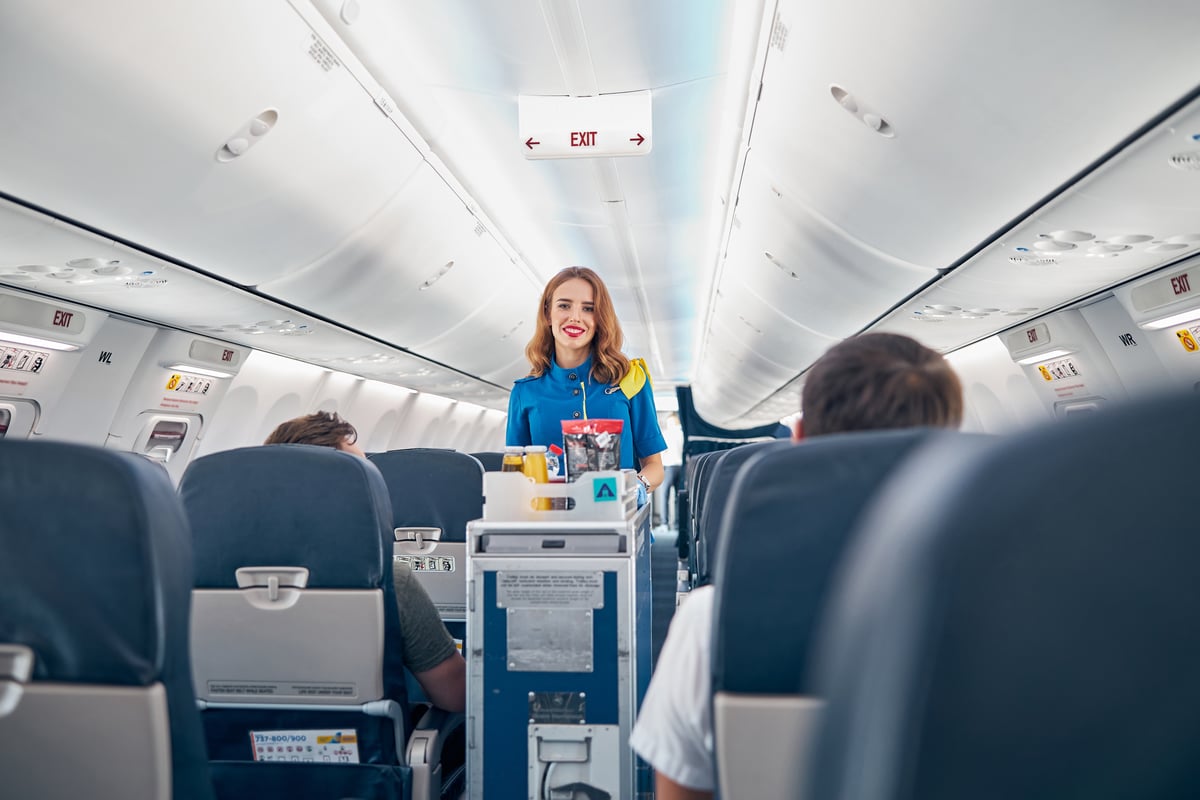
Berkshire Acquires Delta Airlines Stock Amid Oil Price Shock

- Oil Price Shock Context: The first quarter of 2026 saw the U.S. go to war with Iran, causing a spike in oil prices that pressured airlines with high fuel costs, yet Delta Airlines demonstrated relative resilience, making it a target for Berkshire's investment.
- Berkshire's Investment Decision: Following Warren Buffett's delegation of investment decisions to Greg Abel, Abel established a $2.65 billion position in Delta during Q1, reflecting confidence in the airline's long-term prospects amidst market volatility.
- Refinery Advantage: Delta's acquisition of an oil refinery in 2012 provides a competitive edge against high fuel prices, with the refining segment generating $38 million and $157 million in operating income in 2024 and 2025, respectively, offsetting some fuel costs.
- Market Consolidation Expectations: CEO Ed Bastian anticipates that rising fuel prices will lead to significant structural reforms in the industry, potentially forcing weaker competitors out of the market, thereby enhancing Delta's market share and leadership position.
See More
Buffett Hands Over to Abel, Increases Delta Air Lines Stake
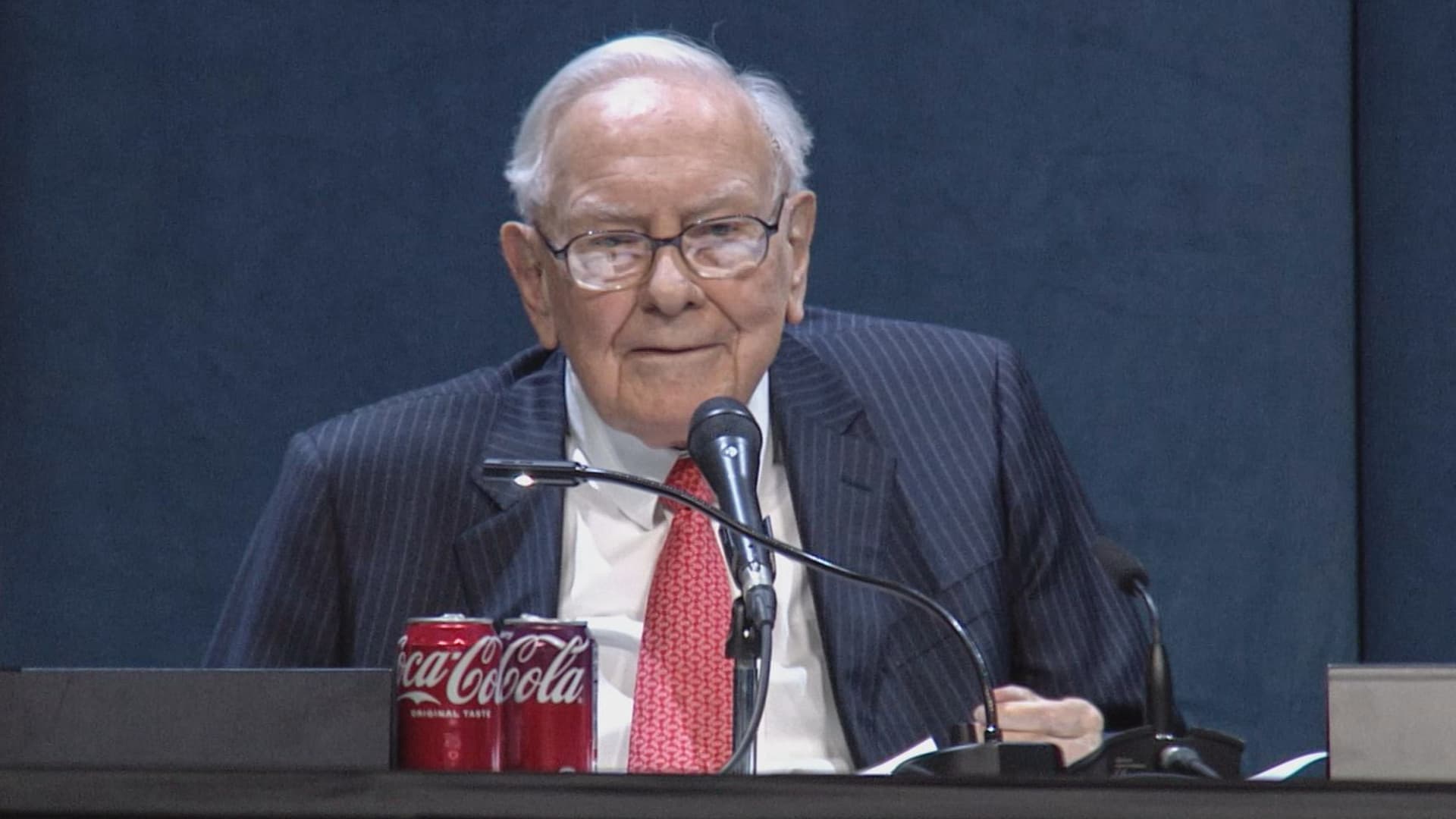
- Decision-Making Transition: In Q1 2026, Warren Buffett transferred investment decision-making authority at Berkshire Hathaway to Greg Abel, who increased the stake in Delta Air Lines to $2.65 billion, representing about 1% of Berkshire's portfolio.
- Impact of Oil Price Surge: The war with Iran caused jet fuel prices to nearly double in Q1, and despite the high fuel cost pressures on airlines, Abel's decision to buy Delta during stock declines reflects confidence in the company's resilience.
- Refinery Advantage: Delta's acquisition of an oil refinery in Pennsylvania has allowed it to offset fuel costs, reporting operating incomes of $38 million and $157 million in 2024 and 2025, respectively, and is expected to mitigate a $300 million increase in fuel costs in 2026.
- Market Consolidation Outlook: CEO Ed Bastian anticipates that rising fuel prices will lead to significant structural reforms in the airline industry, with weaker competitors potentially exiting the market, positioning Delta to capture greater market share and strengthen its leadership, aligning with Abel's long-term investment strategy.
See More
Berkshire Hathaway's Portfolio Update Raises Questions

- Portfolio Adjustment: Berkshire Hathaway's latest SEC 13F filing reveals a significant reduction in the number of stocks, indicating that new CEO Greg Abel may sell many of the stocks previously managed by Todd Combs, a change that, while unexpected, was not entirely surprising.
- Delta Airlines Reinvestment: Buffett's reinvestment in Delta Airlines after a six-year hiatus sees the holding's value increase from $2.6 billion to $3.0 billion, reflecting a 14.5% rise, showcasing Abel's early fondness for airline stocks, despite Buffett's non-involvement in this decision.
- Macy's Minor Stake: Buffett's investment in Macy's has grown from $55 million to $63 million, a 14.2% increase, although this position accounts for less than 0.02% of Berkshire's portfolio, indicating Buffett's ongoing interest in bargain-priced stocks and potential investment opportunities.
- Expansion in Japan: Berkshire continues to increase its stakes in Japan, with Mitsubishi's holding rising from 9.7% to 11.1% and Sumitomo's from 9.3% to 10.3%, suggesting that Abel's investment strategy in Japan is deepening, with the total value of six stocks nearing $46 billion.
See More

American Airlines Stock Rises on Lower Oil Prices and Strong Travel Demand
- Stock Price Increase: American Airlines Group's stock closed at $13.85, up 1.91%, primarily benefiting from lower oil prices and strong summer travel demand, indicating market confidence in the airline sector.
- Surge in Trading Volume: The trading volume reached 98.6 million shares, approximately 47% above the three-month average of 67.3 million shares, reflecting a significant increase in investor interest in the stock.
- New Routes Launch: The opening of four new routes and a Bank of America report indicating strong airline demand further boosted the stock price, suggesting optimistic market expectations for future growth.
- Industry Outlook: Despite the stock's rise, it is still down nearly 10% year-to-date, prompting investors to pay attention to CEO Robert Isom's remarks at the May 27 conference for insights on how the company plans to tackle challenges posed by high fuel costs.
See More

American Airlines Stock Rises on Lower Oil Prices and Strong Demand
- Stock Price Increase: American Airlines Group (AAL) shares rose by 1.91% to close at $13.85, primarily benefiting from lower oil prices and strong summer travel demand, indicating optimistic market sentiment towards the airline sector.
- Surge in Trading Volume: Today's trading volume reached 98.6 million shares, approximately 47% above the three-month average of 67.3 million shares, reflecting a significant increase in investor interest in the stock.
- Positive Industry Outlook: A Bank of America report indicates that airline demand remains strong, coupled with the opening of four new routes, further boosting the stock price and demonstrating the company's growing competitiveness in the market.
- Future Challenges: Despite the short-term stock price recovery, shares are still down nearly 10% year-to-date, prompting investors to monitor CEO Robert Isom's remarks at the May 27 conference for insights on the company's strategies to mitigate high fuel costs.
See More

Concerns Arise Over Buffett's Successor's Investment Strategy


- Portfolio Overhaul: Berkshire Hathaway exited 15 positions in Q1, reducing its stock count from 39 to 26, indicating CEO Abel's dissatisfaction with former manager's picks, which may impact the company's future investment strategy.
- Airline Investment Risks: Abel's $2.6 billion stake in Delta Airlines, acquiring over 6% of the company, contradicts Buffett's past criticisms of the airline industry's capital demands, potentially repeating historical investment mistakes and increasing risk exposure.
- Retail Sector Experiment: For the first time since 1966, Berkshire invested $55 million in Macy's, despite the retail sector's fierce competition and lack of moats, suggesting that the value of Macy's real estate portfolio may have attracted investor interest.
- Tech Stock Increase: Abel significantly boosted Berkshire's investment in Alphabet by approximately $10 billion, reflecting confidence in the AI sector, although his tripling of the stake in The New York Times raises concerns about high valuations in the media sector.
See More
Berkshire Acquires Delta Airlines Stock Amid Oil Price Shock
- Oil Price Shock Context: The first quarter of 2026 saw the U.S. go to war with Iran, causing a spike in oil prices that pressured airlines with high fuel costs, yet Delta Airlines demonstrated relative resilience, making it a target for Berkshire's investment.
- Berkshire's Investment Decision: Following Warren Buffett's delegation of investment decisions to Greg Abel, Abel established a $2.65 billion position in Delta during Q1, reflecting confidence in the airline's long-term prospects amidst market volatility.
- Refinery Advantage: Delta's acquisition of an oil refinery in 2012 provides a competitive edge against high fuel prices, with the refining segment generating $38 million and $157 million in operating income in 2024 and 2025, respectively, offsetting some fuel costs.
- Market Consolidation Expectations: CEO Ed Bastian anticipates that rising fuel prices will lead to significant structural reforms in the industry, potentially forcing weaker competitors out of the market, thereby enhancing Delta's market share and leadership position.
See More
Buffett Hands Over to Abel, Increases Delta Air Lines Stake
- Decision-Making Transition: In Q1 2026, Warren Buffett transferred investment decision-making authority at Berkshire Hathaway to Greg Abel, who increased the stake in Delta Air Lines to $2.65 billion, representing about 1% of Berkshire's portfolio.
- Impact of Oil Price Surge: The war with Iran caused jet fuel prices to nearly double in Q1, and despite the high fuel cost pressures on airlines, Abel's decision to buy Delta during stock declines reflects confidence in the company's resilience.
- Refinery Advantage: Delta's acquisition of an oil refinery in Pennsylvania has allowed it to offset fuel costs, reporting operating incomes of $38 million and $157 million in 2024 and 2025, respectively, and is expected to mitigate a $300 million increase in fuel costs in 2026.
- Market Consolidation Outlook: CEO Ed Bastian anticipates that rising fuel prices will lead to significant structural reforms in the airline industry, with weaker competitors potentially exiting the market, positioning Delta to capture greater market share and strengthen its leadership, aligning with Abel's long-term investment strategy.
See More
Berkshire Hathaway's Portfolio Update Raises Questions
- Portfolio Adjustment: Berkshire Hathaway's latest SEC 13F filing reveals a significant reduction in the number of stocks, indicating that new CEO Greg Abel may sell many of the stocks previously managed by Todd Combs, a change that, while unexpected, was not entirely surprising.
- Delta Airlines Reinvestment: Buffett's reinvestment in Delta Airlines after a six-year hiatus sees the holding's value increase from $2.6 billion to $3.0 billion, reflecting a 14.5% rise, showcasing Abel's early fondness for airline stocks, despite Buffett's non-involvement in this decision.
- Macy's Minor Stake: Buffett's investment in Macy's has grown from $55 million to $63 million, a 14.2% increase, although this position accounts for less than 0.02% of Berkshire's portfolio, indicating Buffett's ongoing interest in bargain-priced stocks and potential investment opportunities.
- Expansion in Japan: Berkshire continues to increase its stakes in Japan, with Mitsubishi's holding rising from 9.7% to 11.1% and Sumitomo's from 9.3% to 10.3%, suggesting that Abel's investment strategy in Japan is deepening, with the total value of six stocks nearing $46 billion.
See More
American Airlines Stock Rises on Lower Oil Prices and Strong Travel Demand
- Stock Price Increase: American Airlines Group's stock closed at $13.85, up 1.91%, primarily benefiting from lower oil prices and strong summer travel demand, indicating market confidence in the airline sector.
- Surge in Trading Volume: The trading volume reached 98.6 million shares, approximately 47% above the three-month average of 67.3 million shares, reflecting a significant increase in investor interest in the stock.
- New Routes Launch: The opening of four new routes and a Bank of America report indicating strong airline demand further boosted the stock price, suggesting optimistic market expectations for future growth.
- Industry Outlook: Despite the stock's rise, it is still down nearly 10% year-to-date, prompting investors to pay attention to CEO Robert Isom's remarks at the May 27 conference for insights on how the company plans to tackle challenges posed by high fuel costs.
See More
American Airlines Stock Rises on Lower Oil Prices and Strong Demand
- Stock Price Increase: American Airlines Group (AAL) shares rose by 1.91% to close at $13.85, primarily benefiting from lower oil prices and strong summer travel demand, indicating optimistic market sentiment towards the airline sector.
- Surge in Trading Volume: Today's trading volume reached 98.6 million shares, approximately 47% above the three-month average of 67.3 million shares, reflecting a significant increase in investor interest in the stock.
- Positive Industry Outlook: A Bank of America report indicates that airline demand remains strong, coupled with the opening of four new routes, further boosting the stock price and demonstrating the company's growing competitiveness in the market.
- Future Challenges: Despite the short-term stock price recovery, shares are still down nearly 10% year-to-date, prompting investors to monitor CEO Robert Isom's remarks at the May 27 conference for insights on the company's strategies to mitigate high fuel costs.
See More
Concerns Arise Over Buffett's Successor's Investment Strategy
- Portfolio Overhaul: Berkshire Hathaway exited 15 positions in Q1, reducing its stock count from 39 to 26, indicating CEO Abel's dissatisfaction with former manager's picks, which may impact the company's future investment strategy.
- Airline Investment Risks: Abel's $2.6 billion stake in Delta Airlines, acquiring over 6% of the company, contradicts Buffett's past criticisms of the airline industry's capital demands, potentially repeating historical investment mistakes and increasing risk exposure.
- Retail Sector Experiment: For the first time since 1966, Berkshire invested $55 million in Macy's, despite the retail sector's fierce competition and lack of moats, suggesting that the value of Macy's real estate portfolio may have attracted investor interest.
- Tech Stock Increase: Abel significantly boosted Berkshire's investment in Alphabet by approximately $10 billion, reflecting confidence in the AI sector, although his tripling of the stake in The New York Times raises concerns about high valuations in the media sector.
See More