

Strive U.S. Energy ETF Sees Insider Buying Index at 11.1%
Written by Emily J. Thompson, Senior Investment Analyst
Updated: Aug 20 2025
0mins


Source: NASDAQ.COM
Insider Buying Activity: The Strive U.S. Energy ETF (DRLL) has 11.1% of its weighted holdings showing insider buying in the past six months.
Expand Energy Corp Holdings: Expand Energy Corp (EXE), making up 2.22% of DRLL, has had two directors and officers purchase shares recently, totaling $5,642,382 in value.
Murphy USA Inc Holdings: Murphy USA Inc (MUSA), the #21 largest holding in DRLL, also saw two directors and officers filing for share purchases, with a total value of $1,878,630.
Disclaimer: The views expressed in the article are those of the author and do not necessarily reflect the opinions of Nasdaq, Inc.
Trade with 70% Backtested Accuracy
Stop guessing "Should I Buy MUSA?" and start using high-conviction signals backed by rigorous historical data.
Sign up today to access powerful investing tools and make smarter, data-driven decisions.
Analyst Views on MUSA
Wall Street analysts forecast MUSA stock price to fall
4 Analyst Rating
1 Buy
2 Hold
1 Sell
Hold
Current: 563.060

Low
340.00
Averages
409.50
High
463.00
Current: 563.060
Low
340.00
Averages
409.50
High
463.00
About MUSA
Murphy USA Inc. is a retailer of gasoline and convenience merchandise with more than 1,800 stores located primarily in the Southwest, Southeast, Midwest and Northeast United States. The Company has one operating segment, which is Marketing. The Marketing segment includes its retail marketing stores and product supply and wholesale assets. The majority of its existing and new-to-industry (NTI) retail gasoline stores operate under the brand names of Murphy USA and Murphy Express. The majority of Murphy USA's stores are located in proximity to Walmart Supercenters. The Company also markets gasoline and other products at standalone stores under the Murphy Express and QuickChek brands. The Company has a network of retail gasoline and convenience stores in approximately 27 states. In addition, it markets fuel to unbranded wholesale customers through a mixture of Company-owned and third-party product distribution terminals and pipeline positions.
About the author

Emily J. Thompson
Emily J. Thompson, a Chartered Financial Analyst (CFA) with 12 years in investment research, graduated with honors from the Wharton School. Specializing in industrial and technology stocks, she provides in-depth analysis for Intellectia’s earnings and market brief reports.
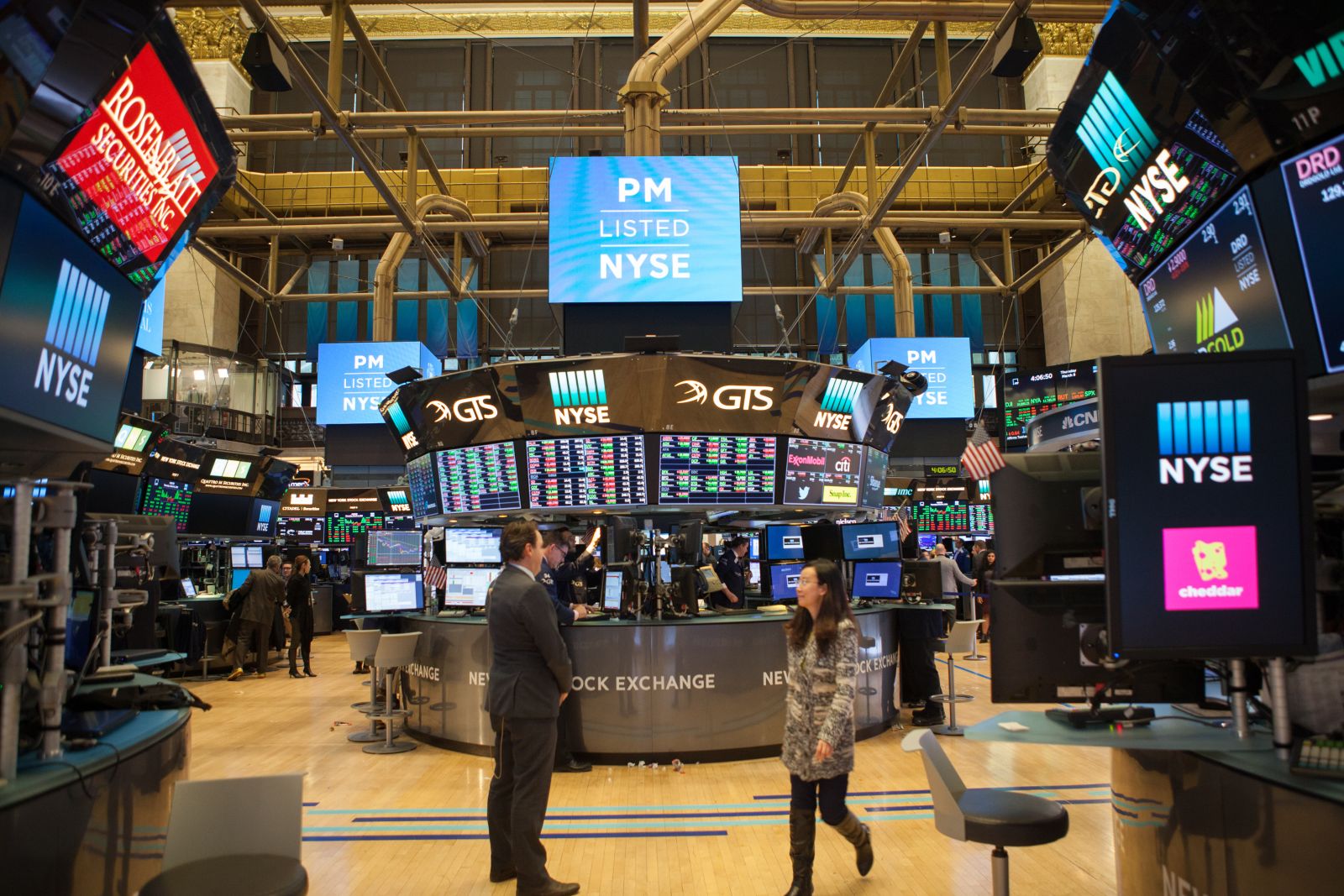
Mixed Performance in US Stocks, Led by Chipmakers


- Chipmaker Rally: Chipmakers and AI infrastructure stocks are leading the market today, with the iShares Semiconductor ETF (SOXX) up over 3%, and Advanced Micro Devices (AMD) and Western Digital (WDC) rising more than 9%, indicating a resurgence of confidence in tech stocks that could drive overall market gains.
- Service Sector Expansion: The US June ISM services index fell to 54.0, meeting expectations, and although the pace of growth has slowed, the employment sub-index rose to 51.2, surpassing the expected 48.2, suggesting that companies are still hiring amid easing cost pressures, potentially supporting economic growth.
- Strong Q2 Earnings Outlook: Bloomberg Intelligence forecasts a 23% increase in Q2 earnings, close to Q1's 30% growth, primarily driven by AI spending, which is expected to account for nearly 60% of S&P 500 earnings-per-share growth, providing an optimistic outlook for investors.
- International Market Volatility: While US markets show positive performance, overseas markets are generally declining, with the Euro Stoxx 50 down 0.43%, reflecting global economic uncertainties that may impact investor sentiment.
See More
US Stocks Show Mixed Movement, Led by Chipmakers
- Market Performance: The S&P 500 Index rose by 0.43% and the Nasdaq 100 Index increased by 1.17%, driven by strong performances from chipmakers and AI infrastructure stocks, reflecting heightened investor confidence in technology shares.
- Oil Price Impact: WTI crude oil prices fell by 0.5% as Saudi Arabia and the UAE ramped up shipments to near pre-war levels, which eased inflation expectations and led to a 2 basis point drop in the 10-year T-note yield to 4.46%, providing support for the bond market.
- Earnings Outlook: Bloomberg Intelligence forecasts a 23% increase in Q2 earnings, close to Q1's 30% growth, indicating that AI spending will be a major driver, expected to contribute nearly 60% to the S&P 500's earnings-per-share growth.
- International Market Dynamics: European stock markets are generally down, with Eurozone May retail sales rising 0.2% month-over-month, below the expected 0.3%, while German May factory orders increased by 1.9%, exceeding the expected 1.1%, indicating a mixed economic recovery.
See More

Cumberland Farms Files for IPO, Plans to List
- IPO Filing: Massachusetts-based convenience store chain Cumberland Farms has filed a registration statement with the U.S. Securities and Exchange Commission for a potential initial public offering, although the number of shares and price range have yet to be determined, marking a significant step towards accessing capital markets.
- Exchange Listing: The shares will trade on Nasdaq under the ticker symbol CMBY, which is expected to attract investor interest and enhance brand visibility while providing funding for future expansion initiatives.
- Historical Background: Founded in 1939 as a dairy farm in Rhode Island, Cumberland Farms opened its first convenience store in Bellingham, Massachusetts, 20 years later, and has since grown to 1,500 retail locations across New England and Florida, making it one of the fastest-growing convenience store chains in the U.S.
- Diversified Portfolio: In addition to Cumberland Farms, the parent company owns several brands including Certified Oil, Fastrac, and Kwik Shop, which provides a stable revenue stream and enhances its competitive position in the market.
See More

Latest Wall Street Rating Updates


- Abbott Labs Upgrade: Baird initiates coverage on Abbott Labs (ABT) with an outperform rating, projecting steady revenue and earnings growth of 6-8% over the next few years, bolstered by its leading position in the rapidly growing MedDevice market, enhancing the company's competitive edge.
- Murphy USA Upgrade: Jefferies upgrades Murphy USA (MUSA) from hold to buy, citing improving fuel margins that are expected to drive EBITDA outlook significantly higher by 20-25%, which will materially enhance the company's financial performance in the coming years.
- Abivax Upgrade: Jefferies raises Abivax (ABVX) to buy, noting strong data for its ulcerative colitis drug that alleviates key market concerns, which is likely to drive a rebound in the stock price.
- Talos Energy Upgrade: Roth upgrades Talos Energy (TALO) from neutral to buy, raising the price target by 6% to $17, based on its robust balance sheet and low production decline rates, indicating strong future growth potential.
See More
Capital One Initiates Coverage on Casey's and Murphy USA with Divergent Ratings
- Casey's Rating Analysis: Capital One Securities initiated an Equalweight rating on Casey's General Stores (CASY), noting that while the management team and self-distribution model are strong, market expectations are too high, with a razor-thin margin for error at current trading multiples, projecting only 8% to 10% EBITDA growth for FY27.
- EBITDA Growth Trend: Analysts highlighted that Casey's has experienced year-over-year quarterly EBITDA growth in the high teens, 20s, and 30s over the past few years, indicating that the market has become accustomed to this growth level, yet future guidance suggests a significant slowdown, which may impact investor confidence.
- Murphy USA Rating Upgrade: In contrast, Murphy USA (MUSA) received an Overweight rating from Capital One, with analysts believing that structural fuel margin gains from last year and early this year are not being fully recognized by the market, which should drive the durability and growth potential of the company's cash flows.
- Price Target Setting: Capital One set a price target of $896 for Casey's based on a 20x multiple applied to near-term adjusted EBITDA estimates, while Murphy USA's price target is set at $710, reflecting confidence in its low-cost retail operating model.
See More

Four Stocks Near 52-Week Highs with Growth Potential

- Murphy USA Growth Momentum: Murphy USA's first-quarter fuel contribution strengthened to $0.35 per gallon, with merchandise contribution rising by 7.3%, and management plans to open 45 to 55 new stores in 2026, indicating strong market expansion intentions.
- DaVita Performance Boost: DaVita raised its full-year adjusted operating income guidance to $2.15 to $2.25 billion, with first-quarter revenues reaching $3.42 billion, showcasing robust growth across its 3,262 centers worldwide.
- Hewlett Packard Business Expansion: Hewlett Packard expanded its ProLiant edge portfolio for AI and mission-critical workloads, achieving record revenues in the second quarter, prompting management to raise full-year revenue and EPS guidance, reflecting strong market demand.
- Vishay Operational Momentum: Vishay's first-quarter revenues reached $839.2 million with gross margin expanding to 21%, and management guided second-quarter revenues to $875 to $905 million, indicating sustained market demand and product innovation.
See More
Mixed Performance in US Stocks, Led by Chipmakers
- Chipmaker Rally: Chipmakers and AI infrastructure stocks are leading the market today, with the iShares Semiconductor ETF (SOXX) up over 3%, and Advanced Micro Devices (AMD) and Western Digital (WDC) rising more than 9%, indicating a resurgence of confidence in tech stocks that could drive overall market gains.
- Service Sector Expansion: The US June ISM services index fell to 54.0, meeting expectations, and although the pace of growth has slowed, the employment sub-index rose to 51.2, surpassing the expected 48.2, suggesting that companies are still hiring amid easing cost pressures, potentially supporting economic growth.
- Strong Q2 Earnings Outlook: Bloomberg Intelligence forecasts a 23% increase in Q2 earnings, close to Q1's 30% growth, primarily driven by AI spending, which is expected to account for nearly 60% of S&P 500 earnings-per-share growth, providing an optimistic outlook for investors.
- International Market Volatility: While US markets show positive performance, overseas markets are generally declining, with the Euro Stoxx 50 down 0.43%, reflecting global economic uncertainties that may impact investor sentiment.
See More
US Stocks Show Mixed Movement, Led by Chipmakers
- Market Performance: The S&P 500 Index rose by 0.43% and the Nasdaq 100 Index increased by 1.17%, driven by strong performances from chipmakers and AI infrastructure stocks, reflecting heightened investor confidence in technology shares.
- Oil Price Impact: WTI crude oil prices fell by 0.5% as Saudi Arabia and the UAE ramped up shipments to near pre-war levels, which eased inflation expectations and led to a 2 basis point drop in the 10-year T-note yield to 4.46%, providing support for the bond market.
- Earnings Outlook: Bloomberg Intelligence forecasts a 23% increase in Q2 earnings, close to Q1's 30% growth, indicating that AI spending will be a major driver, expected to contribute nearly 60% to the S&P 500's earnings-per-share growth.
- International Market Dynamics: European stock markets are generally down, with Eurozone May retail sales rising 0.2% month-over-month, below the expected 0.3%, while German May factory orders increased by 1.9%, exceeding the expected 1.1%, indicating a mixed economic recovery.
See More
Cumberland Farms Files for IPO, Plans to List
- IPO Filing: Massachusetts-based convenience store chain Cumberland Farms has filed a registration statement with the U.S. Securities and Exchange Commission for a potential initial public offering, although the number of shares and price range have yet to be determined, marking a significant step towards accessing capital markets.
- Exchange Listing: The shares will trade on Nasdaq under the ticker symbol CMBY, which is expected to attract investor interest and enhance brand visibility while providing funding for future expansion initiatives.
- Historical Background: Founded in 1939 as a dairy farm in Rhode Island, Cumberland Farms opened its first convenience store in Bellingham, Massachusetts, 20 years later, and has since grown to 1,500 retail locations across New England and Florida, making it one of the fastest-growing convenience store chains in the U.S.
- Diversified Portfolio: In addition to Cumberland Farms, the parent company owns several brands including Certified Oil, Fastrac, and Kwik Shop, which provides a stable revenue stream and enhances its competitive position in the market.
See More
Latest Wall Street Rating Updates
- Abbott Labs Upgrade: Baird initiates coverage on Abbott Labs (ABT) with an outperform rating, projecting steady revenue and earnings growth of 6-8% over the next few years, bolstered by its leading position in the rapidly growing MedDevice market, enhancing the company's competitive edge.
- Murphy USA Upgrade: Jefferies upgrades Murphy USA (MUSA) from hold to buy, citing improving fuel margins that are expected to drive EBITDA outlook significantly higher by 20-25%, which will materially enhance the company's financial performance in the coming years.
- Abivax Upgrade: Jefferies raises Abivax (ABVX) to buy, noting strong data for its ulcerative colitis drug that alleviates key market concerns, which is likely to drive a rebound in the stock price.
- Talos Energy Upgrade: Roth upgrades Talos Energy (TALO) from neutral to buy, raising the price target by 6% to $17, based on its robust balance sheet and low production decline rates, indicating strong future growth potential.
See More
Capital One Initiates Coverage on Casey's and Murphy USA with Divergent Ratings
- Casey's Rating Analysis: Capital One Securities initiated an Equalweight rating on Casey's General Stores (CASY), noting that while the management team and self-distribution model are strong, market expectations are too high, with a razor-thin margin for error at current trading multiples, projecting only 8% to 10% EBITDA growth for FY27.
- EBITDA Growth Trend: Analysts highlighted that Casey's has experienced year-over-year quarterly EBITDA growth in the high teens, 20s, and 30s over the past few years, indicating that the market has become accustomed to this growth level, yet future guidance suggests a significant slowdown, which may impact investor confidence.
- Murphy USA Rating Upgrade: In contrast, Murphy USA (MUSA) received an Overweight rating from Capital One, with analysts believing that structural fuel margin gains from last year and early this year are not being fully recognized by the market, which should drive the durability and growth potential of the company's cash flows.
- Price Target Setting: Capital One set a price target of $896 for Casey's based on a 20x multiple applied to near-term adjusted EBITDA estimates, while Murphy USA's price target is set at $710, reflecting confidence in its low-cost retail operating model.
See More
Four Stocks Near 52-Week Highs with Growth Potential
- Murphy USA Growth Momentum: Murphy USA's first-quarter fuel contribution strengthened to $0.35 per gallon, with merchandise contribution rising by 7.3%, and management plans to open 45 to 55 new stores in 2026, indicating strong market expansion intentions.
- DaVita Performance Boost: DaVita raised its full-year adjusted operating income guidance to $2.15 to $2.25 billion, with first-quarter revenues reaching $3.42 billion, showcasing robust growth across its 3,262 centers worldwide.
- Hewlett Packard Business Expansion: Hewlett Packard expanded its ProLiant edge portfolio for AI and mission-critical workloads, achieving record revenues in the second quarter, prompting management to raise full-year revenue and EPS guidance, reflecting strong market demand.
- Vishay Operational Momentum: Vishay's first-quarter revenues reached $839.2 million with gross margin expanding to 21%, and management guided second-quarter revenues to $875 to $905 million, indicating sustained market demand and product innovation.
See More





