SpaceX IPO Outlook and AI Investment Risks
Written by Emily J. Thompson, Senior Investment Analyst
Updated: 4 hours ago
0mins

Source: Fool
- IPO Anticipation: SpaceX's planned IPO on June 12 is one of the most awaited public debuts in years, drawing significant investor interest in its future growth potential.
- AI Investment Scale: The company allocated $12.7 billion to artificial intelligence, significantly exceeding the $3.8 billion spent on its space segment, indicating a strategic pivot towards AI despite the associated high risks.
- Operating Loss Comparison: SpaceX's operating loss in AI reached $6.3 billion, far surpassing the $657 million loss from its space operations, raising concerns about the financial implications of such an imbalance for potential investors.
- Market Outlook and Risks: While SpaceX estimates a total addressable market of $26.5 trillion for AI, the uncertainty surrounding its massive expenditures and the ability to capture a significant market share necessitates careful risk assessment by investors considering the IPO.
Trade with 70% Backtested Accuracy
Stop guessing "Should I Buy TSLA?" and start using high-conviction signals backed by rigorous historical data.
Sign up today to access powerful investing tools and make smarter, data-driven decisions.
Analyst Views on TSLA
Wall Street analysts forecast TSLA stock price to fall
30 Analyst Rating
12 Buy
11 Hold
7 Sell
Hold
Current: 442.100

Low
25.28
Averages
401.93
High
600.00
Current: 442.100
Low
25.28
Averages
401.93
High
600.00
About TSLA
Tesla, Inc. designs, develops, manufactures, sells and leases high-performance fully electric vehicles and energy generation and storage systems, and offers services related to its products. Its segments include automotive, and energy generation and storage. The automotive segment includes the design, development, manufacturing, sales and leasing of high-performance fully electric vehicles, and sales of automotive regulatory credits. It also includes sales of used vehicles, non-warranty maintenance services and collisions, part sales, paid supercharging, insurance services revenue and retail merchandise sales. The energy generation and storage segment include the design, manufacture, installation, sales and leasing of solar energy generation and energy storage products and related services and sales of solar energy systems incentives. Its consumer vehicles include the Model 3, Y, S, X and Cybertruck. Its lithium-ion battery energy storage products include Powerwall and Megapack.
About the author

Emily J. Thompson
Emily J. Thompson, a Chartered Financial Analyst (CFA) with 12 years in investment research, graduated with honors from the Wharton School. Specializing in industrial and technology stocks, she provides in-depth analysis for Intellectia’s earnings and market brief reports.
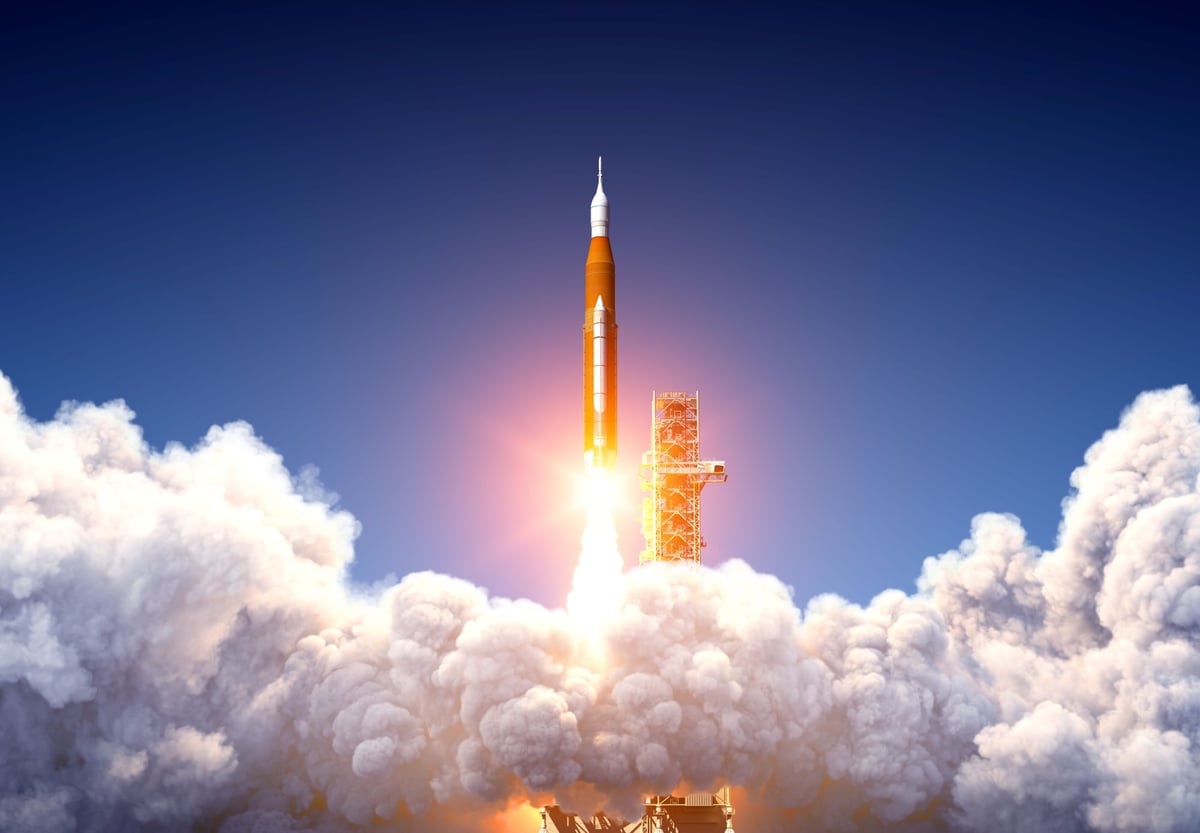
Analysis of SpaceX IPO Prospects and Investment Recommendations

- Profit Growth Highlight: Starlink, as the only profitable division of SpaceX, generated $11.4 billion in revenue in 2025, accounting for 61% of total company revenue, reflecting strong demand and profitability in the global high-speed internet market with a 50% year-over-year increase.
- Market Potential Assessment: SpaceX estimates that of its $28.5 trillion total addressable market, only $1.6 trillion pertains to connectivity, while the AI market represents a substantial $26.5 trillion, indicating that the primary growth driver for the company lies in the AI sector.
- Investment Risk Warning: Despite the potential IPO valuation of $1.5 trillion, SpaceX's core business remains focused on internet access, and current losses exceed profits, prompting investors to carefully evaluate the associated risks and returns.
- Strategic Recommendation: Given SpaceX's high valuation and insufficient profitability, it is advisable for investors to adopt a wait-and-see approach post-IPO, seeking a more attractive entry point to mitigate investment risks.
See More
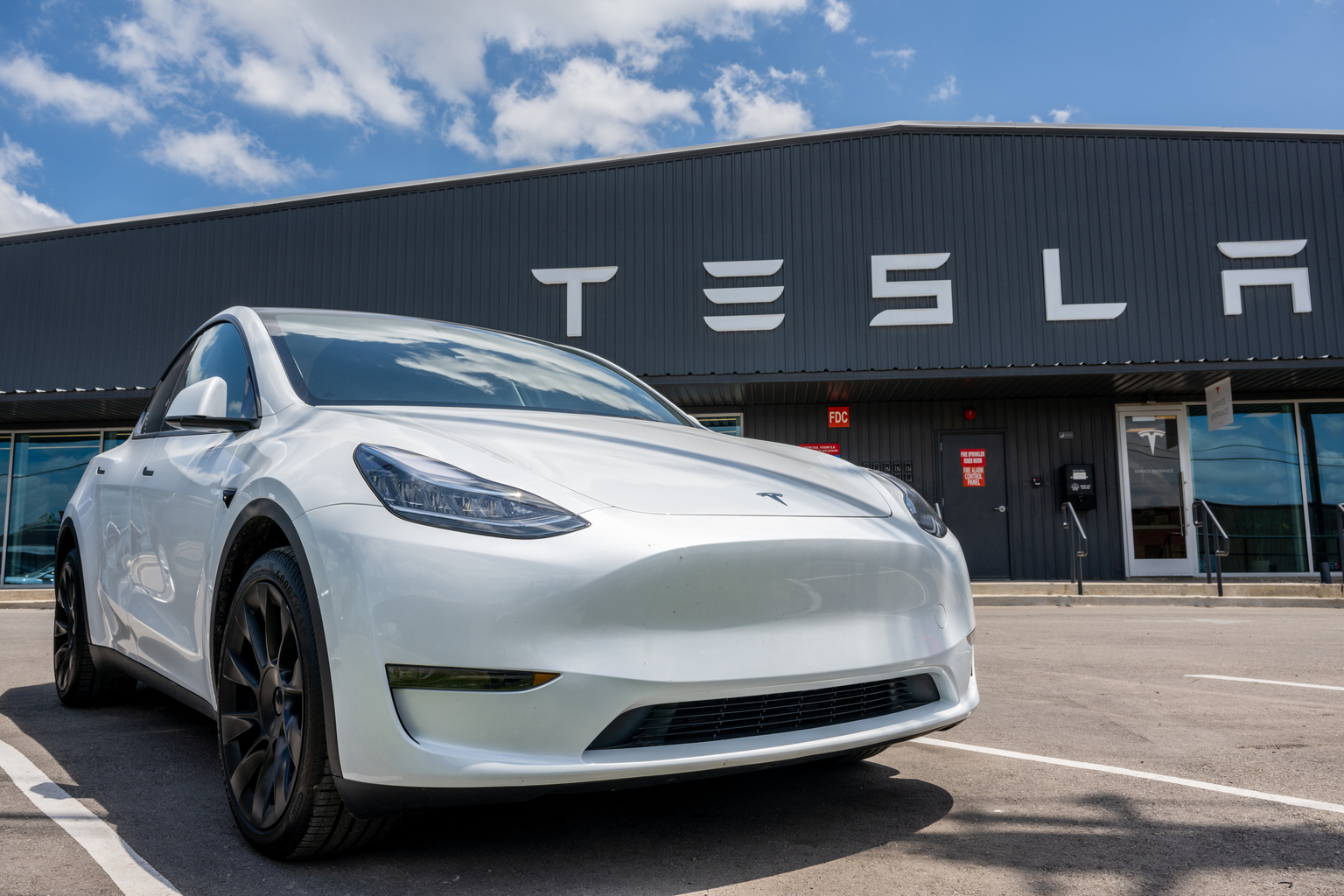
Tesla's Robotaxi Fleet in Texas Lags Behind Waymo's Dominance
- Market Size Comparison: Data from the Texas Department of Motor Vehicles reveals that Tesla (TSLA) has only 42 authorized robotaxis in Texas, significantly trailing Waymo's (WAYMO) 577 vehicles, highlighting Tesla's competitive disadvantage in this market.
- Competitor Analysis: Tesla (TSLA) not only lags behind Waymo but also falls short of Nebius (NBIS)-owned Avride's 317 and Nuro's 47 authorized robotaxis, indicating a further compression of its market share.
- Regulatory Environment Changes: With the new law in Texas tightening oversight on commercial self-driving vehicles, Tesla's (TSLA) robotaxi service, available in limited areas of Austin, Dallas, and Houston, faces increased compliance pressures that could impact future expansion plans.
- Operational Timing Differences: Waymo (WAYMO) commenced its robotaxi operations in Texas last March through a partnership with Uber (UBER), while Tesla (TSLA) only began its service in June 2025, creating a timing gap that places it at a disadvantage in market competition.
See More
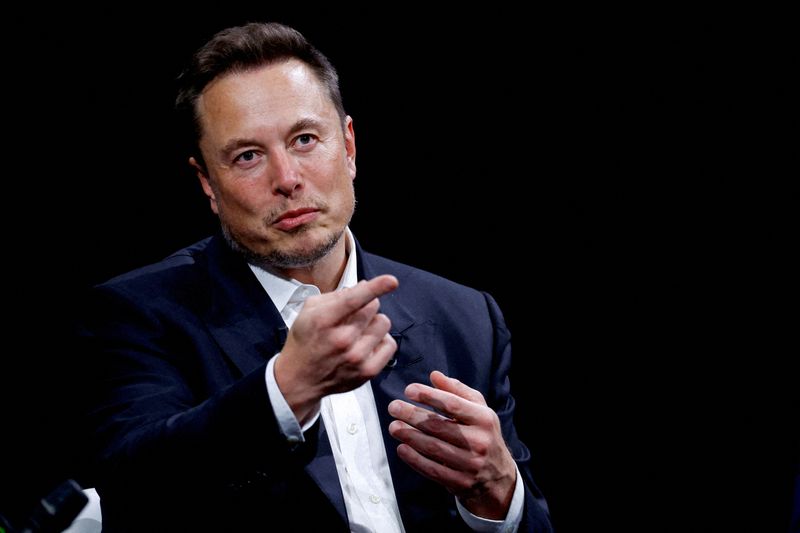
Estonia Approves Tesla's FSD System for Roads
- Regulatory Approval: Estonia's transport authority announced on Friday that it has cleared Tesla's FSD driver-assistance system for use on its roads, marking a significant step in the system's rollout across European markets.
- Type Approval Recognition: This approval is based on a type approval initially granted in the Netherlands, demonstrating Tesla's compliance and adaptability across various European nations, thereby enhancing its market position in the autonomous driving sector.
- Market Impact: With the approval of the FSD system, Tesla is poised to expand its market share in Estonia and surrounding regions, further promoting the adoption of electric vehicles and the application of smart driving technologies.
- Strategic Significance: This approval not only enhances Tesla's brand image in Europe but may also encourage other countries to consider similar technology approvals, thereby accelerating the development of global electric vehicle and autonomous driving technologies.
See More

Analysis of SpaceX's IPO Prospects
- Significant Revenue Growth: In 2025, SpaceX's connectivity segment generated $11.4 billion, accounting for 61% of total revenue, reflecting a 50% increase from the previous year, indicating strong demand and profitability in the global high-speed internet market.
- Profit and Loss Comparison: While the connectivity segment achieved an operating profit of $4.4 billion, the space segment incurred a loss of $657 million, and the AI segment faced a staggering loss of $6.4 billion, highlighting financial health disparities across different business areas.
- Massive Market Potential: SpaceX estimates a total addressable market of $28.5 trillion, with only $1.6 trillion attributed to connectivity, while AI represents $26.5 trillion, suggesting that the primary growth driver for the company lies in the AI sector.
- IPO Valuation Risks: With an expected IPO valuation around $1.5 trillion, investors must carefully assess the risks associated with such a high valuation, especially since the core business focuses on internet access, potentially necessitating a wait-and-see approach for safer investment opportunities.
See More
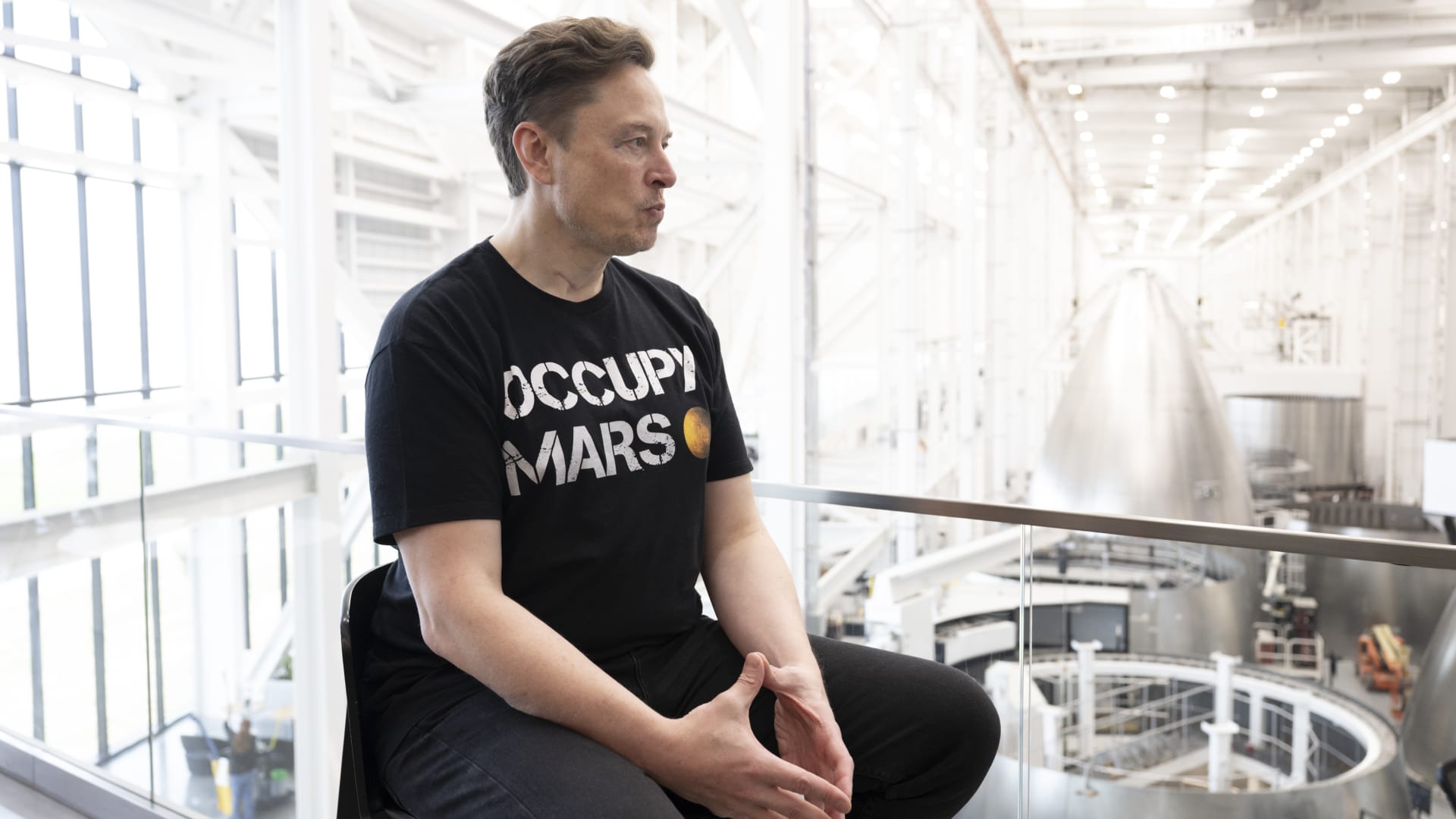
Musk Sparks Confusion Ahead of SpaceX IPO

- Lease Agreement Details: SpaceX's deal with AI startup Anthropic involves a $1.25 billion monthly lease until May 2029, but Musk's claim of a 180-day lease raises concerns about financial transparency, potentially confusing investors ahead of the IPO.
- Financial Disclosure Issues: The IPO filing lacks critical financial metrics such as subscriber churn and unit economics, leading analysts to caution that these omissions could hinder investors' ability to accurately value the company, especially given its valuation exceeding $1 trillion.
- AI Business Challenges: SpaceX's AI division reported a $2.5 billion operating loss in Q1, and while Musk aims to monetize compute capacity through the Anthropic deal, the company has yet to capitalize on its costly infrastructure, indicating insufficient market demand.
- Surging Capital Expenditures: SpaceX's capital expenditures reached $10.1 billion in Q1 2023, more than doubling year-over-year, with $7.7 billion tied to xAI, raising investor concerns about the company's financial health amid significant losses.
See More
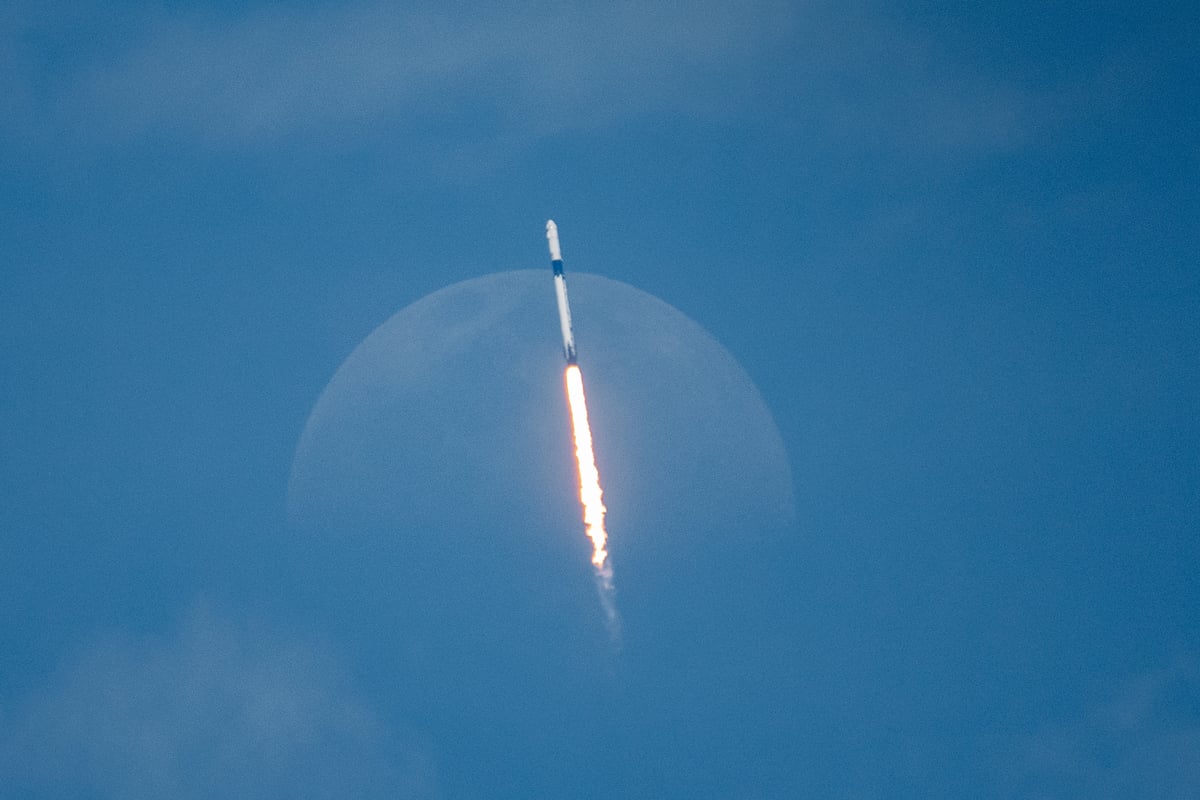
SpaceX IPO Outlook and AI Investment Risks
- IPO Anticipation: SpaceX's planned IPO on June 12 is one of the most awaited public debuts in years, drawing significant investor interest in its future growth potential.
- AI Investment Scale: The company allocated $12.7 billion to artificial intelligence, significantly exceeding the $3.8 billion spent on its space segment, indicating a strategic pivot towards AI despite the associated high risks.
- Operating Loss Comparison: SpaceX's operating loss in AI reached $6.3 billion, far surpassing the $657 million loss from its space operations, raising concerns about the financial implications of such an imbalance for potential investors.
- Market Outlook and Risks: While SpaceX estimates a total addressable market of $26.5 trillion for AI, the uncertainty surrounding its massive expenditures and the ability to capture a significant market share necessitates careful risk assessment by investors considering the IPO.
See More
Analysis of SpaceX IPO Prospects and Investment Recommendations
- Profit Growth Highlight: Starlink, as the only profitable division of SpaceX, generated $11.4 billion in revenue in 2025, accounting for 61% of total company revenue, reflecting strong demand and profitability in the global high-speed internet market with a 50% year-over-year increase.
- Market Potential Assessment: SpaceX estimates that of its $28.5 trillion total addressable market, only $1.6 trillion pertains to connectivity, while the AI market represents a substantial $26.5 trillion, indicating that the primary growth driver for the company lies in the AI sector.
- Investment Risk Warning: Despite the potential IPO valuation of $1.5 trillion, SpaceX's core business remains focused on internet access, and current losses exceed profits, prompting investors to carefully evaluate the associated risks and returns.
- Strategic Recommendation: Given SpaceX's high valuation and insufficient profitability, it is advisable for investors to adopt a wait-and-see approach post-IPO, seeking a more attractive entry point to mitigate investment risks.
See More
Tesla's Robotaxi Fleet in Texas Lags Behind Waymo's Dominance
- Market Size Comparison: Data from the Texas Department of Motor Vehicles reveals that Tesla (TSLA) has only 42 authorized robotaxis in Texas, significantly trailing Waymo's (WAYMO) 577 vehicles, highlighting Tesla's competitive disadvantage in this market.
- Competitor Analysis: Tesla (TSLA) not only lags behind Waymo but also falls short of Nebius (NBIS)-owned Avride's 317 and Nuro's 47 authorized robotaxis, indicating a further compression of its market share.
- Regulatory Environment Changes: With the new law in Texas tightening oversight on commercial self-driving vehicles, Tesla's (TSLA) robotaxi service, available in limited areas of Austin, Dallas, and Houston, faces increased compliance pressures that could impact future expansion plans.
- Operational Timing Differences: Waymo (WAYMO) commenced its robotaxi operations in Texas last March through a partnership with Uber (UBER), while Tesla (TSLA) only began its service in June 2025, creating a timing gap that places it at a disadvantage in market competition.
See More
Estonia Approves Tesla's FSD System for Roads
- Regulatory Approval: Estonia's transport authority announced on Friday that it has cleared Tesla's FSD driver-assistance system for use on its roads, marking a significant step in the system's rollout across European markets.
- Type Approval Recognition: This approval is based on a type approval initially granted in the Netherlands, demonstrating Tesla's compliance and adaptability across various European nations, thereby enhancing its market position in the autonomous driving sector.
- Market Impact: With the approval of the FSD system, Tesla is poised to expand its market share in Estonia and surrounding regions, further promoting the adoption of electric vehicles and the application of smart driving technologies.
- Strategic Significance: This approval not only enhances Tesla's brand image in Europe but may also encourage other countries to consider similar technology approvals, thereby accelerating the development of global electric vehicle and autonomous driving technologies.
See More
Analysis of SpaceX's IPO Prospects
- Significant Revenue Growth: In 2025, SpaceX's connectivity segment generated $11.4 billion, accounting for 61% of total revenue, reflecting a 50% increase from the previous year, indicating strong demand and profitability in the global high-speed internet market.
- Profit and Loss Comparison: While the connectivity segment achieved an operating profit of $4.4 billion, the space segment incurred a loss of $657 million, and the AI segment faced a staggering loss of $6.4 billion, highlighting financial health disparities across different business areas.
- Massive Market Potential: SpaceX estimates a total addressable market of $28.5 trillion, with only $1.6 trillion attributed to connectivity, while AI represents $26.5 trillion, suggesting that the primary growth driver for the company lies in the AI sector.
- IPO Valuation Risks: With an expected IPO valuation around $1.5 trillion, investors must carefully assess the risks associated with such a high valuation, especially since the core business focuses on internet access, potentially necessitating a wait-and-see approach for safer investment opportunities.
See More
Musk Sparks Confusion Ahead of SpaceX IPO
- Lease Agreement Details: SpaceX's deal with AI startup Anthropic involves a $1.25 billion monthly lease until May 2029, but Musk's claim of a 180-day lease raises concerns about financial transparency, potentially confusing investors ahead of the IPO.
- Financial Disclosure Issues: The IPO filing lacks critical financial metrics such as subscriber churn and unit economics, leading analysts to caution that these omissions could hinder investors' ability to accurately value the company, especially given its valuation exceeding $1 trillion.
- AI Business Challenges: SpaceX's AI division reported a $2.5 billion operating loss in Q1, and while Musk aims to monetize compute capacity through the Anthropic deal, the company has yet to capitalize on its costly infrastructure, indicating insufficient market demand.
- Surging Capital Expenditures: SpaceX's capital expenditures reached $10.1 billion in Q1 2023, more than doubling year-over-year, with $7.7 billion tied to xAI, raising investor concerns about the company's financial health amid significant losses.
See More
SpaceX IPO Outlook and AI Investment Risks
- IPO Anticipation: SpaceX's planned IPO on June 12 is one of the most awaited public debuts in years, drawing significant investor interest in its future growth potential.
- AI Investment Scale: The company allocated $12.7 billion to artificial intelligence, significantly exceeding the $3.8 billion spent on its space segment, indicating a strategic pivot towards AI despite the associated high risks.
- Operating Loss Comparison: SpaceX's operating loss in AI reached $6.3 billion, far surpassing the $657 million loss from its space operations, raising concerns about the financial implications of such an imbalance for potential investors.
- Market Outlook and Risks: While SpaceX estimates a total addressable market of $26.5 trillion for AI, the uncertainty surrounding its massive expenditures and the ability to capture a significant market share necessitates careful risk assessment by investors considering the IPO.
See More