ServiceNow's Alignment with AI Future
Written by Emily J. Thompson, Senior Investment Analyst
Updated: Mar 24 2026
0mins

Source: NASDAQ.COM
- AI Vision Alignment: Jensen Huang emphasized at the GTC AI conference that a future with 10 billion digital AI agents working alongside human knowledge workers aligns perfectly with ServiceNow's core business model, indicating significant potential for the company in the AI sector.
- Enhanced Technical Support: Nvidia's NIMs technology will assist ServiceNow in rapidly developing and scaling enterprise AI agents, thereby increasing the stickiness of its products for clients and enhancing market competitiveness.
- Enterprise Infrastructure Reinvention: Nvidia is reshaping the enterprise computing stack by introducing new infrastructure that supports agentic AI, ensuring the necessary computing power for ServiceNow's advanced applications, which further solidifies its market position.
- Market Misunderstanding Reversal: Despite the SaaS stock sell-off, Huang believes the market misunderstands ServiceNow's potential, emphasizing that AI will not replace enterprise orchestration but depend on governance and scale, underscoring ServiceNow's importance in the AI era.
Trade with 70% Backtested Accuracy
Stop guessing "Should I Buy NVDA?" and start using high-conviction signals backed by rigorous historical data.
Sign up today to access powerful investing tools and make smarter, data-driven decisions.
Analyst Views on NVDA
Wall Street analysts forecast NVDA stock price to rise
41 Analyst Rating
39 Buy
1 Hold
1 Sell
Strong Buy
Current: 222.820

Low
200.00
Averages
264.97
High
352.00
Current: 222.820
Low
200.00
Averages
264.97
High
352.00
About NVDA
NVIDIA Corporation is an artificial intelligence (AI) infrastructure company. The Company is engaged in accelerated computing to help solve the challenging computational problems. Its segments include Compute & Networking and Graphics. The Compute & Networking segment includes its Data Center accelerated computing and networking platforms and AI solutions and software, and automotive platforms and autonomous and electric vehicle solutions, including software. The Graphics segment includes GeForce GPUs for gaming and personal computers (PCs), and Quadro/NVIDIA RTX GPUs for enterprise workstation graphics. Its technology stack includes the foundational NVIDIA CUDA development platform that runs on all NVIDIA GPUs, as well as hundreds of domain-specific software libraries, frameworks, algorithms, software development kits (SDKs), and application programming interfaces (APIs). Its platforms address four markets, which include Data Center, Gaming, Professional Visualization, and Automotive.
About the author

Emily J. Thompson
Emily J. Thompson, a Chartered Financial Analyst (CFA) with 12 years in investment research, graduated with honors from the Wharton School. Specializing in industrial and technology stocks, she provides in-depth analysis for Intellectia’s earnings and market brief reports.

Nvidia Continues to Expand Market Opportunities

- Significant Revenue Growth: Nvidia reported record revenue of $81.6 billion for Q1 of fiscal 2027, marking an 85% year-over-year increase and a 20% quarter-over-quarter rise, which propelled adjusted earnings per share (EPS) up by 140%, indicating robust market demand and profitability.
- Optimistic Future Outlook: The company forecasts revenue of $91 billion for Q2 of fiscal 2027, representing a 95% growth, suggesting that Nvidia's strong performance in the AI sector will continue to drive its financial results.
- Market Dominance: Nvidia controls between 85% and 92% of the data center GPU market, showcasing its core position in AI workloads, while also launching the Vera CPU and RTX Spark AI chip, which further expands its market potential.
- Analyst Confidence: Tigress Financial analyst Ivan Feinseth maintains a strong buy rating on Nvidia, raising the price target to $425, indicating a potential upside of 98% for investors, reflecting strong confidence in the demand for AI infrastructure.
See More

Nvidia Forecasts Revenue Exceeding $90 Billion Next Quarter
- Revenue Surge Forecast: Nvidia is projecting revenue to exceed $90 billion in the upcoming quarter, indicating strong growth potential in the AI sector that could further boost its stock price and attract more investor interest.
- Market Competition Insight: Despite Nvidia's leadership in AI technology, analysts from Motley Fool Stock Advisor suggest that there are currently 10 stocks deemed more worthy of investment, which may impact investor confidence in Nvidia, especially in an increasingly competitive market.
- Historical Returns Comparison: Data from Motley Fool Stock Advisor shows that previously recommended stocks like Netflix and Nvidia yielded returns of 462,983% and 1,375,447% respectively, highlighting their stock-picking prowess; however, Nvidia's absence from the latest recommendations may prompt investors to reassess their positions.
- Investor Community Impact: The Motley Fool emphasizes the power of individual investors, and while Nvidia holds a technological edge, its exclusion from the recommended list may lead investors to seek other high-return stocks, potentially affecting Nvidia's market performance.
See More
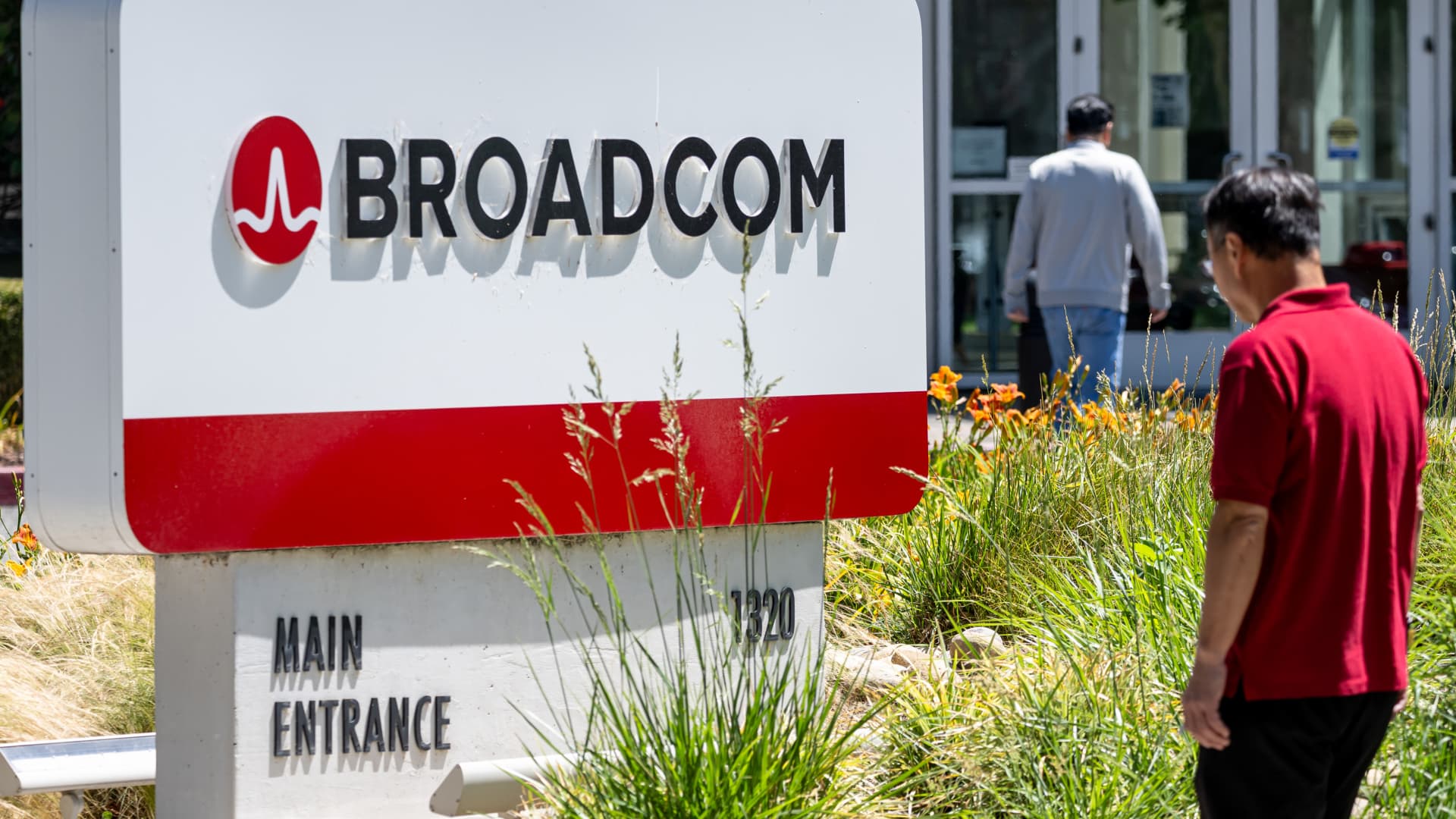
Broadcom's Strong Quarterly Results Fail to Boost Stock Price
- Revenue Performance: Broadcom reported $22.19 billion in revenue for Q2 2026, slightly missing the $22.27 billion consensus forecast, with a 48% year-over-year increase, but failed to meet market expectations for higher AI revenue, resulting in a post-market stock decline.
- Profitability Gains: Adjusted earnings per share (EPS) rose 54% to $2.44, surpassing the expected $2.40, while adjusted EBITDA increased 52% to $15.24 billion, indicating strong performance in the AI semiconductor sector.
- AI Business Outlook: Broadcom anticipates AI semiconductor revenues of $56 billion for FY 2026 and a target of at least $100 billion for FY 2027, although market skepticism regarding these targets led to a muted stock response.
- Customer Order Situation: The company secured over $30 billion in AI semiconductor orders this quarter, reflecting robust market demand; however, the infrastructure software segment's revenue fell short of expectations for the second consecutive quarter, impacting overall market reaction.
See More

Broadcom and CrowdStrike Shares Drop Post Earnings


- Earnings Impact: Both Broadcom and CrowdStrike saw their stock prices decline post-earnings, with Broadcom dropping by 5%, indicating market concerns over its future growth prospects, which could undermine investor confidence.
- Market Reaction: CrowdStrike's shares fell by 4%, as despite revenue growth reported in its earnings, higher-than-expected expenditures led to profit declines, intensifying market worries about its profitability and potentially affecting short-term stock performance.
- SpaceX IPO Developments: The IPO price target and size for SpaceX have been set, with the offering expected next week, which could attract significant investor interest and further drive capital inflow into the space industry.
- Investor Interest: As the SpaceX IPO approaches, market enthusiasm for investments in the space sector is rising, potentially having a positive impact on the stock prices of related companies, particularly those in technology and innovation sectors.
See More

Marvell Technology Stock Hits All-Time High Again

- Stock Surge: Marvell Technology's shares rose nearly 4% on Wednesday, hitting an all-time high again, reflecting strong market confidence in its future prospects, particularly amid surging demand for AI technologies.
- Analyst Upgrade: Stifel analyst Tore Svanberg significantly raised Marvell's price target from $230 to $321, indicating a strong endorsement of the company's strategy, which further boosts investor sentiment towards the stock.
- Industry Endorsement: Nvidia CEO Jensen Huang praised Marvell's products as 'essential' during the Computex 2026 conference, providing a significant endorsement that enhances Marvell's market image and supports its competitiveness in the AI sector.
- Optimistic Market Outlook: With the rapid advancement of AI technology, Marvell is well-positioned to profit handsomely from its leading role in high-speed connectivity silicon, further solidifying its market position in the semiconductor industry.
See More

Jensen Huang Optimistic About Software Companies' Future
- Software Company Outlook: Jensen Huang expresses optimism about the future of software companies, suggesting that AI could create the world's first trillionaire, reflecting confidence in the industry's potential.
- Key Technology Supplier: A report highlights a little-known company dubbed an 'Indispensable Monopoly' that provides critical technology for both Nvidia and Intel, indicating its potential to play a significant role in future markets.
- Investment Advice: Despite Huang's optimistic outlook, the Motley Fool analyst team has not included Nvidia in their current list of the top 10 stocks, advising investors to exercise caution in their decisions.
- Historical Returns: The Motley Fool's Stock Advisor program boasts an average return of 983% since inception, significantly outperforming the S&P 500's 212%, underscoring the importance of selecting quality stocks.
See More
Nvidia Continues to Expand Market Opportunities
- Significant Revenue Growth: Nvidia reported record revenue of $81.6 billion for Q1 of fiscal 2027, marking an 85% year-over-year increase and a 20% quarter-over-quarter rise, which propelled adjusted earnings per share (EPS) up by 140%, indicating robust market demand and profitability.
- Optimistic Future Outlook: The company forecasts revenue of $91 billion for Q2 of fiscal 2027, representing a 95% growth, suggesting that Nvidia's strong performance in the AI sector will continue to drive its financial results.
- Market Dominance: Nvidia controls between 85% and 92% of the data center GPU market, showcasing its core position in AI workloads, while also launching the Vera CPU and RTX Spark AI chip, which further expands its market potential.
- Analyst Confidence: Tigress Financial analyst Ivan Feinseth maintains a strong buy rating on Nvidia, raising the price target to $425, indicating a potential upside of 98% for investors, reflecting strong confidence in the demand for AI infrastructure.
See More
Nvidia Forecasts Revenue Exceeding $90 Billion Next Quarter
- Revenue Surge Forecast: Nvidia is projecting revenue to exceed $90 billion in the upcoming quarter, indicating strong growth potential in the AI sector that could further boost its stock price and attract more investor interest.
- Market Competition Insight: Despite Nvidia's leadership in AI technology, analysts from Motley Fool Stock Advisor suggest that there are currently 10 stocks deemed more worthy of investment, which may impact investor confidence in Nvidia, especially in an increasingly competitive market.
- Historical Returns Comparison: Data from Motley Fool Stock Advisor shows that previously recommended stocks like Netflix and Nvidia yielded returns of 462,983% and 1,375,447% respectively, highlighting their stock-picking prowess; however, Nvidia's absence from the latest recommendations may prompt investors to reassess their positions.
- Investor Community Impact: The Motley Fool emphasizes the power of individual investors, and while Nvidia holds a technological edge, its exclusion from the recommended list may lead investors to seek other high-return stocks, potentially affecting Nvidia's market performance.
See More
Broadcom's Strong Quarterly Results Fail to Boost Stock Price
- Revenue Performance: Broadcom reported $22.19 billion in revenue for Q2 2026, slightly missing the $22.27 billion consensus forecast, with a 48% year-over-year increase, but failed to meet market expectations for higher AI revenue, resulting in a post-market stock decline.
- Profitability Gains: Adjusted earnings per share (EPS) rose 54% to $2.44, surpassing the expected $2.40, while adjusted EBITDA increased 52% to $15.24 billion, indicating strong performance in the AI semiconductor sector.
- AI Business Outlook: Broadcom anticipates AI semiconductor revenues of $56 billion for FY 2026 and a target of at least $100 billion for FY 2027, although market skepticism regarding these targets led to a muted stock response.
- Customer Order Situation: The company secured over $30 billion in AI semiconductor orders this quarter, reflecting robust market demand; however, the infrastructure software segment's revenue fell short of expectations for the second consecutive quarter, impacting overall market reaction.
See More
Broadcom and CrowdStrike Shares Drop Post Earnings
- Earnings Impact: Both Broadcom and CrowdStrike saw their stock prices decline post-earnings, with Broadcom dropping by 5%, indicating market concerns over its future growth prospects, which could undermine investor confidence.
- Market Reaction: CrowdStrike's shares fell by 4%, as despite revenue growth reported in its earnings, higher-than-expected expenditures led to profit declines, intensifying market worries about its profitability and potentially affecting short-term stock performance.
- SpaceX IPO Developments: The IPO price target and size for SpaceX have been set, with the offering expected next week, which could attract significant investor interest and further drive capital inflow into the space industry.
- Investor Interest: As the SpaceX IPO approaches, market enthusiasm for investments in the space sector is rising, potentially having a positive impact on the stock prices of related companies, particularly those in technology and innovation sectors.
See More
Marvell Technology Stock Hits All-Time High Again
- Stock Surge: Marvell Technology's shares rose nearly 4% on Wednesday, hitting an all-time high again, reflecting strong market confidence in its future prospects, particularly amid surging demand for AI technologies.
- Analyst Upgrade: Stifel analyst Tore Svanberg significantly raised Marvell's price target from $230 to $321, indicating a strong endorsement of the company's strategy, which further boosts investor sentiment towards the stock.
- Industry Endorsement: Nvidia CEO Jensen Huang praised Marvell's products as 'essential' during the Computex 2026 conference, providing a significant endorsement that enhances Marvell's market image and supports its competitiveness in the AI sector.
- Optimistic Market Outlook: With the rapid advancement of AI technology, Marvell is well-positioned to profit handsomely from its leading role in high-speed connectivity silicon, further solidifying its market position in the semiconductor industry.
See More
Jensen Huang Optimistic About Software Companies' Future
- Software Company Outlook: Jensen Huang expresses optimism about the future of software companies, suggesting that AI could create the world's first trillionaire, reflecting confidence in the industry's potential.
- Key Technology Supplier: A report highlights a little-known company dubbed an 'Indispensable Monopoly' that provides critical technology for both Nvidia and Intel, indicating its potential to play a significant role in future markets.
- Investment Advice: Despite Huang's optimistic outlook, the Motley Fool analyst team has not included Nvidia in their current list of the top 10 stocks, advising investors to exercise caution in their decisions.
- Historical Returns: The Motley Fool's Stock Advisor program boasts an average return of 983% since inception, significantly outperforming the S&P 500's 212%, underscoring the importance of selecting quality stocks.
See More