SEC's New Strategic Plan to Impact Crypto Market
Written by Emily J. Thompson, Senior Investment Analyst
Updated: Jun 08 2026
0mins


Source: NASDAQ.COM
- Regulatory Impact: The SEC's Draft Strategic Plan for 2026-2030 highlights the potential of crypto asset technologies, which is expected to enhance the investment appeal of blue-chip tokens like Bitcoin and Ethereum while imposing greater pressure on smaller tokens, likely classifying them as 'unlicensed securities'.
- Market Consolidation Trend: With the SEC and CFTC delineating regulatory responsibilities for cryptocurrencies, the market is expected to accelerate consolidation towards large blue-chip tokens, particularly Bitcoin and Ethereum, which may attract more institutional investors and further solidify their market positions.
- Challenges for Small Tokens: Smaller tokens like Dogecoin and Shiba Inu have lost over half their value in the past year, and as regulations tighten, their appeal is likely to diminish further, potentially leading to more developer teams exiting the market due to rising compliance costs, exacerbating market consolidation.
- Rise of Stablecoins: The SEC's new regulations may enable fully dollar-backed stablecoins to become viable alternatives to real U.S. dollars, posing a threat to traditional banks while benefiting stablecoin issuers like Circle, potentially driving growth in their market share.
Trade with 70% Backtested Accuracy
Stop guessing "Should I Buy DASH?" and start using high-conviction signals backed by rigorous historical data.
Sign up today to access powerful investing tools and make smarter, data-driven decisions.
Analyst Views on DASH
Wall Street analysts forecast DASH stock price to rise
21 Analyst Rating
18 Buy
3 Hold
0 Sell
Strong Buy
Current: 165.660

Low
224.00
Averages
278.67
High
330.00
Current: 165.660
Low
224.00
Averages
278.67
High
330.00
About DASH
DoorDash, Inc. is engaged in providing services that reduce friction in local commerce and help merchants connect with consumers in their communities. The Company's primary offerings include the DoorDash Marketplace and the Wolt Marketplace (together, the Marketplaces), and its Commerce Platform. The Company's Marketplaces operate in over 30 countries across the globe and provide an integrated suite of services that help merchants establish an online presence, connect with consumers in their communities, and solve mission-critical challenges, such as customer acquisition, demand generation, order fulfillment, merchandising, payment processing, and customer support. It also offers advertising as a value-added service through its Marketplaces to help merchants and consumer packaged goods companies increase consumer engagement. The Company also has offsite advertising capabilities. Its white-label delivery fulfillment services include DoorDash Drive On-Demand and Wolt Drive.
About the author

Emily J. Thompson
Emily J. Thompson, a Chartered Financial Analyst (CFA) with 12 years in investment research, graduated with honors from the Wharton School. Specializing in industrial and technology stocks, she provides in-depth analysis for Intellectia’s earnings and market brief reports.
DoorDash Reports Revenue Growth Amid Net Income Decline

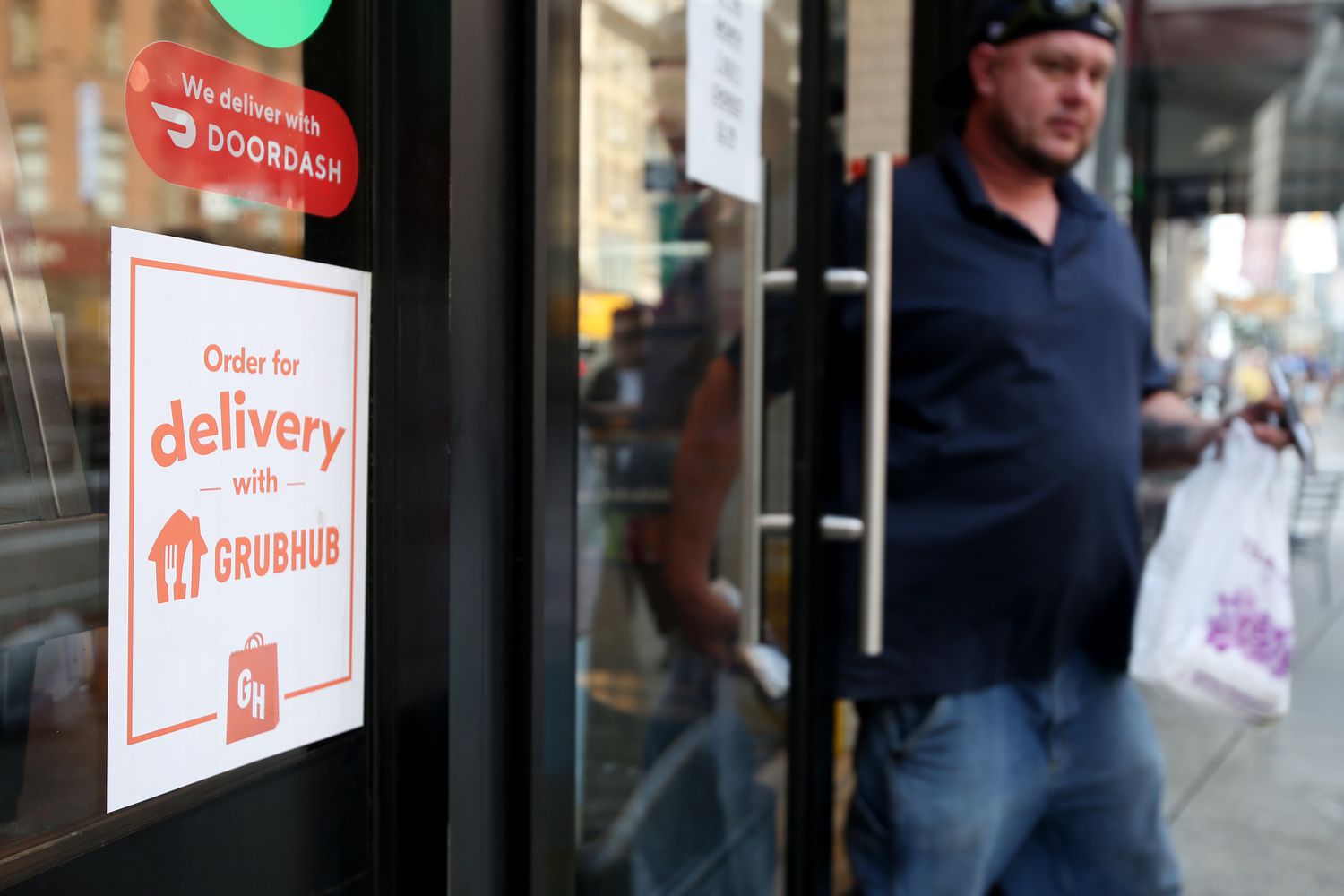
- Significant Revenue Growth: DoorDash achieved a 33% year-over-year revenue growth in Q1, surpassing the S&P 500's 11.4% growth rate, indicating strong market share gains despite a challenging economic backdrop.
- Net Income Decline: The company's net income fell by 5% year-over-year primarily due to a one-time $48 million restructuring charge, suggesting financial pressure in the short term as profitability was achievable without this expense.
- Inflation Risks Intensify: With the Consumer Price Index inflation rate rising to 4.2%, consumers may cut back on spending, putting DoorDash at risk as its delivery costs (25% higher than grocery prices) could deter price-sensitive customers amid increasing competition.
- Valuation Pressure: DoorDash's forward P/E ratio stands at 52, significantly higher than Uber's 21, and with intensifying competition, any weakness in growth could lead to deeper corrections in stock price, necessitating careful evaluation of its long-term investment potential.
See More

DoorDash Faces Long-Term Growth Challenges Despite Revenue Growth
- Revenue Growth vs. Market Share: DoorDash achieved a 33% year-over-year revenue growth in Q1, surpassing the S&P 500's 11.4%, yet its stock has plummeted over 30% year-to-date, indicating market concerns about its long-term prospects.
- Net Income Decline Reasons: Although DoorDash's net income fell by 5% year-over-year, this was primarily due to a one-time $48 million restructuring charge; excluding this, the company would have been profitable, highlighting its underlying profitability potential.
- Inflationary Pressures: With the Consumer Price Index inflation rate rising to 4.2%, consumers may seek to cut spending, making DoorDash's high delivery costs (averaging 25% more than grocery store prices) a prime target for budget cuts, which could jeopardize its long-term business model.
- Valuation Risks: DoorDash's forward P/E ratio stands at 52, significantly higher than Uber's 21, and as competition intensifies, DoorDash may need to lower prices to retain market share, further compressing profit margins and increasing valuation risks.
See More

Yum Brands Sells Pizza Hut for $1.5 Billion to LongRange Capital


- Transaction Overview: Yum Brands announced the sale of Pizza Hut to private equity firm LongRange Capital for approximately $1.5 billion, excluding mainland China locations, which will be acquired separately by Yum China for about $1.2 billion, with the overall deal expected to yield around $2.3 billion in net proceeds, highlighting the company's focus on asset restructuring.
- Competitive Market Pressure: Pizza Hut faces ongoing market share erosion from rival Domino's Pizza in the U.S., while third-party delivery platforms like DoorDash have further diminished its sales, reflecting the company's struggle to adapt to market demands during its transition, negatively impacting overall financial performance.
- Strategic Restructuring Decision: Yum's management determined that selling Pizza Hut represents the strongest path to maximize shareholder value, aiming to provide the brand with an ownership structure better aligned with its market characteristics and long-term priorities, indicating a strategic shift in response to competitive pressures.
- Historical Context and Future Outlook: Founded in 1958, Pizza Hut was once the largest pizza chain globally but lost that title in 2017; with the completion of this sale, it will sever its long-standing ties with Yum's other brands like Taco Bell and KFC, allowing it to focus on new market strategies moving forward.
See More
Yum Brands Sells Pizza Hut, Ending Years of Struggles
- Sale Announcement: Yum Brands has announced the sale of Pizza Hut to private equity firm LongRange Capital, marking the end of years of struggles for the brand that have negatively impacted Yum's overall financial performance.
- Market Competition: In the U.S., Pizza Hut has shifted from traditional dine-in formats to focus on delivery and carryout, yet it has been losing market share to rival Domino's Pizza, highlighting its lag in adapting to industry changes.
- Historical Context: Founded in 1958 in Wichita, Kansas, Pizza Hut went public in 1969 and became the largest pizza chain by 1971, but it lost that title to Domino's in 2017, reflecting significant market challenges for the brand.
- Brand Relationship Break: This deal severs Pizza Hut's long-standing ties with Yum's other brands like Taco Bell and KFC, indicating a shift towards an independent operational structure that may influence its future strategic direction.
See More

SpaceX Achieves Historic Largest IPO with 20% First-Day Surge


- Historic IPO: SpaceX went public on June 12 at $135 per share, achieving an initial market value of $1.8 trillion, making it the largest IPO in history, with a first-day stock surge of over 20%, pushing its valuation above $2 trillion, indicating strong market expectations for its future potential.
- First-Year Performance Risk: Historical data suggests that large IPOs typically underperform in their first year, with SpaceX's stock potentially declining by 50%, implying that a $10,000 investment could drop to about $4,000 by 2027, reflecting concerns over its high valuation.
- Valuation Warning: With a current market value of $2.2 trillion and sales of $19.3 billion, SpaceX's stock trades at an exorbitant valuation of approximately 115 times sales, significantly higher than Palantir's 59 times, indicating that such a premium is unsustainable and could lead to future price corrections.
- Market Prospects and Challenges: While SpaceX has unique advantages in building orbital AI data centers, its high valuation and the general caution surrounding large IPOs create uncertainty regarding its future growth, necessitating careful risk-reward assessments by investors.
See More

SpaceX Achieves Historic $1.8 Trillion IPO Valuation

- Historic IPO: SpaceX went public on June 12 at $135 per share, achieving a market value of $1.8 trillion, making it the largest IPO in history, with a first-day stock gain of over 20%, pushing its valuation above $2 trillion, reflecting high market expectations for its future potential.
- Valuation Risks: With a market value of $2.2 trillion and sales of $19.3 billion, SpaceX's stock trades at an exorbitant 115 times sales, significantly higher than the S&P 500's highest at 59 times, indicating a substantial bubble risk that could lead to major losses for investors.
- Historical Performance Warning: Historical data shows that the average stock price of the 15 largest IPOs has dropped by 33% in the first year; if SpaceX follows this trend, its stock could decline by 50% within the first year, reducing a $10,000 investment to below $5,300 by 2027.
- Market Prospects and Challenges: While SpaceX has a unique advantage in building orbital AI data centers that could effectively address power and cooling issues faced by terrestrial data centers, its high valuation and uncertain market performance necessitate cautious evaluation of its long-term investment value.
See More
DoorDash Reports Revenue Growth Amid Net Income Decline
- Significant Revenue Growth: DoorDash achieved a 33% year-over-year revenue growth in Q1, surpassing the S&P 500's 11.4% growth rate, indicating strong market share gains despite a challenging economic backdrop.
- Net Income Decline: The company's net income fell by 5% year-over-year primarily due to a one-time $48 million restructuring charge, suggesting financial pressure in the short term as profitability was achievable without this expense.
- Inflation Risks Intensify: With the Consumer Price Index inflation rate rising to 4.2%, consumers may cut back on spending, putting DoorDash at risk as its delivery costs (25% higher than grocery prices) could deter price-sensitive customers amid increasing competition.
- Valuation Pressure: DoorDash's forward P/E ratio stands at 52, significantly higher than Uber's 21, and with intensifying competition, any weakness in growth could lead to deeper corrections in stock price, necessitating careful evaluation of its long-term investment potential.
See More
DoorDash Faces Long-Term Growth Challenges Despite Revenue Growth
- Revenue Growth vs. Market Share: DoorDash achieved a 33% year-over-year revenue growth in Q1, surpassing the S&P 500's 11.4%, yet its stock has plummeted over 30% year-to-date, indicating market concerns about its long-term prospects.
- Net Income Decline Reasons: Although DoorDash's net income fell by 5% year-over-year, this was primarily due to a one-time $48 million restructuring charge; excluding this, the company would have been profitable, highlighting its underlying profitability potential.
- Inflationary Pressures: With the Consumer Price Index inflation rate rising to 4.2%, consumers may seek to cut spending, making DoorDash's high delivery costs (averaging 25% more than grocery store prices) a prime target for budget cuts, which could jeopardize its long-term business model.
- Valuation Risks: DoorDash's forward P/E ratio stands at 52, significantly higher than Uber's 21, and as competition intensifies, DoorDash may need to lower prices to retain market share, further compressing profit margins and increasing valuation risks.
See More
Yum Brands Sells Pizza Hut for $1.5 Billion to LongRange Capital
- Transaction Overview: Yum Brands announced the sale of Pizza Hut to private equity firm LongRange Capital for approximately $1.5 billion, excluding mainland China locations, which will be acquired separately by Yum China for about $1.2 billion, with the overall deal expected to yield around $2.3 billion in net proceeds, highlighting the company's focus on asset restructuring.
- Competitive Market Pressure: Pizza Hut faces ongoing market share erosion from rival Domino's Pizza in the U.S., while third-party delivery platforms like DoorDash have further diminished its sales, reflecting the company's struggle to adapt to market demands during its transition, negatively impacting overall financial performance.
- Strategic Restructuring Decision: Yum's management determined that selling Pizza Hut represents the strongest path to maximize shareholder value, aiming to provide the brand with an ownership structure better aligned with its market characteristics and long-term priorities, indicating a strategic shift in response to competitive pressures.
- Historical Context and Future Outlook: Founded in 1958, Pizza Hut was once the largest pizza chain globally but lost that title in 2017; with the completion of this sale, it will sever its long-standing ties with Yum's other brands like Taco Bell and KFC, allowing it to focus on new market strategies moving forward.
See More
Yum Brands Sells Pizza Hut, Ending Years of Struggles
- Sale Announcement: Yum Brands has announced the sale of Pizza Hut to private equity firm LongRange Capital, marking the end of years of struggles for the brand that have negatively impacted Yum's overall financial performance.
- Market Competition: In the U.S., Pizza Hut has shifted from traditional dine-in formats to focus on delivery and carryout, yet it has been losing market share to rival Domino's Pizza, highlighting its lag in adapting to industry changes.
- Historical Context: Founded in 1958 in Wichita, Kansas, Pizza Hut went public in 1969 and became the largest pizza chain by 1971, but it lost that title to Domino's in 2017, reflecting significant market challenges for the brand.
- Brand Relationship Break: This deal severs Pizza Hut's long-standing ties with Yum's other brands like Taco Bell and KFC, indicating a shift towards an independent operational structure that may influence its future strategic direction.
See More
SpaceX Achieves Historic Largest IPO with 20% First-Day Surge
- Historic IPO: SpaceX went public on June 12 at $135 per share, achieving an initial market value of $1.8 trillion, making it the largest IPO in history, with a first-day stock surge of over 20%, pushing its valuation above $2 trillion, indicating strong market expectations for its future potential.
- First-Year Performance Risk: Historical data suggests that large IPOs typically underperform in their first year, with SpaceX's stock potentially declining by 50%, implying that a $10,000 investment could drop to about $4,000 by 2027, reflecting concerns over its high valuation.
- Valuation Warning: With a current market value of $2.2 trillion and sales of $19.3 billion, SpaceX's stock trades at an exorbitant valuation of approximately 115 times sales, significantly higher than Palantir's 59 times, indicating that such a premium is unsustainable and could lead to future price corrections.
- Market Prospects and Challenges: While SpaceX has unique advantages in building orbital AI data centers, its high valuation and the general caution surrounding large IPOs create uncertainty regarding its future growth, necessitating careful risk-reward assessments by investors.
See More
SpaceX Achieves Historic $1.8 Trillion IPO Valuation
- Historic IPO: SpaceX went public on June 12 at $135 per share, achieving a market value of $1.8 trillion, making it the largest IPO in history, with a first-day stock gain of over 20%, pushing its valuation above $2 trillion, reflecting high market expectations for its future potential.
- Valuation Risks: With a market value of $2.2 trillion and sales of $19.3 billion, SpaceX's stock trades at an exorbitant 115 times sales, significantly higher than the S&P 500's highest at 59 times, indicating a substantial bubble risk that could lead to major losses for investors.
- Historical Performance Warning: Historical data shows that the average stock price of the 15 largest IPOs has dropped by 33% in the first year; if SpaceX follows this trend, its stock could decline by 50% within the first year, reducing a $10,000 investment to below $5,300 by 2027.
- Market Prospects and Challenges: While SpaceX has a unique advantage in building orbital AI data centers that could effectively address power and cooling issues faced by terrestrial data centers, its high valuation and uncertain market performance necessitate cautious evaluation of its long-term investment value.
See More