Sandisk Stock Pullback May Present Buying Opportunity
Written by Emily J. Thompson, Senior Investment Analyst
Updated: Feb 13 2026
0mins
Source: Fool
- Market Pullback Opportunity: Sandisk's stock has pulled back 14% from its February highs, currently trading at a forward P/E of 15 times fiscal 2026 estimates, indicating it remains attractive and may present a buying opportunity for investors.
- Industry Cycle Shift: As a leading producer of NAND storage devices, Sandisk is transitioning from a period of oversupply to a long-lasting supercycle, with market demand rapidly increasing and driving prices higher.
- Strong Financial Performance: Last quarter, Sandisk's revenue surged 61%, with gross margins expanding from 32.3% to 50.9%, indicating a significant enhancement in profitability amid NAND shortages, leading to a fivefold increase in adjusted earnings per share.
- AI Infrastructure Growth: With surging demand for high-performance solid-state drives from AI data centers, Sandisk finds itself in a favorable position, expected to benefit from substantial growth opportunities ahead, making the recent stock dip a prime investment opportunity.
Trade with 70% Backtested Accuracy
Stop guessing "Should I Buy SNDK?" and start using high-conviction signals backed by rigorous historical data.
Sign up today to access powerful investing tools and make smarter, data-driven decisions.
Analyst Views on SNDK
Wall Street analysts forecast SNDK stock price to fall
14 Analyst Rating
11 Buy
3 Hold
0 Sell
Strong Buy
Current: 1542.240

Low
220.00
Averages
283.69
High
410.00
Current: 1542.240
Low
220.00
Averages
283.69
High
410.00
About SNDK
SanDisk Corporation is a developer, manufacturer and provider of data storage devices and solutions based on NAND flash technology and has consumer brands and franchises globally. The Company's solutions include a range of solid state drives (SSDs) embedded products, removable cards, universal serial bus (USB) drives, and wafers and components. Its broad portfolio of technology and products addresses multiple end markets of Datacenter, Edge and Consumer. Its Datacenter end market is composed primarily of products for public or private cloud environments and enterprise customers. The Company, through the Edge end market, provides original equipment manufacturer and channel customers a broad array of high-performance flash solutions across personal computer, mobile, gaming, automotive, virtual reality headsets, at-home entertainment, and industrial spaces. The Company serves the Consumer end market with a broad range of retail and other end-user products.
About the author

Emily J. Thompson
Emily J. Thompson, a Chartered Financial Analyst (CFA) with 12 years in investment research, graduated with honors from the Wharton School. Specializing in industrial and technology stocks, she provides in-depth analysis for Intellectia’s earnings and market brief reports.

Reasons Behind Sandisk's Stock Surge

- Significant Revenue Growth: Sandisk's third-quarter revenue surged 251% year-over-year to $5.95 billion, primarily driven by demand from data centers and edge computing, showcasing the company's strong performance in the rapidly growing AI market.
- Soaring Gross Margin: The company's gross margin skyrocketed from 22.7% in Q3 2025 to 78.4%, surpassing industry leader Nvidia's 75%, indicating Sandisk's success in enhancing profitability and boosting investor confidence.
- Dramatic EPS Improvement: Sandisk's earnings per share skyrocketed from a loss of $0.30 to a gain of $23.41, reflecting a significant enhancement in the company's profitability under high demand conditions, prompting investors to reassess its intrinsic value.
- Optimistic Market Outlook: Despite Sandisk's forward P/E ratio of 24 being lower than the S&P 500's 22, investors should remain cautious due to the cyclical risks in the memory hardware industry, as the next five years may face the risk of a demand bubble.
See More

Estee Lauder Shares Surge 11.9% in Early Trading

- Strong Stock Performance: Estee Lauder's shares surged 11.9% in early trading on Friday, making it the best-performing component of the S&P 500 index, indicating optimistic market sentiment regarding its future growth prospects.
- Year-to-Date Review: Despite a year-to-date decline of approximately 15.7%, this rebound may suggest a reassessment of the company's long-term value by investors, potentially attracting more capital inflow.
- Market Volatility Analysis: In contrast, Bank of New York Mellon was the worst-performing component of the day, with a staggering drop of 92.5%, and a year-to-date decline of 91.2%, reflecting significant challenges and a lack of market confidence.
- Other Component Movements: On the same trading day, SanDisk's stock fell by 2.8%, while Dell Technologies rose by 10.1%, highlighting the varying market reactions to different companies, which may influence investors' asset allocation strategies.
See More
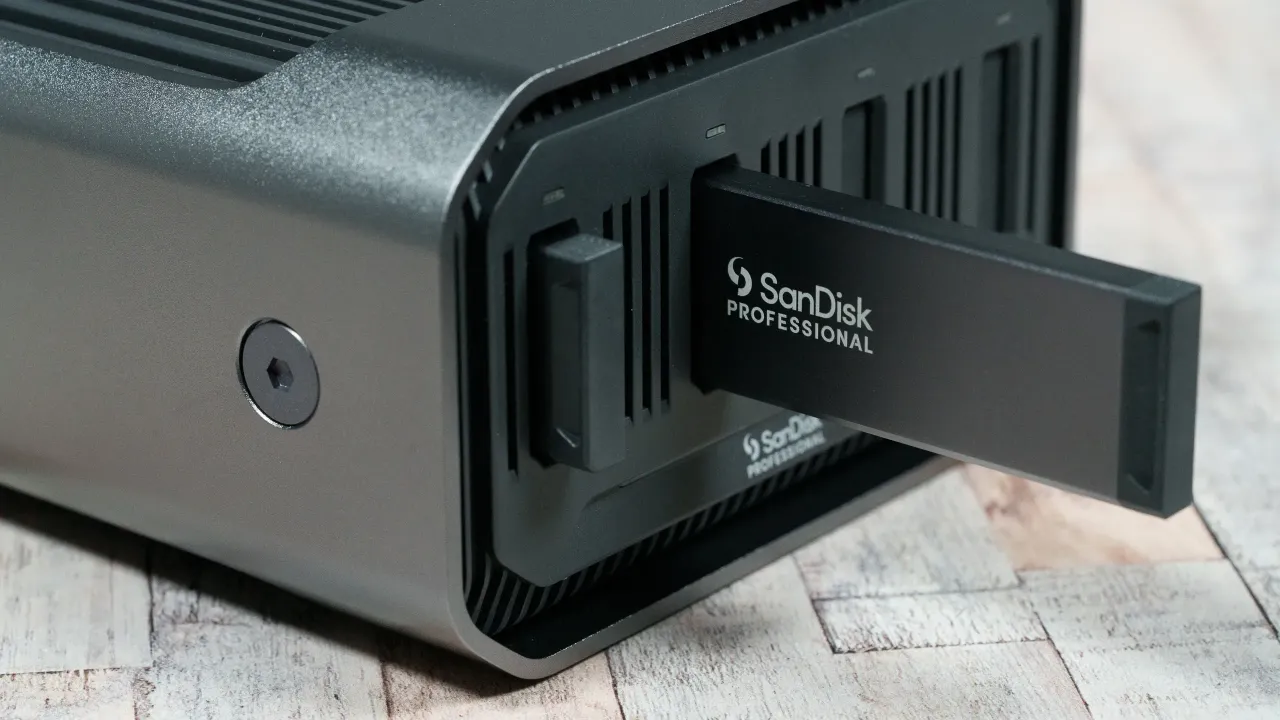
Samsung Averts Strike, Memory Stocks Decline

- Memory Stocks Decline: In Friday's premarket session, SanDisk and Micron stocks fell by 1.4% and 0.4% respectively, reflecting a bearish sentiment in the market, particularly after Samsung's tentative agreement, leading investors to doubt further upside potential.
- Samsung's Agreement: The tentative deal with workers provides all chip employees with a cash bonus equivalent to 50% of their annual salary and allocates 10.5% of operating profit for special bonuses, which not only alleviates strike risks but also stabilizes the global chip supply chain.
- Bearish Market Sentiment: According to Stocktwits, retail sentiment for Micron, SanDisk, Western Digital, and Seagate is predominantly bearish, indicating that despite significant year-to-date stock price increases, investor confidence in further gains remains low.
- DRAM ETF Decline: The Roundhill Memory ETF (DRAM) dropped 1.5% on Friday, mirroring a 2.3% decline in Samsung shares in Seoul, reflecting concerns about the overall outlook for the memory sector, despite a 5.5% rise on Thursday due to the agreement.
See More

US Stocks Edge Up as IBM Receives $1 Billion Grant


- Market Recovery: On Thursday, the S&P 500 rose by 0.17%, the Dow Jones Industrial Average increased by 0.55%, and the Nasdaq 100 gained 0.20%, indicating a recovery from early losses, particularly with the Dow reaching a 3.25-month high, reflecting investor confidence in economic stability.
- IBM Government Funding: IBM's stock surged by 12% after receiving a $1 billion grant from the US government to invest in its quantum computing business, which not only strengthens the company's technological capabilities but also positions it favorably for future market competition.
- Supportive Economic Data: Initial US weekly unemployment claims fell to 209,000, close to the expected 210,000, indicating stability in the labor market, while strong performance in manufacturing and housing further bolstered market confidence, despite the Philadelphia Fed business outlook survey dropping to a 5-month low.
- Oil Price Volatility: WTI crude oil prices experienced significant volatility on Thursday, initially rising before retreating over 1% after Iran stated that the latest US proposal had
See More

US Stocks Edge Up as Economic Data Shows Stability


- Economic Stability: US weekly initial unemployment claims fell by 3,000 to 209,000, close to the expected 210,000, indicating stability in the labor market and boosting investor confidence in economic recovery.
- Manufacturing Expansion: The May S&P manufacturing PMI unexpectedly rose by 0.8 to 55.3, surpassing expectations of 53.8, marking the strongest pace of expansion in four years, which could drive investment and growth in related sectors.
- Oil Price Volatility: WTI crude oil prices retreated after an initial 4% gain, influenced by market reactions to the situation in Iran, highlighting the uncertainty in the energy market that may impact the overall economy.
- Corporate Earnings Performance: So far, 83% of the 466 S&P 500 companies have beaten earnings estimates, with Q1 earnings projected to climb 12% year-over-year, providing support for the stock market despite a slowdown in the tech sector.
See More

US Stock Market Pressured by Rising Oil Prices Amid Iran Tensions
- Oil Price Surge Impacts Market: The S&P 500 index fell 0.35%, the Dow Jones Industrial Average dropped 0.11%, and the Nasdaq 100 index decreased 0.51% as crude oil prices rose over 2% due to tensions between the US and Iran, indicating market concerns over potential energy supply disruptions.
- Mixed Economic Data: Initial US weekly unemployment claims fell by 3,000 to 209,000, close to expectations, while the May Philadelphia Fed business outlook survey unexpectedly dropped to -0.4, reflecting uncertainty in economic recovery that could affect investor confidence.
- Weak Performance in Tech Stocks: Nvidia's earnings beat expectations but its stock fell over 1% amid rising competition, and Intuit plummeted more than 19% due to revenue falling short of forecasts, highlighting challenges within the tech sector.
- International Market Volatility: Overseas markets showed mixed results, with the Euro Stoxx 50 down 0.02%, China's Shanghai Composite falling 2.04%, while Japan's Nikkei index rose 3.14%, reflecting global economic uncertainty and divergent investor sentiment.
See More
Reasons Behind Sandisk's Stock Surge
- Significant Revenue Growth: Sandisk's third-quarter revenue surged 251% year-over-year to $5.95 billion, primarily driven by demand from data centers and edge computing, showcasing the company's strong performance in the rapidly growing AI market.
- Soaring Gross Margin: The company's gross margin skyrocketed from 22.7% in Q3 2025 to 78.4%, surpassing industry leader Nvidia's 75%, indicating Sandisk's success in enhancing profitability and boosting investor confidence.
- Dramatic EPS Improvement: Sandisk's earnings per share skyrocketed from a loss of $0.30 to a gain of $23.41, reflecting a significant enhancement in the company's profitability under high demand conditions, prompting investors to reassess its intrinsic value.
- Optimistic Market Outlook: Despite Sandisk's forward P/E ratio of 24 being lower than the S&P 500's 22, investors should remain cautious due to the cyclical risks in the memory hardware industry, as the next five years may face the risk of a demand bubble.
See More
Estee Lauder Shares Surge 11.9% in Early Trading
- Strong Stock Performance: Estee Lauder's shares surged 11.9% in early trading on Friday, making it the best-performing component of the S&P 500 index, indicating optimistic market sentiment regarding its future growth prospects.
- Year-to-Date Review: Despite a year-to-date decline of approximately 15.7%, this rebound may suggest a reassessment of the company's long-term value by investors, potentially attracting more capital inflow.
- Market Volatility Analysis: In contrast, Bank of New York Mellon was the worst-performing component of the day, with a staggering drop of 92.5%, and a year-to-date decline of 91.2%, reflecting significant challenges and a lack of market confidence.
- Other Component Movements: On the same trading day, SanDisk's stock fell by 2.8%, while Dell Technologies rose by 10.1%, highlighting the varying market reactions to different companies, which may influence investors' asset allocation strategies.
See More
Samsung Averts Strike, Memory Stocks Decline
- Memory Stocks Decline: In Friday's premarket session, SanDisk and Micron stocks fell by 1.4% and 0.4% respectively, reflecting a bearish sentiment in the market, particularly after Samsung's tentative agreement, leading investors to doubt further upside potential.
- Samsung's Agreement: The tentative deal with workers provides all chip employees with a cash bonus equivalent to 50% of their annual salary and allocates 10.5% of operating profit for special bonuses, which not only alleviates strike risks but also stabilizes the global chip supply chain.
- Bearish Market Sentiment: According to Stocktwits, retail sentiment for Micron, SanDisk, Western Digital, and Seagate is predominantly bearish, indicating that despite significant year-to-date stock price increases, investor confidence in further gains remains low.
- DRAM ETF Decline: The Roundhill Memory ETF (DRAM) dropped 1.5% on Friday, mirroring a 2.3% decline in Samsung shares in Seoul, reflecting concerns about the overall outlook for the memory sector, despite a 5.5% rise on Thursday due to the agreement.
See More
US Stocks Edge Up as IBM Receives $1 Billion Grant
- Market Recovery: On Thursday, the S&P 500 rose by 0.17%, the Dow Jones Industrial Average increased by 0.55%, and the Nasdaq 100 gained 0.20%, indicating a recovery from early losses, particularly with the Dow reaching a 3.25-month high, reflecting investor confidence in economic stability.
- IBM Government Funding: IBM's stock surged by 12% after receiving a $1 billion grant from the US government to invest in its quantum computing business, which not only strengthens the company's technological capabilities but also positions it favorably for future market competition.
- Supportive Economic Data: Initial US weekly unemployment claims fell to 209,000, close to the expected 210,000, indicating stability in the labor market, while strong performance in manufacturing and housing further bolstered market confidence, despite the Philadelphia Fed business outlook survey dropping to a 5-month low.
- Oil Price Volatility: WTI crude oil prices experienced significant volatility on Thursday, initially rising before retreating over 1% after Iran stated that the latest US proposal had
See More
US Stocks Edge Up as Economic Data Shows Stability
- Economic Stability: US weekly initial unemployment claims fell by 3,000 to 209,000, close to the expected 210,000, indicating stability in the labor market and boosting investor confidence in economic recovery.
- Manufacturing Expansion: The May S&P manufacturing PMI unexpectedly rose by 0.8 to 55.3, surpassing expectations of 53.8, marking the strongest pace of expansion in four years, which could drive investment and growth in related sectors.
- Oil Price Volatility: WTI crude oil prices retreated after an initial 4% gain, influenced by market reactions to the situation in Iran, highlighting the uncertainty in the energy market that may impact the overall economy.
- Corporate Earnings Performance: So far, 83% of the 466 S&P 500 companies have beaten earnings estimates, with Q1 earnings projected to climb 12% year-over-year, providing support for the stock market despite a slowdown in the tech sector.
See More
US Stock Market Pressured by Rising Oil Prices Amid Iran Tensions
- Oil Price Surge Impacts Market: The S&P 500 index fell 0.35%, the Dow Jones Industrial Average dropped 0.11%, and the Nasdaq 100 index decreased 0.51% as crude oil prices rose over 2% due to tensions between the US and Iran, indicating market concerns over potential energy supply disruptions.
- Mixed Economic Data: Initial US weekly unemployment claims fell by 3,000 to 209,000, close to expectations, while the May Philadelphia Fed business outlook survey unexpectedly dropped to -0.4, reflecting uncertainty in economic recovery that could affect investor confidence.
- Weak Performance in Tech Stocks: Nvidia's earnings beat expectations but its stock fell over 1% amid rising competition, and Intuit plummeted more than 19% due to revenue falling short of forecasts, highlighting challenges within the tech sector.
- International Market Volatility: Overseas markets showed mixed results, with the Euro Stoxx 50 down 0.02%, China's Shanghai Composite falling 2.04%, while Japan's Nikkei index rose 3.14%, reflecting global economic uncertainty and divergent investor sentiment.
See More