Rocket Lab Faces Major Challenges Amid Mixed News
Written by Emily J. Thompson, Senior Investment Analyst
Updated: Jan 30 2026
0mins


Source: NASDAQ.COM
- Rocket Lab Testing Incident: Rocket Lab experienced a rupture in a stage one testing tank for its new neutron rocket, which, while not uncommon in the aerospace industry, may lead to delays in its first launch, negatively impacting investor confidence and stock price.
- Successful Launch of Electron Rocket: In contrast, Rocket Lab's electron rocket successfully launched two satellites in 2026, demonstrating stability in the small rocket market; however, this achievement could not overshadow the negative news regarding the neutron rocket, resulting in a roughly 5% drop in share price.
- Optimistic IPO Market Outlook: The IPO market in 2026 is expected to see a surge, particularly with major companies like SpaceX potentially going public, which has heightened investor interest and could drive overall market activity.
- Investor Sentiment Fluctuations: Due to multiple delays in the neutron rocket's development, investor confidence in Rocket Lab's future performance is wavering, especially against the backdrop of increasing competition in the aerospace sector, leading to a more cautious outlook on its long-term growth potential.
Trade with 70% Backtested Accuracy
Stop guessing "Should I Buy RKLB?" and start using high-conviction signals backed by rigorous historical data.
Sign up today to access powerful investing tools and make smarter, data-driven decisions.
Analyst Views on RKLB
Wall Street analysts forecast RKLB stock price to fall
11 Analyst Rating
7 Buy
4 Hold
0 Sell
Moderate Buy
Current: 148.030

Low
63.00
Averages
86.89
High
120.00
Current: 148.030
Low
63.00
Averages
86.89
High
120.00
About RKLB
Rocket Lab Corporation is an end-to-end space company. The Company designs and manufactures small and medium-class rockets, spacecraft and spacecraft components, and related software and services to support the space economy. The Company delivers reliable launch services, satellite manufacture, spacecraft design services, spacecraft components, spacecraft manufacturing, and other spacecraft and on-orbit management solutions that make it easier to access space. Its Launch Services segment provides launch and launch-related services to customers on a dedicated mission or ride-share basis. Its Space Systems segment comprises the design and manufacture of spacecraft components and spacecraft program management services, space data applications, and mission operations. Its space systems solutions are the building blocks for spacecraft, which include composite structures, reaction wheels, star trackers, solar solutions, radios, separation systems, and command and control spacecraft software.
About the author

Emily J. Thompson
Emily J. Thompson, a Chartered Financial Analyst (CFA) with 12 years in investment research, graduated with honors from the Wharton School. Specializing in industrial and technology stocks, she provides in-depth analysis for Intellectia’s earnings and market brief reports.
Rocket Lab Stock Soars 450% Amid Growth Prospects
- Strong Financial Performance: Rocket Lab reported a record revenue of $200 million in Q1 2026, reflecting a 63.5% year-over-year increase, and while it posted a net loss of $45 million, the growth in revenue and improving gross margins indicate a strong trajectory toward profitability.
- Surging Backlog: The company's backlog has more than doubled to over $2 billion compared to last year, with an estimated 36% expected to convert to revenue within the next year, providing both short- and intermediate-term revenue assurance for Rocket Lab.
- Dual Business Model: Rocket Lab is expanding through its dual business model of launch services and space systems, with the successful launch of its Neutron rocket targeted for late 2026, which, if successful, could significantly broaden its market potential.
- Competitive Industry Advantage: Amid the upcoming SpaceX IPO, Rocket Lab's proven launch track record and potential revenue streams showcase a strong competitive edge, although high capital expenditures and quarterly losses remain risks for investors to consider.
See More
Rocket Lab Stock Soars 450% Amid Growth Prospects

- Strong Financial Performance: Rocket Lab reported a record revenue of $200 million in Q1 2026, reflecting a 63.5% year-over-year growth, showcasing the company's robust potential in the small satellite launch market, despite a net loss of $45 million, indicating improving profitability.
- Significant Backlog Growth: The company's backlog has more than doubled to over $2 billion, with an estimated 36% expected to convert to revenue within the next year, providing both short-term and intermediate-term revenue assurance and further solidifying its market position.
- Dual Business Model: Rocket Lab is expanding its business through a dual model of launch services and space systems, with the successful launch of its Neutron rocket targeted for late 2026, which could significantly broaden the company's market and application scope, although any setbacks could pose risks.
- Competitive Industry Advantage: Amid the upcoming SpaceX IPO generating excitement in the industry, Rocket Lab's proven launch track record and upcoming product launches present substantial revenue potential, although investors should remain cautious of high capital expenditures and share dilution risks.
See More

SpaceX IPO Outlook and Investment Alternatives

- SpaceX IPO Scale: SpaceX is expected to launch its IPO at a market capitalization of $1.75 trillion, making it the largest IPO in history; however, with only $18.7 billion in revenue last year, its lack of a P/E ratio indicates significant valuation risks.
- Investment Complexity: Investors must purchase shares of both X and xAI alongside SpaceX due to Elon Musk's merger, complicating the investment landscape and negatively impacting SpaceX's profitability.
- Rocket Lab's Market Competition: Rocket Lab's upcoming Neutron rocket, priced under $50 million, is set to challenge SpaceX's market share, and despite a price-to-sales ratio of 111, its growth rate may surpass that of SpaceX, indicating strong market potential.
- Planet Labs' Profitability: Planet Labs achieved a 24% revenue growth in 2024 and generated nearly $58 million in free cash flow, with a price-to-sales ratio of 44, showcasing its success in securing military contracts and presenting an attractive alternative for investors.
See More

SpaceX Set to IPO with $1.75 Trillion Valuation, Raising Concerns Over Overvaluation
- Record IPO Size: SpaceX is set to launch its IPO with a staggering $1.75 trillion valuation, marking the largest IPO in history; however, with $18.7 billion in revenue, its stock price-to-sales ratio stands at 94, indicating significant overvaluation risks.
- Lack of Profitability: The company reported no profits last year, resulting in the absence of a P/E ratio, which raises investor uncertainty, especially after merging with Twitter and xAI, forcing investors to absorb additional risks from social media and AI businesses.
- Intensifying Market Competition: While SpaceX garners significant attention, competitors like Rocket Lab, Planet Labs, and Voyager Technologies are emerging, with Rocket Lab's upcoming Neutron rocket expected to enter the market at under $50 million, potentially eroding SpaceX's market share.
- Successful Transformation of Planet Labs: Planet Labs achieved a 24% revenue growth in 2024 and generated $58 million in free cash flow, showcasing its successful pivot towards military contracts, with a current valuation at half that of SpaceX, attracting increased investor interest.
See More

Three Underrated Space Stocks Worth Buying

- Lunar Exploration Potential: Intuitive Machines (NASDAQ: LUNR) focuses on lunar access and exploration, recently securing over $428 million in new contracts, boosting its backlog to $1.1 billion, with Q1 2026 revenue hitting $186 million, nearly tripling year-over-year, indicating strong growth in the space infrastructure sector.
- Defense Business Expansion: Redwire (NYSE: RDW) is diversifying its revenue streams through the 2025 acquisition of Edge Autonomy, achieving $97 million in Q1 2026 revenue, a 58% increase from last year, and boasting a record backlog of $498 million, reflecting its strategic positioning in the defense sector.
- Earth Observation Opportunities: Spire Global (NYSE: SPIR) specializes in earth observation, anticipating revenue of $75 million to $85 million in 2026, representing 50% year-over-year growth, with its stock gaining 145% year-to-date, showcasing its broad application potential across industries like meteorology and aviation.
- Accelerating Capital Inflow: As significant capital flows into space-related companies, these financially sound and undervalued stocks, despite the spotlight on firms like SpaceX, may offer lucrative returns for long-term investors, warranting attention from savvy investors.
See More
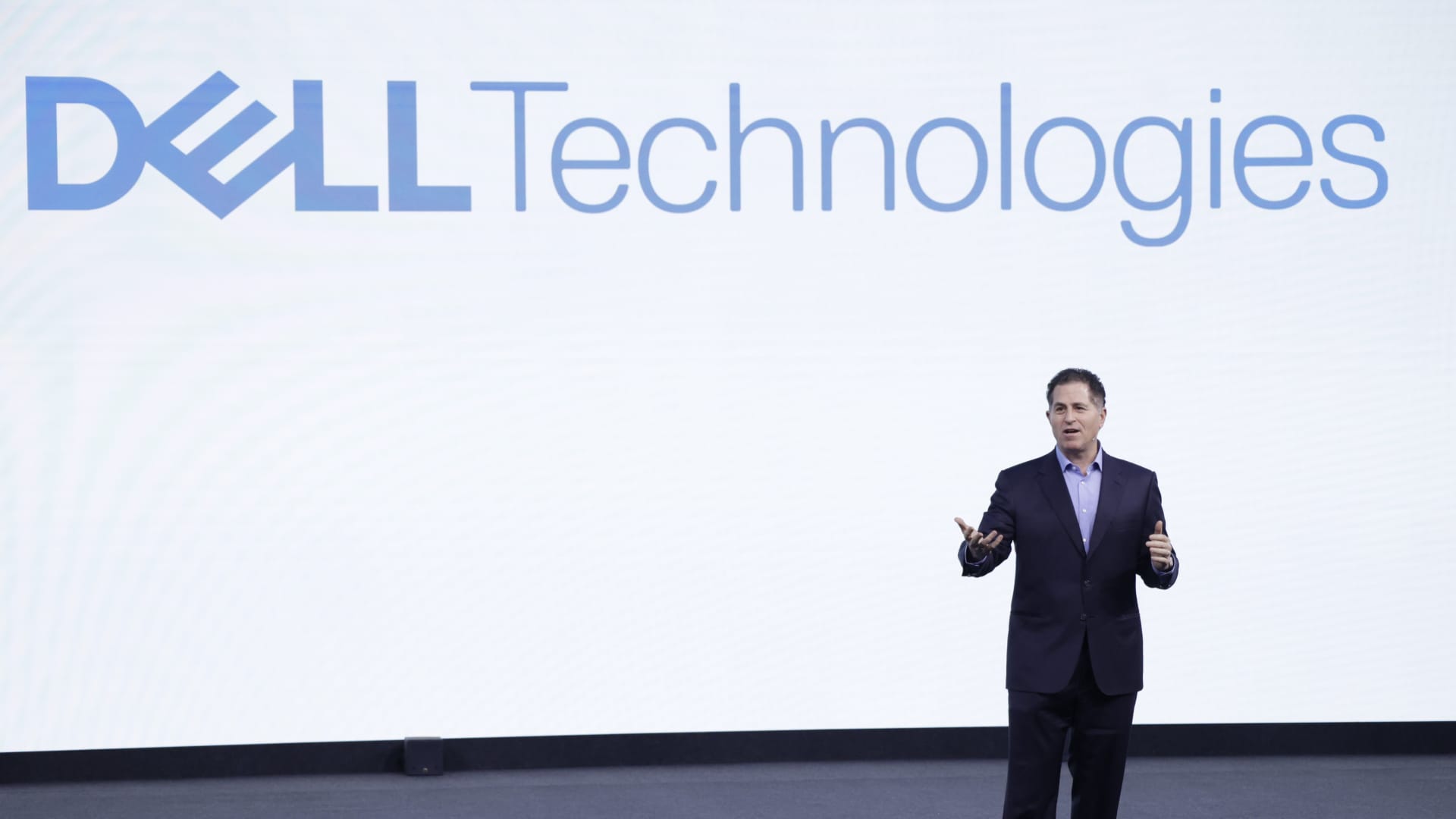
Energy Stocks Decline as Nextpower Acquires Battery Firm
- Energy Sector Decline: Energy stocks fell for the fourth consecutive day after President Trump indicated a potential deal to end the U.S.-Iran conflict, with OneOK leading the S&P 500 energy sector down over 3%, reflecting market concerns about the industry's outlook.
- Nextpower Acquisition: Nextpower's stock surged 13% following its announcement of acquiring battery storage company Prevalon Energy for approximately $365 million, while also raising its full-year revenue guidance, indicating its strategic expansion in the renewable energy sector.
- Dell Technologies Surge: Dell Technologies' shares jumped 29% after raising its full-year guidance, projecting adjusted earnings of $17.90 per share and revenue between $165 billion and $169 billion, significantly exceeding analyst expectations, showcasing strong market demand recovery.
- American Eagle's Poor Performance: American Eagle Outfitters' shares dropped 13% as comparable sales at its American Eagle banner fell 2% in Q1, with second-quarter guidance disappointing analysts, highlighting the sales pressure and intensified competition it faces.
See More
Rocket Lab Stock Soars 450% Amid Growth Prospects
- Strong Financial Performance: Rocket Lab reported a record revenue of $200 million in Q1 2026, reflecting a 63.5% year-over-year increase, and while it posted a net loss of $45 million, the growth in revenue and improving gross margins indicate a strong trajectory toward profitability.
- Surging Backlog: The company's backlog has more than doubled to over $2 billion compared to last year, with an estimated 36% expected to convert to revenue within the next year, providing both short- and intermediate-term revenue assurance for Rocket Lab.
- Dual Business Model: Rocket Lab is expanding through its dual business model of launch services and space systems, with the successful launch of its Neutron rocket targeted for late 2026, which, if successful, could significantly broaden its market potential.
- Competitive Industry Advantage: Amid the upcoming SpaceX IPO, Rocket Lab's proven launch track record and potential revenue streams showcase a strong competitive edge, although high capital expenditures and quarterly losses remain risks for investors to consider.
See More
Rocket Lab Stock Soars 450% Amid Growth Prospects
- Strong Financial Performance: Rocket Lab reported a record revenue of $200 million in Q1 2026, reflecting a 63.5% year-over-year growth, showcasing the company's robust potential in the small satellite launch market, despite a net loss of $45 million, indicating improving profitability.
- Significant Backlog Growth: The company's backlog has more than doubled to over $2 billion, with an estimated 36% expected to convert to revenue within the next year, providing both short-term and intermediate-term revenue assurance and further solidifying its market position.
- Dual Business Model: Rocket Lab is expanding its business through a dual model of launch services and space systems, with the successful launch of its Neutron rocket targeted for late 2026, which could significantly broaden the company's market and application scope, although any setbacks could pose risks.
- Competitive Industry Advantage: Amid the upcoming SpaceX IPO generating excitement in the industry, Rocket Lab's proven launch track record and upcoming product launches present substantial revenue potential, although investors should remain cautious of high capital expenditures and share dilution risks.
See More
SpaceX IPO Outlook and Investment Alternatives
- SpaceX IPO Scale: SpaceX is expected to launch its IPO at a market capitalization of $1.75 trillion, making it the largest IPO in history; however, with only $18.7 billion in revenue last year, its lack of a P/E ratio indicates significant valuation risks.
- Investment Complexity: Investors must purchase shares of both X and xAI alongside SpaceX due to Elon Musk's merger, complicating the investment landscape and negatively impacting SpaceX's profitability.
- Rocket Lab's Market Competition: Rocket Lab's upcoming Neutron rocket, priced under $50 million, is set to challenge SpaceX's market share, and despite a price-to-sales ratio of 111, its growth rate may surpass that of SpaceX, indicating strong market potential.
- Planet Labs' Profitability: Planet Labs achieved a 24% revenue growth in 2024 and generated nearly $58 million in free cash flow, with a price-to-sales ratio of 44, showcasing its success in securing military contracts and presenting an attractive alternative for investors.
See More
SpaceX Set to IPO with $1.75 Trillion Valuation, Raising Concerns Over Overvaluation
- Record IPO Size: SpaceX is set to launch its IPO with a staggering $1.75 trillion valuation, marking the largest IPO in history; however, with $18.7 billion in revenue, its stock price-to-sales ratio stands at 94, indicating significant overvaluation risks.
- Lack of Profitability: The company reported no profits last year, resulting in the absence of a P/E ratio, which raises investor uncertainty, especially after merging with Twitter and xAI, forcing investors to absorb additional risks from social media and AI businesses.
- Intensifying Market Competition: While SpaceX garners significant attention, competitors like Rocket Lab, Planet Labs, and Voyager Technologies are emerging, with Rocket Lab's upcoming Neutron rocket expected to enter the market at under $50 million, potentially eroding SpaceX's market share.
- Successful Transformation of Planet Labs: Planet Labs achieved a 24% revenue growth in 2024 and generated $58 million in free cash flow, showcasing its successful pivot towards military contracts, with a current valuation at half that of SpaceX, attracting increased investor interest.
See More
Three Underrated Space Stocks Worth Buying
- Lunar Exploration Potential: Intuitive Machines (NASDAQ: LUNR) focuses on lunar access and exploration, recently securing over $428 million in new contracts, boosting its backlog to $1.1 billion, with Q1 2026 revenue hitting $186 million, nearly tripling year-over-year, indicating strong growth in the space infrastructure sector.
- Defense Business Expansion: Redwire (NYSE: RDW) is diversifying its revenue streams through the 2025 acquisition of Edge Autonomy, achieving $97 million in Q1 2026 revenue, a 58% increase from last year, and boasting a record backlog of $498 million, reflecting its strategic positioning in the defense sector.
- Earth Observation Opportunities: Spire Global (NYSE: SPIR) specializes in earth observation, anticipating revenue of $75 million to $85 million in 2026, representing 50% year-over-year growth, with its stock gaining 145% year-to-date, showcasing its broad application potential across industries like meteorology and aviation.
- Accelerating Capital Inflow: As significant capital flows into space-related companies, these financially sound and undervalued stocks, despite the spotlight on firms like SpaceX, may offer lucrative returns for long-term investors, warranting attention from savvy investors.
See More
Energy Stocks Decline as Nextpower Acquires Battery Firm
- Energy Sector Decline: Energy stocks fell for the fourth consecutive day after President Trump indicated a potential deal to end the U.S.-Iran conflict, with OneOK leading the S&P 500 energy sector down over 3%, reflecting market concerns about the industry's outlook.
- Nextpower Acquisition: Nextpower's stock surged 13% following its announcement of acquiring battery storage company Prevalon Energy for approximately $365 million, while also raising its full-year revenue guidance, indicating its strategic expansion in the renewable energy sector.
- Dell Technologies Surge: Dell Technologies' shares jumped 29% after raising its full-year guidance, projecting adjusted earnings of $17.90 per share and revenue between $165 billion and $169 billion, significantly exceeding analyst expectations, showcasing strong market demand recovery.
- American Eagle's Poor Performance: American Eagle Outfitters' shares dropped 13% as comparable sales at its American Eagle banner fell 2% in Q1, with second-quarter guidance disappointing analysts, highlighting the sales pressure and intensified competition it faces.
See More