

Rivian Lays Off Hundreds to Reduce Losses
Written by Emily J. Thompson, Senior Investment Analyst
Updated: 3 days ago
0mins

Source: CNBC
- Layoff Announcement: Rivian has announced layoffs affecting hundreds of employees, representing less than 2% of its workforce, as part of a restructuring effort aimed at reducing losses, despite having 15,232 employees at the end of last year.
- New Vehicle Launch: The layoffs come just a week after Rivian officially launched its key new vehicle, the R2 SUV, which is intended to transform Rivian from a niche luxury EV manufacturer into a more mainstream brand akin to Tesla.
- Financial Performance: Rivian reported a loss of $3.6 billion last year while delivering 42,247 vehicles, with a loss of approximately $6,000 per vehicle in the first quarter, highlighting ongoing challenges in achieving profitability.
- Market Challenges: With the Trump administration's elimination of the $7,500 federal incentive for EV purchases, Rivian and other EV manufacturers are facing an increasingly difficult market environment, prompting the company to implement layoffs to navigate competitive pressures.
Trade with 70% Backtested Accuracy
Stop guessing "Should I Buy TSLA?" and start using high-conviction signals backed by rigorous historical data.
Sign up today to access powerful investing tools and make smarter, data-driven decisions.
Analyst Views on TSLA
Wall Street analysts forecast TSLA stock price to rise
30 Analyst Rating
12 Buy
11 Hold
7 Sell
Hold
Current: 396.380

Low
25.28
Averages
401.93
High
600.00
Current: 396.380
Low
25.28
Averages
401.93
High
600.00
About TSLA
Tesla, Inc. designs, develops, manufactures, sells and leases high-performance fully electric vehicles and energy generation and storage systems, and offers services related to its products. Its segments include automotive, and energy generation and storage. The automotive segment includes the design, development, manufacturing, sales and leasing of high-performance fully electric vehicles, and sales of automotive regulatory credits. It also includes sales of used vehicles, non-warranty maintenance services and collisions, part sales, paid supercharging, insurance services revenue and retail merchandise sales. The energy generation and storage segment include the design, manufacture, installation, sales and leasing of solar energy generation and energy storage products and related services and sales of solar energy systems incentives. Its consumer vehicles include the Model 3, Y, S, X and Cybertruck. Its lithium-ion battery energy storage products include Powerwall and Megapack.
About the author

Emily J. Thompson
Emily J. Thompson, a Chartered Financial Analyst (CFA) with 12 years in investment research, graduated with honors from the Wharton School. Specializing in industrial and technology stocks, she provides in-depth analysis for Intellectia’s earnings and market brief reports.
Tesla's Future Growth Expectations Should Be Tempered

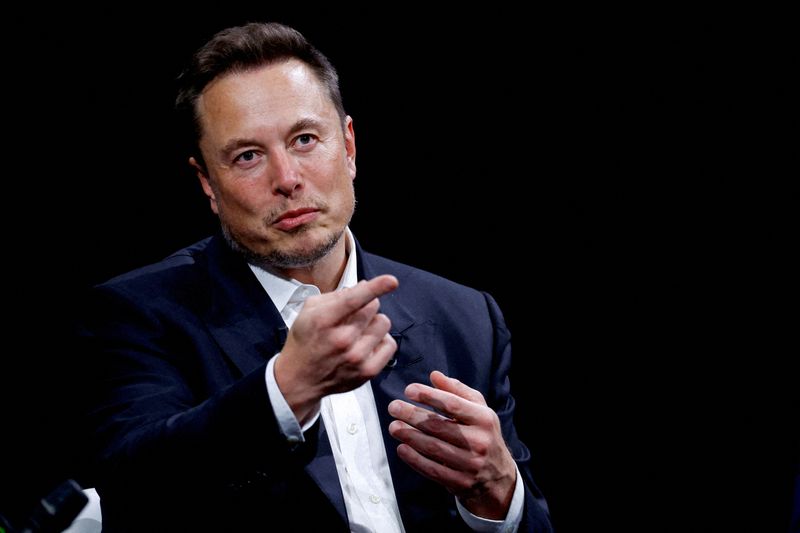
- Stock Price Growth Review: Tesla's stock has surged 2,630% over the past decade, meaning a $10,000 investment is now worth $273,000; despite a 19% drop from its December 2025 peak, long-term investors have still reaped substantial rewards.
- Revenue Decline Warning: In 2025, Tesla's total revenue was $94.8 billion, reflecting a year-over-year decline that highlights increased competition in the EV market, prompting investors to consider the macroeconomic factors affecting company performance.
- Strategic Transformation Goals: Tesla aims to be more than just an EV manufacturer, focusing on leveraging AI technology for autonomous driving and humanoid robots, showcasing its technological foresight and potential for diversification in the premium EV market.
- Market Expectations Too High: With a price-to-earnings ratio of 363, Tesla's stock reflects exceedingly high market expectations for future growth, suggesting that investors should adopt a cautious outlook when considering the next decade's stock performance to avoid unrealistic expectations.
See More
SpaceX IPO Sparks Retail Investor Frenzy
- Strong IPO Performance: SpaceX completed the world's largest IPO, opening at $150 and closing at $191, achieving a market value exceeding $2.5 trillion, indicating strong investor interest in its technology and market potential.
- Retail Investor Participation: Over 20% of shares were allocated to retail investors in this IPO, significantly higher than the typical 5% to 10%, reflecting SpaceX's commitment to ordinary investors and further fueling market enthusiasm.
- Technological and Innovation Edge: SpaceX leads in rocket launches and satellite internet services while actively developing its AI business, which is expected to achieve business goals through low costs and high control, enhancing its competitive position in the market.
- Future Challenges and Risks: Despite strong initial performance, SpaceX faces $12 billion in capital expenditures and a $4.9 billion loss, prompting investors to monitor its financial health and the risks associated with relying on new technologies for growth, which may impact stock performance.
See More

SpaceX Faces Market Cap Fluctuations and Challenges Post-IPO


- Market Cap Fluctuations: Since its IPO on June 12, SpaceX briefly surpassed Microsoft and Amazon in market capitalization, but has since fallen 18% from its intraday high, indicating market concerns about its profitability prospects.
- Operational Losses: The company reported an operational loss of $2.59 billion in 2025 and a further loss of $1.94 billion for Q1 2026, yet some investors remain optimistic about its growth potential, particularly from the expansion of its Starlink network.
- Light Pollution Challenges: By the end of 2025, SpaceX had launched 9,600 Starlink satellites, representing 75% of active maneuverable satellites, but increasing light pollution poses significant challenges for future AI satellite deployments.
- Future Goals: SpaceX aims to achieve an annualized orbital AI compute capacity of 1 terawatt by 2030, despite facing challenges related to light pollution and energy bottlenecks, necessitating close attention to how it addresses these issues for sustained long-term growth.
See More

SpaceX Faces Financial Challenges Amid Future Growth Prospects
- Financial Losses: SpaceX reported an operational loss of $2.59 billion in 2025 and $1.94 billion in Q1 2026, indicating that while the company has significant future growth potential, it currently faces severe financial challenges.
- Satellite Deployment Plans: The company aims to achieve an annualized AI compute capacity of 1 GW by the end of 2027, scaling to 1 TW by 2030, but this ambitious goal is hindered by light pollution and energy bottlenecks.
- Light Pollution Concerns: The plan to deploy AI compute satellites in sun-synchronous orbit could lead to significant light pollution, adversely affecting astronomical research and potentially provoking public backlash.
- Simplified Technology: Unlike Starlink satellites, the AI satellites are expected to have a simpler design with a wingspan of 70 meters and a height of 20 meters, aiming to reduce production costs and enhance operational efficiency.
See More
SpaceX Raises $86 Billion in Successful IPO, Fuels Growth Potential
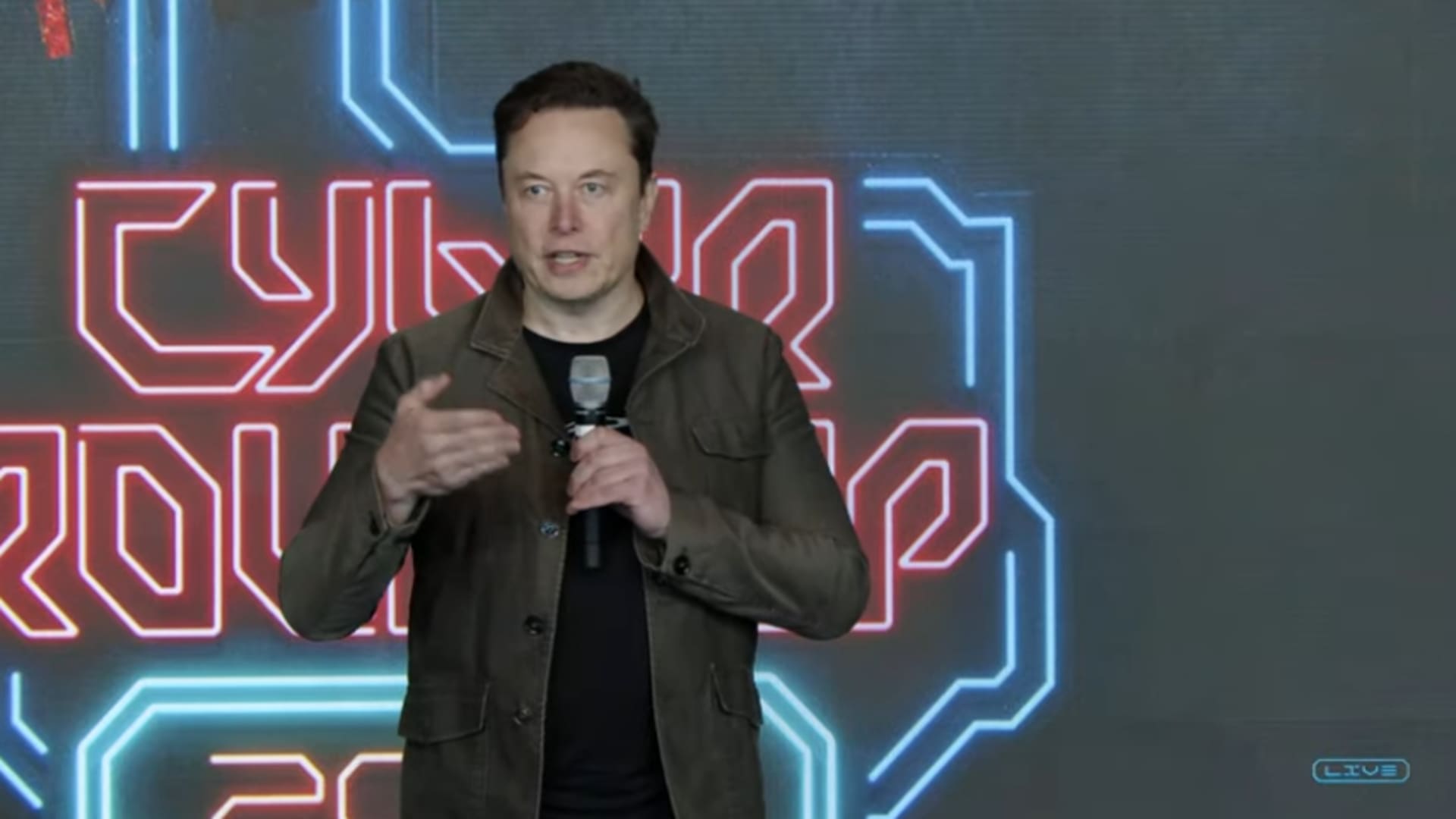
- Successful IPO Funding: SpaceX raised nearly $86 billion in its IPO, surpassing its initial target of $75 billion, with these funds earmarked for capital-intensive growth initiatives, thereby accelerating the company's expansion in aerospace and artificial intelligence sectors.
- Market Capitalization Boost: With a market cap now exceeding $2 trillion, SpaceX is expected to raise additional capital in the future, creating more business opportunities for its suppliers, particularly as resource sharing with Tesla enhances both companies' market positions.
- Focus on AI Investment: SpaceX claims a total addressable market of $28.5 trillion, with over 90% related to artificial intelligence, indicating a significant increase in spending on AI initiatives to drive advancements in autonomous driving technology, thereby enhancing its competitive edge in future markets.
- Tesla's Strategic Dependence: Tesla's $2 billion investment in xAI and its merger with SpaceX highlight its reliance on SpaceX for autonomous driving capabilities, ensuring that it leverages SpaceX's AI investments to achieve its self-driving goals and maintain a competitive advantage in the emerging robotaxi market.
See More

SpaceX to Aggressively Invest in AI Post-IPO
- Successful IPO Financing: SpaceX raised nearly $86 billion in its IPO, exceeding its initial target of $75 billion, which provides robust support for future capital expenditures and is expected to accelerate investments in AI.
- Massive AI Market Potential: SpaceX claims a total addressable market of $28.5 trillion, with over 90% related to AI, indicating a strategic pivot towards AI business that could significantly enhance its long-term growth prospects.
- Strategic Collaboration with Tesla: The deepening relationship between SpaceX and Tesla, highlighted by Tesla's $2 billion investment in xAI and its merger with SpaceX, suggests that Tesla will directly benefit from SpaceX's advancements in AI, aiding its self-driving ambitions.
- Autonomous Driving Market Outlook: Analysts predict the global autonomous taxi market could be valued between $8 trillion and $10 trillion, and SpaceX's AI investments will provide critical support for Tesla to secure a foothold in this emerging market.
See More
Tesla's Future Growth Expectations Should Be Tempered
- Stock Price Growth Review: Tesla's stock has surged 2,630% over the past decade, meaning a $10,000 investment is now worth $273,000; despite a 19% drop from its December 2025 peak, long-term investors have still reaped substantial rewards.
- Revenue Decline Warning: In 2025, Tesla's total revenue was $94.8 billion, reflecting a year-over-year decline that highlights increased competition in the EV market, prompting investors to consider the macroeconomic factors affecting company performance.
- Strategic Transformation Goals: Tesla aims to be more than just an EV manufacturer, focusing on leveraging AI technology for autonomous driving and humanoid robots, showcasing its technological foresight and potential for diversification in the premium EV market.
- Market Expectations Too High: With a price-to-earnings ratio of 363, Tesla's stock reflects exceedingly high market expectations for future growth, suggesting that investors should adopt a cautious outlook when considering the next decade's stock performance to avoid unrealistic expectations.
See More
SpaceX IPO Sparks Retail Investor Frenzy
- Strong IPO Performance: SpaceX completed the world's largest IPO, opening at $150 and closing at $191, achieving a market value exceeding $2.5 trillion, indicating strong investor interest in its technology and market potential.
- Retail Investor Participation: Over 20% of shares were allocated to retail investors in this IPO, significantly higher than the typical 5% to 10%, reflecting SpaceX's commitment to ordinary investors and further fueling market enthusiasm.
- Technological and Innovation Edge: SpaceX leads in rocket launches and satellite internet services while actively developing its AI business, which is expected to achieve business goals through low costs and high control, enhancing its competitive position in the market.
- Future Challenges and Risks: Despite strong initial performance, SpaceX faces $12 billion in capital expenditures and a $4.9 billion loss, prompting investors to monitor its financial health and the risks associated with relying on new technologies for growth, which may impact stock performance.
See More
SpaceX Faces Market Cap Fluctuations and Challenges Post-IPO
- Market Cap Fluctuations: Since its IPO on June 12, SpaceX briefly surpassed Microsoft and Amazon in market capitalization, but has since fallen 18% from its intraday high, indicating market concerns about its profitability prospects.
- Operational Losses: The company reported an operational loss of $2.59 billion in 2025 and a further loss of $1.94 billion for Q1 2026, yet some investors remain optimistic about its growth potential, particularly from the expansion of its Starlink network.
- Light Pollution Challenges: By the end of 2025, SpaceX had launched 9,600 Starlink satellites, representing 75% of active maneuverable satellites, but increasing light pollution poses significant challenges for future AI satellite deployments.
- Future Goals: SpaceX aims to achieve an annualized orbital AI compute capacity of 1 terawatt by 2030, despite facing challenges related to light pollution and energy bottlenecks, necessitating close attention to how it addresses these issues for sustained long-term growth.
See More
SpaceX Faces Financial Challenges Amid Future Growth Prospects
- Financial Losses: SpaceX reported an operational loss of $2.59 billion in 2025 and $1.94 billion in Q1 2026, indicating that while the company has significant future growth potential, it currently faces severe financial challenges.
- Satellite Deployment Plans: The company aims to achieve an annualized AI compute capacity of 1 GW by the end of 2027, scaling to 1 TW by 2030, but this ambitious goal is hindered by light pollution and energy bottlenecks.
- Light Pollution Concerns: The plan to deploy AI compute satellites in sun-synchronous orbit could lead to significant light pollution, adversely affecting astronomical research and potentially provoking public backlash.
- Simplified Technology: Unlike Starlink satellites, the AI satellites are expected to have a simpler design with a wingspan of 70 meters and a height of 20 meters, aiming to reduce production costs and enhance operational efficiency.
See More
SpaceX Raises $86 Billion in Successful IPO, Fuels Growth Potential
- Successful IPO Funding: SpaceX raised nearly $86 billion in its IPO, surpassing its initial target of $75 billion, with these funds earmarked for capital-intensive growth initiatives, thereby accelerating the company's expansion in aerospace and artificial intelligence sectors.
- Market Capitalization Boost: With a market cap now exceeding $2 trillion, SpaceX is expected to raise additional capital in the future, creating more business opportunities for its suppliers, particularly as resource sharing with Tesla enhances both companies' market positions.
- Focus on AI Investment: SpaceX claims a total addressable market of $28.5 trillion, with over 90% related to artificial intelligence, indicating a significant increase in spending on AI initiatives to drive advancements in autonomous driving technology, thereby enhancing its competitive edge in future markets.
- Tesla's Strategic Dependence: Tesla's $2 billion investment in xAI and its merger with SpaceX highlight its reliance on SpaceX for autonomous driving capabilities, ensuring that it leverages SpaceX's AI investments to achieve its self-driving goals and maintain a competitive advantage in the emerging robotaxi market.
See More
SpaceX to Aggressively Invest in AI Post-IPO
- Successful IPO Financing: SpaceX raised nearly $86 billion in its IPO, exceeding its initial target of $75 billion, which provides robust support for future capital expenditures and is expected to accelerate investments in AI.
- Massive AI Market Potential: SpaceX claims a total addressable market of $28.5 trillion, with over 90% related to AI, indicating a strategic pivot towards AI business that could significantly enhance its long-term growth prospects.
- Strategic Collaboration with Tesla: The deepening relationship between SpaceX and Tesla, highlighted by Tesla's $2 billion investment in xAI and its merger with SpaceX, suggests that Tesla will directly benefit from SpaceX's advancements in AI, aiding its self-driving ambitions.
- Autonomous Driving Market Outlook: Analysts predict the global autonomous taxi market could be valued between $8 trillion and $10 trillion, and SpaceX's AI investments will provide critical support for Tesla to secure a foothold in this emerging market.
See More



