

Projected Target Price for VIOV Analyst: $107


Vanguard S&P Small-Cap 600 Value ETF Analysis: The Vanguard S&P Small-Cap 600 Value ETF (VIOV) has an implied analyst target price of $107.36, indicating a potential upside of 12.06% from its current trading price of $95.81.
Notable Holdings with Upside Potential: Key underlying holdings of VIOV, such as Peabody Energy Corp (BTU), National Vision Holdings Inc (EYE), and Par Pacific Holdings Inc (PARR), show significant upside potential based on analyst target prices, with expected increases of 15.04%, 12.92%, and 12.76%, respectively.
Analyst Target Price Justification: The article raises questions about whether analysts' target prices are justified or overly optimistic, suggesting that high targets could lead to future downgrades if they do not align with recent market developments.
Investor Research Recommendation: Investors are encouraged to conduct further research to assess the validity of analyst targets and to consider the implications of potential price adjustments based on market conditions.
Trade with 70% Backtested Accuracy
Analyst Views on EYE

About EYE
About the author

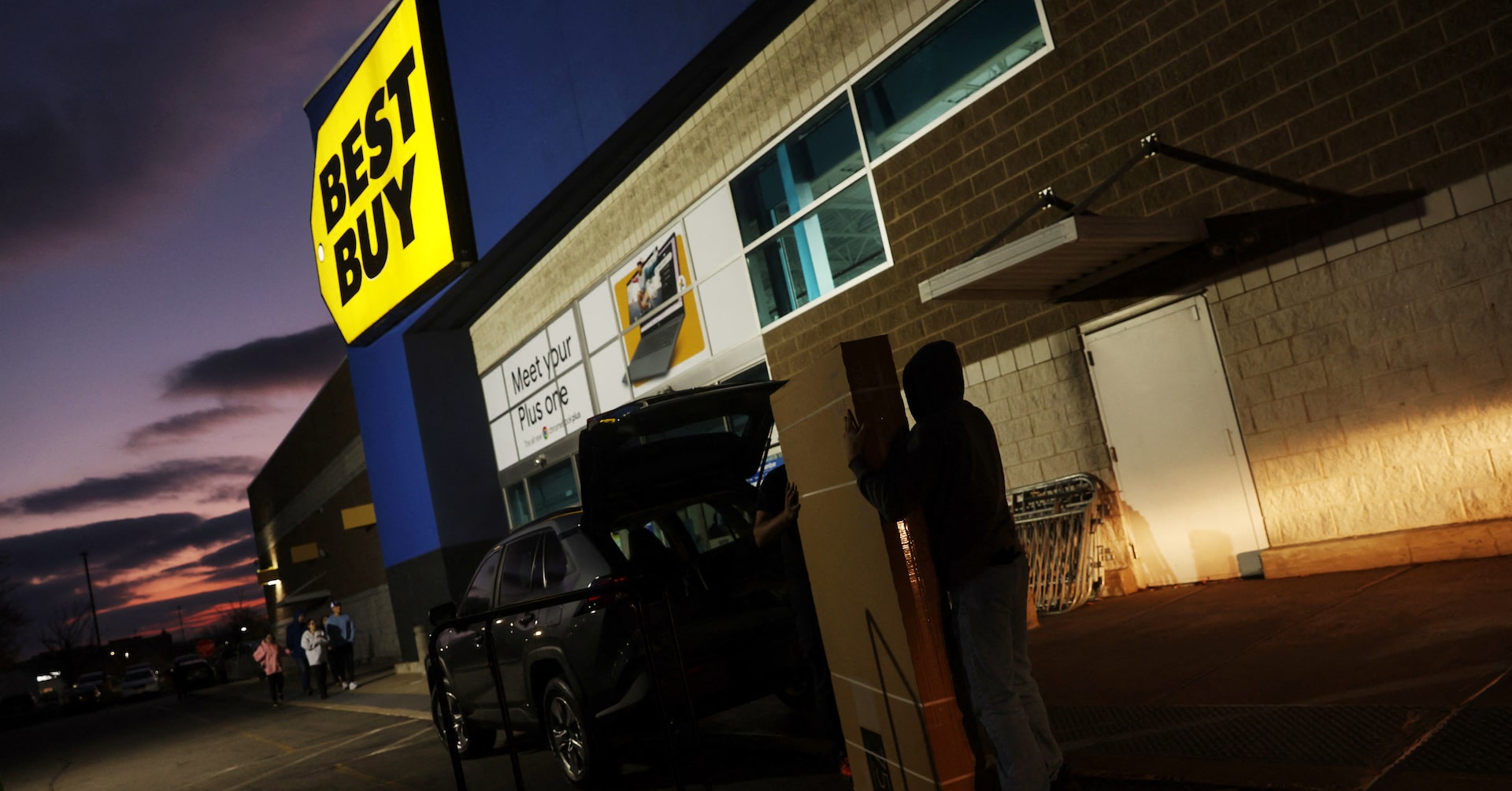
Best Buy Partners with Meta for AI Glasses Experience

- Partnership Background: Best Buy and Meta Platforms have partnered to launch Meta Labs in 50 Best Buy locations, addressing the 50% of customers who wish to try Meta's AI glasses and VR headsets in person, thereby enhancing consumer confidence in their purchasing decisions.
- Initial Launch Plan: Meta Labs will debut in 5 Best Buy stores in June, with further expansions planned throughout the summer and holiday season, aiming to attract more consumers by enhancing the customer experience.
- Competitive Impact Analysis: Analysts from Goldman Sachs noted that while National Vision, Warby Parker, and EssilorLuxottica also sell AI glasses, the differentiated services offered mean that Best Buy's partnership will not pose a significant threat to these competitors, potentially aiding their market education and consumer adoption efforts.
- Market Outlook: Warby Parker anticipates that this collaboration will enhance its ability to capture traffic ahead of its upcoming AI glasses launch (including Google and Samsung products), while EssilorLuxottica will leverage this opportunity to expand distribution channels and improve consumer awareness of smart glasses.

Insider Stock Purchases Show Confidence

- Insider Activity: National Vision Holdings' Director Michael J. Nicholson purchased 50,000 shares of EYE at $15.52 each on Friday, totaling an investment of $776,000, indicating confidence in the company's future performance.
- Investment Gains: Nicholson's investment is currently up about 14.4%, based on today's trading high of $17.75, suggesting a positive market reaction to EYE, which may bolster investor confidence.
- First Purchase: Pebblebrook Hotel Trust's CEO Jon E. Bortz bought 40,000 shares at $16.96 each on Tuesday, amounting to $678,600, marking his first purchase in the past year, reflecting a renewed focus on the company's prospects.
- Market Performance: As of Wednesday, National Vision Holdings is up approximately 4.9%, while Pebblebrook Hotel Trust has risen about 1.2%, indicating a favorable market response to insider buying, potentially driving further stock price increases.
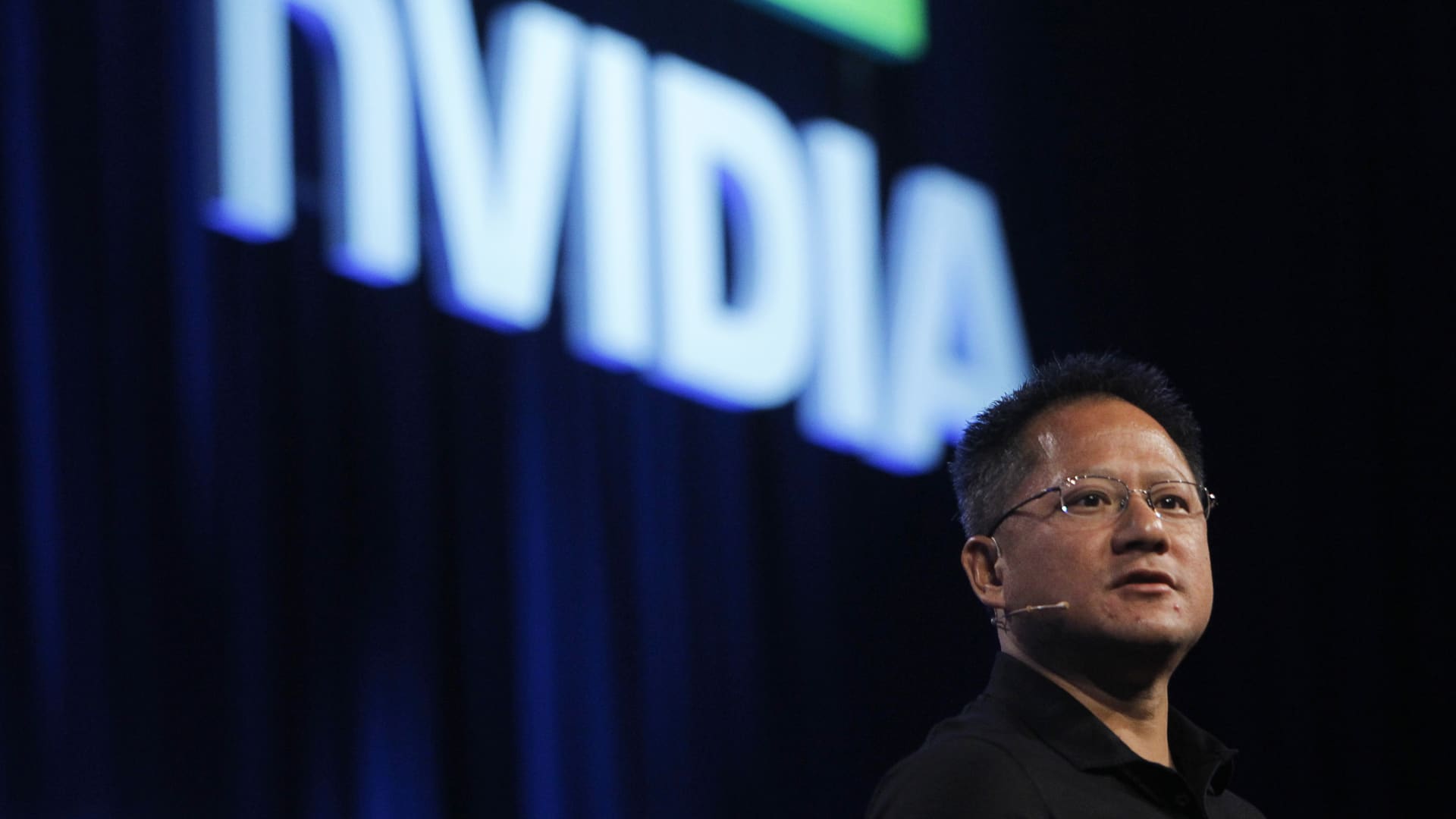
Bank of America Bullish on Apple and Nvidia Stocks

- BofA Stock Picks: Bank of America remains bullish on stocks like Apple and Nvidia as it heads into June, highlighting their significant upside potential, particularly in the current economic climate, making them attractive assets for investors.
- Toll Brothers Strong Performance: Analyst Rafe Jadrosich noted that Toll Brothers delivered a 'rare' beat and raise in its latest quarterly report, with healthy margins and robust demand for luxury homes, positioning it as a top pick despite a challenging macroeconomic environment.
- Citigroup Future Potential: Citigroup has risen 67% over the past 12 months, with BofA analyst Ebrahim Poonawala raising the 12-month price target from $150 to $170, believing the company's proactive approach in AI will further drive stock price increases.
- Retail Stocks Outlook: BofA analyst Robert Ohmes sees strong growth momentum in Dollar General and National Vision Holdings, particularly as Dollar General enhances delivery capabilities through partnerships with Uber and Instacart, despite recent stock declines, making them attractive buying opportunities.

April CPI Rises to 3.8%, Retail Stocks Under Pressure
- CPI Impact: The April Consumer Price Index (CPI) surged to 3.8%, the highest in nearly three years, indicating rising prices for imported apparel, electronics, and home goods, which pressures retailers as consumers face reduced discretionary income.
- Oil Price Pressure: With oil prices nearing $107, the financial strain on consumers intensifies, squeezing profit margins for retailers, particularly as they head into the back-to-school season where sales and profits are expected to be challenged.
- Market Overreaction: The market's strong reaction to the CPI data led to declines in stocks like Camping World, OneWater, and MarineMax, yet this may present buying opportunities for investors in high-quality stocks during periods of market volatility.
- MarineMax Volatility: MarineMax has experienced 31 moves greater than 5% in the past year, and while its current stock price is close to a 52-week high, long-term investors have seen significant declines in returns, reflecting cautious market sentiment regarding its future performance.

National Vision Holdings Under Investigation for Securities Violations
- Investigation Background: Johnson Fistel, PLLP is investigating whether National Vision Holdings violated federal securities laws, focusing on investor losses and potential recovery under these laws, indicating serious concerns about the company's compliance.
- Financial Performance Disclosure: In its Q1 2026 earnings report, National Vision revealed that while comparable store sales grew, overall performance was impacted by lower self-pay customer traffic, highlighting challenges in customer acquisition.
- Digital Platform Transition Issues: The company experienced traffic disruptions during the replatforming of the America’s Best website, which reset search and social optimization, adversely affecting customer online experience and conversion rates, potentially exacerbating investor concerns.
- Stock Price Reaction: Following the May 13, 2026 disclosures, National Vision's stock price declined by approximately 20%, indicating a significant loss of market confidence in the company's future prospects, which may lead more investors to seek legal recourse.
National Vision Holdings Reports Strong Q1 2026 Earnings Growth and Profitability
- Significant Revenue Growth: In Q1 2026, National Vision reported net revenue of $543.9 million, a 6.6% increase year-over-year, primarily driven by a 4.5% growth in Adjusted Comparable Store Sales, indicating strong market performance and rising customer demand.
- Enhanced Profitability: Net income surged from $14.2 million to $31.2 million, with net income margin improving from 2.8% to 5.7%, reflecting successful cost control and operational efficiency, which bolsters investor confidence.
- Store Expansion: The company opened eight new America's Best stores while closing three, and added 20 new Military stores, resulting in a 3.0% increase in total store count, demonstrating proactive market expansion efforts.
- Optimistic Future Outlook: National Vision reiterated its fiscal 2026 guidance, projecting net revenue between $2.033 billion and $2.091 billion, with Adjusted Diluted EPS expected to range from $0.85 to $1.09, showcasing confidence in future growth and effective strategic planning.
Best Buy Partners with Meta for AI Glasses Experience
- Partnership Background: Best Buy and Meta Platforms have partnered to launch Meta Labs in 50 Best Buy locations, addressing the 50% of customers who wish to try Meta's AI glasses and VR headsets in person, thereby enhancing consumer confidence in their purchasing decisions.
- Initial Launch Plan: Meta Labs will debut in 5 Best Buy stores in June, with further expansions planned throughout the summer and holiday season, aiming to attract more consumers by enhancing the customer experience.
- Competitive Impact Analysis: Analysts from Goldman Sachs noted that while National Vision, Warby Parker, and EssilorLuxottica also sell AI glasses, the differentiated services offered mean that Best Buy's partnership will not pose a significant threat to these competitors, potentially aiding their market education and consumer adoption efforts.
- Market Outlook: Warby Parker anticipates that this collaboration will enhance its ability to capture traffic ahead of its upcoming AI glasses launch (including Google and Samsung products), while EssilorLuxottica will leverage this opportunity to expand distribution channels and improve consumer awareness of smart glasses.
Insider Stock Purchases Show Confidence
- Insider Activity: National Vision Holdings' Director Michael J. Nicholson purchased 50,000 shares of EYE at $15.52 each on Friday, totaling an investment of $776,000, indicating confidence in the company's future performance.
- Investment Gains: Nicholson's investment is currently up about 14.4%, based on today's trading high of $17.75, suggesting a positive market reaction to EYE, which may bolster investor confidence.
- First Purchase: Pebblebrook Hotel Trust's CEO Jon E. Bortz bought 40,000 shares at $16.96 each on Tuesday, amounting to $678,600, marking his first purchase in the past year, reflecting a renewed focus on the company's prospects.
- Market Performance: As of Wednesday, National Vision Holdings is up approximately 4.9%, while Pebblebrook Hotel Trust has risen about 1.2%, indicating a favorable market response to insider buying, potentially driving further stock price increases.
Bank of America Bullish on Apple and Nvidia Stocks
- BofA Stock Picks: Bank of America remains bullish on stocks like Apple and Nvidia as it heads into June, highlighting their significant upside potential, particularly in the current economic climate, making them attractive assets for investors.
- Toll Brothers Strong Performance: Analyst Rafe Jadrosich noted that Toll Brothers delivered a 'rare' beat and raise in its latest quarterly report, with healthy margins and robust demand for luxury homes, positioning it as a top pick despite a challenging macroeconomic environment.
- Citigroup Future Potential: Citigroup has risen 67% over the past 12 months, with BofA analyst Ebrahim Poonawala raising the 12-month price target from $150 to $170, believing the company's proactive approach in AI will further drive stock price increases.
- Retail Stocks Outlook: BofA analyst Robert Ohmes sees strong growth momentum in Dollar General and National Vision Holdings, particularly as Dollar General enhances delivery capabilities through partnerships with Uber and Instacart, despite recent stock declines, making them attractive buying opportunities.
April CPI Rises to 3.8%, Retail Stocks Under Pressure
- CPI Impact: The April Consumer Price Index (CPI) surged to 3.8%, the highest in nearly three years, indicating rising prices for imported apparel, electronics, and home goods, which pressures retailers as consumers face reduced discretionary income.
- Oil Price Pressure: With oil prices nearing $107, the financial strain on consumers intensifies, squeezing profit margins for retailers, particularly as they head into the back-to-school season where sales and profits are expected to be challenged.
- Market Overreaction: The market's strong reaction to the CPI data led to declines in stocks like Camping World, OneWater, and MarineMax, yet this may present buying opportunities for investors in high-quality stocks during periods of market volatility.
- MarineMax Volatility: MarineMax has experienced 31 moves greater than 5% in the past year, and while its current stock price is close to a 52-week high, long-term investors have seen significant declines in returns, reflecting cautious market sentiment regarding its future performance.
National Vision Holdings Under Investigation for Securities Violations
- Investigation Background: Johnson Fistel, PLLP is investigating whether National Vision Holdings violated federal securities laws, focusing on investor losses and potential recovery under these laws, indicating serious concerns about the company's compliance.
- Financial Performance Disclosure: In its Q1 2026 earnings report, National Vision revealed that while comparable store sales grew, overall performance was impacted by lower self-pay customer traffic, highlighting challenges in customer acquisition.
- Digital Platform Transition Issues: The company experienced traffic disruptions during the replatforming of the America’s Best website, which reset search and social optimization, adversely affecting customer online experience and conversion rates, potentially exacerbating investor concerns.
- Stock Price Reaction: Following the May 13, 2026 disclosures, National Vision's stock price declined by approximately 20%, indicating a significant loss of market confidence in the company's future prospects, which may lead more investors to seek legal recourse.
National Vision Holdings Reports Strong Q1 2026 Earnings Growth and Profitability
- Significant Revenue Growth: In Q1 2026, National Vision reported net revenue of $543.9 million, a 6.6% increase year-over-year, primarily driven by a 4.5% growth in Adjusted Comparable Store Sales, indicating strong market performance and rising customer demand.
- Enhanced Profitability: Net income surged from $14.2 million to $31.2 million, with net income margin improving from 2.8% to 5.7%, reflecting successful cost control and operational efficiency, which bolsters investor confidence.
- Store Expansion: The company opened eight new America's Best stores while closing three, and added 20 new Military stores, resulting in a 3.0% increase in total store count, demonstrating proactive market expansion efforts.
- Optimistic Future Outlook: National Vision reiterated its fiscal 2026 guidance, projecting net revenue between $2.033 billion and $2.091 billion, with Adjusted Diluted EPS expected to range from $0.85 to $1.09, showcasing confidence in future growth and effective strategic planning.





