PayTomorrow Integrates Katapult into Its Waterfall Application Process
Written by Emily J. Thompson, Senior Investment Analyst
Updated: Jul 16 2024
0mins


Source: Newsfilter
Trade with 70% Backtested Accuracy
Stop guessing "Should I Buy W?" and start using high-conviction signals backed by rigorous historical data.
Sign up today to access powerful investing tools and make smarter, data-driven decisions.
Analyst Views on W
Wall Street analysts forecast W stock price to rise
26 Analyst Rating
18 Buy
8 Hold
0 Sell
Moderate Buy
Current: 66.260

Low
75.00
Averages
118.16
High
150.00
Current: 66.260
Low
75.00
Averages
118.16
High
150.00
About W
Wayfair Inc., through its e-commerce platform, offers a selection of furniture, decor, housewares and home improvement products. The Company’s customers span a range of demographics, with annual household incomes ranging from $25,000 to over $250,000, and also include business professionals, from small startups to global enterprises. Its family of brands includes Wayfair, AllModern, Birch Lane, Joss & Main, Perigold and Wayfair Professional. It also features certain products under its house brands, such as Three Posts and Mercury Row. The Company operates through two segments: U.S. and International. The U.S. segment primarily consists of amounts earned through product sales through Wayfair's family of sites in the U.S. The International segment primarily consists of amounts earned through product sales through the Company’s international sites. It operates as Wayfair.ca in Canada, Wayfair.co.uk in the United Kingdom and Wayfair.ie in Ireland.
About the author

Emily J. Thompson
Emily J. Thompson, a Chartered Financial Analyst (CFA) with 12 years in investment research, graduated with honors from the Wharton School. Specializing in industrial and technology stocks, she provides in-depth analysis for Intellectia’s earnings and market brief reports.
Social Media Influencers Transform India's Food and Beverage Market


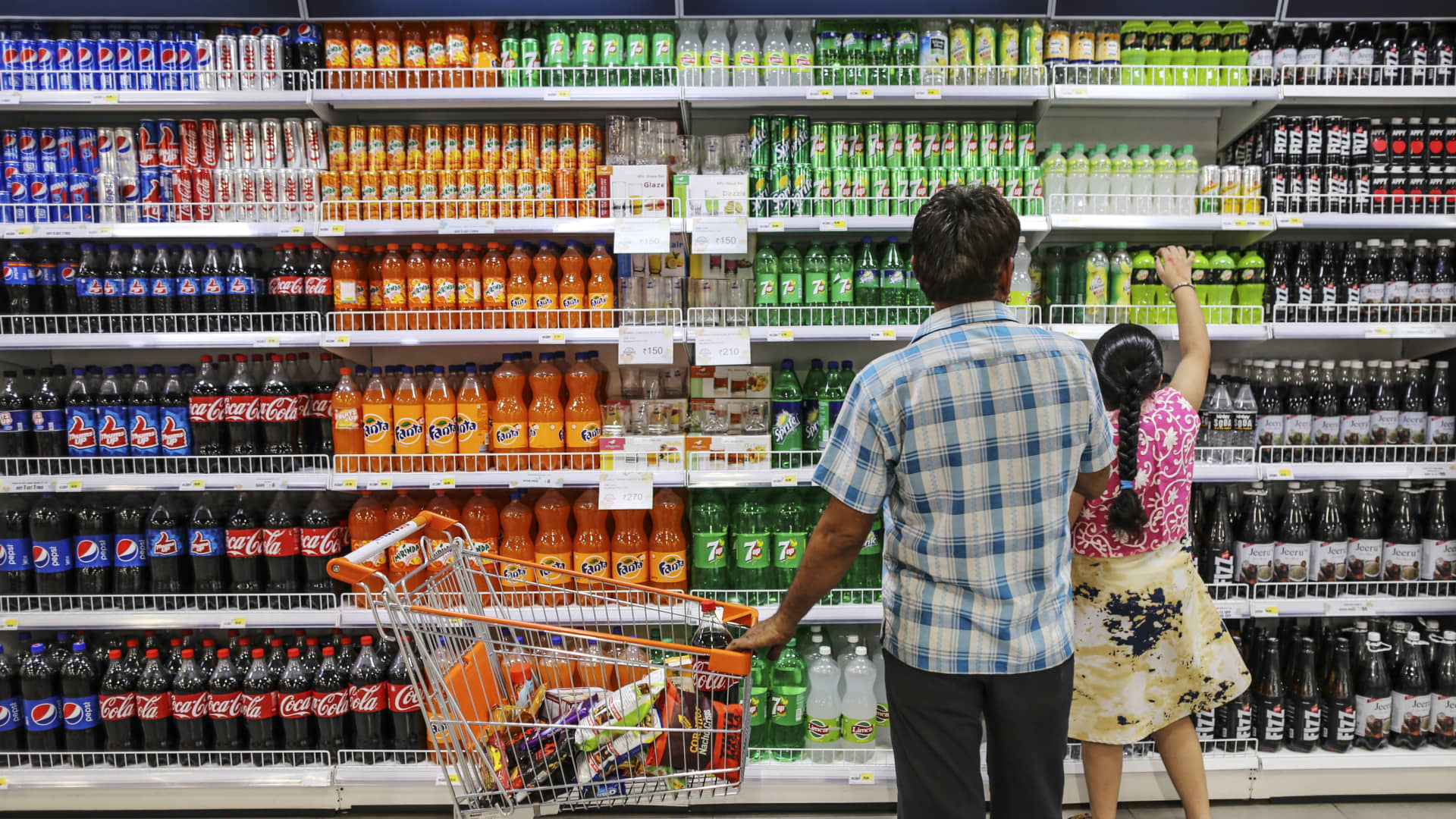
- Health Beverage Transformation: PepsiCo reports that over 50% of its beverage portfolio in India consists of low- to no-sugar options, with plans to increase this to 90%, reflecting a significant shift towards healthier consumer preferences in the market.
- Consumer Awareness Rise: Social media influencers are urging consumers to read labels, leading brands like Dabur and Mondelez to reduce sugar content; Dabur has cut sugar by 21% in its juices by 2023 and aims for an additional 20% reduction, highlighting the strong demand for healthier products.
- Rise of D2C Brands: The growth of social media is facilitating the rise of direct-to-consumer brands in India, posing a threat to traditional companies that fail to adapt, as experts indicate this trend will be a crucial lever for future personal care and food brands.
- Strengthened Food Safety Regulations: India's food safety regulator has banned certain beverages from using
See More

Michael Burry Sells Entire GameStop Stake Due to Acquisition Risks


- Investment Decision Shift: Michael Burry announced on his Substack that he sold his entire GameStop stake due to the company's acquisition proposal for eBay, which he believes undermines his investment thesis, particularly with a debt-to-EBITDA ratio exceeding 5x, indicating his concerns over high leverage.
- Acquisition Proposal Details: GameStop made an unsolicited offer to acquire eBay for $125 per share in cash and stock, valuing the online marketplace at approximately $55.5 billion; however, the feasibility of financing this deal has raised significant market skepticism despite the substantial premium over recent trading levels.
- Market Reaction: Following the acquisition announcement, GameStop's shares fell about 10%, reflecting investor doubts regarding the deal's viability and concerns over the company's financial health, with its market capitalization nearing $12 billion.
- Financial Structure Risks: Burry highlighted that if the acquisition were to proceed at the proposed valuation, GameStop's leverage could rise to approximately 7.7 times, bordering on distressed levels, and he referenced companies like Wayfair and Carvana that have struggled under similar debt burdens, emphasizing the risks associated with high leverage.
See More
Wayfair Q1 Revenue Beats Expectations Amid Market Challenges

- Revenue Growth: Wayfair reported Q1 revenue of $2.93 billion, a 7.4% year-over-year increase that surpassed analyst expectations of $2.89 billion, indicating the company's ability to achieve growth despite a sluggish home goods market.
- Profitability Pressure: The adjusted EPS of $0.26 fell short of the $0.28 expected by analysts, reflecting challenges in profitability amid ongoing macroeconomic pressures, particularly high energy costs and weak discretionary spending.
- Customer Growth: Active customers reached 21.4 million, an increase of 300,000 year-over-year, demonstrating the company's success in customer acquisition even in a challenging market environment, as Wayfair continues to expand its market share.
- Technology Investments: Wayfair is leveraging artificial intelligence to enhance catalog translation and product enrichment, and despite rising costs, management believes these investments will support future revenue growth and margin expansion.
See More
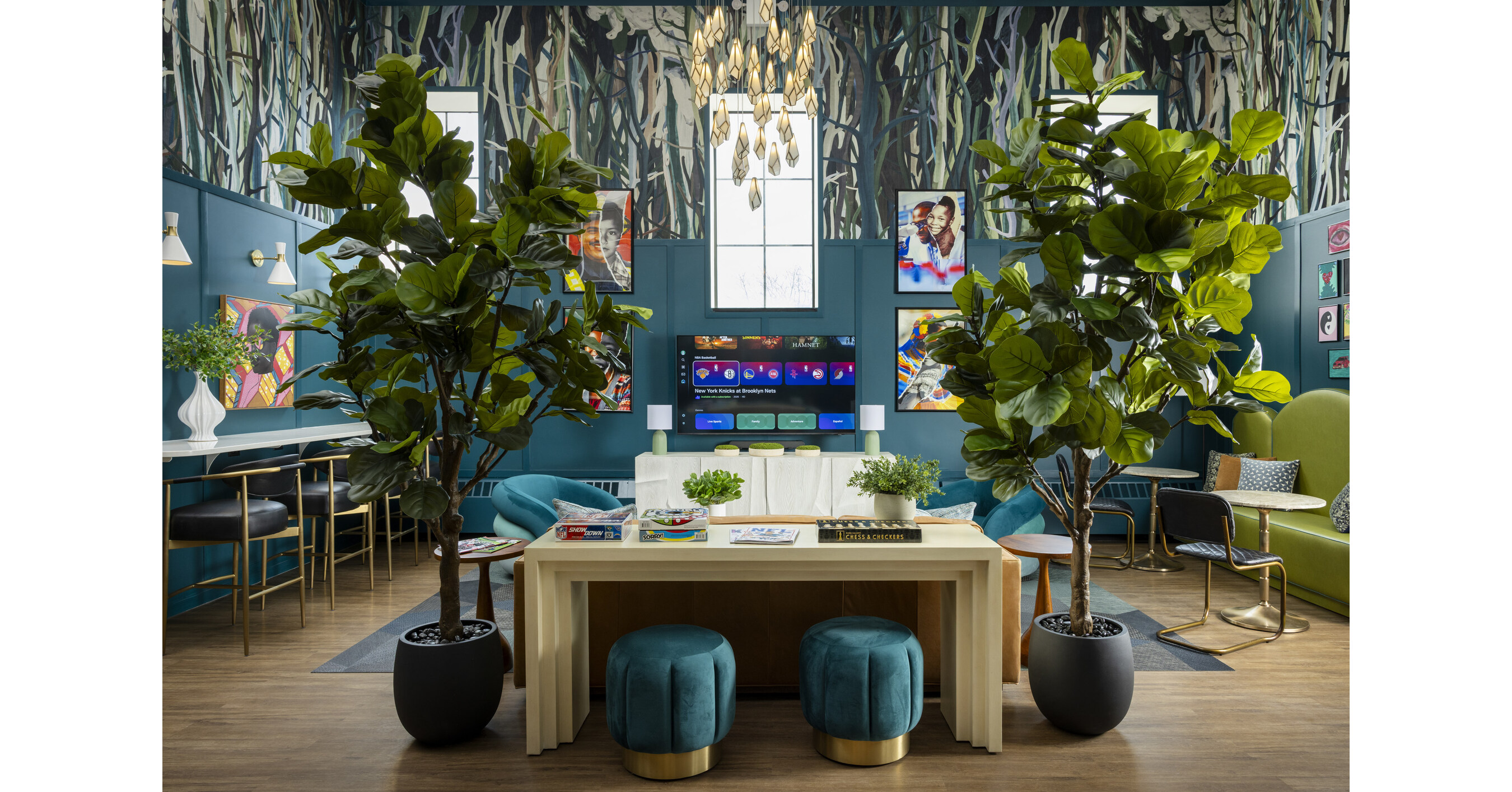
Perigold Partners with NBC to Redesign Community Space
- Community Space Redesign: Perigold collaborates with NBC's Emmy-winning show 'George to the Rescue' to reimagine the Kips Bay Boys & Girls Club in New York City, aiming to create a vibrant and inspiring environment for local youth.
- Design Philosophy: Designer Corey Damen Jenkins emphasizes that this transformation is not just about aesthetics but also about supporting children's growth through community building, with Perigold providing a diverse range of high-quality furniture and décor to realize this vision.
- Charitable Donation: The project will culminate in a special broadcast on May 2, accompanied by a $1 million donation from Ciara and Russell Wilson's 'Why Not You Foundation', further supporting the mission of Kips Bay Boys & Girls Club and highlighting corporate social responsibility.
- Brand Promotion: Perigold will feature its products in the show and launch a 'Shop the Look' collection, aiming to extend the design narrative to customers nationwide, enhancing brand visibility and driving sales.
See More
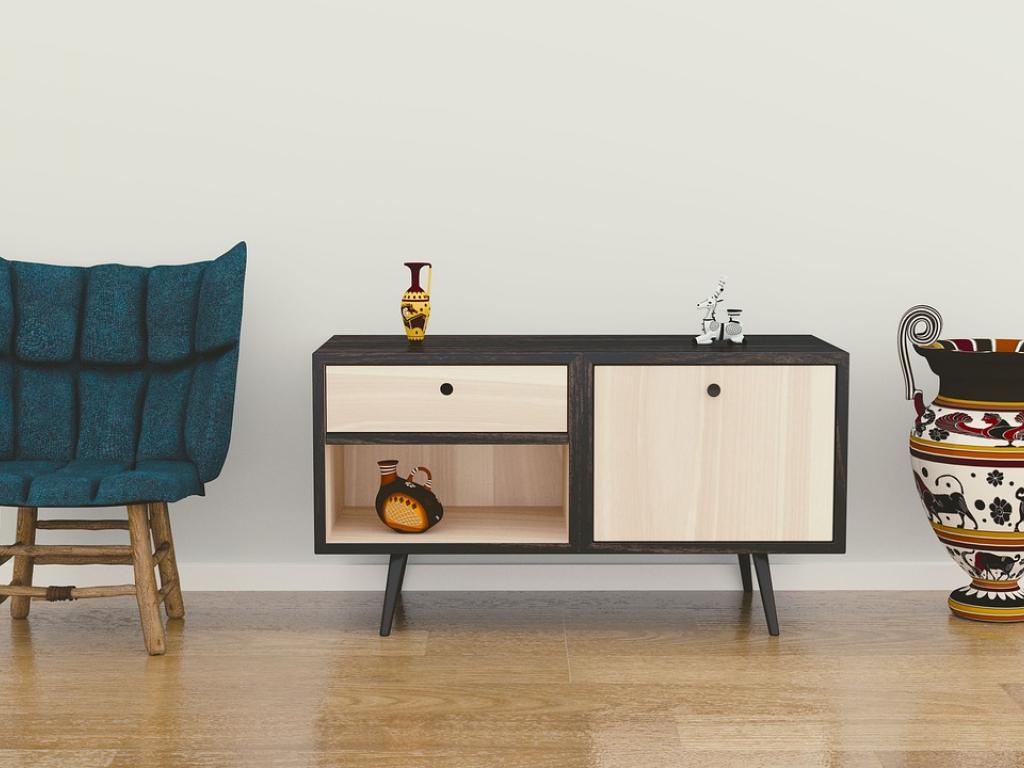
Perigold Partners with NBC to Redesign Community Space
- Community Space Redesign: Perigold collaborates with NBC's 'George to the Rescue' to reimagine the Kips Bay Boys & Girls Club in New York City, serving as the exclusive furniture and décor provider, enhancing the growth environment for local youth and showcasing the brand's commitment to social responsibility.
- Design Philosophy: Designer Corey Damen Jenkins emphasizes that the project aims to create a vibrant and possibility-filled space, with Perigold's durable and beautiful furnishings bringing this vision to life, further enhancing the brand's influence in the luxury home market.
- Charitable Donation: The project will culminate in a broadcast on May 2, accompanied by a $1 million donation from Ciara and Russell Wilson's Why Not You Foundation to support the Kips Bay Boys & Girls Club, highlighting the brand's commitment and support for the community.
- Marketing Promotion: Perigold will feature its products in the show and launch a 'Shop the Look' collection, aiming to extend the design story to customers nationwide, thereby enhancing brand awareness and customer engagement.
See More
U.S. Stocks Surge, Led by Tech Gains


- Tech Stock Rally: Alphabet reported Q1 revenue of $94.57 billion, exceeding the consensus of $91.57 billion, leading to a more than 9% stock increase, which not only boosted the overall market but also set new highs, indicating strong recovery potential in the tech sector.
- Chipmakers Surge: Qualcomm's Q2 adjusted revenue of $10.60 billion surpassed expectations of $10.56 billion, resulting in a stock surge of over 15%, which not only enhanced its market position but also lifted the entire semiconductor sector.
- Positive Economic Data: U.S. initial jobless claims fell to 189,000, a 57-year low, reflecting a robust labor market that further bolstered investor confidence in economic recovery, contributing to the stock market's rise.
- Oil Price Decline Supports Stocks: WTI crude oil prices fell by more than 1%, lowering inflation expectations and bond yields, which provided support for the stock market, with the 10-year T-note yield dropping to 4.38%, creating a favorable financing environment for equities.
See More
Social Media Influencers Transform India's Food and Beverage Market
- Health Beverage Transformation: PepsiCo reports that over 50% of its beverage portfolio in India consists of low- to no-sugar options, with plans to increase this to 90%, reflecting a significant shift towards healthier consumer preferences in the market.
- Consumer Awareness Rise: Social media influencers are urging consumers to read labels, leading brands like Dabur and Mondelez to reduce sugar content; Dabur has cut sugar by 21% in its juices by 2023 and aims for an additional 20% reduction, highlighting the strong demand for healthier products.
- Rise of D2C Brands: The growth of social media is facilitating the rise of direct-to-consumer brands in India, posing a threat to traditional companies that fail to adapt, as experts indicate this trend will be a crucial lever for future personal care and food brands.
- Strengthened Food Safety Regulations: India's food safety regulator has banned certain beverages from using
See More
Michael Burry Sells Entire GameStop Stake Due to Acquisition Risks
- Investment Decision Shift: Michael Burry announced on his Substack that he sold his entire GameStop stake due to the company's acquisition proposal for eBay, which he believes undermines his investment thesis, particularly with a debt-to-EBITDA ratio exceeding 5x, indicating his concerns over high leverage.
- Acquisition Proposal Details: GameStop made an unsolicited offer to acquire eBay for $125 per share in cash and stock, valuing the online marketplace at approximately $55.5 billion; however, the feasibility of financing this deal has raised significant market skepticism despite the substantial premium over recent trading levels.
- Market Reaction: Following the acquisition announcement, GameStop's shares fell about 10%, reflecting investor doubts regarding the deal's viability and concerns over the company's financial health, with its market capitalization nearing $12 billion.
- Financial Structure Risks: Burry highlighted that if the acquisition were to proceed at the proposed valuation, GameStop's leverage could rise to approximately 7.7 times, bordering on distressed levels, and he referenced companies like Wayfair and Carvana that have struggled under similar debt burdens, emphasizing the risks associated with high leverage.
See More
Wayfair Q1 Revenue Beats Expectations Amid Market Challenges
- Revenue Growth: Wayfair reported Q1 revenue of $2.93 billion, a 7.4% year-over-year increase that surpassed analyst expectations of $2.89 billion, indicating the company's ability to achieve growth despite a sluggish home goods market.
- Profitability Pressure: The adjusted EPS of $0.26 fell short of the $0.28 expected by analysts, reflecting challenges in profitability amid ongoing macroeconomic pressures, particularly high energy costs and weak discretionary spending.
- Customer Growth: Active customers reached 21.4 million, an increase of 300,000 year-over-year, demonstrating the company's success in customer acquisition even in a challenging market environment, as Wayfair continues to expand its market share.
- Technology Investments: Wayfair is leveraging artificial intelligence to enhance catalog translation and product enrichment, and despite rising costs, management believes these investments will support future revenue growth and margin expansion.
See More
Perigold Partners with NBC to Redesign Community Space
- Community Space Redesign: Perigold collaborates with NBC's Emmy-winning show 'George to the Rescue' to reimagine the Kips Bay Boys & Girls Club in New York City, aiming to create a vibrant and inspiring environment for local youth.
- Design Philosophy: Designer Corey Damen Jenkins emphasizes that this transformation is not just about aesthetics but also about supporting children's growth through community building, with Perigold providing a diverse range of high-quality furniture and décor to realize this vision.
- Charitable Donation: The project will culminate in a special broadcast on May 2, accompanied by a $1 million donation from Ciara and Russell Wilson's 'Why Not You Foundation', further supporting the mission of Kips Bay Boys & Girls Club and highlighting corporate social responsibility.
- Brand Promotion: Perigold will feature its products in the show and launch a 'Shop the Look' collection, aiming to extend the design narrative to customers nationwide, enhancing brand visibility and driving sales.
See More
Perigold Partners with NBC to Redesign Community Space
- Community Space Redesign: Perigold collaborates with NBC's 'George to the Rescue' to reimagine the Kips Bay Boys & Girls Club in New York City, serving as the exclusive furniture and décor provider, enhancing the growth environment for local youth and showcasing the brand's commitment to social responsibility.
- Design Philosophy: Designer Corey Damen Jenkins emphasizes that the project aims to create a vibrant and possibility-filled space, with Perigold's durable and beautiful furnishings bringing this vision to life, further enhancing the brand's influence in the luxury home market.
- Charitable Donation: The project will culminate in a broadcast on May 2, accompanied by a $1 million donation from Ciara and Russell Wilson's Why Not You Foundation to support the Kips Bay Boys & Girls Club, highlighting the brand's commitment and support for the community.
- Marketing Promotion: Perigold will feature its products in the show and launch a 'Shop the Look' collection, aiming to extend the design story to customers nationwide, thereby enhancing brand awareness and customer engagement.
See More
U.S. Stocks Surge, Led by Tech Gains
- Tech Stock Rally: Alphabet reported Q1 revenue of $94.57 billion, exceeding the consensus of $91.57 billion, leading to a more than 9% stock increase, which not only boosted the overall market but also set new highs, indicating strong recovery potential in the tech sector.
- Chipmakers Surge: Qualcomm's Q2 adjusted revenue of $10.60 billion surpassed expectations of $10.56 billion, resulting in a stock surge of over 15%, which not only enhanced its market position but also lifted the entire semiconductor sector.
- Positive Economic Data: U.S. initial jobless claims fell to 189,000, a 57-year low, reflecting a robust labor market that further bolstered investor confidence in economic recovery, contributing to the stock market's rise.
- Oil Price Decline Supports Stocks: WTI crude oil prices fell by more than 1%, lowering inflation expectations and bond yields, which provided support for the stock market, with the 10-year T-note yield dropping to 4.38%, creating a favorable financing environment for equities.
See More