OpenAI Partners with Broadcom to Develop AI Hardware
Written by Emily J. Thompson, Senior Investment Analyst
Updated: Mar 26 2026
0mins

Source: NASDAQ.COM
- AI Hardware Collaboration: OpenAI has entered a multi-year partnership with Broadcom to co-develop 10 gigawatts of custom AI accelerators tailored to OpenAI's software needs, thereby reducing reliance on Nvidia's general-purpose hardware, indicating a shift in the competitive landscape of the AI hardware market.
- Doubling AI Chip Revenue: Broadcom anticipates its AI semiconductor revenue will double to $8.2 billion in 2025, reflecting not only the rising demand for custom chips but also the effectiveness of Broadcom's strategic positioning in the AI sector.
- Strong Financial Performance: Broadcom's revenue is projected to grow by 24% in 2025 compared to 2024, reaching $63.8 billion, with diluted earnings per share (EPS) increasing by 40% and a net profit margin of 36.57%, showcasing the company's competitive edge and profitability in the AI hardware market.
- Intensifying Industry Competition: As companies like OpenAI and Anthropic shift towards custom chips, Broadcom's market position may strengthen further, especially given its partnerships with Google, Microsoft, and Amazon, which enhance its influence in the industry.
Trade with 70% Backtested Accuracy
Stop guessing "Should I Buy AVGO?" and start using high-conviction signals backed by rigorous historical data.
Sign up today to access powerful investing tools and make smarter, data-driven decisions.
Analyst Views on AVGO
Wall Street analysts forecast AVGO stock price to fall
30 Analyst Rating
29 Buy
1 Hold
0 Sell
Strong Buy
Current: 481.570

Low
370.00
Averages
457.75
High
525.00
Current: 481.570
Low
370.00
Averages
457.75
High
525.00
About AVGO
Broadcom Inc. is a global technology firm that designs, develops, and supplies a range of semiconductors, enterprise software and security solutions. The Company operates through two segments: semiconductor solutions and infrastructure software. Its semiconductor solutions segment includes all of its product lines and intellectual property (IP) licensing. It provides a variety of radio frequency semiconductor devices, wireless connectivity solutions, custom touch controllers, and inductive charging solutions for mobile applications. Its infrastructure software segment includes its private and hybrid cloud, application development and delivery, software-defined edge, application networking and security, mainframe, distributed and cybersecurity solutions, and its FC SAN business. It provides a portfolio of software solutions that enable customers to plan, develop, automate, manage and secure applications across mainframe, distributed, mobile and cloud platforms.
About the author

Emily J. Thompson
Emily J. Thompson, a Chartered Financial Analyst (CFA) with 12 years in investment research, graduated with honors from the Wharton School. Specializing in industrial and technology stocks, she provides in-depth analysis for Intellectia’s earnings and market brief reports.
Broadcom Stock Surges 66% Amid AI Optimism

- Stock Performance: Broadcom (AVGO) has surged 66% since its low on March 30, with a 40% year-to-date increase, reflecting strong investor confidence in its role as a key player in the AI data center market, which is expected to drive continued demand for AI infrastructure.
- Earnings Expectations: Analysts anticipate that Broadcom will report a 47% revenue increase to $22.12 billion and a 52% rise in adjusted earnings per share to $2.40 in its upcoming earnings report on Wednesday, marking the highest growth rate since Q1 2017.
- Retail Investor Sentiment: Over the past week, sentiment for Broadcom on Stocktwits has surged, with message volume increasing over 700%, indicating that retail investors are extremely optimistic about the upcoming earnings report, with many traders expecting a significant stock price jump post-announcement.
- AI Chip Partnerships: Broadcom's long-term agreements with Google and Meta to develop future generations of Tensor Processing Units and AI accelerators further solidify its strategic position in the AI market, with analysts believing this will drive robust growth in AI-related sales.
See More

U.S.-Iran Conflict Escalation Impacts Markets

- Escalating U.S.-Iran Tensions: The overnight exchange of fire between the U.S. and Iran marks a significant escalation since the ceasefire, raising concerns about future geopolitical stability, which could impact global oil prices and investor confidence.
- Federal Reserve Economic Outlook: The latest Beige Book indicates that while the U.S. economy expanded marginally through May, inflationary pressures continue to burden consumers and corporate profit margins, with the PCE index rising 3.8% in April, the highest level since 2023.
- Poor Stock Market Performance: On Wednesday, all three major U.S. indexes fell, with the Dow Jones dropping over 600 points to close down 1.21%, ending a winning streak that had lasted for nearly two decades, highlighting market sensitivity to geopolitical risks.
- Oil Price Fluctuations: Oil futures edged lower in overnight trading as a new ceasefire agreement between Israel and Lebanon boosted sentiment, with Brent crude futures down nearly 1% and WTI crude futures down about 0.79%, reflecting market concerns over supply chain stability.
See More

Broadcom (AVGO) Q2 2026 Earnings Transcript
See More

Middle East Tensions Impact Market Volatility

- Escalating Middle East Tensions: Israeli Prime Minister Netanyahu stated that Israel and the U.S. are prepared to take military action against Iran if necessary, which pushed oil prices higher despite a ceasefire agreement with Lebanon, highlighting the complexity of the situation.
- U.S. Congressional Response: The U.S. House passed a war powers measure to end military involvement in Iran, reflecting growing congressional pushback against the scope and duration of the conflict, although the measure still needs Senate approval and could face a presidential veto.
- Corporate Earnings Impact: Broadcom's shares plummeted nearly 14% in after-hours trading due to weaker-than-expected software revenue and failure to raise its full-year AI chip sales target, negatively impacting Wall Street's recent tech-led rally.
- Bitcoin Market Dynamics: Long-term holders of Bitcoin have begun selling, with approximately $2.4 billion sold in the past two days, which could significantly affect Bitcoin's supply/demand balance, particularly as 26% of the sold Bitcoin was purchased above $90,000.
See More

Broadcom Reports Record Q2 2026 Earnings Driven by AI Semiconductor Demand
- Record Revenue: Broadcom achieved total revenue of $22.2 billion in Q2 2026, marking a 48% year-on-year increase and surpassing guidance, primarily driven by robust demand for AI semiconductors, underscoring the company's competitive edge in a rapidly growing market.
- Surge in AI Semiconductor Orders: The quarter saw AI semiconductor bookings exceeding $30 billion against shipments of $10.8 billion, indicating strong customer demand for AI products, with projected AI semiconductor revenue for fiscal 2026 expected to reach $56 billion, up approximately 180% year-on-year.
- Optimistic Future Outlook: Broadcom anticipates AI semiconductor revenue exceeding $100 billion in fiscal 2027, with management emphasizing the launch of the AI XPV platform in collaboration with investors like Apollo and Blackstone, aiming to deploy over 20 gigawatts of compute capacity by 2028, further solidifying its market position.
- Strong Cash Flow Performance: The company reported record free cash flow of $10.3 billion in Q2, representing 46% of total revenue, alongside cash reserves of $19.6 billion, reflecting strong financial health and capacity for future investments.
See More
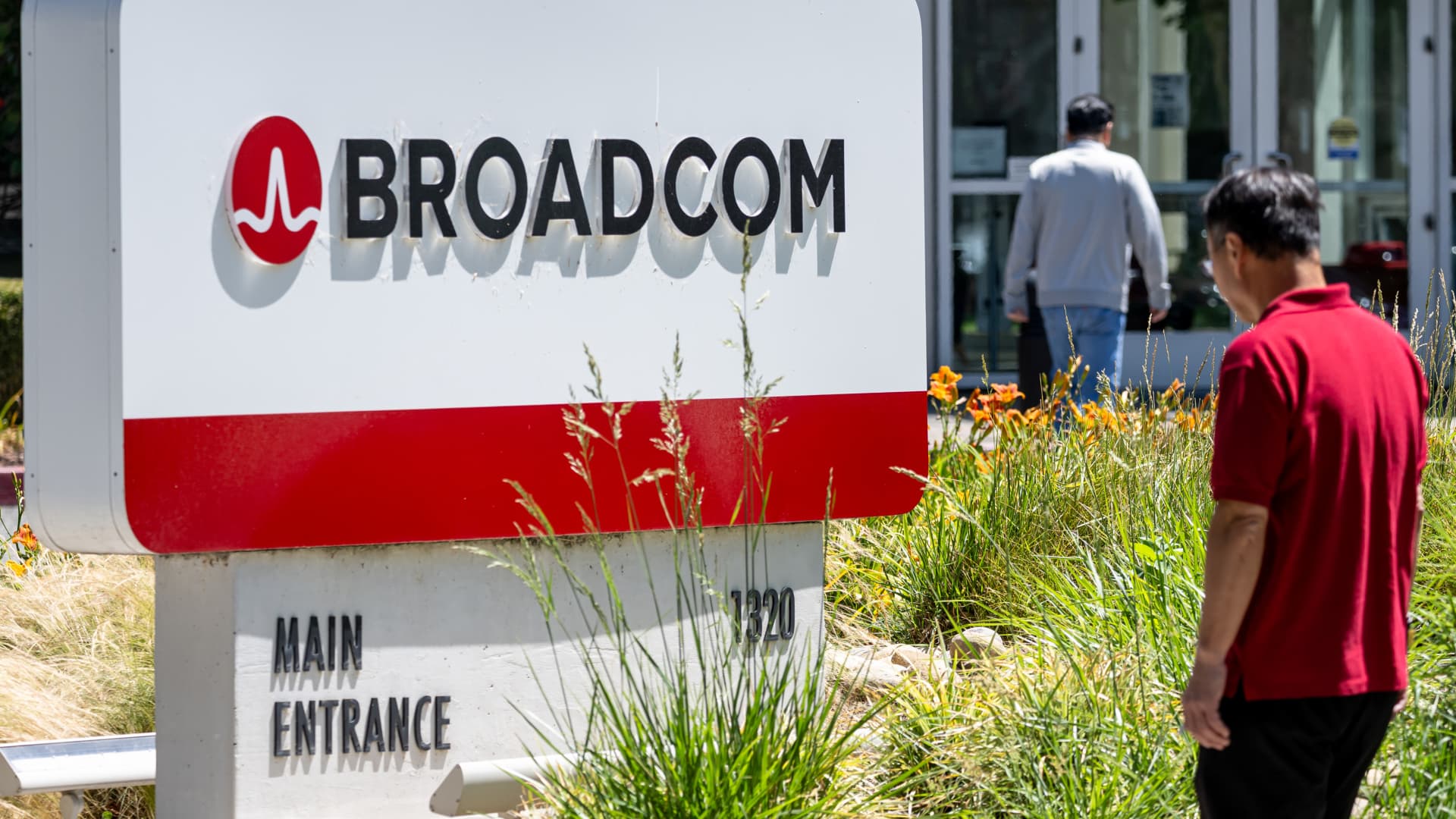
Broadcom's Strong Quarterly Results Fail to Boost Stock Price


- Revenue Performance: Broadcom reported $22.19 billion in revenue for Q2 2026, slightly missing the $22.27 billion consensus forecast, with a 48% year-over-year increase, but failed to meet market expectations for higher AI revenue, resulting in a post-market stock decline.
- Profitability Gains: Adjusted earnings per share (EPS) rose 54% to $2.44, surpassing the expected $2.40, while adjusted EBITDA increased 52% to $15.24 billion, indicating strong performance in the AI semiconductor sector.
- AI Business Outlook: Broadcom anticipates AI semiconductor revenues of $56 billion for FY 2026 and a target of at least $100 billion for FY 2027, although market skepticism regarding these targets led to a muted stock response.
- Customer Order Situation: The company secured over $30 billion in AI semiconductor orders this quarter, reflecting robust market demand; however, the infrastructure software segment's revenue fell short of expectations for the second consecutive quarter, impacting overall market reaction.
See More
Broadcom Stock Surges 66% Amid AI Optimism
- Stock Performance: Broadcom (AVGO) has surged 66% since its low on March 30, with a 40% year-to-date increase, reflecting strong investor confidence in its role as a key player in the AI data center market, which is expected to drive continued demand for AI infrastructure.
- Earnings Expectations: Analysts anticipate that Broadcom will report a 47% revenue increase to $22.12 billion and a 52% rise in adjusted earnings per share to $2.40 in its upcoming earnings report on Wednesday, marking the highest growth rate since Q1 2017.
- Retail Investor Sentiment: Over the past week, sentiment for Broadcom on Stocktwits has surged, with message volume increasing over 700%, indicating that retail investors are extremely optimistic about the upcoming earnings report, with many traders expecting a significant stock price jump post-announcement.
- AI Chip Partnerships: Broadcom's long-term agreements with Google and Meta to develop future generations of Tensor Processing Units and AI accelerators further solidify its strategic position in the AI market, with analysts believing this will drive robust growth in AI-related sales.
See More
U.S.-Iran Conflict Escalation Impacts Markets
- Escalating U.S.-Iran Tensions: The overnight exchange of fire between the U.S. and Iran marks a significant escalation since the ceasefire, raising concerns about future geopolitical stability, which could impact global oil prices and investor confidence.
- Federal Reserve Economic Outlook: The latest Beige Book indicates that while the U.S. economy expanded marginally through May, inflationary pressures continue to burden consumers and corporate profit margins, with the PCE index rising 3.8% in April, the highest level since 2023.
- Poor Stock Market Performance: On Wednesday, all three major U.S. indexes fell, with the Dow Jones dropping over 600 points to close down 1.21%, ending a winning streak that had lasted for nearly two decades, highlighting market sensitivity to geopolitical risks.
- Oil Price Fluctuations: Oil futures edged lower in overnight trading as a new ceasefire agreement between Israel and Lebanon boosted sentiment, with Brent crude futures down nearly 1% and WTI crude futures down about 0.79%, reflecting market concerns over supply chain stability.
See More
Broadcom (AVGO) Q2 2026 Earnings Transcript
See More
Middle East Tensions Impact Market Volatility
- Escalating Middle East Tensions: Israeli Prime Minister Netanyahu stated that Israel and the U.S. are prepared to take military action against Iran if necessary, which pushed oil prices higher despite a ceasefire agreement with Lebanon, highlighting the complexity of the situation.
- U.S. Congressional Response: The U.S. House passed a war powers measure to end military involvement in Iran, reflecting growing congressional pushback against the scope and duration of the conflict, although the measure still needs Senate approval and could face a presidential veto.
- Corporate Earnings Impact: Broadcom's shares plummeted nearly 14% in after-hours trading due to weaker-than-expected software revenue and failure to raise its full-year AI chip sales target, negatively impacting Wall Street's recent tech-led rally.
- Bitcoin Market Dynamics: Long-term holders of Bitcoin have begun selling, with approximately $2.4 billion sold in the past two days, which could significantly affect Bitcoin's supply/demand balance, particularly as 26% of the sold Bitcoin was purchased above $90,000.
See More
Broadcom Reports Record Q2 2026 Earnings Driven by AI Semiconductor Demand
- Record Revenue: Broadcom achieved total revenue of $22.2 billion in Q2 2026, marking a 48% year-on-year increase and surpassing guidance, primarily driven by robust demand for AI semiconductors, underscoring the company's competitive edge in a rapidly growing market.
- Surge in AI Semiconductor Orders: The quarter saw AI semiconductor bookings exceeding $30 billion against shipments of $10.8 billion, indicating strong customer demand for AI products, with projected AI semiconductor revenue for fiscal 2026 expected to reach $56 billion, up approximately 180% year-on-year.
- Optimistic Future Outlook: Broadcom anticipates AI semiconductor revenue exceeding $100 billion in fiscal 2027, with management emphasizing the launch of the AI XPV platform in collaboration with investors like Apollo and Blackstone, aiming to deploy over 20 gigawatts of compute capacity by 2028, further solidifying its market position.
- Strong Cash Flow Performance: The company reported record free cash flow of $10.3 billion in Q2, representing 46% of total revenue, alongside cash reserves of $19.6 billion, reflecting strong financial health and capacity for future investments.
See More
Broadcom's Strong Quarterly Results Fail to Boost Stock Price
- Revenue Performance: Broadcom reported $22.19 billion in revenue for Q2 2026, slightly missing the $22.27 billion consensus forecast, with a 48% year-over-year increase, but failed to meet market expectations for higher AI revenue, resulting in a post-market stock decline.
- Profitability Gains: Adjusted earnings per share (EPS) rose 54% to $2.44, surpassing the expected $2.40, while adjusted EBITDA increased 52% to $15.24 billion, indicating strong performance in the AI semiconductor sector.
- AI Business Outlook: Broadcom anticipates AI semiconductor revenues of $56 billion for FY 2026 and a target of at least $100 billion for FY 2027, although market skepticism regarding these targets led to a muted stock response.
- Customer Order Situation: The company secured over $30 billion in AI semiconductor orders this quarter, reflecting robust market demand; however, the infrastructure software segment's revenue fell short of expectations for the second consecutive quarter, impacting overall market reaction.
See More