Oil Prices Surge to Highest Levels Since 2022
Written by Emily J. Thompson, Senior Investment Analyst
Updated: Apr 29 2026
0mins


Source: Fool
- Oil Price Surge: Brent crude oil prices jumped over 6% today, surpassing $118 per barrel, while WTI rose nearly 7% to around $107 per barrel, reflecting strong market reactions to supply disruptions.
- Supply Shock Impact: The ongoing conflict with Iran has reduced global oil supply by over 12 million barrels per day, accounting for 12% of total demand, leading to a significant drain on global oil inventories and further driving up prices.
- Record U.S. Exports: The U.S. Energy Information Administration reported that U.S. oil exports hit a record 6.4 million barrels per day last week, up 1.6 million barrels from the prior week, despite a drawdown of 6.2 million barrels in inventories to 459.5 million barrels, indicating strong demand for U.S. crude.
- Enhanced Profitability: Companies like ExxonMobil and Devon Energy are well-positioned to capitalize on high oil prices by focusing on cost reductions and scaling operations, with expectations to accelerate shareholder returns as oil prices remain elevated.
Trade with 70% Backtested Accuracy
Stop guessing "Should I Buy XOM?" and start using high-conviction signals backed by rigorous historical data.
Sign up today to access powerful investing tools and make smarter, data-driven decisions.
Analyst Views on XOM
Wall Street analysts forecast XOM stock price to fall
19 Analyst Rating
12 Buy
7 Hold
0 Sell
Moderate Buy
Current: 146.960

Low
114.00
Averages
132.17
High
158.00
Current: 146.960
Low
114.00
Averages
132.17
High
158.00
About XOM
Exxon Mobil Corporation is an energy provider and chemical manufacturer. The Company’s principal business involves exploration for, and production of, crude oil and natural gas; the manufacture, trade, transport and sale of crude oil, natural gas, petroleum products, petrochemicals and a wide variety of specialty products; and pursuit of lower-emission and other new business opportunities, including carbon capture and storage, hydrogen, lower-emission fuels, Proxxima systems, carbon materials, and lithium. Its Upstream segment explores for and produces crude oil and natural gas. The Energy Products, Chemical Products, and Specialty Products segments manufacture and sell petroleum products and petrochemicals. Energy Products segment includes fuels, aromatics, and catalysts and licensing. Chemical Products segment consists of olefins, polyolefins, and intermediates. Specialty Products segment includes finished lubricants, basestocks and waxes, synthetics, and elastomers and resins.
About the author

Emily J. Thompson
Emily J. Thompson, a Chartered Financial Analyst (CFA) with 12 years in investment research, graduated with honors from the Wharton School. Specializing in industrial and technology stocks, she provides in-depth analysis for Intellectia’s earnings and market brief reports.

Guyana's Oil Boom and Its Challenges

- Accelerated Economic Growth: Amid the backdrop of the Iran war driving up oil prices, Guyana is set to reap even greater benefits from its estimated 11 billion barrels of oil reserves, with GDP projected to quadruple from 2019 to 2024, reaching $27.5 billion, highlighting the country's rising significance in the global energy market.
- Surge in Oil Revenue: With crude prices up 30% since February, Guyana's oil revenue is expected to reach approximately $4.3 billion, a 67% increase from last year, providing the government with more funds for economic diversification and infrastructure development.
- Policy Response to Challenges: Despite the booming oil sector, the government must remain vigilant against economic cycles, learning from neighboring Venezuela's pitfalls, and ensure steady utilization of oil revenues through the sovereign wealth fund established in 2019 to avoid over-reliance on a single resource.
- Expansion of Local Content Law: The government plans to expand the local content law passed in 2021, requiring oil companies to engage with Guyanese suppliers, thereby enhancing local employment and skill development, although challenges remain with foreign companies retaining control over local businesses.
See More
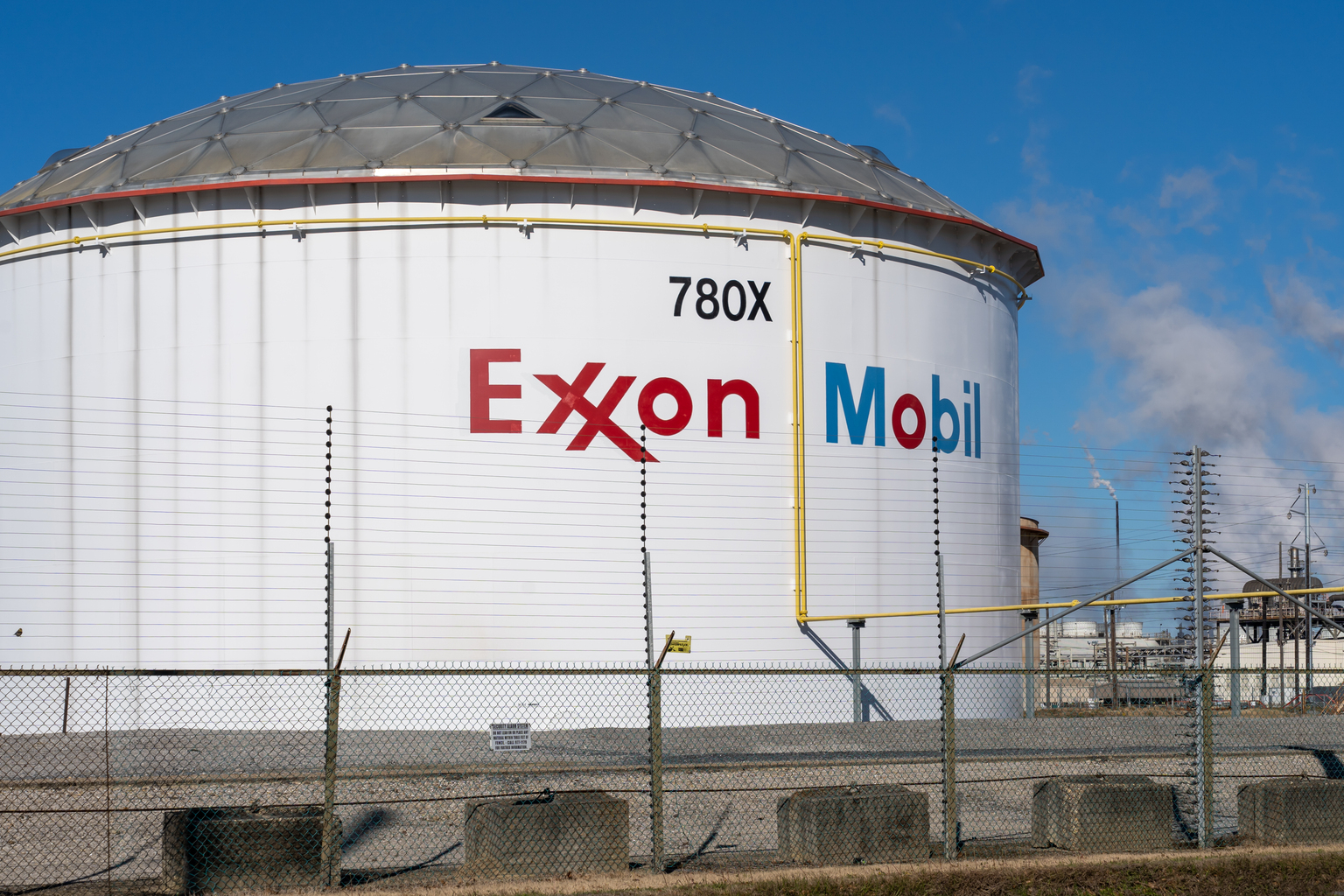
Exxon Mobil Faces Seventh Consecutive Loss Amid Market Pressures
- Stock Price Decline: Exxon Mobil (XOM) closed down 1.16% at $145.26 on Friday, marking its seventh consecutive day of losses, reflecting market concerns about its future performance.
- Acquisition Impact: Following reports that Occidental Petroleum (OXY) would acquire a 10% stake in its deepwater exploration block offshore Trinidad and Tobago, Exxon’s shares fell 3.30% on May 26, intensifying market pressure on its stock.
- Oil Price Warning: Exxon and Chevron (CVX) warned that oil prices may rise in the next two months due to escalating tensions between the U.S. and Iran, indicating a heightened sensitivity of the market to declining inventories that could impact profitability.
- Analyst Ratings: While Seeking Alpha rates Exxon Mobil as a Strong Buy with a score of 4.94, analysts express valuation concerns, suggesting that despite operational scale, long-term climate risks and a lack of renewable alternatives may limit future growth potential.
See More

Investment Value of Stable Dividend Stocks

- ExxonMobil's Dividend History: ExxonMobil has increased its dividend for 43 consecutive years, paying out $17 billion to shareholders last year and returning an additional $20 billion through share repurchases, showcasing its strong capital management and stable cash flow.
- NextEra Energy's Acquisition Plans: NextEra Energy plans to acquire Dominion Energy in an all-stock transaction, which, if successful, will create the world's largest regulated electric utility company, with an expected completion in 12 to 18 months, further solidifying its market position.
- Air Products and Chemicals' Stability: Air Products has paid dividends every year since 1954 and has raised its payout for 44 consecutive years, ensuring predictable earnings and stable returns for investors due to long-term contracts and high barriers to entry.
- Market Environment Impact: Disruptions in the Middle East have caused helium prices to rebound, and combined with high oil prices and supply constraints, chemical prices have risen, leading to strong performance in Air Products' North American refining and chemicals segments, enhancing its appeal as a reliable income stock.
See More

Three Quality Dividend Stocks with Growth
- ExxonMobil's Consistent Returns: ExxonMobil (XOM) has raised its dividend for 43 consecutive years, paying out $17 billion in dividends last year and returning another $20 billion through share buybacks, showcasing its strong capital return capability, with advantaged assets projected to comprise 65% of upstream production by 2030.
- NextEra Energy's Acquisition Plans: NextEra Energy (NEE) has increased its dividend for 32 years and recently announced an all-stock acquisition of Dominion Energy, which, if successful, will create the world's largest regulated electric utility, with projected earnings per share reaching between $3.92 and $4.02 and a dividend growth of about 10%.
- Air Products' Stability: Air Products (APD) has paid dividends every year since 1954 and has raised its payout for 44 consecutive years, ensuring future earnings visibility through 15- to 20-year contracts while pivoting towards clean energy with significant investments in green hydrogen production.
- Investment Opportunities Amid Market Volatility: Despite disruptions in the Middle East affecting helium prices, Air Products continues to provide reliable returns for investors due to its pricing power and robust profitability, making it a noteworthy income stock to consider.
See More

Energy Stocks Decline as Nextpower Acquires Battery Firm


- Energy Sector Decline: Energy stocks fell for the fourth consecutive day after President Trump indicated a potential deal to end the U.S.-Iran conflict, with OneOK leading the S&P 500 energy sector down over 3%, reflecting market concerns about the industry's outlook.
- Nextpower Acquisition: Nextpower's stock surged 13% following its announcement of acquiring battery storage company Prevalon Energy for approximately $365 million, while also raising its full-year revenue guidance, indicating its strategic expansion in the renewable energy sector.
- Dell Technologies Surge: Dell Technologies' shares jumped 29% after raising its full-year guidance, projecting adjusted earnings of $17.90 per share and revenue between $165 billion and $169 billion, significantly exceeding analyst expectations, showcasing strong market demand recovery.
- American Eagle's Poor Performance: American Eagle Outfitters' shares dropped 13% as comparable sales at its American Eagle banner fell 2% in Q1, with second-quarter guidance disappointing analysts, highlighting the sales pressure and intensified competition it faces.
See More
Occidental Petroleum Acquires Stake in Trinidad Deepwater Block

- Stake Acquisition: Occidental Petroleum is acquiring a 10% interest in ExxonMobil's Ultra Deep 1 block offshore Trinidad and Tobago, gaining access to a high-potential deepwater exploration area that enhances its global business diversification.
- Resource Potential: The block is adjacent to Exxon's Stabroek block, which has made 30 discoveries totaling 11 billion barrels of recoverable oil and gas, currently producing 900,000 barrels per day and aiming for 1.7 million barrels by 2030, indicating significant upside potential.
- Investment Plans: ExxonMobil plans to invest $42 million for seismic surveys and potentially drill two exploration wells six months post-survey completion, which could provide Occidental with a long-term growth catalyst if successful.
- Strategic Implications: This acquisition allows Occidental to replenish resources to counter production declines while further diversifying its investment portfolio globally, thereby enhancing its competitive position in the oil and gas sector.
See More
Guyana's Oil Boom and Its Challenges
- Accelerated Economic Growth: Amid the backdrop of the Iran war driving up oil prices, Guyana is set to reap even greater benefits from its estimated 11 billion barrels of oil reserves, with GDP projected to quadruple from 2019 to 2024, reaching $27.5 billion, highlighting the country's rising significance in the global energy market.
- Surge in Oil Revenue: With crude prices up 30% since February, Guyana's oil revenue is expected to reach approximately $4.3 billion, a 67% increase from last year, providing the government with more funds for economic diversification and infrastructure development.
- Policy Response to Challenges: Despite the booming oil sector, the government must remain vigilant against economic cycles, learning from neighboring Venezuela's pitfalls, and ensure steady utilization of oil revenues through the sovereign wealth fund established in 2019 to avoid over-reliance on a single resource.
- Expansion of Local Content Law: The government plans to expand the local content law passed in 2021, requiring oil companies to engage with Guyanese suppliers, thereby enhancing local employment and skill development, although challenges remain with foreign companies retaining control over local businesses.
See More
Exxon Mobil Faces Seventh Consecutive Loss Amid Market Pressures
- Stock Price Decline: Exxon Mobil (XOM) closed down 1.16% at $145.26 on Friday, marking its seventh consecutive day of losses, reflecting market concerns about its future performance.
- Acquisition Impact: Following reports that Occidental Petroleum (OXY) would acquire a 10% stake in its deepwater exploration block offshore Trinidad and Tobago, Exxon’s shares fell 3.30% on May 26, intensifying market pressure on its stock.
- Oil Price Warning: Exxon and Chevron (CVX) warned that oil prices may rise in the next two months due to escalating tensions between the U.S. and Iran, indicating a heightened sensitivity of the market to declining inventories that could impact profitability.
- Analyst Ratings: While Seeking Alpha rates Exxon Mobil as a Strong Buy with a score of 4.94, analysts express valuation concerns, suggesting that despite operational scale, long-term climate risks and a lack of renewable alternatives may limit future growth potential.
See More
Investment Value of Stable Dividend Stocks
- ExxonMobil's Dividend History: ExxonMobil has increased its dividend for 43 consecutive years, paying out $17 billion to shareholders last year and returning an additional $20 billion through share repurchases, showcasing its strong capital management and stable cash flow.
- NextEra Energy's Acquisition Plans: NextEra Energy plans to acquire Dominion Energy in an all-stock transaction, which, if successful, will create the world's largest regulated electric utility company, with an expected completion in 12 to 18 months, further solidifying its market position.
- Air Products and Chemicals' Stability: Air Products has paid dividends every year since 1954 and has raised its payout for 44 consecutive years, ensuring predictable earnings and stable returns for investors due to long-term contracts and high barriers to entry.
- Market Environment Impact: Disruptions in the Middle East have caused helium prices to rebound, and combined with high oil prices and supply constraints, chemical prices have risen, leading to strong performance in Air Products' North American refining and chemicals segments, enhancing its appeal as a reliable income stock.
See More
Three Quality Dividend Stocks with Growth
- ExxonMobil's Consistent Returns: ExxonMobil (XOM) has raised its dividend for 43 consecutive years, paying out $17 billion in dividends last year and returning another $20 billion through share buybacks, showcasing its strong capital return capability, with advantaged assets projected to comprise 65% of upstream production by 2030.
- NextEra Energy's Acquisition Plans: NextEra Energy (NEE) has increased its dividend for 32 years and recently announced an all-stock acquisition of Dominion Energy, which, if successful, will create the world's largest regulated electric utility, with projected earnings per share reaching between $3.92 and $4.02 and a dividend growth of about 10%.
- Air Products' Stability: Air Products (APD) has paid dividends every year since 1954 and has raised its payout for 44 consecutive years, ensuring future earnings visibility through 15- to 20-year contracts while pivoting towards clean energy with significant investments in green hydrogen production.
- Investment Opportunities Amid Market Volatility: Despite disruptions in the Middle East affecting helium prices, Air Products continues to provide reliable returns for investors due to its pricing power and robust profitability, making it a noteworthy income stock to consider.
See More
Energy Stocks Decline as Nextpower Acquires Battery Firm
- Energy Sector Decline: Energy stocks fell for the fourth consecutive day after President Trump indicated a potential deal to end the U.S.-Iran conflict, with OneOK leading the S&P 500 energy sector down over 3%, reflecting market concerns about the industry's outlook.
- Nextpower Acquisition: Nextpower's stock surged 13% following its announcement of acquiring battery storage company Prevalon Energy for approximately $365 million, while also raising its full-year revenue guidance, indicating its strategic expansion in the renewable energy sector.
- Dell Technologies Surge: Dell Technologies' shares jumped 29% after raising its full-year guidance, projecting adjusted earnings of $17.90 per share and revenue between $165 billion and $169 billion, significantly exceeding analyst expectations, showcasing strong market demand recovery.
- American Eagle's Poor Performance: American Eagle Outfitters' shares dropped 13% as comparable sales at its American Eagle banner fell 2% in Q1, with second-quarter guidance disappointing analysts, highlighting the sales pressure and intensified competition it faces.
See More
Occidental Petroleum Acquires Stake in Trinidad Deepwater Block
- Stake Acquisition: Occidental Petroleum is acquiring a 10% interest in ExxonMobil's Ultra Deep 1 block offshore Trinidad and Tobago, gaining access to a high-potential deepwater exploration area that enhances its global business diversification.
- Resource Potential: The block is adjacent to Exxon's Stabroek block, which has made 30 discoveries totaling 11 billion barrels of recoverable oil and gas, currently producing 900,000 barrels per day and aiming for 1.7 million barrels by 2030, indicating significant upside potential.
- Investment Plans: ExxonMobil plans to invest $42 million for seismic surveys and potentially drill two exploration wells six months post-survey completion, which could provide Occidental with a long-term growth catalyst if successful.
- Strategic Implications: This acquisition allows Occidental to replenish resources to counter production declines while further diversifying its investment portfolio globally, thereby enhancing its competitive position in the oil and gas sector.
See More