Nvidia Launches Open-Source AI Agent Platform
Written by Emily J. Thompson, Senior Investment Analyst
Updated: Mar 10 2026
0mins

Source: Newsfilter
- Platform Overview: Nvidia is set to launch an open-source AI agent platform called 'NemoClaw,' which will enable companies to deploy AI agents to perform tasks for their employees and is expected to include security and privacy tools, thereby enhancing internal operational efficiency.
- Partnership Expansion: Nvidia has begun pitching the product to enterprise software companies like Salesforce, Cisco, Google, Adobe, and CrowdStrike, seeking partnerships, although it remains unclear if any formal agreements have been finalized, indicating Nvidia's proactive approach in the AI agent technology space.
- Increased Technical Investment: As companies shift from large language models to more specialized tools, Nvidia is ramping up its investment in AI agents, having recently released foundational models such as Nemotron and Cosmos designed to meet the demands of complex, multi-step tasks.
- Market Risk Warning: While Nvidia's AI agent platform promises to enhance corporate efficiency, experts have flagged potential security risks associated with emerging AI tools like OpenClaw, which could pose threats to enterprise customers, necessitating caution from Nvidia in its platform promotion.
Trade with 70% Backtested Accuracy
Stop guessing "Should I Buy NVDA?" and start using high-conviction signals backed by rigorous historical data.
Sign up today to access powerful investing tools and make smarter, data-driven decisions.
Analyst Views on NVDA
Wall Street analysts forecast NVDA stock price to rise
41 Analyst Rating
39 Buy
1 Hold
1 Sell
Strong Buy
Current: 222.820

Low
200.00
Averages
264.97
High
352.00
Current: 222.820
Low
200.00
Averages
264.97
High
352.00
About NVDA
NVIDIA Corporation is an artificial intelligence (AI) infrastructure company. The Company is engaged in accelerated computing to help solve the challenging computational problems. Its segments include Compute & Networking and Graphics. The Compute & Networking segment includes its Data Center accelerated computing and networking platforms and AI solutions and software, and automotive platforms and autonomous and electric vehicle solutions, including software. The Graphics segment includes GeForce GPUs for gaming and personal computers (PCs), and Quadro/NVIDIA RTX GPUs for enterprise workstation graphics. Its technology stack includes the foundational NVIDIA CUDA development platform that runs on all NVIDIA GPUs, as well as hundreds of domain-specific software libraries, frameworks, algorithms, software development kits (SDKs), and application programming interfaces (APIs). Its platforms address four markets, which include Data Center, Gaming, Professional Visualization, and Automotive.
About the author

Emily J. Thompson
Emily J. Thompson, a Chartered Financial Analyst (CFA) with 12 years in investment research, graduated with honors from the Wharton School. Specializing in industrial and technology stocks, she provides in-depth analysis for Intellectia’s earnings and market brief reports.

Nvidia Forecasts Revenue Exceeding $90 Billion Next Quarter

- Revenue Surge Forecast: Nvidia is projecting revenue to exceed $90 billion in the upcoming quarter, indicating strong growth potential in the AI sector that could further boost its stock price and attract more investor interest.
- Market Competition Insight: Despite Nvidia's leadership in AI technology, analysts from Motley Fool Stock Advisor suggest that there are currently 10 stocks deemed more worthy of investment, which may impact investor confidence in Nvidia, especially in an increasingly competitive market.
- Historical Returns Comparison: Data from Motley Fool Stock Advisor shows that previously recommended stocks like Netflix and Nvidia yielded returns of 462,983% and 1,375,447% respectively, highlighting their stock-picking prowess; however, Nvidia's absence from the latest recommendations may prompt investors to reassess their positions.
- Investor Community Impact: The Motley Fool emphasizes the power of individual investors, and while Nvidia holds a technological edge, its exclusion from the recommended list may lead investors to seek other high-return stocks, potentially affecting Nvidia's market performance.
See More
Nvidia Surpasses $5 Trillion Market Valuation
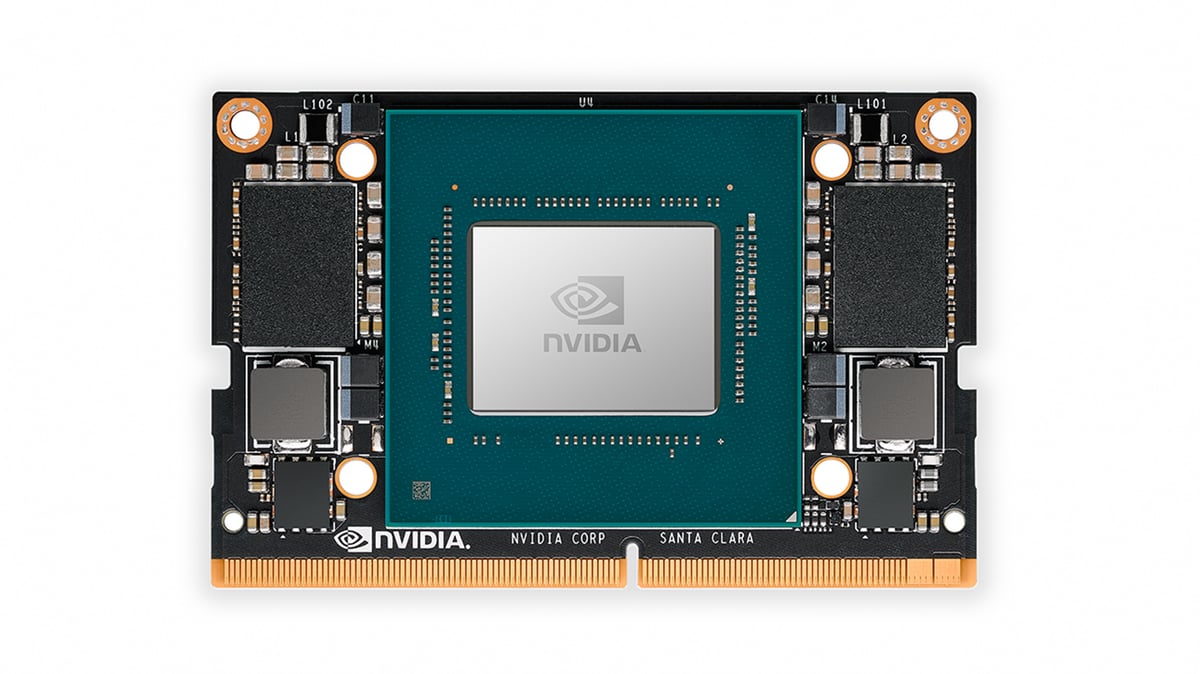
- Massive Market Opportunity: Nvidia's CFO Collette Kress highlighted a $4 trillion market opportunity, with hyperscaler annual spending projected to exceed $1 trillion next year and reach $3 to $4 trillion by the decade's end, positioning Nvidia to capture a significant share.
- Significant Revenue Growth: In the first quarter of fiscal 2027, Nvidia reported a 95% year-over-year revenue increase, marking its 14th consecutive quarter of growth, with a sequential revenue boost of $13.5 billion, underscoring its robust performance in AI and data centers.
- Gross Margin Fluctuations: Nvidia's gross margin rose from 60% last year to 75% this year; however, the previous year's figures were impacted by a charge for not shipping specialized chips to China, indicating limited actual improvement, with expectations for the second quarter to maintain at 75%.
- Stock Price Expectation Pressure: Despite Nvidia's first-quarter results exceeding expectations, the stock price has stagnated, partly due to overly high market expectations for future growth, necessitating shareholders to prepare for serious market evaluations and perfection expectations.
See More
Dell Technologies Emerges as a Leader in AI Infrastructure
- Impressive Earnings: Dell Technologies reported fiscal Q1 2027 results with an 88% year-over-year revenue increase to $43.8 billion, significantly surpassing the $35.5 billion consensus estimate, highlighting its strong performance in the AI infrastructure sector.
- Profitability Surge: The company's non-GAAP earnings reached a record $4.86 per share, up 214% from the previous year and exceeding analyst expectations of $2.99, indicating substantial profit growth amid surging demand for AI servers.
- Order Surge: Dell booked $24.4 billion in new AI server orders last quarter while shipping $16.6 billion, resulting in a massive AI server backlog of $51.3 billion, reflecting strong market demand for its products.
- Optimistic Market Outlook: Dell raised its fiscal 2027 revenue guidance to $167 billion, well above the prior estimate of $140 billion, with the AI server market expected to grow at a 35% annual rate from 2026 to 2034, providing a solid foundation for long-term growth.
See More

Dell Technologies Sees Surge in AI Server Demand
- Impressive Earnings: Dell Technologies reported a record revenue of $43.8 billion for Q1 FY2027, marking an 88% year-over-year increase, significantly exceeding the $35.5 billion consensus estimate, showcasing its robust performance in the AI server market.
- Profitability Surge: The company's non-GAAP earnings per share soared to $4.86, up 214% from the previous year, surpassing analysts' expectations of $2.99, indicating a substantial enhancement in profitability.
- Order Surge: Dell booked $24.4 billion in new AI server orders last quarter, while shipping $16.6 billion, resulting in a massive AI server backlog of $51.3 billion, illustrating that demand is far outpacing supply.
- Optimistic Market Outlook: Dell anticipates FY2027 revenue to reach $167 billion, well above the prior estimate of $140 billion, with projected AI server revenue of $60 billion, reflecting its growing share in the rapidly expanding AI market.
See More

Saturn Cloud Partners with OpenNebula to Enhance AI Infrastructure
- Partnership Background: Saturn Cloud has partnered with OpenNebula Systems to integrate OpenNebula's GPU virtualization and Kubernetes capabilities, providing a comprehensive AI infrastructure solution that enables enterprises to achieve model fine-tuning and inference services without in-house development.
- Technical Integration: By combining Saturn Cloud's model serving and distributed training capabilities, OpenNebula users can fine-tune open models and meter usage per token within their branded environment, significantly enhancing AI teams' development efficiency and resource utilization.
- Market Demand: As more organizations adopt OpenNebula as an open alternative, Saturn Cloud's solution fills the application layer gap, standardizing the delivery of AI workloads and addressing the urgent market need for efficient AI development.
- Strategic Significance: This partnership not only provides GPU cloud operators with a self-service token factory platform but also enables engineers to quickly generate value on top of the infrastructure, thereby promoting the widespread application of AI technologies across various environments.
See More
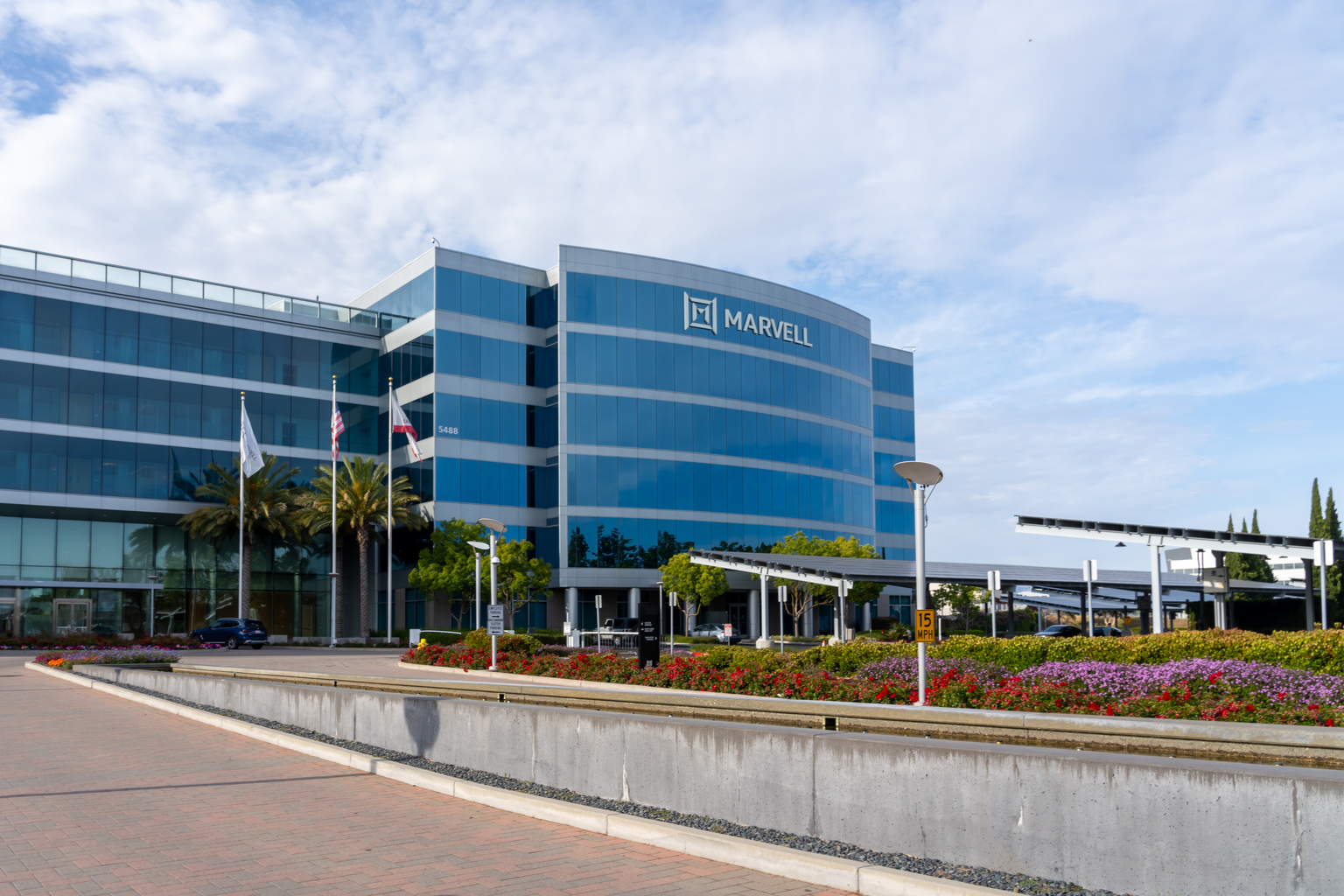
Marvell Technology Shares Surge 6% on AI Optimism

- Stock Price Surge: Marvell Technology (MRVL) shares rose over 6% on Wednesday, marking the second day after Nvidia CEO Jensen Huang suggested it could be the next trillion-dollar company, reflecting strong market confidence in its future potential.
- Strategic Supplier Recognition: Evercore analyst praised Marvell as a 'strategic supplier' in the AI sector, indicating the company's increasing importance in networking and XPU/XPU-attached solutions, which is expected to drive sustained demand over the coming years.
- Optical Networking Outlook: Huang highlighted at the Computex show in Taipei that AI infrastructure will transition from traditional copper interconnects to optical networking technologies, emphasizing Marvell's critical role in data center connectivity and further solidifying its market position.
- Optimistic Financial Projections: Evercore analyst Mark Lipacis expressed optimism regarding Marvell's optical networking revenue, forecasting an increase in interconnect revenues from 30% to over 70% within six months, showcasing strong growth potential.
See More
Nvidia Forecasts Revenue Exceeding $90 Billion Next Quarter
- Revenue Surge Forecast: Nvidia is projecting revenue to exceed $90 billion in the upcoming quarter, indicating strong growth potential in the AI sector that could further boost its stock price and attract more investor interest.
- Market Competition Insight: Despite Nvidia's leadership in AI technology, analysts from Motley Fool Stock Advisor suggest that there are currently 10 stocks deemed more worthy of investment, which may impact investor confidence in Nvidia, especially in an increasingly competitive market.
- Historical Returns Comparison: Data from Motley Fool Stock Advisor shows that previously recommended stocks like Netflix and Nvidia yielded returns of 462,983% and 1,375,447% respectively, highlighting their stock-picking prowess; however, Nvidia's absence from the latest recommendations may prompt investors to reassess their positions.
- Investor Community Impact: The Motley Fool emphasizes the power of individual investors, and while Nvidia holds a technological edge, its exclusion from the recommended list may lead investors to seek other high-return stocks, potentially affecting Nvidia's market performance.
See More
Nvidia Surpasses $5 Trillion Market Valuation
- Massive Market Opportunity: Nvidia's CFO Collette Kress highlighted a $4 trillion market opportunity, with hyperscaler annual spending projected to exceed $1 trillion next year and reach $3 to $4 trillion by the decade's end, positioning Nvidia to capture a significant share.
- Significant Revenue Growth: In the first quarter of fiscal 2027, Nvidia reported a 95% year-over-year revenue increase, marking its 14th consecutive quarter of growth, with a sequential revenue boost of $13.5 billion, underscoring its robust performance in AI and data centers.
- Gross Margin Fluctuations: Nvidia's gross margin rose from 60% last year to 75% this year; however, the previous year's figures were impacted by a charge for not shipping specialized chips to China, indicating limited actual improvement, with expectations for the second quarter to maintain at 75%.
- Stock Price Expectation Pressure: Despite Nvidia's first-quarter results exceeding expectations, the stock price has stagnated, partly due to overly high market expectations for future growth, necessitating shareholders to prepare for serious market evaluations and perfection expectations.
See More
Dell Technologies Emerges as a Leader in AI Infrastructure
- Impressive Earnings: Dell Technologies reported fiscal Q1 2027 results with an 88% year-over-year revenue increase to $43.8 billion, significantly surpassing the $35.5 billion consensus estimate, highlighting its strong performance in the AI infrastructure sector.
- Profitability Surge: The company's non-GAAP earnings reached a record $4.86 per share, up 214% from the previous year and exceeding analyst expectations of $2.99, indicating substantial profit growth amid surging demand for AI servers.
- Order Surge: Dell booked $24.4 billion in new AI server orders last quarter while shipping $16.6 billion, resulting in a massive AI server backlog of $51.3 billion, reflecting strong market demand for its products.
- Optimistic Market Outlook: Dell raised its fiscal 2027 revenue guidance to $167 billion, well above the prior estimate of $140 billion, with the AI server market expected to grow at a 35% annual rate from 2026 to 2034, providing a solid foundation for long-term growth.
See More
Dell Technologies Sees Surge in AI Server Demand
- Impressive Earnings: Dell Technologies reported a record revenue of $43.8 billion for Q1 FY2027, marking an 88% year-over-year increase, significantly exceeding the $35.5 billion consensus estimate, showcasing its robust performance in the AI server market.
- Profitability Surge: The company's non-GAAP earnings per share soared to $4.86, up 214% from the previous year, surpassing analysts' expectations of $2.99, indicating a substantial enhancement in profitability.
- Order Surge: Dell booked $24.4 billion in new AI server orders last quarter, while shipping $16.6 billion, resulting in a massive AI server backlog of $51.3 billion, illustrating that demand is far outpacing supply.
- Optimistic Market Outlook: Dell anticipates FY2027 revenue to reach $167 billion, well above the prior estimate of $140 billion, with projected AI server revenue of $60 billion, reflecting its growing share in the rapidly expanding AI market.
See More
Saturn Cloud Partners with OpenNebula to Enhance AI Infrastructure
- Partnership Background: Saturn Cloud has partnered with OpenNebula Systems to integrate OpenNebula's GPU virtualization and Kubernetes capabilities, providing a comprehensive AI infrastructure solution that enables enterprises to achieve model fine-tuning and inference services without in-house development.
- Technical Integration: By combining Saturn Cloud's model serving and distributed training capabilities, OpenNebula users can fine-tune open models and meter usage per token within their branded environment, significantly enhancing AI teams' development efficiency and resource utilization.
- Market Demand: As more organizations adopt OpenNebula as an open alternative, Saturn Cloud's solution fills the application layer gap, standardizing the delivery of AI workloads and addressing the urgent market need for efficient AI development.
- Strategic Significance: This partnership not only provides GPU cloud operators with a self-service token factory platform but also enables engineers to quickly generate value on top of the infrastructure, thereby promoting the widespread application of AI technologies across various environments.
See More
Marvell Technology Shares Surge 6% on AI Optimism
- Stock Price Surge: Marvell Technology (MRVL) shares rose over 6% on Wednesday, marking the second day after Nvidia CEO Jensen Huang suggested it could be the next trillion-dollar company, reflecting strong market confidence in its future potential.
- Strategic Supplier Recognition: Evercore analyst praised Marvell as a 'strategic supplier' in the AI sector, indicating the company's increasing importance in networking and XPU/XPU-attached solutions, which is expected to drive sustained demand over the coming years.
- Optical Networking Outlook: Huang highlighted at the Computex show in Taipei that AI infrastructure will transition from traditional copper interconnects to optical networking technologies, emphasizing Marvell's critical role in data center connectivity and further solidifying its market position.
- Optimistic Financial Projections: Evercore analyst Mark Lipacis expressed optimism regarding Marvell's optical networking revenue, forecasting an increase in interconnect revenues from 30% to over 70% within six months, showcasing strong growth potential.
See More