Mid-Year Stock Performance Review for 2026
Written by Emily J. Thompson, Senior Investment Analyst
Updated: 2 days ago
0mins


Source: CNBC
- Market Performance Review: Despite volatility from the Iran war, resurgent inflation, and AI disruption concerns, the S&P 500 index has risen approximately 9.5% year-to-date in 2026, hitting 24 all-time highs as of Tuesday's close, indicating market resilience and a recovery in investor confidence.
- Portfolio Winners: Among our 35 stocks, 18 outperformed the S&P 500, with Palo Alto Networks surging 85.1% due to renewed interest in cybersecurity and alleviated concerns over its CyberArk acquisition, highlighting strong demand in the cybersecurity sector.
- Industry Leaders: Eaton's stock rose 33.8%, reflecting investor recognition of its robust performance in AI data center solutions, indicating the company's advantageous position in the rapidly growing AI market, which has propelled its stock rebound.
- Investor Disappointment: Nike's stock fell 35.6%, prompting our exit on Wednesday, reflecting ongoing issues in the Chinese market and a weak earnings report, demonstrating the need for companies to quickly adapt to market changes to maintain investor confidence.
Trade with 70% Backtested Accuracy
Stop guessing "Should I Buy NVDA?" and start using high-conviction signals backed by rigorous historical data.
Sign up today to access powerful investing tools and make smarter, data-driven decisions.
Analyst Views on NVDA
Wall Street analysts forecast NVDA stock price to rise
41 Analyst Rating
39 Buy
1 Hold
1 Sell
Strong Buy
Current: 197.580

Low
200.00
Averages
264.97
High
352.00
Current: 197.580
Low
200.00
Averages
264.97
High
352.00
About NVDA
NVIDIA Corporation is an artificial intelligence (AI) infrastructure company. The Company is engaged in accelerated computing to help solve the challenging computational problems. Its segments include Compute & Networking and Graphics. The Compute & Networking segment includes its Data Center accelerated computing and networking platforms and AI solutions and software, and automotive platforms and autonomous and electric vehicle solutions, including software. The Graphics segment includes GeForce GPUs for gaming and personal computers (PCs), and Quadro/NVIDIA RTX GPUs for enterprise workstation graphics. Its technology stack includes the foundational NVIDIA CUDA development platform that runs on all NVIDIA GPUs, as well as hundreds of domain-specific software libraries, frameworks, algorithms, software development kits (SDKs), and application programming interfaces (APIs). Its platforms address four markets, which include Data Center, Gaming, Professional Visualization, and Automotive.
About the author

Emily J. Thompson
Emily J. Thompson, a Chartered Financial Analyst (CFA) with 12 years in investment research, graduated with honors from the Wharton School. Specializing in industrial and technology stocks, she provides in-depth analysis for Intellectia’s earnings and market brief reports.

SpaceX Valuation and Financial Analysis


- Valuation vs Revenue: SpaceX's market cap ranges from $1.5 trillion to $2.5 trillion, currently at $2.25 trillion, making it the seventh-largest company globally; however, its total revenue for 2026 is only $18.7 billion, significantly lower than other trillion-dollar firms, indicating potential overvaluation.
- Revenue Breakdown: The company's revenue sources include $4 billion from launch services, $11.4 billion from Starlink satellite internet, and $3.2 billion from AI services, with Starlink revenue growing 50% year-over-year in 2025, yet overall revenue remains insufficient, impacting future growth prospects.
- Competitive Risks: SpaceX faces intense competition in AI and satellite internet from giants like Alphabet and Amazon, particularly as AI data center contracts can be terminated with 90 days' notice, which may lead to revenue volatility and increased business uncertainty.
- Profitability Challenges: Despite completing the largest IPO in history and having $9 billion in cash, SpaceX's gross margin was just above 50% in 2025, with an operating loss of $2.5 billion, highlighting significant challenges in achieving profitability and maintaining market leadership.
See More
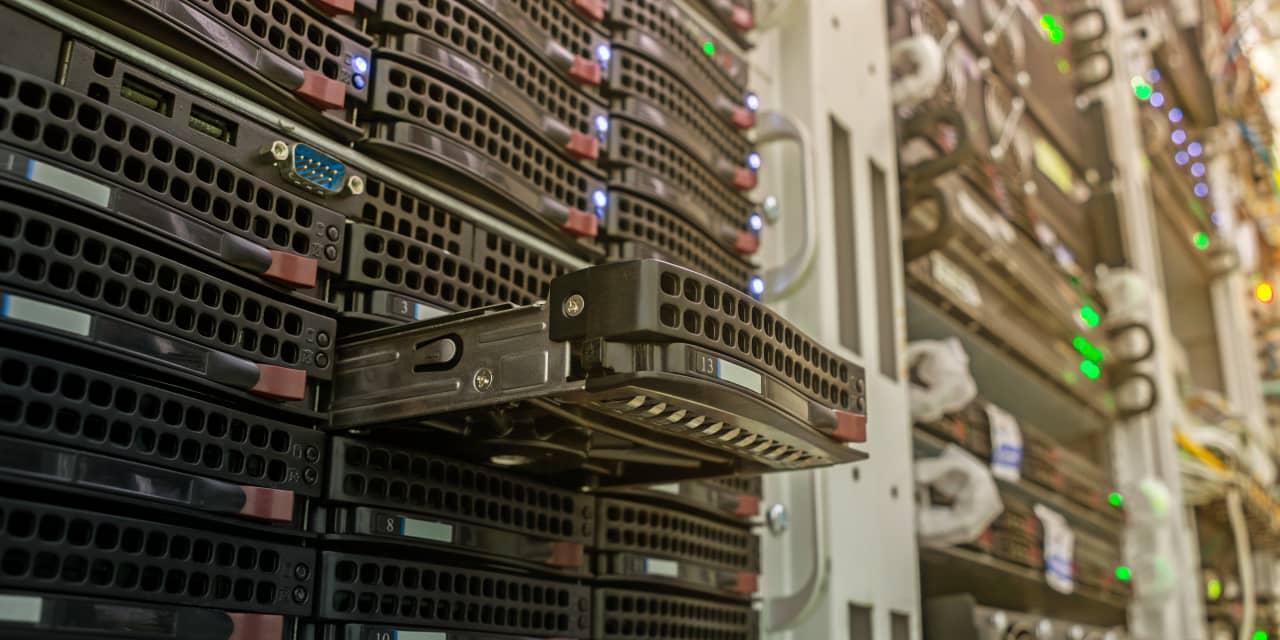
Strong Prospects for AI Infrastructure Market

- Nvidia's Market Leadership: Nvidia has grown to become the world's largest company by market cap, with its GPUs serving as the primary chips for training AI models, and its CUDA software creating a strong competitive moat, positioning it for continued robust growth.
- AMD's Growth Potential: Although AMD lags behind Nvidia in AI model training, its strategic positioning in inference and agentic AI presents significant market opportunities, with inference expected to surpass training, and AMD's chip design being better suited for this demand.
- Micron's Financial Performance: Micron Technology reported a staggering revenue increase from $9.3 billion last year to $41.5 billion in its fiscal third quarter, with gross margins expanding from 37.7% to 84.6%, reflecting strong demand in the high-bandwidth memory market, which is projected to reach $100 billion next year.
- Advantages of Long-term Customer Agreements: Micron's long-term strategic agreements with customers, which include non-cancellable HBM and NAND contracts, are expected to mitigate the typical cyclicality of the memory business, enhancing its competitive position in the market.
See More

Three Challenges Facing Trump's Bull Market in H2 2026
- Historical Valuation Pressure: The S&P 500's Shiller P/E Ratio reached 42.84 in June, nearing the all-time high of 44.19 from 1999, with historical data indicating that ratios above 30 have preceded declines of over 20%, suggesting that current high valuations may lead to future market corrections.
- Inflation's Impact on Fed Policy: The Trump-led Iran conflict has pushed U.S. inflation to a three-year high of 4.2% in May, with expectations that the Fed will raise interest rates before the end of 2026, as indicated by a 76.5% probability of at least one hike, which could increase borrowing costs and potentially stifle AI infrastructure development that has fueled market growth.
- Midterm Election Uncertainty: The upcoming U.S. midterm elections could disrupt Congress's makeup, with historical data showing an average drawdown of 17.5% for the S&P 500 during midterm years, which may weaken investor confidence in high-priced AI stocks and defense companies, impacting market performance.
- Shifts in Investor Sentiment: As the election season heats up, investor appetite for pricey stocks may wane, particularly in sectors that have benefited from a unified federal government over the past year and a half, potentially leading to increased market volatility and affecting overall investment strategies.
See More
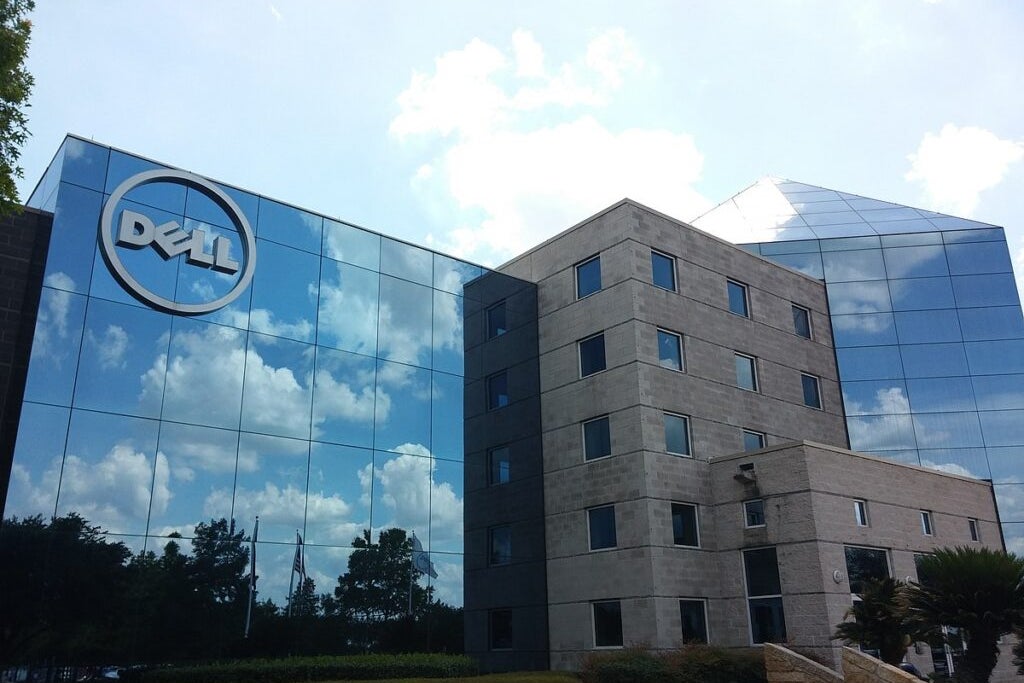
HP vs. Dell: Analyzing AI Market Competition

- Valuation Comparison: HP's P/E ratio stands at 8.5, significantly lower than Dell's 31.8, indicating that HP is less exposed to risks if the AI theme slows down, making it suitable for value investors.
- Growth Rate: Dell's AI servers achieved an impressive 88% year-over-year revenue growth in Q1 FY2027, showcasing strong market demand, while HP's 9% growth rate appears less attractive, reflecting Dell's rapid market share gains.
- Earnings Outlook: HP anticipates diluted EPS between $0.47 and $0.63 for Q3 FY2026, down from $0.75 in the same quarter last year, and the lack of revenue guidance raises concerns among investors.
- Investment Recommendation: While HP may appeal to value-seeking investors, Dell, with its higher growth potential and robust performance in AI servers, could offer a more attractive option for those seeking higher returns.
See More
Buying Opportunities in AI Stocks Amid Recent Pullback
- Market Pullback Opportunity: Despite the recent pullback in AI stocks, hyperscalers are still planning significant investments in AI data centers, indicating strong ongoing demand for AI infrastructure and potential buying opportunities for investors.
- Nvidia's Market Leadership: As the world's largest company by market cap, Nvidia dominates AI model training with its GPUs and has expanded into inference chips through the acquisition of Groq, positioning itself for continued strong growth and reinforcing its market advantage.
- AMD's Growth Potential: Although trailing Nvidia in AI model training, AMD's focus on inference and agentic AI provides substantial market potential, with expectations to benefit from a $120 billion market over the coming years, enhancing its market share.
- Micron's Strong Performance: Micron Technology reported a revenue surge from $9.3 billion to $41.5 billion in its latest fiscal quarter, with gross margin rising from 37.7% to 84.6%, and anticipates the high-bandwidth memory market to reach $100 billion next year, showcasing its robust competitiveness in the memory market.
See More

S&P 500 Index Strong Performance, Investors Favor Quality Stocks

- S&P 500 Performance: Despite challenges from the Iran war, rising inflation, and volatile oil prices, the S&P 500 index is up nearly 9% year-to-date, demonstrating strong market resilience and reflecting investor confidence in economic recovery.
- Investor Selectivity: Investors are becoming more selective, favoring companies that deliver tangible results, as evidenced by Microsoft's roughly 30% decline from its highs due to concerns over excessive capital expenditures.
- Quality ETF Outperformance: The Invesco S&P 500 Quality ETF has outperformed the Vanguard S&P 500 ETF by about 9% so far in 2026, indicating a shift towards financially healthy defensive stocks to mitigate potential economic uncertainties.
- Portfolio Strategy Shift: In the current market environment, investors are increasingly pivoting towards the Invesco S&P 500 Quality ETF, enhancing financial strength and resilience in their portfolios to prepare for possible economic slowdowns and geopolitical risks.
See More
SpaceX Valuation and Financial Analysis
- Valuation vs Revenue: SpaceX's market cap ranges from $1.5 trillion to $2.5 trillion, currently at $2.25 trillion, making it the seventh-largest company globally; however, its total revenue for 2026 is only $18.7 billion, significantly lower than other trillion-dollar firms, indicating potential overvaluation.
- Revenue Breakdown: The company's revenue sources include $4 billion from launch services, $11.4 billion from Starlink satellite internet, and $3.2 billion from AI services, with Starlink revenue growing 50% year-over-year in 2025, yet overall revenue remains insufficient, impacting future growth prospects.
- Competitive Risks: SpaceX faces intense competition in AI and satellite internet from giants like Alphabet and Amazon, particularly as AI data center contracts can be terminated with 90 days' notice, which may lead to revenue volatility and increased business uncertainty.
- Profitability Challenges: Despite completing the largest IPO in history and having $9 billion in cash, SpaceX's gross margin was just above 50% in 2025, with an operating loss of $2.5 billion, highlighting significant challenges in achieving profitability and maintaining market leadership.
See More
Strong Prospects for AI Infrastructure Market
- Nvidia's Market Leadership: Nvidia has grown to become the world's largest company by market cap, with its GPUs serving as the primary chips for training AI models, and its CUDA software creating a strong competitive moat, positioning it for continued robust growth.
- AMD's Growth Potential: Although AMD lags behind Nvidia in AI model training, its strategic positioning in inference and agentic AI presents significant market opportunities, with inference expected to surpass training, and AMD's chip design being better suited for this demand.
- Micron's Financial Performance: Micron Technology reported a staggering revenue increase from $9.3 billion last year to $41.5 billion in its fiscal third quarter, with gross margins expanding from 37.7% to 84.6%, reflecting strong demand in the high-bandwidth memory market, which is projected to reach $100 billion next year.
- Advantages of Long-term Customer Agreements: Micron's long-term strategic agreements with customers, which include non-cancellable HBM and NAND contracts, are expected to mitigate the typical cyclicality of the memory business, enhancing its competitive position in the market.
See More
Three Challenges Facing Trump's Bull Market in H2 2026
- Historical Valuation Pressure: The S&P 500's Shiller P/E Ratio reached 42.84 in June, nearing the all-time high of 44.19 from 1999, with historical data indicating that ratios above 30 have preceded declines of over 20%, suggesting that current high valuations may lead to future market corrections.
- Inflation's Impact on Fed Policy: The Trump-led Iran conflict has pushed U.S. inflation to a three-year high of 4.2% in May, with expectations that the Fed will raise interest rates before the end of 2026, as indicated by a 76.5% probability of at least one hike, which could increase borrowing costs and potentially stifle AI infrastructure development that has fueled market growth.
- Midterm Election Uncertainty: The upcoming U.S. midterm elections could disrupt Congress's makeup, with historical data showing an average drawdown of 17.5% for the S&P 500 during midterm years, which may weaken investor confidence in high-priced AI stocks and defense companies, impacting market performance.
- Shifts in Investor Sentiment: As the election season heats up, investor appetite for pricey stocks may wane, particularly in sectors that have benefited from a unified federal government over the past year and a half, potentially leading to increased market volatility and affecting overall investment strategies.
See More
HP vs. Dell: Analyzing AI Market Competition
- Valuation Comparison: HP's P/E ratio stands at 8.5, significantly lower than Dell's 31.8, indicating that HP is less exposed to risks if the AI theme slows down, making it suitable for value investors.
- Growth Rate: Dell's AI servers achieved an impressive 88% year-over-year revenue growth in Q1 FY2027, showcasing strong market demand, while HP's 9% growth rate appears less attractive, reflecting Dell's rapid market share gains.
- Earnings Outlook: HP anticipates diluted EPS between $0.47 and $0.63 for Q3 FY2026, down from $0.75 in the same quarter last year, and the lack of revenue guidance raises concerns among investors.
- Investment Recommendation: While HP may appeal to value-seeking investors, Dell, with its higher growth potential and robust performance in AI servers, could offer a more attractive option for those seeking higher returns.
See More
Buying Opportunities in AI Stocks Amid Recent Pullback
- Market Pullback Opportunity: Despite the recent pullback in AI stocks, hyperscalers are still planning significant investments in AI data centers, indicating strong ongoing demand for AI infrastructure and potential buying opportunities for investors.
- Nvidia's Market Leadership: As the world's largest company by market cap, Nvidia dominates AI model training with its GPUs and has expanded into inference chips through the acquisition of Groq, positioning itself for continued strong growth and reinforcing its market advantage.
- AMD's Growth Potential: Although trailing Nvidia in AI model training, AMD's focus on inference and agentic AI provides substantial market potential, with expectations to benefit from a $120 billion market over the coming years, enhancing its market share.
- Micron's Strong Performance: Micron Technology reported a revenue surge from $9.3 billion to $41.5 billion in its latest fiscal quarter, with gross margin rising from 37.7% to 84.6%, and anticipates the high-bandwidth memory market to reach $100 billion next year, showcasing its robust competitiveness in the memory market.
See More
S&P 500 Index Strong Performance, Investors Favor Quality Stocks
- S&P 500 Performance: Despite challenges from the Iran war, rising inflation, and volatile oil prices, the S&P 500 index is up nearly 9% year-to-date, demonstrating strong market resilience and reflecting investor confidence in economic recovery.
- Investor Selectivity: Investors are becoming more selective, favoring companies that deliver tangible results, as evidenced by Microsoft's roughly 30% decline from its highs due to concerns over excessive capital expenditures.
- Quality ETF Outperformance: The Invesco S&P 500 Quality ETF has outperformed the Vanguard S&P 500 ETF by about 9% so far in 2026, indicating a shift towards financially healthy defensive stocks to mitigate potential economic uncertainties.
- Portfolio Strategy Shift: In the current market environment, investors are increasingly pivoting towards the Invesco S&P 500 Quality ETF, enhancing financial strength and resilience in their portfolios to prepare for possible economic slowdowns and geopolitical risks.
See More