

Micron Projects $100 Billion HBM Market by 2028 Amid Ongoing Supply Constraints Until 2026
Management Performance: Micron Technology reported a strong start to fiscal Q1 2026, with record revenue, gross margin, and EPS exceeding guidance, driven by high demand and tight supply in the DRAM and NAND markets.
Market Outlook: The company anticipates significant growth in the HBM total addressable market, projecting it to reach $100 billion by 2028, two years earlier than previously expected, while also increasing fiscal 2026 CapEx to $20 billion.
Financial Results: Fiscal Q1 revenue reached $13.6 billion, marking a 21% sequential increase and a 57% year-over-year rise, with DRAM and NAND revenues also showing substantial growth.
Risks and Challenges: Despite strong performance, Micron faces ongoing supply constraints and challenges in meeting customer demand, with management acknowledging risks related to cleanroom space and potential tariffs impacting future operations.
Trade with 70% Backtested Accuracy
Analyst Views on MU

About MU
About the author

Micron Technology Reports Record Earnings and Stock Surge

- Significant Earnings Growth: Micron Technology recently reported a staggering 196% year-over-year revenue increase and record earnings per share, demonstrating the company's robust performance in the memory and storage market, with expectations for continued record-breaking results ahead.
- Stock Price Surge: Year-to-date, Micron's stock has skyrocketed by an astonishing 280%, reflecting the market's strong recognition of its critical role in the artificial intelligence sector, further solidifying its position in the rapidly evolving tech industry.
- Exploding Demand: As AI technology becomes more prevalent, the demand for Micron's memory and storage products has surged dramatically, and despite facing supply constraints, the company has achieved remarkable growth, showcasing its competitive strength in the market.
- Stock Split Anticipation: Analysts predict that Micron will announce a stock split in its upcoming earnings report to alleviate psychological barriers associated with its high share price, potentially attracting more investors and boosting market confidence.
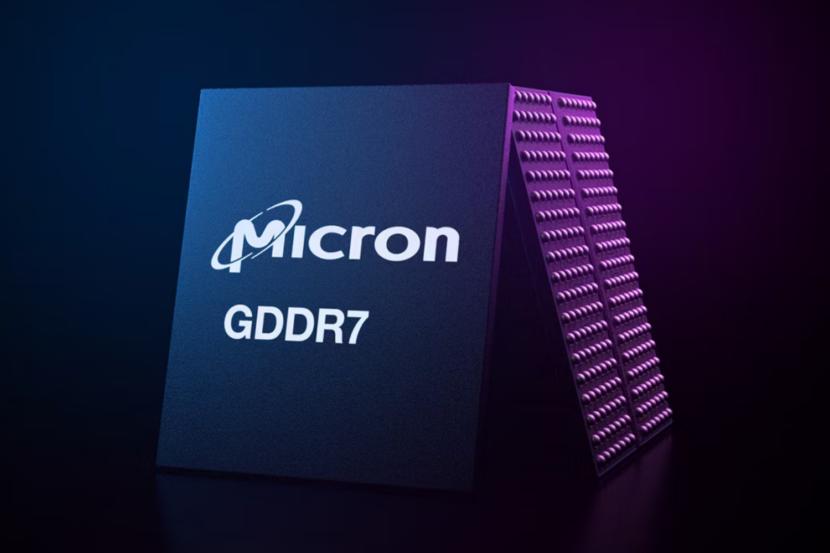
Roundhill Memory ETF Surges to Nearly $7 Billion in Record Time Amid AI Demand
- ETF Investment Surge: The Roundhill Memory ETF (DRAM) has amassed nearly $7 billion in assets since its launch in early April, making it one of the fastest-growing ETFs in history, reflecting strong investor interest driven by soaring demand for high-bandwidth memory in AI data centers.
- Market Demand Explosion: With Micron Technology projected to generate profits comparable to Apple and Amazon next year, the booming memory market has attracted significant capital inflows, and DRAM provides investors with a more direct investment opportunity, filling the access gap for companies like Samsung and SK Hynix.
- Photonics Technology Rise: The application of photonics technology in AI data centers is increasing, with companies like Nvidia investing billions to secure supply, and stocks like Applied Optoelectronics soaring approximately 440% year-to-date, indicating the market's recognition of the importance of photonics.
- New ETF Challenges: Despite the recent launch of the Corgi Lithography & Semiconductor Photonics ETF (EUV), which only reached about $3 million in assets within four days, the demand for photonics-themed ETFs appears limited, primarily because the relevant stocks are already listed in the U.S., lacking the scarcity of investment opportunities.

Apple Faces Rising Memory Costs Challenge

- Surging Memory Prices: The demand from AI data centers has led to a 100% increase in memory prices over the past year, putting significant cost pressure on major clients like Apple, with CEO Tim Cook stating that price increases are unavoidable, impacting the company's profitability.
- Rising Product Costs: Research firm TechInsights estimates that the memory and storage costs for a top-tier iPhone could rise from about $50 last year to $200 this year, a fourfold increase that will directly affect Apple's gross margin, which fell to 38.7% in Q2 2026.
- Market Response: Despite achieving a record revenue of $111.2 billion in Q2 2026, up 17% year-over-year, management anticipates greater financial pressure from rising memory costs, particularly as smartphone sales are expected to decline this year.
- Pricing Strategy Adjustment: Apple may respond to rising costs by increasing the starting price of the new iPhone Pro to $1,299, which could face challenges in a shrinking market, but the company's strong brand and ecosystem may provide it with significant pricing power.

Federal Reserve Holds Rates Steady, Markets Eye Earnings Reports

- Fed Rate Stability: The Federal Reserve held its benchmark interest rate steady on Wednesday, with hawkish projections suggesting a potential rate hike later this year, providing short-term confidence to the market while influencing future investment decisions.
- FedEx Earnings Preview: FedEx is set to report its fiscal fourth-quarter results on Tuesday after market close, with a focus on its performance post-spin-off of its LTL business; management has raised its full-year adjusted EPS guidance to $19.30 to $20.10, highlighting its significance in the global economy.
- Micron Earnings Expectations: Micron Technology will release its fiscal third-quarter results on Wednesday, with projected revenue of $33.5 billion and adjusted EPS around $19.15, driven by strong AI demand that has propelled its stock nearly 300% higher, underscoring the strategic importance of the memory market.
- Bank Stress Test Results: The Federal Reserve will announce the results of its annual stress test on Wednesday, assessing the resilience of 32 large banks under a hypothetical recession scenario; while this year's results won't alter capital requirements, they still provide valuable insights into the health of the financial system.

Apple CEO Acknowledges Price Increases Inevitable Amid Chip Shortages
- Cost Pressure Intensifies: Apple CEO Tim Cook stated that rising prices of memory and storage chips, which have doubled, are increasing the company's product costs, leading to a decline in the product segment's gross margin to 38.7%, despite overall March-quarter results setting records, indicating unprecedented cost pressures.
- Price Increases Inevitable: Cook acknowledged in an interview that, despite efforts to mitigate the impact of rising costs on consumers, price adjustments have become unavoidable due to the ongoing surge in memory prices, which could affect consumer purchasing decisions.
- Strong Market Demand: Despite facing cost challenges, Apple achieved a record revenue of $111.2 billion in the second quarter of fiscal 2026, a 17% year-over-year increase, with iPhone revenue rising 22% to about $57 billion, demonstrating strong brand demand and market resilience.
- Uncertain Future Outlook: With new memory factories not expected to ramp up until 2027 at the earliest, Cook warned that memory costs will continue to impact the business in the coming quarters, potentially forcing Apple to raise prices in an already competitive smartphone market, which could affect sales.
FedEx Earnings and Fed Stress Test Insights
- FedEx Earnings Preview: FedEx is set to report its quarterly earnings on Tuesday after the market closes, marking its first report since spinning off its freight business, with investors keen on its package and express delivery performance, especially after management raised full-year adjusted earnings guidance to a range of $19.30 to $20.10 per share.
- Federal Reserve Stress Test: On Wednesday, the Federal Reserve will release the results of its annual stress test of 32 large banks, assuming a hypothetical scenario where unemployment rises to 10% and home prices fall by 30%, although this year's results won't alter capital requirements, they still provide crucial insights into the health of the banking system for investors.
- Micron Technology Earnings Expectations: Micron Technology will report its fiscal third-quarter results after the market closes on Wednesday, with expectations of revenue reaching approximately $33.5 billion and adjusted earnings per share around $19.15, driven by robust AI memory demand, creating high anticipation for its future growth.
- Market Dynamics to Watch: As the Federal Reserve holds interest rates steady while hinting at potential increases, investors should closely monitor the impacts of FedEx and Micron's earnings reports on market sentiment, particularly in light of intensified competition in the AI and delivery sectors, which could influence overall economic confidence.
Micron Technology Reports Record Earnings and Stock Surge
- Significant Earnings Growth: Micron Technology recently reported a staggering 196% year-over-year revenue increase and record earnings per share, demonstrating the company's robust performance in the memory and storage market, with expectations for continued record-breaking results ahead.
- Stock Price Surge: Year-to-date, Micron's stock has skyrocketed by an astonishing 280%, reflecting the market's strong recognition of its critical role in the artificial intelligence sector, further solidifying its position in the rapidly evolving tech industry.
- Exploding Demand: As AI technology becomes more prevalent, the demand for Micron's memory and storage products has surged dramatically, and despite facing supply constraints, the company has achieved remarkable growth, showcasing its competitive strength in the market.
- Stock Split Anticipation: Analysts predict that Micron will announce a stock split in its upcoming earnings report to alleviate psychological barriers associated with its high share price, potentially attracting more investors and boosting market confidence.
Roundhill Memory ETF Surges to Nearly $7 Billion in Record Time Amid AI Demand
- ETF Investment Surge: The Roundhill Memory ETF (DRAM) has amassed nearly $7 billion in assets since its launch in early April, making it one of the fastest-growing ETFs in history, reflecting strong investor interest driven by soaring demand for high-bandwidth memory in AI data centers.
- Market Demand Explosion: With Micron Technology projected to generate profits comparable to Apple and Amazon next year, the booming memory market has attracted significant capital inflows, and DRAM provides investors with a more direct investment opportunity, filling the access gap for companies like Samsung and SK Hynix.
- Photonics Technology Rise: The application of photonics technology in AI data centers is increasing, with companies like Nvidia investing billions to secure supply, and stocks like Applied Optoelectronics soaring approximately 440% year-to-date, indicating the market's recognition of the importance of photonics.
- New ETF Challenges: Despite the recent launch of the Corgi Lithography & Semiconductor Photonics ETF (EUV), which only reached about $3 million in assets within four days, the demand for photonics-themed ETFs appears limited, primarily because the relevant stocks are already listed in the U.S., lacking the scarcity of investment opportunities.
Apple Faces Rising Memory Costs Challenge
- Surging Memory Prices: The demand from AI data centers has led to a 100% increase in memory prices over the past year, putting significant cost pressure on major clients like Apple, with CEO Tim Cook stating that price increases are unavoidable, impacting the company's profitability.
- Rising Product Costs: Research firm TechInsights estimates that the memory and storage costs for a top-tier iPhone could rise from about $50 last year to $200 this year, a fourfold increase that will directly affect Apple's gross margin, which fell to 38.7% in Q2 2026.
- Market Response: Despite achieving a record revenue of $111.2 billion in Q2 2026, up 17% year-over-year, management anticipates greater financial pressure from rising memory costs, particularly as smartphone sales are expected to decline this year.
- Pricing Strategy Adjustment: Apple may respond to rising costs by increasing the starting price of the new iPhone Pro to $1,299, which could face challenges in a shrinking market, but the company's strong brand and ecosystem may provide it with significant pricing power.
Federal Reserve Holds Rates Steady, Markets Eye Earnings Reports
- Fed Rate Stability: The Federal Reserve held its benchmark interest rate steady on Wednesday, with hawkish projections suggesting a potential rate hike later this year, providing short-term confidence to the market while influencing future investment decisions.
- FedEx Earnings Preview: FedEx is set to report its fiscal fourth-quarter results on Tuesday after market close, with a focus on its performance post-spin-off of its LTL business; management has raised its full-year adjusted EPS guidance to $19.30 to $20.10, highlighting its significance in the global economy.
- Micron Earnings Expectations: Micron Technology will release its fiscal third-quarter results on Wednesday, with projected revenue of $33.5 billion and adjusted EPS around $19.15, driven by strong AI demand that has propelled its stock nearly 300% higher, underscoring the strategic importance of the memory market.
- Bank Stress Test Results: The Federal Reserve will announce the results of its annual stress test on Wednesday, assessing the resilience of 32 large banks under a hypothetical recession scenario; while this year's results won't alter capital requirements, they still provide valuable insights into the health of the financial system.
Apple CEO Acknowledges Price Increases Inevitable Amid Chip Shortages
- Cost Pressure Intensifies: Apple CEO Tim Cook stated that rising prices of memory and storage chips, which have doubled, are increasing the company's product costs, leading to a decline in the product segment's gross margin to 38.7%, despite overall March-quarter results setting records, indicating unprecedented cost pressures.
- Price Increases Inevitable: Cook acknowledged in an interview that, despite efforts to mitigate the impact of rising costs on consumers, price adjustments have become unavoidable due to the ongoing surge in memory prices, which could affect consumer purchasing decisions.
- Strong Market Demand: Despite facing cost challenges, Apple achieved a record revenue of $111.2 billion in the second quarter of fiscal 2026, a 17% year-over-year increase, with iPhone revenue rising 22% to about $57 billion, demonstrating strong brand demand and market resilience.
- Uncertain Future Outlook: With new memory factories not expected to ramp up until 2027 at the earliest, Cook warned that memory costs will continue to impact the business in the coming quarters, potentially forcing Apple to raise prices in an already competitive smartphone market, which could affect sales.
FedEx Earnings and Fed Stress Test Insights
- FedEx Earnings Preview: FedEx is set to report its quarterly earnings on Tuesday after the market closes, marking its first report since spinning off its freight business, with investors keen on its package and express delivery performance, especially after management raised full-year adjusted earnings guidance to a range of $19.30 to $20.10 per share.
- Federal Reserve Stress Test: On Wednesday, the Federal Reserve will release the results of its annual stress test of 32 large banks, assuming a hypothetical scenario where unemployment rises to 10% and home prices fall by 30%, although this year's results won't alter capital requirements, they still provide crucial insights into the health of the banking system for investors.
- Micron Technology Earnings Expectations: Micron Technology will report its fiscal third-quarter results after the market closes on Wednesday, with expectations of revenue reaching approximately $33.5 billion and adjusted earnings per share around $19.15, driven by robust AI memory demand, creating high anticipation for its future growth.
- Market Dynamics to Watch: As the Federal Reserve holds interest rates steady while hinting at potential increases, investors should closely monitor the impacts of FedEx and Micron's earnings reports on market sentiment, particularly in light of intensified competition in the AI and delivery sectors, which could influence overall economic confidence.





