Market Sentiment Wavers Amid Uncertainty Over US-Iran Peace Framework
Written by Emily J. Thompson, Senior Investment Analyst
Updated: 3 days ago
0mins


Source: CNBC
- US-Iran Peace Framework Signed: The White House confirmed the signing of a peace deal framework, although President Trump labeled reports of a $300 million payment to Iran as 'Fake News,' raising concerns about the agreement's details and causing global stock markets to retreat.
- Strait of Hormuz Traffic Expectations: Analysts from Kpler predict that traffic through the Strait of Hormuz could rise to nearly 50% of pre-war levels within a month, which may significantly impact global energy supply and demand dynamics.
- Japan's Rate Hike Impact: The Bank of Japan raised interest rates to 1%, the highest since 1995, in response to a weak yen and inflation pressures exacerbated by the Iran conflict, potentially triggering ripple effects across global markets.
- Australia's Monetary Policy Warning: The Reserve Bank of Australia opted to keep rates steady at 4.35% but warned that rate hikes are not off the table, reflecting ongoing global economic uncertainty and persistent inflation concerns.
Trade with 70% Backtested Accuracy
Stop guessing "Should I Buy NVDA?" and start using high-conviction signals backed by rigorous historical data.
Sign up today to access powerful investing tools and make smarter, data-driven decisions.
Analyst Views on NVDA
Wall Street analysts forecast NVDA stock price to rise
41 Analyst Rating
39 Buy
1 Hold
1 Sell
Strong Buy
Current: 204.650

Low
200.00
Averages
264.97
High
352.00
Current: 204.650
Low
200.00
Averages
264.97
High
352.00
About NVDA
NVIDIA Corporation is an artificial intelligence (AI) infrastructure company. The Company is engaged in accelerated computing to help solve the challenging computational problems. Its segments include Compute & Networking and Graphics. The Compute & Networking segment includes its Data Center accelerated computing and networking platforms and AI solutions and software, and automotive platforms and autonomous and electric vehicle solutions, including software. The Graphics segment includes GeForce GPUs for gaming and personal computers (PCs), and Quadro/NVIDIA RTX GPUs for enterprise workstation graphics. Its technology stack includes the foundational NVIDIA CUDA development platform that runs on all NVIDIA GPUs, as well as hundreds of domain-specific software libraries, frameworks, algorithms, software development kits (SDKs), and application programming interfaces (APIs). Its platforms address four markets, which include Data Center, Gaming, Professional Visualization, and Automotive.
About the author

Emily J. Thompson
Emily J. Thompson, a Chartered Financial Analyst (CFA) with 12 years in investment research, graduated with honors from the Wharton School. Specializing in industrial and technology stocks, she provides in-depth analysis for Intellectia’s earnings and market brief reports.

Amazon's Cloud Services Accelerate Growth Amid Market Volatility

- Cloud Revenue Growth: Amazon's first-quarter AWS revenue rose 28% year-over-year to $37.6 billion, marking its fastest growth in 15 quarters, indicating strong competitive positioning in the cloud market and expected to further boost overall company performance.
- AI-Driven Profit Enhancement: AWS's AI revenue has reached an annual run rate of $15 billion, with a backlog of $364 billion, demonstrating that investments in artificial intelligence are significantly enhancing profitability and driving overall operating margin to a record 13.1%.
- Capital Expenditure Plans: Amazon plans to invest approximately $200 billion by 2026, with $43.2 billion spent in the first quarter primarily on AWS and AI expansion, which has led to a substantial decline in free cash flow, yet management views this as a necessary investment to seize market opportunities.
- In-House Chip Design Advantage: Amazon's custom chips now run at an annual revenue rate exceeding $20 billion, up nearly 40% from the previous quarter, allowing the company to reduce reliance on external suppliers, which is expected to save tens of billions in capital expenditures while enhancing AWS's margins.
See More

Nvidia's Stock Surge and Dividend Analysis
- Outstanding Stock Performance: As of June 17, Nvidia's shares have surged 1,050% over the past five years, highlighting its strong position in the AI boom and attracting significant investor interest.
- Dividend Increase: In May, Nvidia raised its quarterly dividend from $0.01 to $0.25 per share, yet investors need to own 10,000 shares to generate $10,000 in annual income, indicating limited appeal for income-focused investors.
- High Investment Cost: At the current price of $206.45, investors would need to spend nearly $2.1 million to acquire enough shares for passive income, making it unattractive for those seeking stable cash flow.
- Low Dividend Yield: With a dividend yield of only 0.48%, significantly below the S&P 500 average of 1.04%, Nvidia is better suited for growth investors looking for capital appreciation rather than dividend income.
See More

EEM's High Fees Impact Investment Returns
- Fee Comparison: The iShares MSCI Emerging Markets ETF (EEM) charges an annual fee of 0.69%, costing $69 per $10,000, while the iShares Core MSCI Emerging Markets ETF (IEMG) charges only $9, highlighting a significant cost difference that will impact long-term investment returns.
- Return Discrepancy: Over the past decade, EEM has returned 158.73%, compared to IEMG's 171.13%, indicating that lower-cost IEMG outperforms under similar portfolios, emphasizing the importance of fee consideration in investment decisions.
- Concentration Risk: EEM's top holdings, including Taiwan Semiconductor, Samsung Electronics, and SK Hynix, account for nearly 25%, reflecting high concentration in a single industry and region, which may increase investment risk, a concern mirrored in IEMG's holdings.
- Alternative Investment Options: The Vanguard FTSE Emerging Markets ETF (VWO) offers another option, with a 27.31% return over the past year compared to EEM's 49.96%, suggesting that while EEM may perform better in the short term, lower-cost alternatives like IEMG and VWO could be more appealing for long-term investors.
See More

Bitcoin Declines as Fed Signals Rate Hikes Ahead


- Bitcoin Price Fluctuation: Bitcoin traded around $63,000 on June 19, down from $65,000 at the week's start, reflecting market sensitivity to the Fed's interest rate hike signals, which may further weaken investor confidence.
- Bearish Options Traders: Options traders are betting that Bitcoin's price could fall to $52,000 in the coming weeks, indicating a panic sentiment in the market regarding interest rate hikes, potentially leading to more investors exiting digital assets.
- Ethereum Foundation Executive Resignation: Hsiao-Wei Wang, the executive director of the Ethereum Foundation, has resigned, marking turmoil in the organization's leadership that could impact its strategic direction and project advancement.
- New ETF Plans: Franklin Templeton is planning to launch ETFs that convert corporate dividends into Bitcoin, which, if approved, would provide investors with new investment avenues and potentially boost Bitcoin demand.
See More

Marvell Stock Soars as CFO's Sale Raises Investor Questions

- CEO Praise Boosts Stock: Nvidia CEO Jensen Huang praised Marvell Technology at the Computex conference, stating it will be the next semiconductor stock to reach a trillion-dollar valuation, which directly propelled Marvell's stock price significantly in subsequent trading sessions.
- S&P 500 Inclusion: Marvell announced its inclusion in the S&P 500 index effective June 22, further enhancing market confidence in its future performance and attracting increased investor interest.
- CFO Stock Sale: Marvell CFO Willem Meintjes filed to sell approximately 211,000 shares, estimated to be worth around $65 million based on the closing price on June 15, raising questions among investors regarding the motivations behind this transaction.
- Leadership Transition Impact: With Meintjes stepping down after 10 years and Dan Durn, former CFO of Adobe, taking over, while the stock sale raises concerns, analysts believe it does not indicate underlying issues at Marvell, highlighting the company's strong performance amid favorable AI-driven market conditions.
See More
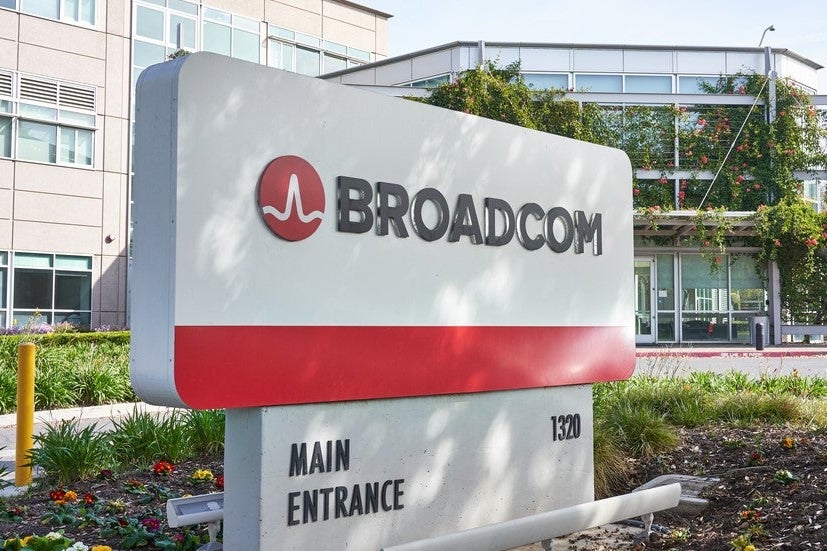
Broadcom's Rapid Growth in the AI Market

- Surge in AI Chip Sales: In fiscal 2025, Broadcom's AI chip sales soared by 65% to $20 billion, accounting for 31% of its total revenue, with projections indicating this could rise to at least $100 billion by fiscal 2027, representing over 58% of revenue, highlighting its robust growth potential in the AI sector.
- Rising Customer Demand: As the AI market expands, Broadcom's hyperscale customers are expected to ramp up chip purchases, enabling them to reduce infrastructure costs by installing more custom ASICs, thereby decreasing long-term dependence on Nvidia and enhancing competitive positioning.
- Diverse Product Portfolio: Broadcom also offers a wide range of non-AI chips across mobile, data center, and networking sectors; while these segments are not growing as rapidly, bundling products can lock in customers and widen its competitive moat across various markets.
- Attractive Investment Value: Analysts forecast Broadcom's revenue and EPS to grow at CAGRs of 53% and 66% from fiscal 2025 to 2028, yet it trades at just 25 times next year's earnings, indicating a compelling investment opportunity relative to its growth rate in the booming AI market.
See More
Amazon's Cloud Services Accelerate Growth Amid Market Volatility
- Cloud Revenue Growth: Amazon's first-quarter AWS revenue rose 28% year-over-year to $37.6 billion, marking its fastest growth in 15 quarters, indicating strong competitive positioning in the cloud market and expected to further boost overall company performance.
- AI-Driven Profit Enhancement: AWS's AI revenue has reached an annual run rate of $15 billion, with a backlog of $364 billion, demonstrating that investments in artificial intelligence are significantly enhancing profitability and driving overall operating margin to a record 13.1%.
- Capital Expenditure Plans: Amazon plans to invest approximately $200 billion by 2026, with $43.2 billion spent in the first quarter primarily on AWS and AI expansion, which has led to a substantial decline in free cash flow, yet management views this as a necessary investment to seize market opportunities.
- In-House Chip Design Advantage: Amazon's custom chips now run at an annual revenue rate exceeding $20 billion, up nearly 40% from the previous quarter, allowing the company to reduce reliance on external suppliers, which is expected to save tens of billions in capital expenditures while enhancing AWS's margins.
See More
Nvidia's Stock Surge and Dividend Analysis
- Outstanding Stock Performance: As of June 17, Nvidia's shares have surged 1,050% over the past five years, highlighting its strong position in the AI boom and attracting significant investor interest.
- Dividend Increase: In May, Nvidia raised its quarterly dividend from $0.01 to $0.25 per share, yet investors need to own 10,000 shares to generate $10,000 in annual income, indicating limited appeal for income-focused investors.
- High Investment Cost: At the current price of $206.45, investors would need to spend nearly $2.1 million to acquire enough shares for passive income, making it unattractive for those seeking stable cash flow.
- Low Dividend Yield: With a dividend yield of only 0.48%, significantly below the S&P 500 average of 1.04%, Nvidia is better suited for growth investors looking for capital appreciation rather than dividend income.
See More
EEM's High Fees Impact Investment Returns
- Fee Comparison: The iShares MSCI Emerging Markets ETF (EEM) charges an annual fee of 0.69%, costing $69 per $10,000, while the iShares Core MSCI Emerging Markets ETF (IEMG) charges only $9, highlighting a significant cost difference that will impact long-term investment returns.
- Return Discrepancy: Over the past decade, EEM has returned 158.73%, compared to IEMG's 171.13%, indicating that lower-cost IEMG outperforms under similar portfolios, emphasizing the importance of fee consideration in investment decisions.
- Concentration Risk: EEM's top holdings, including Taiwan Semiconductor, Samsung Electronics, and SK Hynix, account for nearly 25%, reflecting high concentration in a single industry and region, which may increase investment risk, a concern mirrored in IEMG's holdings.
- Alternative Investment Options: The Vanguard FTSE Emerging Markets ETF (VWO) offers another option, with a 27.31% return over the past year compared to EEM's 49.96%, suggesting that while EEM may perform better in the short term, lower-cost alternatives like IEMG and VWO could be more appealing for long-term investors.
See More
Bitcoin Declines as Fed Signals Rate Hikes Ahead
- Bitcoin Price Fluctuation: Bitcoin traded around $63,000 on June 19, down from $65,000 at the week's start, reflecting market sensitivity to the Fed's interest rate hike signals, which may further weaken investor confidence.
- Bearish Options Traders: Options traders are betting that Bitcoin's price could fall to $52,000 in the coming weeks, indicating a panic sentiment in the market regarding interest rate hikes, potentially leading to more investors exiting digital assets.
- Ethereum Foundation Executive Resignation: Hsiao-Wei Wang, the executive director of the Ethereum Foundation, has resigned, marking turmoil in the organization's leadership that could impact its strategic direction and project advancement.
- New ETF Plans: Franklin Templeton is planning to launch ETFs that convert corporate dividends into Bitcoin, which, if approved, would provide investors with new investment avenues and potentially boost Bitcoin demand.
See More
Marvell Stock Soars as CFO's Sale Raises Investor Questions
- CEO Praise Boosts Stock: Nvidia CEO Jensen Huang praised Marvell Technology at the Computex conference, stating it will be the next semiconductor stock to reach a trillion-dollar valuation, which directly propelled Marvell's stock price significantly in subsequent trading sessions.
- S&P 500 Inclusion: Marvell announced its inclusion in the S&P 500 index effective June 22, further enhancing market confidence in its future performance and attracting increased investor interest.
- CFO Stock Sale: Marvell CFO Willem Meintjes filed to sell approximately 211,000 shares, estimated to be worth around $65 million based on the closing price on June 15, raising questions among investors regarding the motivations behind this transaction.
- Leadership Transition Impact: With Meintjes stepping down after 10 years and Dan Durn, former CFO of Adobe, taking over, while the stock sale raises concerns, analysts believe it does not indicate underlying issues at Marvell, highlighting the company's strong performance amid favorable AI-driven market conditions.
See More
Broadcom's Rapid Growth in the AI Market
- Surge in AI Chip Sales: In fiscal 2025, Broadcom's AI chip sales soared by 65% to $20 billion, accounting for 31% of its total revenue, with projections indicating this could rise to at least $100 billion by fiscal 2027, representing over 58% of revenue, highlighting its robust growth potential in the AI sector.
- Rising Customer Demand: As the AI market expands, Broadcom's hyperscale customers are expected to ramp up chip purchases, enabling them to reduce infrastructure costs by installing more custom ASICs, thereby decreasing long-term dependence on Nvidia and enhancing competitive positioning.
- Diverse Product Portfolio: Broadcom also offers a wide range of non-AI chips across mobile, data center, and networking sectors; while these segments are not growing as rapidly, bundling products can lock in customers and widen its competitive moat across various markets.
- Attractive Investment Value: Analysts forecast Broadcom's revenue and EPS to grow at CAGRs of 53% and 66% from fiscal 2025 to 2028, yet it trades at just 25 times next year's earnings, indicating a compelling investment opportunity relative to its growth rate in the booming AI market.
See More