Market Insights: Decline in Chip Stocks, AI Applications, and Gold Price Trends

US Stock Market Performance: US stocks closed higher, with the Nasdaq Composite gaining 1.38% following a lower-than-expected November Consumer Price Index (CPI) report indicating a 2.7% year-over-year inflation rise.
Chip Stocks Recovery: Chip stocks rebounded after a slump, with Micron's stock price tripling this year, while the broader chip index remains down over the past five days.
AI Integration in Business: The discussion highlighted the increasing use of AI in business workflows, exemplified by a young entrepreneur who grew her YouTube following significantly through automated AI processes.
Gold and Bitcoin Trends: Gold is nearing a breakout point with a bullish trend, while Bitcoin has struggled to find stability despite a brief uptick following the CPI report, remaining disconnected from stock market movements.
Trade with 70% Backtested Accuracy
Analyst Views on MU

About MU
About the author


Samsung's Strong Q2 Earnings Lead to Stock Sell-Off

- Significant Earnings Growth: Samsung reported a 28% sequential sales increase in its Q2 2026 earnings, more than doubling last year's revenue, with operating profit soaring to $58.4 billion, reflecting the company's robust market performance.
- Stock Reaction Anomaly: Despite exceeding analyst expectations, Samsung's stock fell 7%, indicating a 'buy the rumor, sell the news' phenomenon in an overheated market, where even strong results failed to support the stock price.
- Market Impact Spreading: As the world's largest DRAM memory supplier, Samsung's strong performance triggered a sell-off in other semiconductor stocks, particularly Micron, which saw its stock tumble 7.7% in a short time, highlighting market concerns about the semiconductor sector.
- Uncertain Supply Chain Outlook: Samsung's announcement of building massive semiconductor fabrication plants to increase supply may further erode Micron's market share and create imbalances in supply-demand dynamics, posing challenges for Micron's future growth.

SK Hynix and Samsung Invest $2 Trillion to Expand Memory Production
- Expansion Investment: SK Hynix and Samsung have pledged over $2 trillion to double memory chip production capacity over the next five years, aiming to address the ongoing shortage and tremendous demand, which could pressure Micron Technology's market share.
- Market Share Comparison: Samsung and SK Hynix control 67% of the global dynamic random-access memory (DRAM) market and 47% of the NAND flash market, while Micron holds only 22% and 13%, making the expansion of these Korean giants a direct threat to Micron.
- Price Pressure Outlook: Analysts are concerned that the new capacity could lead to oversupply, negatively impacting memory prices, especially as Micron relies on high memory prices to drive its earnings growth.
- Long-Term Growth Potential: Despite short-term challenges, the structural growth of the memory market driven by AI, with high-bandwidth memory demand expected to rise at an annual rate of 42%, may provide Micron with sustained growth opportunities, alleviating investor concerns.

Memory Stocks Under Pressure Amid Broader Chip Sell-Off

- Memory Stock Decline: Following Samsung Electronics' earnings report, Micron and SanDisk saw nearly a 6% drop in premarket trading, indicating a growing profit-taking sentiment in AI hardware, which could negatively impact short-term performance for these companies.
- Market Sentiment Weakens: U.S. stock futures fell across the board on Wednesday morning, with Nasdaq futures down 1.2% and S&P 500 futures declining 0.8%, reflecting investor concerns about the economic outlook, particularly as oil prices surged after President Trump's announcement of the end of the ceasefire with Iran.
- Trump's Comments Impact: Trump's declaration at the NATO Summit that the ceasefire with Iran is over led to a more than 6% increase in oil prices, reaching $79 per barrel, which could positively affect energy stocks but simultaneously heightens market uncertainty.
- Upcoming Earnings Reports: Levi Strauss, PepsiCo, and Delta Air Lines are set to report earnings this week, and investors will closely monitor these results to gauge the health of the consumer market, especially ahead of the unofficial kickoff of the bank earnings season next week.
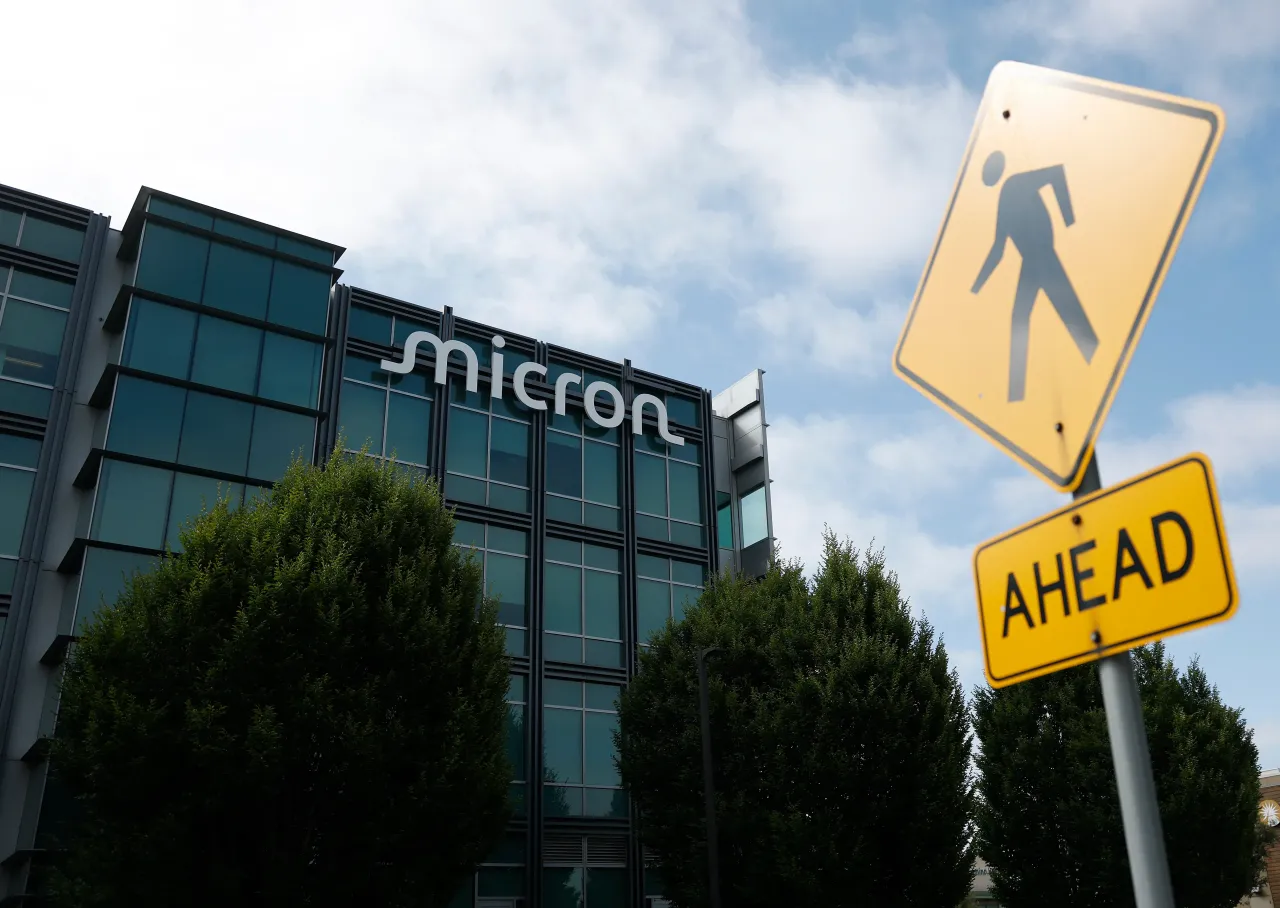
Memory Stocks Decline Raises Market Concerns

- Memory Stock Retreat: The recent decline in memory stocks has raised investor concerns that the AI trade may be losing momentum, indicating a potential broader market downturn, particularly following Samsung's strong earnings report which did not boost stock prices as expected.
- Samsung Earnings Impact: Despite Samsung's forecast of a 19-fold increase in Q2 operating profit to 89.4 trillion won ($58.44 billion) and a 129% revenue increase to 171 trillion won, its shares fell nearly 7% post-announcement, highlighting market apprehensions about future performance.
- Divergent Investor Sentiment: On Stocktwits, retail sentiment is ‘extremely bullish’ for SNDK and DRAM, ‘bullish’ for MU, and ‘bearish’ for WDC, indicating a significant divergence in market perceptions regarding different memory stocks.
- SK Hynix IPO Outlook: With SK Hynix set to list on Nasdaq this Friday aiming for $28 billion in funding, about 40% of investors plan to stay on the sidelines, reflecting a cautious approach towards new stock offerings amid current market volatility.

Interactive Brokers' Second Quarter Performance Outlook

- Surge in Trading Volume: Interactive Brokers recorded an average of 5.3 million transactions per day in June, representing a 53% year-over-year increase and marking the highest volume on record, indicating strong benefits from market volatility that could significantly boost second-quarter results.
- Client Account Growth: By the end of June, Interactive Brokers had 5.18 million client accounts, with net new accounts soaring by 138% year-over-year, suggesting a robust trend that will enhance the company's market share and revenue potential.
- Optimistic Revenue Forecast: The company generated $1.67 billion in total revenue in the first quarter, a 17% increase from the previous year, with commission and net interest income rising by 19% and 17% respectively, and the second-quarter revenue is expected to reach $1.73 billion, potentially exceeding market expectations.
- Positive Future Outlook: Anticipated sustained market volatility in the coming months may drive an increase in Interactive Brokers' net interest income, further enhancing overall financial performance, leading investors to maintain an optimistic view on the stock's future.

Optimistic Outlook for AI Investments

- Micron's Growth Potential: Micron Technology (MU) has seen its stock triple this year, and with the memory chip market expected to remain tight through 2027, the company is poised for unprecedented growth, presenting significant return opportunities.
- Nebius Revenue Surge: Nebius (NBIS) reported a staggering 684% revenue growth in Q1, with analysts projecting 459% growth in Q2, making it an opportune time to invest as the company rapidly expands into an AI computing giant.
- Nvidia's Market Dominance: Nvidia (NVDA) remains the top AI stock pick since 2023, despite a 17% drop from its all-time highs; its GPUs are still essential to the industry, indicating substantial future growth potential.
- Investment Opportunities in Microsoft and Meta: Microsoft (MSFT) boasts a 27% stake in OpenAI and an annual recurring revenue of $37 billion, showcasing strong growth potential, while Meta (META) trades at an attractive 18 times forward earnings, positioning it as a potential top AI stock in the latter half of 2026.
Samsung's Strong Q2 Earnings Lead to Stock Sell-Off
- Significant Earnings Growth: Samsung reported a 28% sequential sales increase in its Q2 2026 earnings, more than doubling last year's revenue, with operating profit soaring to $58.4 billion, reflecting the company's robust market performance.
- Stock Reaction Anomaly: Despite exceeding analyst expectations, Samsung's stock fell 7%, indicating a 'buy the rumor, sell the news' phenomenon in an overheated market, where even strong results failed to support the stock price.
- Market Impact Spreading: As the world's largest DRAM memory supplier, Samsung's strong performance triggered a sell-off in other semiconductor stocks, particularly Micron, which saw its stock tumble 7.7% in a short time, highlighting market concerns about the semiconductor sector.
- Uncertain Supply Chain Outlook: Samsung's announcement of building massive semiconductor fabrication plants to increase supply may further erode Micron's market share and create imbalances in supply-demand dynamics, posing challenges for Micron's future growth.
SK Hynix and Samsung Invest $2 Trillion to Expand Memory Production
- Expansion Investment: SK Hynix and Samsung have pledged over $2 trillion to double memory chip production capacity over the next five years, aiming to address the ongoing shortage and tremendous demand, which could pressure Micron Technology's market share.
- Market Share Comparison: Samsung and SK Hynix control 67% of the global dynamic random-access memory (DRAM) market and 47% of the NAND flash market, while Micron holds only 22% and 13%, making the expansion of these Korean giants a direct threat to Micron.
- Price Pressure Outlook: Analysts are concerned that the new capacity could lead to oversupply, negatively impacting memory prices, especially as Micron relies on high memory prices to drive its earnings growth.
- Long-Term Growth Potential: Despite short-term challenges, the structural growth of the memory market driven by AI, with high-bandwidth memory demand expected to rise at an annual rate of 42%, may provide Micron with sustained growth opportunities, alleviating investor concerns.
Memory Stocks Under Pressure Amid Broader Chip Sell-Off
- Memory Stock Decline: Following Samsung Electronics' earnings report, Micron and SanDisk saw nearly a 6% drop in premarket trading, indicating a growing profit-taking sentiment in AI hardware, which could negatively impact short-term performance for these companies.
- Market Sentiment Weakens: U.S. stock futures fell across the board on Wednesday morning, with Nasdaq futures down 1.2% and S&P 500 futures declining 0.8%, reflecting investor concerns about the economic outlook, particularly as oil prices surged after President Trump's announcement of the end of the ceasefire with Iran.
- Trump's Comments Impact: Trump's declaration at the NATO Summit that the ceasefire with Iran is over led to a more than 6% increase in oil prices, reaching $79 per barrel, which could positively affect energy stocks but simultaneously heightens market uncertainty.
- Upcoming Earnings Reports: Levi Strauss, PepsiCo, and Delta Air Lines are set to report earnings this week, and investors will closely monitor these results to gauge the health of the consumer market, especially ahead of the unofficial kickoff of the bank earnings season next week.
Memory Stocks Decline Raises Market Concerns
- Memory Stock Retreat: The recent decline in memory stocks has raised investor concerns that the AI trade may be losing momentum, indicating a potential broader market downturn, particularly following Samsung's strong earnings report which did not boost stock prices as expected.
- Samsung Earnings Impact: Despite Samsung's forecast of a 19-fold increase in Q2 operating profit to 89.4 trillion won ($58.44 billion) and a 129% revenue increase to 171 trillion won, its shares fell nearly 7% post-announcement, highlighting market apprehensions about future performance.
- Divergent Investor Sentiment: On Stocktwits, retail sentiment is ‘extremely bullish’ for SNDK and DRAM, ‘bullish’ for MU, and ‘bearish’ for WDC, indicating a significant divergence in market perceptions regarding different memory stocks.
- SK Hynix IPO Outlook: With SK Hynix set to list on Nasdaq this Friday aiming for $28 billion in funding, about 40% of investors plan to stay on the sidelines, reflecting a cautious approach towards new stock offerings amid current market volatility.
Interactive Brokers' Second Quarter Performance Outlook
- Surge in Trading Volume: Interactive Brokers recorded an average of 5.3 million transactions per day in June, representing a 53% year-over-year increase and marking the highest volume on record, indicating strong benefits from market volatility that could significantly boost second-quarter results.
- Client Account Growth: By the end of June, Interactive Brokers had 5.18 million client accounts, with net new accounts soaring by 138% year-over-year, suggesting a robust trend that will enhance the company's market share and revenue potential.
- Optimistic Revenue Forecast: The company generated $1.67 billion in total revenue in the first quarter, a 17% increase from the previous year, with commission and net interest income rising by 19% and 17% respectively, and the second-quarter revenue is expected to reach $1.73 billion, potentially exceeding market expectations.
- Positive Future Outlook: Anticipated sustained market volatility in the coming months may drive an increase in Interactive Brokers' net interest income, further enhancing overall financial performance, leading investors to maintain an optimistic view on the stock's future.
Optimistic Outlook for AI Investments
- Micron's Growth Potential: Micron Technology (MU) has seen its stock triple this year, and with the memory chip market expected to remain tight through 2027, the company is poised for unprecedented growth, presenting significant return opportunities.
- Nebius Revenue Surge: Nebius (NBIS) reported a staggering 684% revenue growth in Q1, with analysts projecting 459% growth in Q2, making it an opportune time to invest as the company rapidly expands into an AI computing giant.
- Nvidia's Market Dominance: Nvidia (NVDA) remains the top AI stock pick since 2023, despite a 17% drop from its all-time highs; its GPUs are still essential to the industry, indicating substantial future growth potential.
- Investment Opportunities in Microsoft and Meta: Microsoft (MSFT) boasts a 27% stake in OpenAI and an annual recurring revenue of $37 billion, showcasing strong growth potential, while Meta (META) trades at an attractive 18 times forward earnings, positioning it as a potential top AI stock in the latter half of 2026.