Major Averages Decline Amid Oil Price Volatility
Written by Emily J. Thompson, Senior Investment Analyst
Updated: Mar 12 2026
0mins


Source: Yahoo Finance
- Market Impact from Oil Prices: The major averages, including the Dow, fell over 400 points as oil prices surged above $100 earlier in the week, reflecting traders' concerns over volatile energy prices and geopolitical tensions in the Middle East.
- IEA's Strategic Release: The International Energy Agency's decision to release approximately 400 million barrels from strategic reserves aims to stabilize energy markets following supply shocks due to conflicts, which could help mitigate extreme oil price fluctuations.
- Inflation Data Reaction: Recent inflation data showed a 0.3% month-over-month increase in the consumer price index and a 2.4% year-over-year rise, both aligning with consensus expectations, indicating persistent inflationary pressures that may influence future monetary policy decisions.
- Escalating Geopolitical Risks: U.S. forces sunk several Iranian ships near the Strait of Hormuz, heightening the fragility of global energy supply routes and contributing to unstable market sentiment, prompting investors to adopt a cautious stance regarding future market movements.
Trade with 70% Backtested Accuracy
Stop guessing "Should I Buy SHEL?" and start using high-conviction signals backed by rigorous historical data.
Sign up today to access powerful investing tools and make smarter, data-driven decisions.
Analyst Views on SHEL
Wall Street analysts forecast SHEL stock price to fall
10 Analyst Rating
5 Buy
5 Hold
0 Sell
Moderate Buy
Current: 78.140

Low
41.75
Averages
74.27
High
91.00
Current: 78.140
Low
41.75
Averages
74.27
High
91.00
About SHEL
Shell plc is an international energy company engaged in the principal aspects of the energy and petrochemical industries. The Company's segments include Integrated Gas, Upstream, Marketing, Chemicals and Products, Renewables and Energy Solutions, and Corporate. The Integrated Gas segment includes liquefied natural gas (LNG), conversion of natural gas into gas-to-liquids (GTL) fuels and other products. It includes natural gas and liquids exploration and extraction, and the operation of the upstream and midstream infrastructure. The Upstream segment includes exploration and extraction of crude oil, natural gas and natural gas liquids. It also markets and transports oil and gas and operates the infrastructure necessary to deliver them to the market. The Marketing segment comprises the Mobility, Lubricants, and Sectors & Decarbonization businesses. The Chemicals and Products segment include chemical manufacturing plants with their own marketing network, and refineries.
About the author

Emily J. Thompson
Emily J. Thompson, a Chartered Financial Analyst (CFA) with 12 years in investment research, graduated with honors from the Wharton School. Specializing in industrial and technology stocks, she provides in-depth analysis for Intellectia’s earnings and market brief reports.
Shell Issues Q2 2026 Update with Strong Operational Guidance
- Production Guidance Adjustment: Shell's Integrated Gas division production is expected to range between 610-650 kboe/d, significantly down from 909 kboe/d in Q1 2026, reflecting the direct impact of the ongoing Middle East conflict on Qatari volumes, which may lead to a decline in overall revenue.
- LNG Production Decline: Projected LNG liquefaction volumes are adjusted down from 6.8M-7.4M tonnes to 7.4M-7.8M tonnes; however, Shell still anticipates Trading & Optimisation earnings in the Integrated Gas segment to be significantly higher than the previous quarter, demonstrating market resilience.
- Strong Downstream Performance: Downstream operations are expected to see refining margins rise from $17/bbl in Q1 to approximately $20/bbl, while chemicals margins are projected to rebound sharply to around $240/tonne, although realized margins are lower than indicative due to market dislocations.
- Significant Cash Flow Improvement: Expected cash flow from operations will reflect a massive positive working capital swing, projected to bring in an inflow of $1B to $6B, reversing the significant $11.2B working capital outflow recorded in Q1, showcasing the company's strong adaptability amid global commodity price volatility.
See More
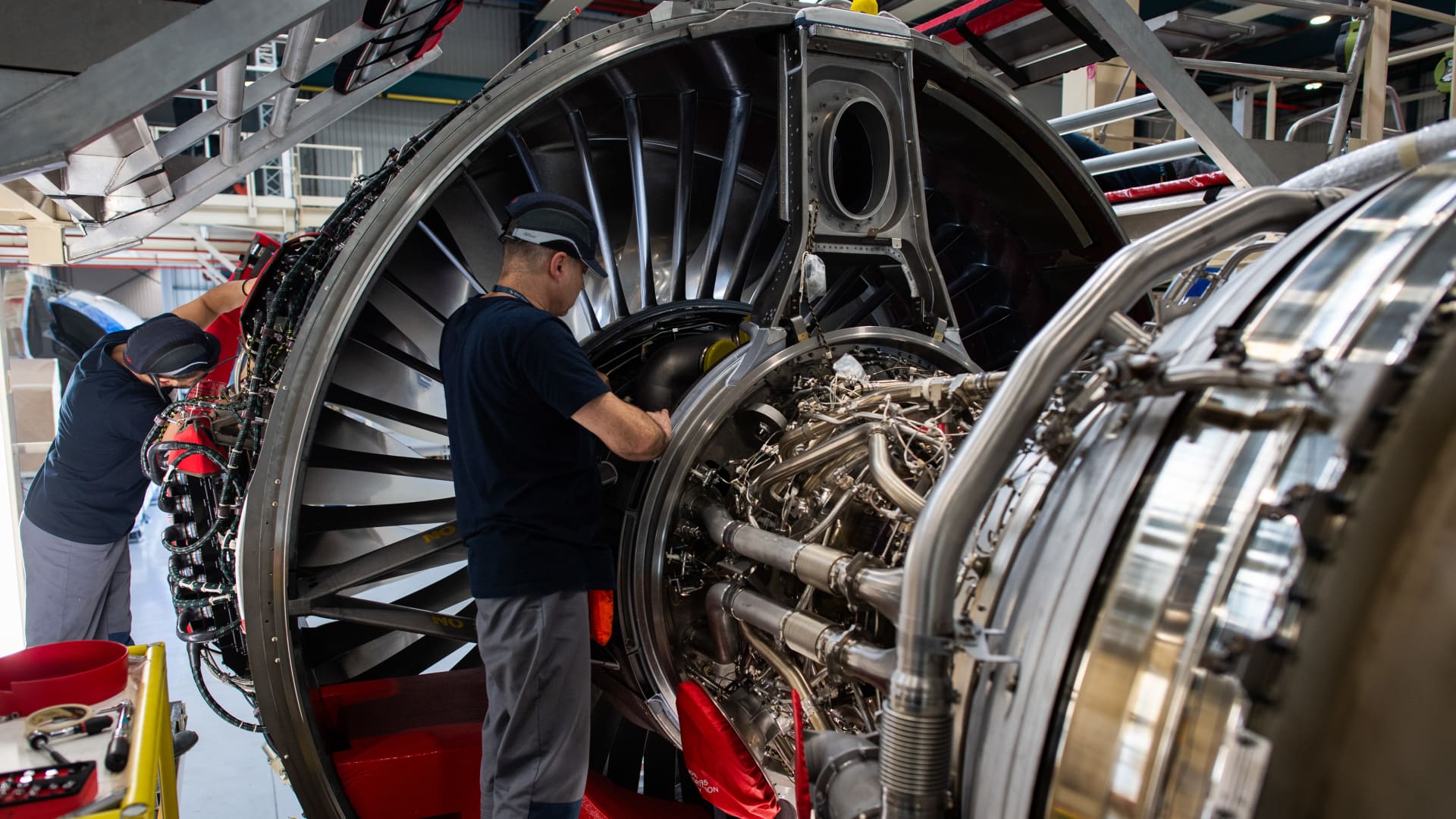
Goldman Sachs Advises Focus on HALO Stocks


- Definition of HALO Stocks: Goldman Sachs defines HALO stocks as those of companies with 'heavy assets and low obsolescence risk,' highlighting a market shift towards tangible productive assets amid higher real yields and geopolitical fragmentation.
- Capital Expenditure Trends: Key areas such as data centers, semiconductors, utilities, and defense are expected to account for over 40% of global capital expenditure, indicating that capital-intensive companies are favored for their capacity and infrastructure complexity, driving growth in these sectors.
- Investment Themes Focus: Goldman recommends focusing on five themes: infrastructure, basic materials, aerospace and defense, manufacturing, and consumer platforms, with buy-rated stocks including Enel, Airbus, and Volvo, reflecting strong investment confidence in these areas.
- Global Trend: Goldman emphasizes that the HALO framework is not limited to Europe but represents a global trend, replicated in the US, Asia-Pacific, Japan, and emerging markets, indicating widespread interest in investment opportunities in businesses with hard-to-replace physical assets.
See More
Shell Reports Strong Q2 Trading Performance Amid Middle East Volatility
- Strong Trading Performance: Shell (SHEL) rose 3.3% in Tuesday's trading as its Q2 trading statement revealed robust operational performance, despite production being squeezed by lower volumes from Qatar.
- Gas Trading Expectations Up: The company anticipates its gas trading division will report significantly higher results in Q2 compared to Q1, benefiting from elevated gas prices, although price-lag effects in contracts may delay this impact.
- Chemicals Division Recovery: Adjusted earnings in Shell's chemicals and products division surged to $1.925 billion in Q1, rebounding from a loss at the end of last year, indicating strong performance from oil traders.
- Production Guidance Raised: While Q2 production in the integrated gas unit is expected to fall significantly, Shell raised its production estimate to 610K-650K boe/day from a previous 580K-640K boe/day, reflecting strong output from assets outside the Middle East.
See More
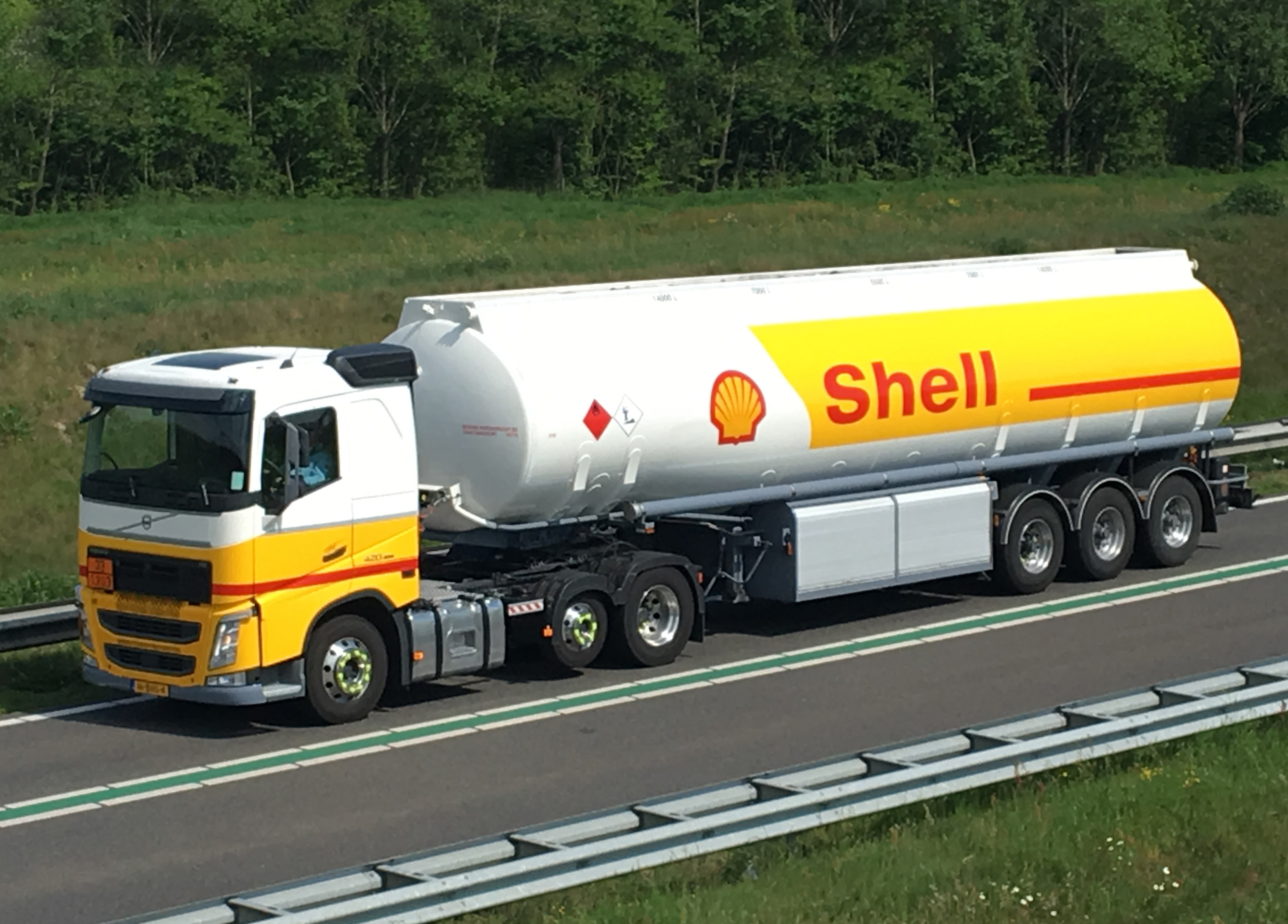
ADNOC Acquires Shell's South African Operations for $1B
- Acquisition Scale: Abu Dhabi National Oil Company (ADNOC) has agreed to acquire Shell's (SHEL) South African fuel operations for $1 billion, marking a significant step in its international expansion as it enters Africa's largest economy for the first time.
- Scope of Business: The deal includes Shell's 580 fuel stations in South Africa, along with wholesale fuel, aviation fuel, and lubricants operations, allowing ADNOC to enhance its market share and business diversification through the acquisition of Shell Downstream South Africa.
- Future Plans: The acquisition is expected to close next year, after which ADNOC plans to sell 28% of the business to a
See More

Shell Sells Downstream South Africa Fuel Business
- Business Sale: Shell has agreed to sell its retail and wholesale fuel business in South Africa, aiming to optimize its global portfolio and focus on core markets.
- Strategic Shift: This transaction allows Shell to free up capital and improve operational efficiency, thereby enhancing its competitiveness in other markets, particularly in renewable energy.
- Market Reaction: Although the specific transaction amount has not been disclosed, the market generally views this move as beneficial for Shell's positioning in the global energy transition.
- Future Outlook: This strategic initiative reflects Shell's reassessment of the South African market, which may impact its overall business layout in Africa.
See More

Update on Q2 2026 Outlook
- Production Outlook Adjustment: The Q2 2026 Integrated Gas production forecast is set at 610-650 kboe/d, a significant drop from Q1's 909 kboe/d, reflecting the impact of Middle East conflicts on Qatari volumes, which may lead to a decline in overall revenue.
- LNG Production Forecast: LNG liquefaction volumes are expected to range between 7.4-7.8 million tonnes in Q2, down from 7.9 million tonnes in Q1, indicating that market demand fluctuations could affect supply chain stability and subsequently impact profitability.
- Chemicals Margin Changes: The indicative chemicals margin is projected to rise from $139/tonne in Q1 to $240/tonne in Q2, suggesting improved market conditions that could enhance profit margins and strengthen the company's competitive position.
- Overall Financial Performance Outlook: Shell Group's cash flow forecast indicates a tax-paid cash flow of $2.6-3.4 billion, and despite challenges from commodity price volatility, the company is expected to maintain stable financial performance, reflecting resilience in uncertain market conditions.
See More
Shell Issues Q2 2026 Update with Strong Operational Guidance
- Production Guidance Adjustment: Shell's Integrated Gas division production is expected to range between 610-650 kboe/d, significantly down from 909 kboe/d in Q1 2026, reflecting the direct impact of the ongoing Middle East conflict on Qatari volumes, which may lead to a decline in overall revenue.
- LNG Production Decline: Projected LNG liquefaction volumes are adjusted down from 6.8M-7.4M tonnes to 7.4M-7.8M tonnes; however, Shell still anticipates Trading & Optimisation earnings in the Integrated Gas segment to be significantly higher than the previous quarter, demonstrating market resilience.
- Strong Downstream Performance: Downstream operations are expected to see refining margins rise from $17/bbl in Q1 to approximately $20/bbl, while chemicals margins are projected to rebound sharply to around $240/tonne, although realized margins are lower than indicative due to market dislocations.
- Significant Cash Flow Improvement: Expected cash flow from operations will reflect a massive positive working capital swing, projected to bring in an inflow of $1B to $6B, reversing the significant $11.2B working capital outflow recorded in Q1, showcasing the company's strong adaptability amid global commodity price volatility.
See More
Goldman Sachs Advises Focus on HALO Stocks
- Definition of HALO Stocks: Goldman Sachs defines HALO stocks as those of companies with 'heavy assets and low obsolescence risk,' highlighting a market shift towards tangible productive assets amid higher real yields and geopolitical fragmentation.
- Capital Expenditure Trends: Key areas such as data centers, semiconductors, utilities, and defense are expected to account for over 40% of global capital expenditure, indicating that capital-intensive companies are favored for their capacity and infrastructure complexity, driving growth in these sectors.
- Investment Themes Focus: Goldman recommends focusing on five themes: infrastructure, basic materials, aerospace and defense, manufacturing, and consumer platforms, with buy-rated stocks including Enel, Airbus, and Volvo, reflecting strong investment confidence in these areas.
- Global Trend: Goldman emphasizes that the HALO framework is not limited to Europe but represents a global trend, replicated in the US, Asia-Pacific, Japan, and emerging markets, indicating widespread interest in investment opportunities in businesses with hard-to-replace physical assets.
See More
Shell Reports Strong Q2 Trading Performance Amid Middle East Volatility
- Strong Trading Performance: Shell (SHEL) rose 3.3% in Tuesday's trading as its Q2 trading statement revealed robust operational performance, despite production being squeezed by lower volumes from Qatar.
- Gas Trading Expectations Up: The company anticipates its gas trading division will report significantly higher results in Q2 compared to Q1, benefiting from elevated gas prices, although price-lag effects in contracts may delay this impact.
- Chemicals Division Recovery: Adjusted earnings in Shell's chemicals and products division surged to $1.925 billion in Q1, rebounding from a loss at the end of last year, indicating strong performance from oil traders.
- Production Guidance Raised: While Q2 production in the integrated gas unit is expected to fall significantly, Shell raised its production estimate to 610K-650K boe/day from a previous 580K-640K boe/day, reflecting strong output from assets outside the Middle East.
See More
ADNOC Acquires Shell's South African Operations for $1B
- Acquisition Scale: Abu Dhabi National Oil Company (ADNOC) has agreed to acquire Shell's (SHEL) South African fuel operations for $1 billion, marking a significant step in its international expansion as it enters Africa's largest economy for the first time.
- Scope of Business: The deal includes Shell's 580 fuel stations in South Africa, along with wholesale fuel, aviation fuel, and lubricants operations, allowing ADNOC to enhance its market share and business diversification through the acquisition of Shell Downstream South Africa.
- Future Plans: The acquisition is expected to close next year, after which ADNOC plans to sell 28% of the business to a
See More
Shell Sells Downstream South Africa Fuel Business
- Business Sale: Shell has agreed to sell its retail and wholesale fuel business in South Africa, aiming to optimize its global portfolio and focus on core markets.
- Strategic Shift: This transaction allows Shell to free up capital and improve operational efficiency, thereby enhancing its competitiveness in other markets, particularly in renewable energy.
- Market Reaction: Although the specific transaction amount has not been disclosed, the market generally views this move as beneficial for Shell's positioning in the global energy transition.
- Future Outlook: This strategic initiative reflects Shell's reassessment of the South African market, which may impact its overall business layout in Africa.
See More
Update on Q2 2026 Outlook
- Production Outlook Adjustment: The Q2 2026 Integrated Gas production forecast is set at 610-650 kboe/d, a significant drop from Q1's 909 kboe/d, reflecting the impact of Middle East conflicts on Qatari volumes, which may lead to a decline in overall revenue.
- LNG Production Forecast: LNG liquefaction volumes are expected to range between 7.4-7.8 million tonnes in Q2, down from 7.9 million tonnes in Q1, indicating that market demand fluctuations could affect supply chain stability and subsequently impact profitability.
- Chemicals Margin Changes: The indicative chemicals margin is projected to rise from $139/tonne in Q1 to $240/tonne in Q2, suggesting improved market conditions that could enhance profit margins and strengthen the company's competitive position.
- Overall Financial Performance Outlook: Shell Group's cash flow forecast indicates a tax-paid cash flow of $2.6-3.4 billion, and despite challenges from commodity price volatility, the company is expected to maintain stable financial performance, reflecting resilience in uncertain market conditions.
See More