LNG Shipping Market Crisis Deepens Amidst Asian Demand Surge
Written by Emily J. Thompson, Senior Investment Analyst
Updated: Mar 12 2026
0mins

Source: seekingalpha
- Supply-Demand Imbalance: At least 20 liquefied natural gas carriers are trapped in the Persian Gulf due to surging demand from Asia, representing nearly 50% of the global fleet available for charter, leading to a severe supply-demand imbalance that is expected to have lasting price implications.
- Surging Charter Rates: Charter rates for LNG carriers have skyrocketed from under $98,000 per day before the conflict to over $200,000 per day, reflecting the escalating market tension and presenting shipowners with significantly higher revenue opportunities.
- Price Increase Expectations: Energy traders anticipate that LNG prices will continue to rise by early next week, adding to this week's 40% increase in Asia and Europe, further exacerbating market volatility and impacting the global energy supply chain.
- Long-Term Impact Assessment: GasLog COO Kostas Karathanos indicated that the effects on LNG shipping will last for several months beyond the conflict itself, suggesting that the market will face prolonged supply chain challenges.
Trade with 70% Backtested Accuracy
Stop guessing "Should I Buy TNK?" and start using high-conviction signals backed by rigorous historical data.
Sign up today to access powerful investing tools and make smarter, data-driven decisions.
Analyst Views on TNK
About TNK
Teekay Tankers Ltd. is a Bermuda-based company. The Company's primary business is to own and operate crude oil and refined product. operates mid-sized tankers. In addition, to its core business, the Company also provide STS support services, along with its tanker commercial management operations. The Company owns a fleet of approximately 42 double-hull tankers, including 24 Supermax tankers,18 Aframax/LR2 tankers, and has six time chartered-in tankers. Its vessels are typically employed through a mix of spot tanker market trading and short- or medium-term fixed-rate time charter contracts. The Company also owns a crude carrier (VLCC) through a joint venture. It owns a ship-to-ship transfer business that performs full-service lightering and lightering support operations in the United States, Gulf, and Caribbean.
About the author

Emily J. Thompson
Emily J. Thompson, a Chartered Financial Analyst (CFA) with 12 years in investment research, graduated with honors from the Wharton School. Specializing in industrial and technology stocks, she provides in-depth analysis for Intellectia’s earnings and market brief reports.

Teekay Tankers Declares Quarterly Dividend of $0.25 and Special Dividend of $1.00
- Quarterly Dividend Announcement: Teekay Tankers has declared a quarterly dividend of $0.25 per share, consistent with previous distributions, indicating the company's stable cash flow and profitability, which is likely to attract more investor interest.
- Special Cash Dividend: The Board of Directors has also declared a special cash dividend of $1.00 per share, reflecting the company's willingness to reward shareholders amid strong financial performance, thereby boosting shareholder confidence.
- Dividend Payment Schedule: Both dividends are set to be paid on June 2, with a record date of May 26 and an ex-dividend date also on May 26, ensuring shareholders receive their earnings promptly.
- Market Reaction Expectations: With the dividend announcement, shareholders of Teekay Tankers will benefit from a stable income stream, which is expected to have a positive impact on the company's stock price, further solidifying its position in the market.
See More

Teekay Corporation Declares Special Cash Dividend
- Special Cash Dividend: Teekay Corporation's Board of Directors declared a special cash dividend of $1.00 per common share, payable on June 2, 2026, to enhance shareholder returns and bolster investor confidence.
- Financial Update: The financial update for the three months ended March 31, 2026, indicates that Teekay continues to maintain its leadership in international crude oil marine transportation and services, reflecting the company's stability and growth potential in the market.
- Fleet Size: Teekay Tankers operates a fleet of 33 double-hull tankers, including 14 Suezmax and 18 Aframax/LR2 tankers, showcasing its strong capabilities and market presence in the mid-sized crude transportation sector.
- Service Expansion: Teekay Tankers also manages and operates vessels for the Australian government and energy companies, further solidifying its position in the marine services sector and expanding its operational footprint.
See More
Teekay Tankers Set to Announce Q1 Earnings on May 13
- Earnings Announcement Date: Teekay Tankers is set to release its Q1 earnings on May 13, with consensus EPS estimate at $3.54 and revenue estimate at $218.72 million, reflecting a 5.6% year-over-year decline, indicating the company's resilience amid market challenges.
- Historical Performance Review: Over the past two years, Teekay Tankers has beaten EPS estimates 63% of the time and achieved a 100% success rate in revenue estimates, showcasing the company's stability and adaptability in financial forecasting.
- Expectation Revision Dynamics: In the last three months, EPS estimates have seen three upward revisions with no downward adjustments, while revenue estimates have experienced two upward revisions, indicating increased analyst confidence in the company's future performance, which may positively impact stock prices.
- Market Environment Analysis: Despite challenges posed by shifts in global LPG trade flows and declining crude tanker rates, Teekay Tankers continues to demonstrate strong financial performance driven by elevated spot prices, suggesting the company may continue to benefit from market volatility in the upcoming quarters.
See More
Teekay Group to Release Q1 2026 Financial Results
- Earnings Release Schedule: The Teekay Group plans to release its Q1 2026 financial results after market close on May 13, 2026, which is expected to provide investors with critical financial data and operational performance insights.
- Conference Call Announcement: Teekay will host a conference call on May 14, 2026, at 11:00 a.m. (ET) to discuss its Q1 earnings, allowing all shareholders and interested parties to participate via designated phone lines, enhancing transparency and shareholder engagement.
- Webcast Availability: Investors can access the earnings call via a webcast on Teekay's website, with the archive available for one year, ensuring information accessibility and ongoing investor relations maintenance.
- Fleet Size and Services: Teekay Tankers operates a fleet of 34 double-hull tankers, including 15 Suezmax and 18 Aframax/LR2 tankers, showcasing its leadership in international crude oil marine transportation while providing vessel management services for the Australian government and energy companies, further solidifying its market position.
See More

Slow Traffic Resumes in Strait of Hormuz Post Ceasefire

- Traffic Resumption Status: Following the two-week ceasefire agreement between the U.S. and Iran, vessel traffic in the Strait of Hormuz remains sluggish, with only two ships passing through, indicating a significant uncertainty in the market regarding safe navigation despite the ceasefire.
- Iran's Passage Conditions: Iran's stipulation that vessels must coordinate with its armed forces and potentially pay tolls in cryptocurrency adds operational costs for shipping companies, which could lead to fluctuations in oil prices and impact global supply chains.
- Shipping Companies' Response: While shipping giant Maersk welcomed the ceasefire, their statement emphasized limited information available, necessitating a cautious approach to assess potential passage conditions, which may influence their operational strategies in the region.
- Market Impact Analysis: During the week leading up to the ceasefire, approximately 72 vessels transited the strait, marking the highest number since the war began, yet still 90% below normal traffic levels, reflecting a cautious market sentiment regarding future shipping activities.
See More
Iran Establishes Toll Corridor in Strait of Hormuz Amid Shipping Crisis
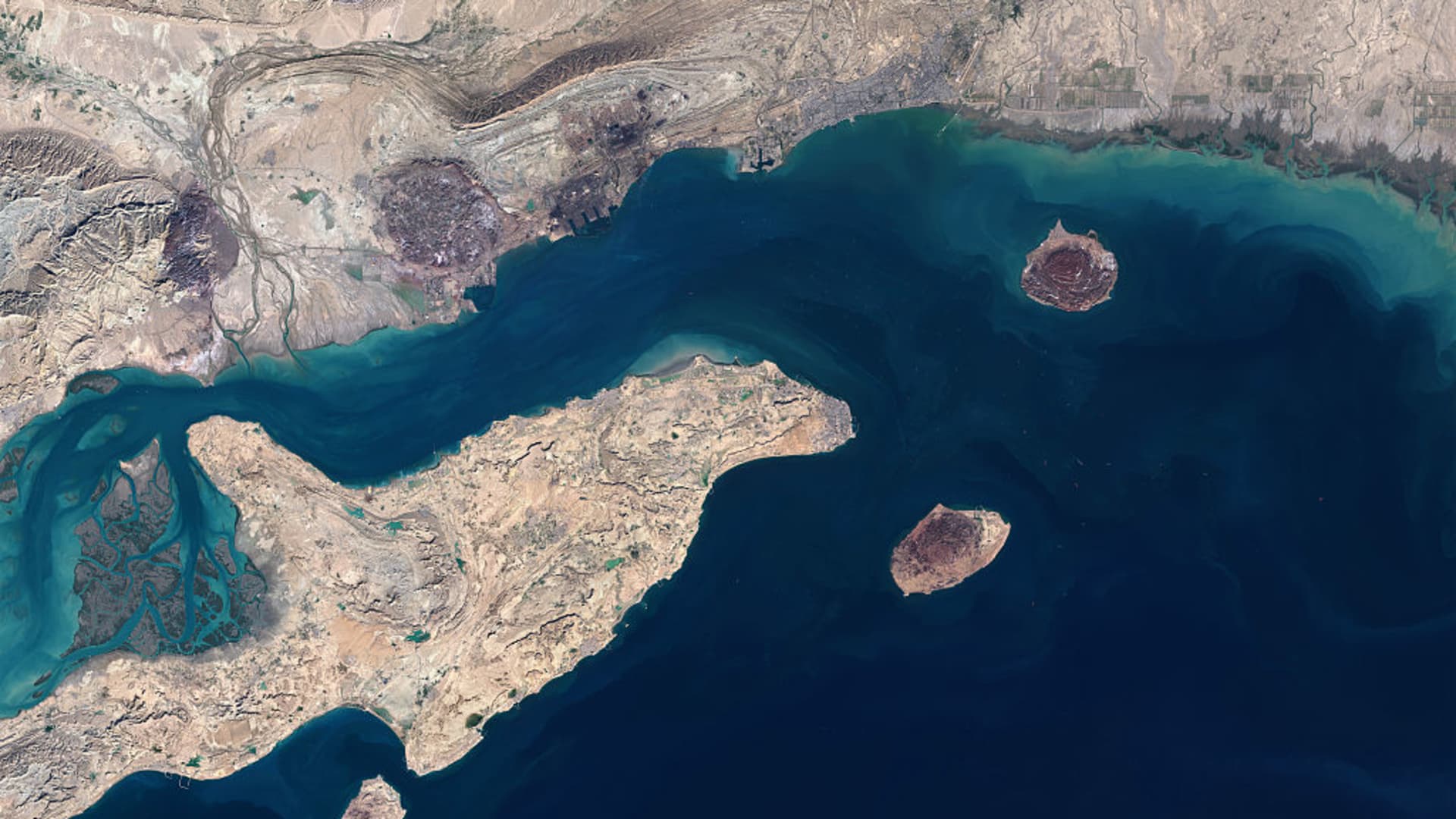
- Shipping Corridor Control: Iran has established a de facto safe shipping corridor near Larak Island in the Strait of Hormuz, resulting in a 90% drop in traffic since February 28, which has caused one of the most severe energy supply shocks globally.
- Toll System Implementation: The Iranian parliament passed a bill to impose fees on vessels transiting the strait, a move that, despite international legal disputes, would institutionalize Tehran's financial control over this critical waterway.
- Selective Passage: All 57 transits recorded since March 13 have taken the Larak detour, indicating strict vetting by the IRGC, which prioritizes vessels from countries with friendly relations, thereby increasing uncertainty in international shipping.
- International Response: While Iran claims the right to charge transit fees, legal experts argue that such unilateral measures may face strong diplomatic and legal challenges under the framework of the United Nations Convention on the Law of the Sea.
See More
Teekay Tankers Declares Quarterly Dividend of $0.25 and Special Dividend of $1.00
- Quarterly Dividend Announcement: Teekay Tankers has declared a quarterly dividend of $0.25 per share, consistent with previous distributions, indicating the company's stable cash flow and profitability, which is likely to attract more investor interest.
- Special Cash Dividend: The Board of Directors has also declared a special cash dividend of $1.00 per share, reflecting the company's willingness to reward shareholders amid strong financial performance, thereby boosting shareholder confidence.
- Dividend Payment Schedule: Both dividends are set to be paid on June 2, with a record date of May 26 and an ex-dividend date also on May 26, ensuring shareholders receive their earnings promptly.
- Market Reaction Expectations: With the dividend announcement, shareholders of Teekay Tankers will benefit from a stable income stream, which is expected to have a positive impact on the company's stock price, further solidifying its position in the market.
See More
Teekay Corporation Declares Special Cash Dividend
- Special Cash Dividend: Teekay Corporation's Board of Directors declared a special cash dividend of $1.00 per common share, payable on June 2, 2026, to enhance shareholder returns and bolster investor confidence.
- Financial Update: The financial update for the three months ended March 31, 2026, indicates that Teekay continues to maintain its leadership in international crude oil marine transportation and services, reflecting the company's stability and growth potential in the market.
- Fleet Size: Teekay Tankers operates a fleet of 33 double-hull tankers, including 14 Suezmax and 18 Aframax/LR2 tankers, showcasing its strong capabilities and market presence in the mid-sized crude transportation sector.
- Service Expansion: Teekay Tankers also manages and operates vessels for the Australian government and energy companies, further solidifying its position in the marine services sector and expanding its operational footprint.
See More
Teekay Tankers Set to Announce Q1 Earnings on May 13
- Earnings Announcement Date: Teekay Tankers is set to release its Q1 earnings on May 13, with consensus EPS estimate at $3.54 and revenue estimate at $218.72 million, reflecting a 5.6% year-over-year decline, indicating the company's resilience amid market challenges.
- Historical Performance Review: Over the past two years, Teekay Tankers has beaten EPS estimates 63% of the time and achieved a 100% success rate in revenue estimates, showcasing the company's stability and adaptability in financial forecasting.
- Expectation Revision Dynamics: In the last three months, EPS estimates have seen three upward revisions with no downward adjustments, while revenue estimates have experienced two upward revisions, indicating increased analyst confidence in the company's future performance, which may positively impact stock prices.
- Market Environment Analysis: Despite challenges posed by shifts in global LPG trade flows and declining crude tanker rates, Teekay Tankers continues to demonstrate strong financial performance driven by elevated spot prices, suggesting the company may continue to benefit from market volatility in the upcoming quarters.
See More
Teekay Group to Release Q1 2026 Financial Results
- Earnings Release Schedule: The Teekay Group plans to release its Q1 2026 financial results after market close on May 13, 2026, which is expected to provide investors with critical financial data and operational performance insights.
- Conference Call Announcement: Teekay will host a conference call on May 14, 2026, at 11:00 a.m. (ET) to discuss its Q1 earnings, allowing all shareholders and interested parties to participate via designated phone lines, enhancing transparency and shareholder engagement.
- Webcast Availability: Investors can access the earnings call via a webcast on Teekay's website, with the archive available for one year, ensuring information accessibility and ongoing investor relations maintenance.
- Fleet Size and Services: Teekay Tankers operates a fleet of 34 double-hull tankers, including 15 Suezmax and 18 Aframax/LR2 tankers, showcasing its leadership in international crude oil marine transportation while providing vessel management services for the Australian government and energy companies, further solidifying its market position.
See More
Slow Traffic Resumes in Strait of Hormuz Post Ceasefire
- Traffic Resumption Status: Following the two-week ceasefire agreement between the U.S. and Iran, vessel traffic in the Strait of Hormuz remains sluggish, with only two ships passing through, indicating a significant uncertainty in the market regarding safe navigation despite the ceasefire.
- Iran's Passage Conditions: Iran's stipulation that vessels must coordinate with its armed forces and potentially pay tolls in cryptocurrency adds operational costs for shipping companies, which could lead to fluctuations in oil prices and impact global supply chains.
- Shipping Companies' Response: While shipping giant Maersk welcomed the ceasefire, their statement emphasized limited information available, necessitating a cautious approach to assess potential passage conditions, which may influence their operational strategies in the region.
- Market Impact Analysis: During the week leading up to the ceasefire, approximately 72 vessels transited the strait, marking the highest number since the war began, yet still 90% below normal traffic levels, reflecting a cautious market sentiment regarding future shipping activities.
See More
Iran Establishes Toll Corridor in Strait of Hormuz Amid Shipping Crisis
- Shipping Corridor Control: Iran has established a de facto safe shipping corridor near Larak Island in the Strait of Hormuz, resulting in a 90% drop in traffic since February 28, which has caused one of the most severe energy supply shocks globally.
- Toll System Implementation: The Iranian parliament passed a bill to impose fees on vessels transiting the strait, a move that, despite international legal disputes, would institutionalize Tehran's financial control over this critical waterway.
- Selective Passage: All 57 transits recorded since March 13 have taken the Larak detour, indicating strict vetting by the IRGC, which prioritizes vessels from countries with friendly relations, thereby increasing uncertainty in international shipping.
- International Response: While Iran claims the right to charge transit fees, legal experts argue that such unilateral measures may face strong diplomatic and legal challenges under the framework of the United Nations Convention on the Law of the Sea.
See More