GE Shows Promise: Will Its 4.0% Surge Lead to Further Gains?

GE Aerospace Stock Performance: GE shares rose 3.9% to $299.81, driven by strong demand in its Commercial Engines & Services business, despite a 5.2% loss over the past month.
Earnings Expectations: GE is projected to report quarterly earnings of $1.40 per share, reflecting a 6.1% year-over-year increase, with revenues expected to reach $11.18 billion, up 13.1% from the previous year.
Earnings Estimate Revisions: The consensus EPS estimate for GE has been slightly revised upward, indicating a potential for price appreciation, as positive trends in earnings revisions often correlate with stock price increases.
Boeing's Market Position: Boeing's stock closed 1.8% higher at $204.38, with a consensus EPS estimate of -$0.43, reflecting a significant year-over-year change, while it currently holds a Zacks Rank of #4 (Sell).
Trade with 70% Backtested Accuracy
Analyst Views on BA

About BA
About the author

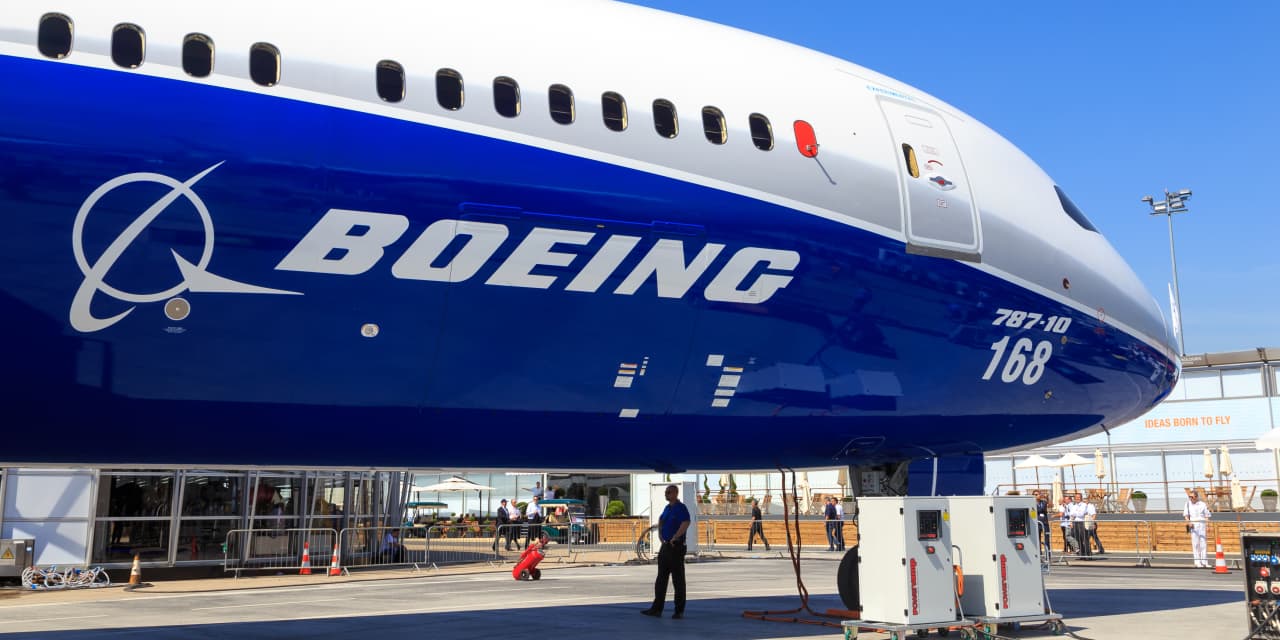
Boeing Secures $880M U.S. Navy Training Systems Contract

- Contract Value: Boeing has secured an $880 million firm-fixed-price contract aimed at procuring, modernizing, and sustaining P-8A Poseidon aircrew and maintenance training systems for the U.S. Navy, indicating ongoing demand in the defense sector.
- Project Scope: The contract encompasses the development, integration, testing, delivery, and upgrades of training devices, along with hardware, software, spares, and support services, which will enhance fleet readiness and adapt to evolving mission requirements.
- Completion Timeline: The work is expected to be completed by June 2031, indicating Boeing's ability to secure stable revenue streams from long-term contracts, which could positively impact the company's future financial performance.
- Funding Arrangement: No funds will be obligated at the time of award; instead, funds will be obligated on individual orders as they are issued, allowing Boeing to maintain financial flexibility during project execution.

Howmet Aerospace Stock Analysis: A Smart Investment Choice

- Outstanding Stock Performance: Howmet Aerospace has seen its stock price soar by 500% over the past three years, significantly outperforming major industrial, aerospace, and defense ETFs, indicating strong market performance and investment appeal.
- Diversified Revenue Streams: With revenue from commercial air-engine parts, defense hardware, and industrial gas turbines, Howmet reported impressive growth rates of 48% and 39% in commercial aerospace and gas turbines respectively in the most recent quarter, showcasing robust business stability and growth potential.
- Defense Contract Supplier: As a key supplier of parts for the F-35 Lightning II fighter jet, Howmet's involvement in the defense sector provides a stable revenue source; although defense growth is relatively slower, its competitive advantage in the market remains significant.
- Strong Financial Health: With an A- credit rating and a net leverage ratio of just 0.9x, Howmet demonstrates solid financial health, having distributed $450 million to shareholders in the first quarter and maintaining a five-year streak of dividend increases, reflecting strong cash flow and long-term growth potential.

Howmet Aerospace: A Smart Choice Amid Diversified Growth
- Outstanding Stock Performance: Howmet Aerospace has seen its stock price soar by 500% over the past three years, significantly outperforming major industrial, aerospace, and defense ETFs, indicating strong market performance and investment appeal.
- Diversified Revenue Streams: While not a dedicated defense stock, Howmet has achieved growth across multiple sectors, with commercial aerospace and gas turbines increasing by 48% and 39% respectively, showcasing its ability to leverage diverse revenue sources.
- Robust Financial Health: With a net leverage ratio of just 0.9x and double-digit free cash flow margins, Howmet demonstrates financial stability, allowing for substantial cash distributions to shareholders, including $450 million in dividends in the first quarter, with a five-year streak of dividend increases.
- Strategic Position in Defense Market: As a key supplier of parts for the F-35 Lightning II fighter jet, Howmet holds a significant position in defense contracts; although defense growth is slower, its competitive advantages and market share remain substantial.

Trump Unveils New Air Force One Aircraft

- New Aircraft Unveiling: President Trump unveiled the new Air Force One, a Boeing 747-8 gifted by the Qatari government and overhauled by L3Harris Technologies, marking a modernization of presidential air travel services at Joint Base Andrews.
- Luxury Design Upgrade: The aircraft features a new red, white, and blue color scheme, replacing the existing baby blue livery, which Trump stated reflects his personal taste and showcases an unprecedented level of luxury, enhancing the image of presidential travel.
- Operational Efficiency Improvement: The new aircraft will undergo initial commissioning flights for final testing of modifications, expected to alleviate the strain on the two current VC-25A Air Force One planes that have been in service since the 1990s, thereby improving operational efficiency for presidential air travel.
- Future Delivery Plans: This new aircraft will serve as a temporary replacement until Boeing delivers two new VC-25B jets in 2028, ensuring the continuity and reliability of presidential air services while preparing for future aviation needs.

Allegiant's Acquisition of Sun Country Boosts Goldman Sachs Outlook


- Acquisition Finalized: Allegiant Travel successfully closed its acquisition of Sun Country Airlines for $1.5 billion, which is expected to enhance the competitive positioning of both budget airlines and create a more differentiated service offering.
- Upgraded Price Target: Goldman Sachs upgraded Allegiant's rating from neutral to buy, setting a price target of $125, which implies a 30% upside from Wednesday's close, reflecting a positive outlook on the company's growth potential.
- Fleet Integration Benefits: Post-merger, Allegiant and Sun Country will operate a combined fleet of 195 aircraft, improving operational efficiency, as Allegiant's recent purchase of a Boeing 737 will support Sun Country's flights, thereby expanding their route network.
- Enhanced Pricing Power: With the exit of competitor Spirit, Allegiant gains increased pricing power in the market, and analysts believe this will provide more profitable growth opportunities for the company, especially amid volatile jet fuel prices.
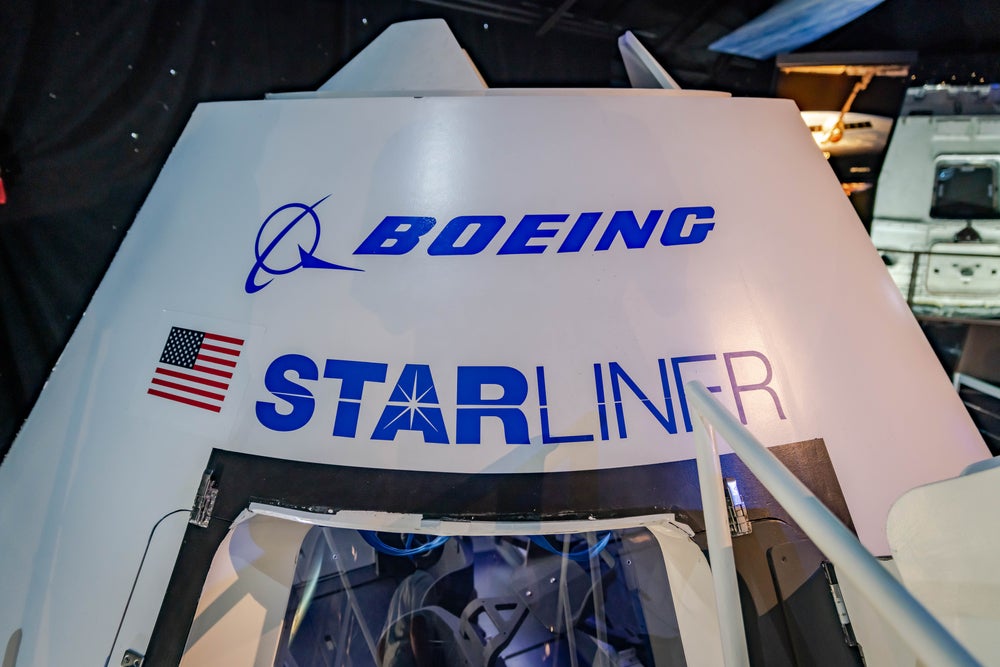
Boeing Completes Key Testing Milestone for Quantum Networking Satellite
- Key Testing Milestone: Boeing has completed a crucial ground-testing milestone for its Q4S quantum networking satellite, keeping the experimental space program on track for a planned 2027 launch, showcasing the company's forward-looking strategy in the quantum communication sector.
- Entanglement Swapping: The tests demonstrated high-fidelity entanglement swapping on a compact payload designed for spaceflight, a core technology viewed as foundational for future quantum communication networks, helping to extend quantum links beyond basic point-to-point connections.
- Environmental Qualification Testing: Boeing also completed environmental qualification testing, which checks whether the hardware can survive launch and operate in space, laying the groundwork for final spacecraft integration and ensuring its capability to execute a one-year mission in orbit.
- Strategic Positioning: While this project is not expected to generate immediate revenue, Boeing is working to establish an early position in the quantum networking field, which could be significant for secure communications, precision timing, navigation, and defense systems over time.
Boeing Secures $880M U.S. Navy Training Systems Contract
- Contract Value: Boeing has secured an $880 million firm-fixed-price contract aimed at procuring, modernizing, and sustaining P-8A Poseidon aircrew and maintenance training systems for the U.S. Navy, indicating ongoing demand in the defense sector.
- Project Scope: The contract encompasses the development, integration, testing, delivery, and upgrades of training devices, along with hardware, software, spares, and support services, which will enhance fleet readiness and adapt to evolving mission requirements.
- Completion Timeline: The work is expected to be completed by June 2031, indicating Boeing's ability to secure stable revenue streams from long-term contracts, which could positively impact the company's future financial performance.
- Funding Arrangement: No funds will be obligated at the time of award; instead, funds will be obligated on individual orders as they are issued, allowing Boeing to maintain financial flexibility during project execution.
Howmet Aerospace Stock Analysis: A Smart Investment Choice
- Outstanding Stock Performance: Howmet Aerospace has seen its stock price soar by 500% over the past three years, significantly outperforming major industrial, aerospace, and defense ETFs, indicating strong market performance and investment appeal.
- Diversified Revenue Streams: With revenue from commercial air-engine parts, defense hardware, and industrial gas turbines, Howmet reported impressive growth rates of 48% and 39% in commercial aerospace and gas turbines respectively in the most recent quarter, showcasing robust business stability and growth potential.
- Defense Contract Supplier: As a key supplier of parts for the F-35 Lightning II fighter jet, Howmet's involvement in the defense sector provides a stable revenue source; although defense growth is relatively slower, its competitive advantage in the market remains significant.
- Strong Financial Health: With an A- credit rating and a net leverage ratio of just 0.9x, Howmet demonstrates solid financial health, having distributed $450 million to shareholders in the first quarter and maintaining a five-year streak of dividend increases, reflecting strong cash flow and long-term growth potential.
Howmet Aerospace: A Smart Choice Amid Diversified Growth
- Outstanding Stock Performance: Howmet Aerospace has seen its stock price soar by 500% over the past three years, significantly outperforming major industrial, aerospace, and defense ETFs, indicating strong market performance and investment appeal.
- Diversified Revenue Streams: While not a dedicated defense stock, Howmet has achieved growth across multiple sectors, with commercial aerospace and gas turbines increasing by 48% and 39% respectively, showcasing its ability to leverage diverse revenue sources.
- Robust Financial Health: With a net leverage ratio of just 0.9x and double-digit free cash flow margins, Howmet demonstrates financial stability, allowing for substantial cash distributions to shareholders, including $450 million in dividends in the first quarter, with a five-year streak of dividend increases.
- Strategic Position in Defense Market: As a key supplier of parts for the F-35 Lightning II fighter jet, Howmet holds a significant position in defense contracts; although defense growth is slower, its competitive advantages and market share remain substantial.
Trump Unveils New Air Force One Aircraft
- New Aircraft Unveiling: President Trump unveiled the new Air Force One, a Boeing 747-8 gifted by the Qatari government and overhauled by L3Harris Technologies, marking a modernization of presidential air travel services at Joint Base Andrews.
- Luxury Design Upgrade: The aircraft features a new red, white, and blue color scheme, replacing the existing baby blue livery, which Trump stated reflects his personal taste and showcases an unprecedented level of luxury, enhancing the image of presidential travel.
- Operational Efficiency Improvement: The new aircraft will undergo initial commissioning flights for final testing of modifications, expected to alleviate the strain on the two current VC-25A Air Force One planes that have been in service since the 1990s, thereby improving operational efficiency for presidential air travel.
- Future Delivery Plans: This new aircraft will serve as a temporary replacement until Boeing delivers two new VC-25B jets in 2028, ensuring the continuity and reliability of presidential air services while preparing for future aviation needs.
Allegiant's Acquisition of Sun Country Boosts Goldman Sachs Outlook
- Acquisition Finalized: Allegiant Travel successfully closed its acquisition of Sun Country Airlines for $1.5 billion, which is expected to enhance the competitive positioning of both budget airlines and create a more differentiated service offering.
- Upgraded Price Target: Goldman Sachs upgraded Allegiant's rating from neutral to buy, setting a price target of $125, which implies a 30% upside from Wednesday's close, reflecting a positive outlook on the company's growth potential.
- Fleet Integration Benefits: Post-merger, Allegiant and Sun Country will operate a combined fleet of 195 aircraft, improving operational efficiency, as Allegiant's recent purchase of a Boeing 737 will support Sun Country's flights, thereby expanding their route network.
- Enhanced Pricing Power: With the exit of competitor Spirit, Allegiant gains increased pricing power in the market, and analysts believe this will provide more profitable growth opportunities for the company, especially amid volatile jet fuel prices.
Boeing Completes Key Testing Milestone for Quantum Networking Satellite
- Key Testing Milestone: Boeing has completed a crucial ground-testing milestone for its Q4S quantum networking satellite, keeping the experimental space program on track for a planned 2027 launch, showcasing the company's forward-looking strategy in the quantum communication sector.
- Entanglement Swapping: The tests demonstrated high-fidelity entanglement swapping on a compact payload designed for spaceflight, a core technology viewed as foundational for future quantum communication networks, helping to extend quantum links beyond basic point-to-point connections.
- Environmental Qualification Testing: Boeing also completed environmental qualification testing, which checks whether the hardware can survive launch and operate in space, laying the groundwork for final spacecraft integration and ensuring its capability to execute a one-year mission in orbit.
- Strategic Positioning: While this project is not expected to generate immediate revenue, Boeing is working to establish an early position in the quantum networking field, which could be significant for secure communications, precision timing, navigation, and defense systems over time.