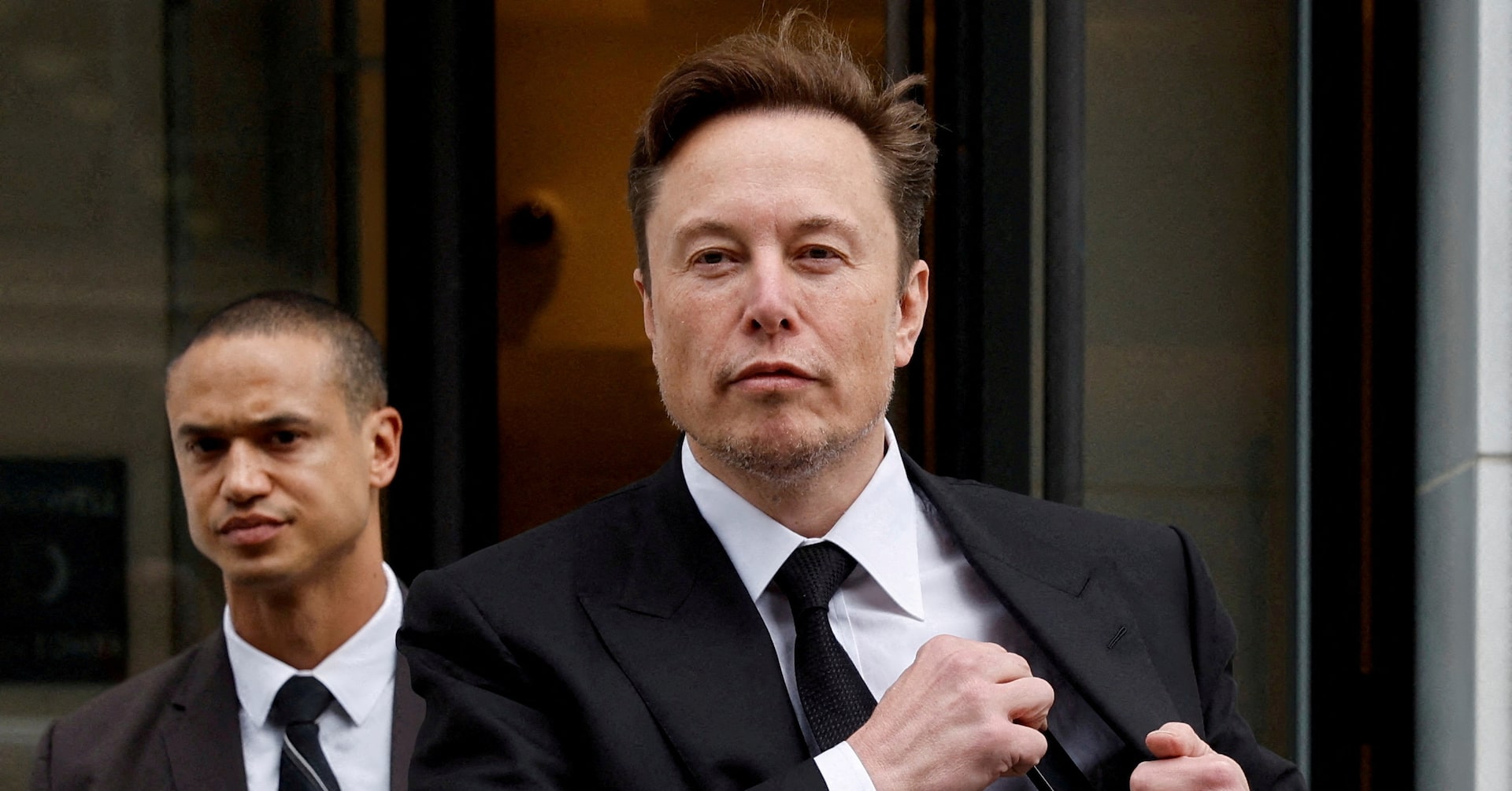
Just How Serious Was the DeepSeek Selloff? Money Pros Weigh In.
Written by Emily J. Thompson, Senior Investment Analyst
Updated: Jan 29 2025
0mins


Source: Barron's
Market Reaction to DeepSeek's AI Development: U.S. tech stocks, particularly Nvidia, experienced significant declines following the announcement of DeepSeek's cost-effective AI model, raising concerns about the future of expensive semiconductor manufacturers and the potential for increased competition in the AI sector.
Investor Perspectives on Market Dynamics: Wealth managers expressed mixed views; some see the market reaction as an overreaction while others emphasize the importance of diversification in investment strategies, highlighting that rapid changes in technology can impact stock valuations unpredictably.
Trade with 70% Backtested Accuracy
Stop guessing "Should I Buy NVDA?" and start using high-conviction signals backed by rigorous historical data.
Sign up today to access powerful investing tools and make smarter, data-driven decisions.
Analyst Views on NVDA
Wall Street analysts forecast NVDA stock price to rise
41 Analyst Rating
39 Buy
1 Hold
1 Sell
Strong Buy
Current: 204.650

Low
200.00
Averages
264.97
High
352.00
Current: 204.650
Low
200.00
Averages
264.97
High
352.00
About NVDA
NVIDIA Corporation is an artificial intelligence (AI) infrastructure company. The Company is engaged in accelerated computing to help solve the challenging computational problems. Its segments include Compute & Networking and Graphics. The Compute & Networking segment includes its Data Center accelerated computing and networking platforms and AI solutions and software, and automotive platforms and autonomous and electric vehicle solutions, including software. The Graphics segment includes GeForce GPUs for gaming and personal computers (PCs), and Quadro/NVIDIA RTX GPUs for enterprise workstation graphics. Its technology stack includes the foundational NVIDIA CUDA development platform that runs on all NVIDIA GPUs, as well as hundreds of domain-specific software libraries, frameworks, algorithms, software development kits (SDKs), and application programming interfaces (APIs). Its platforms address four markets, which include Data Center, Gaming, Professional Visualization, and Automotive.
About the author

Emily J. Thompson
Emily J. Thompson, a Chartered Financial Analyst (CFA) with 12 years in investment research, graduated with honors from the Wharton School. Specializing in industrial and technology stocks, she provides in-depth analysis for Intellectia’s earnings and market brief reports.

Nvidia's Future Growth Potential is Huge

- Valuation Advantage: Nvidia's forward P/E ratio stands at 23.5, which is lower than the S&P 500's 22, indicating that the market has not fully priced in its future growth potential, allowing investors to buy at a relatively cheap price.
- Strong Revenue Growth: Nvidia reported an astonishing 85% revenue growth last quarter, with Wall Street projecting a 96% increase next quarter and 41% for the following year, showcasing the company's robust competitiveness in a rapidly growing market and indicating significant future profitability.
- Rising Capital Expenditure Expectations: AI hyperscalers are expected to spend around $650 billion in capital expenditures this year, with Nvidia projecting this to rise to $1 trillion by 2027, reflecting strong demand growth in the coming years and further solidifying its market position.
- Long-Term Growth Potential: By 2030, global data center capital expenditures are expected to reach $3 trillion to $4 trillion annually, indicating that Nvidia will continue to experience growth beyond 2027, making it a smart long-term investment opportunity for investors.
See More

Consumer Stock Pullback Creates Investment Opportunities
- J.M. Smucker Strong Performance: J.M. Smucker Co. reported net sales of $2.3 billion for Q4 FY 2026, a 6% increase, with adjusted EPS rising 20%, highlighting the brand's robust demand and market potential as Uncrustables surpassed $1 billion in annual sales.
- Tyson Foods Earnings Beat Expectations: Tyson Foods posted an EPS of $0.87 in Q2 FY 2026, exceeding the expected $0.78, while raising its full-year chicken segment income forecast to $2.05 billion, indicating a recovery momentum in the diversified protein market.
- Hormel Foods Dividend Stability: Hormel Foods has raised its dividend for over 25 consecutive years, currently yielding nearly 4.8%, and despite trading near multi-year lows, it is positioned for potential returns through restructuring and valuation normalization, showcasing its market resilience.
- Consumer Stock Investment Opportunities: Investing $5,000 across these companies allows for effective risk diversification while capitalizing on the long-term growth potential in the food and beverage sector, especially as consumer demand for essential goods remains strong amid economic fluctuations.
See More

SpaceX Achieves Historic Largest IPO


- IPO Performance: SpaceX completed its IPO at $135 per share, opening at $150 and gaining 23% in its first week of trading, indicating strong market demand and investor confidence, although this short-term surge may not be sustainable.
- Attractive Technology Potential: Amid the AI boom, SpaceX has drawn investor interest with its rocket launches, satellite connectivity, and AI technology, particularly the development of reusable rockets that could significantly reduce costs for clients like NASA, enhancing long-term profitability.
- High Investment Requirements: To achieve its goals, SpaceX must invest billions annually, with capital expenditures in AI exceeding $12 billion last year, resulting in a net loss, meaning investors must accept the risk of limited profitability.
- Historical Performance Reference: SpaceX's first-day gain of nearly 20% aligns with the average IPO return from 1990 to 2025, but historical data shows that 8 out of the 10 largest IPOs experienced stock price declines in the following 12 months, averaging a 12% drop, indicating potential volatility risks for SpaceX's future stock price.
See More
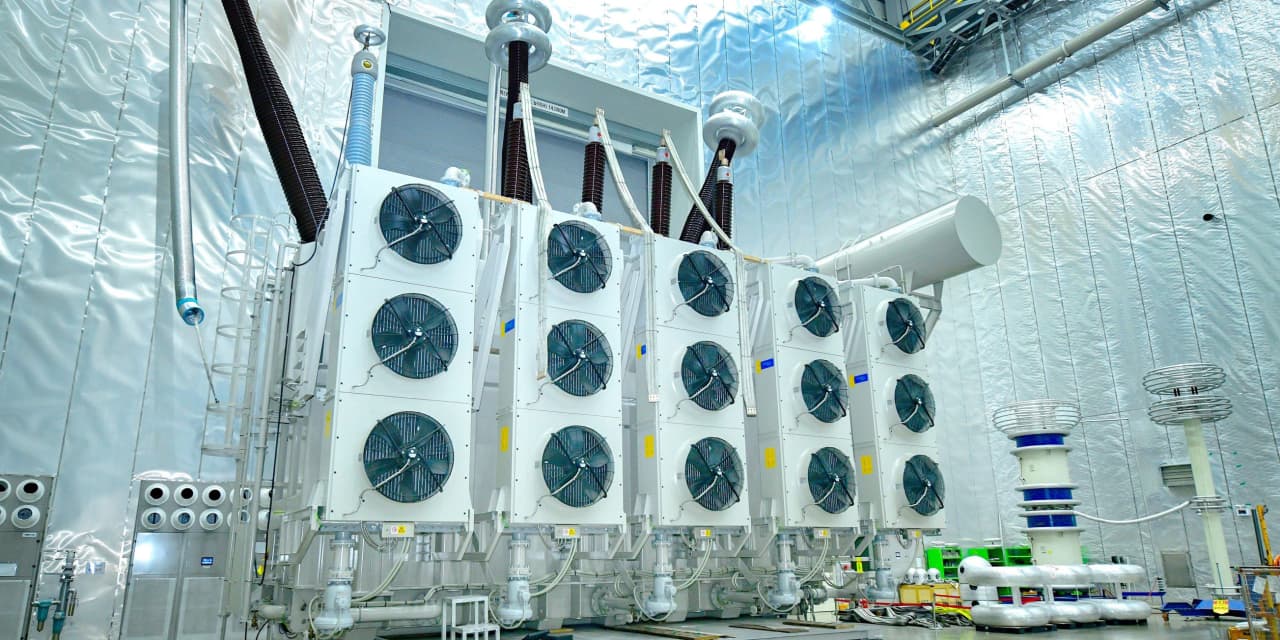
Cisco Expands AI Collaboration with Equinix

- Investment Recommendation: Cisco Systems, Inc. (CSCO) is highlighted as one of Kevin O'Leary's top stock picks for 2026 through the O'Shares U.S. Quality Dividend ETF, comprising 4.41% of the ETF as of June 17, 2026, indicating its significant role in investment portfolios.
- Collaboration Expansion: On June 16, 2026, Equinix announced an expanded collaboration with Cisco and NVIDIA to assist enterprises in deploying Cisco Secure AI Factory across its global network of high-performance data centers, enhancing implementation efficiency for AI projects.
- Infrastructure Integration: This collaboration links Cisco's AI infrastructure with Equinix's data center footprint and NVIDIA reference architectures, providing enterprises with standardized blueprints and automation tools to accelerate the transition of AI projects from pilot to production.
- Technology Testing Platform: Presidio is deploying its Programmable AI Technology Hub Lab within Equinix data centers, built on Cisco Secure AI Factory with NVIDIA, allowing customers to test, validate, and refine AI infrastructure before broader rollout, further solidifying Cisco's market position in running AI workloads across hybrid environments.
See More
Cloud Computing Giants Outshine SpaceX IPO Prospects


- Cloud Market Growth: The big three cloud giants, Amazon, Microsoft, and Google Cloud, are projected to increase data center capital expenditures to $650 billion by 2026, reflecting strong demand driven by AI, which will enhance long-term revenue growth and market share.
- Investment Return Potential: Amazon and Microsoft's operating cash flow appears historically cheap, while Alphabet's valuation, though higher, remains reasonable, indicating strong investment value during capital expenditure cycles that attract investor interest.
- SpaceX Valuation Comparison: SpaceX's adjusted EBITDA for 2025 is $6.6 billion, with a current market cap of $2.5 trillion, resulting in a price-to-adjusted EBITDA ratio of 379, significantly higher than the cloud giants, indicating that its growth potential needs time to materialize.
- Long-term Investment Recommendation: Given the stable growth and reasonable valuations of the cloud giants, they are expected to outperform SpaceX significantly over the next decade, making them a more attractive investment choice for higher returns.
See More

Cloud Computing Giants Show Bright Future
- Cloud Market Potential: Amazon, Microsoft, and Google Cloud continue to grow their cloud computing businesses, with the four major AI hyperscalers expected to spend around $650 billion on capital expenditures by 2026, indicating strong demand and investment potential in the industry.
- Capital Expenditure Trends: The investments in data centers by these three companies will drive future revenue growth, with Amazon and Microsoft's operating cash flow appearing historically cheap, while Alphabet's valuation remains within a reasonable range, reflecting market confidence in cloud computing.
- Comparison with SpaceX: SpaceX's market cap stands at $2.5 trillion with an adjusted EBITDA of $6.6 billion in 2025, resulting in a price-to-adjusted EBITDA ratio of 379, highlighting the relative value attractiveness of the cloud giants.
- Investment Recommendations: Although Amazon is not currently listed among the best stocks to buy, analysts believe that considering the growth potential of cloud computing, Amazon, Microsoft, and Google Cloud will outperform SpaceX over the next decade, making them worthy of investor attention.
See More
Nvidia's Future Growth Potential is Huge
- Valuation Advantage: Nvidia's forward P/E ratio stands at 23.5, which is lower than the S&P 500's 22, indicating that the market has not fully priced in its future growth potential, allowing investors to buy at a relatively cheap price.
- Strong Revenue Growth: Nvidia reported an astonishing 85% revenue growth last quarter, with Wall Street projecting a 96% increase next quarter and 41% for the following year, showcasing the company's robust competitiveness in a rapidly growing market and indicating significant future profitability.
- Rising Capital Expenditure Expectations: AI hyperscalers are expected to spend around $650 billion in capital expenditures this year, with Nvidia projecting this to rise to $1 trillion by 2027, reflecting strong demand growth in the coming years and further solidifying its market position.
- Long-Term Growth Potential: By 2030, global data center capital expenditures are expected to reach $3 trillion to $4 trillion annually, indicating that Nvidia will continue to experience growth beyond 2027, making it a smart long-term investment opportunity for investors.
See More
Consumer Stock Pullback Creates Investment Opportunities
- J.M. Smucker Strong Performance: J.M. Smucker Co. reported net sales of $2.3 billion for Q4 FY 2026, a 6% increase, with adjusted EPS rising 20%, highlighting the brand's robust demand and market potential as Uncrustables surpassed $1 billion in annual sales.
- Tyson Foods Earnings Beat Expectations: Tyson Foods posted an EPS of $0.87 in Q2 FY 2026, exceeding the expected $0.78, while raising its full-year chicken segment income forecast to $2.05 billion, indicating a recovery momentum in the diversified protein market.
- Hormel Foods Dividend Stability: Hormel Foods has raised its dividend for over 25 consecutive years, currently yielding nearly 4.8%, and despite trading near multi-year lows, it is positioned for potential returns through restructuring and valuation normalization, showcasing its market resilience.
- Consumer Stock Investment Opportunities: Investing $5,000 across these companies allows for effective risk diversification while capitalizing on the long-term growth potential in the food and beverage sector, especially as consumer demand for essential goods remains strong amid economic fluctuations.
See More
SpaceX Achieves Historic Largest IPO
- IPO Performance: SpaceX completed its IPO at $135 per share, opening at $150 and gaining 23% in its first week of trading, indicating strong market demand and investor confidence, although this short-term surge may not be sustainable.
- Attractive Technology Potential: Amid the AI boom, SpaceX has drawn investor interest with its rocket launches, satellite connectivity, and AI technology, particularly the development of reusable rockets that could significantly reduce costs for clients like NASA, enhancing long-term profitability.
- High Investment Requirements: To achieve its goals, SpaceX must invest billions annually, with capital expenditures in AI exceeding $12 billion last year, resulting in a net loss, meaning investors must accept the risk of limited profitability.
- Historical Performance Reference: SpaceX's first-day gain of nearly 20% aligns with the average IPO return from 1990 to 2025, but historical data shows that 8 out of the 10 largest IPOs experienced stock price declines in the following 12 months, averaging a 12% drop, indicating potential volatility risks for SpaceX's future stock price.
See More
Cisco Expands AI Collaboration with Equinix
- Investment Recommendation: Cisco Systems, Inc. (CSCO) is highlighted as one of Kevin O'Leary's top stock picks for 2026 through the O'Shares U.S. Quality Dividend ETF, comprising 4.41% of the ETF as of June 17, 2026, indicating its significant role in investment portfolios.
- Collaboration Expansion: On June 16, 2026, Equinix announced an expanded collaboration with Cisco and NVIDIA to assist enterprises in deploying Cisco Secure AI Factory across its global network of high-performance data centers, enhancing implementation efficiency for AI projects.
- Infrastructure Integration: This collaboration links Cisco's AI infrastructure with Equinix's data center footprint and NVIDIA reference architectures, providing enterprises with standardized blueprints and automation tools to accelerate the transition of AI projects from pilot to production.
- Technology Testing Platform: Presidio is deploying its Programmable AI Technology Hub Lab within Equinix data centers, built on Cisco Secure AI Factory with NVIDIA, allowing customers to test, validate, and refine AI infrastructure before broader rollout, further solidifying Cisco's market position in running AI workloads across hybrid environments.
See More
Cloud Computing Giants Outshine SpaceX IPO Prospects
- Cloud Market Growth: The big three cloud giants, Amazon, Microsoft, and Google Cloud, are projected to increase data center capital expenditures to $650 billion by 2026, reflecting strong demand driven by AI, which will enhance long-term revenue growth and market share.
- Investment Return Potential: Amazon and Microsoft's operating cash flow appears historically cheap, while Alphabet's valuation, though higher, remains reasonable, indicating strong investment value during capital expenditure cycles that attract investor interest.
- SpaceX Valuation Comparison: SpaceX's adjusted EBITDA for 2025 is $6.6 billion, with a current market cap of $2.5 trillion, resulting in a price-to-adjusted EBITDA ratio of 379, significantly higher than the cloud giants, indicating that its growth potential needs time to materialize.
- Long-term Investment Recommendation: Given the stable growth and reasonable valuations of the cloud giants, they are expected to outperform SpaceX significantly over the next decade, making them a more attractive investment choice for higher returns.
See More
Cloud Computing Giants Show Bright Future
- Cloud Market Potential: Amazon, Microsoft, and Google Cloud continue to grow their cloud computing businesses, with the four major AI hyperscalers expected to spend around $650 billion on capital expenditures by 2026, indicating strong demand and investment potential in the industry.
- Capital Expenditure Trends: The investments in data centers by these three companies will drive future revenue growth, with Amazon and Microsoft's operating cash flow appearing historically cheap, while Alphabet's valuation remains within a reasonable range, reflecting market confidence in cloud computing.
- Comparison with SpaceX: SpaceX's market cap stands at $2.5 trillion with an adjusted EBITDA of $6.6 billion in 2025, resulting in a price-to-adjusted EBITDA ratio of 379, highlighting the relative value attractiveness of the cloud giants.
- Investment Recommendations: Although Amazon is not currently listed among the best stocks to buy, analysts believe that considering the growth potential of cloud computing, Amazon, Microsoft, and Google Cloud will outperform SpaceX over the next decade, making them worthy of investor attention.
See More