Joby vs Wisk: The eVTOL Battle for Certification
Written by Emily J. Thompson, Senior Investment Analyst
Updated: Feb 27 2026
0mins

Source: Fool
- Market Competition: Joby Aviation is competing with Boeing's Wisk in the electric vertical take-off and landing (eVTOL) market, with Joby focusing on manufacturing and operating its own air taxis, while Wisk is dedicated to fully autonomous eVTOL, highlighting a fundamental difference in market positioning.
- Technology Development Path: Joby's collaboration with Nvidia to develop autonomous aids for piloted eVTOL, while initially still piloted, lays the groundwork for future fully autonomous flight, thereby mitigating technological risks associated with the transition.
- Funding and Market Opportunities: Joby's recent $1.2 billion equity raise alleviates funding concerns, and its pure investment opportunity in the eVTOL transportation-as-a-service sector has attracted market attention; if it can secure certification first, it stands to gain critical vertiports and partnerships.
- Long-term Strategic Impact: Joby's certification strategy contrasts sharply with Wisk's fully autonomous flight model; if Joby can achieve certification ahead of competitors, it will secure a favorable position in the future eVTOL market, especially through collaborations with Uber and Delta Air Lines, potentially yielding long-term competitive advantages.
Trade with 70% Backtested Accuracy
Stop guessing "Should I Buy JOBY?" and start using high-conviction signals backed by rigorous historical data.
Sign up today to access powerful investing tools and make smarter, data-driven decisions.
Analyst Views on JOBY
Wall Street analysts forecast JOBY stock price to rise
6 Analyst Rating
1 Buy
3 Hold
2 Sell
Hold
Current: 11.430

Low
8.00
Averages
15.67
High
22.00
Current: 11.430
Low
8.00
Averages
15.67
High
22.00
About JOBY
Joby Aviation, Inc. is a transportation company developing an all-electric, vertical take-off and landing air taxi. The Company is engaged in designing and testing a piloted all-electric, vertical take-off and landing (eVTOL) aircraft. The Joby eVTOL is designed to transport a pilot and up to four passengers or an expected payload of up to 1,000 pounds at speeds of up to 200 miles per hour (mph). The aircraft is optimized for urban routes, with a target range of up to 100 miles on a single charge. The Company plans to manufacture, own and operate its aircraft itself, building a vertically integrated transportation company that delivers transportation services to customers, including government agencies such as the United States Air Force (USAF) through sales or contracted operations, and to individual end-users through a convenient app-based aerial ridesharing service. It also offers a network of terminals and loyal flyers in markets like New York and in Southern Europe.
About the author

Emily J. Thompson
Emily J. Thompson, a Chartered Financial Analyst (CFA) with 12 years in investment research, graduated with honors from the Wharton School. Specializing in industrial and technology stocks, she provides in-depth analysis for Intellectia’s earnings and market brief reports.

Joby Successfully Demonstrates First eVTOL Flight in NYC

- First Flight Demonstration: Joby successfully conducted its first point-to-point eVTOL flight in New York City, taking off from JFK Airport to multiple heliports in Manhattan, marking a significant step towards its goal of operating air taxis frequently.
- Market Potential and Challenges: Although Joby's stock has risen over 30% since the Manhattan test, it remains below its opening price for 2026 and nearly 50% off its 52-week high, indicating a mix of optimism and uncertainty about its future.
- Manufacturing Cost Concerns: One of Joby's main challenges is the unclear manufacturing costs of eVTOLs, which could include high expenses for battery packs, avionics, and insurance, potentially eroding margins and pushing ticket prices into premium service territory rather than mass transportation.
- Strong Financial Position: As of the end of March, Joby had approximately $2.5 billion in cash and investments, providing sufficient capital to support its operations and ramp up production, despite the hurdles posed by FAA certification, showcasing its potential in a capital-intensive industry.
See More
Ark Invest Increases Stake in Joby Aviation
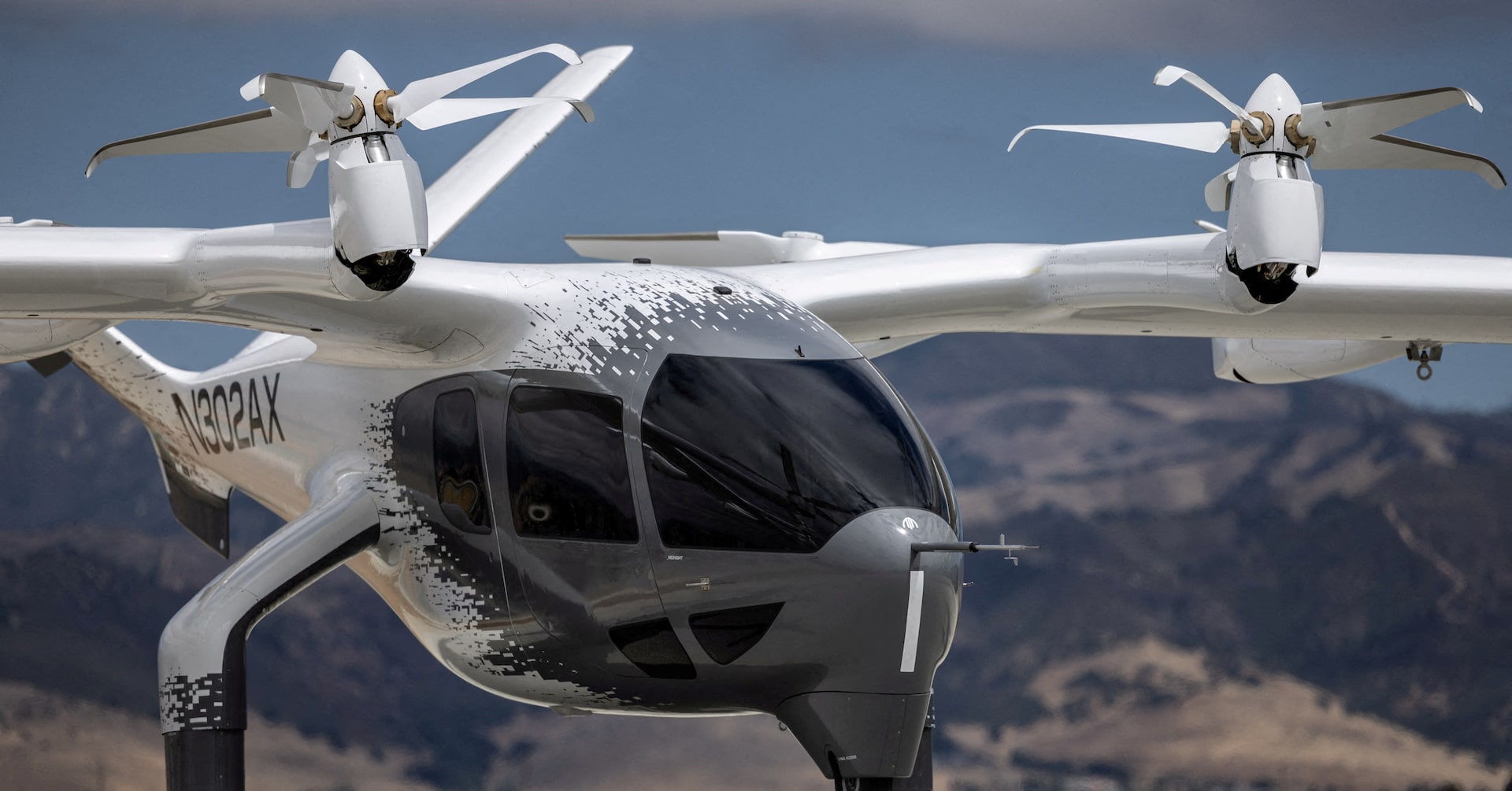
- Increased Investment: Ark Invest purchased 119,000 shares of Joby Aviation in May, bringing its total holdings to 6.3 million shares, reflecting confidence in the company's electric vertical takeoff and landing (eVTOL) technology, which may enhance its market performance in the future.
- Successful Test Flight: Joby Aviation completed its first successful test flight in New York, validating its eVTOL technology, which is expected to attract more investor interest and enhance the company's competitiveness in urban transportation.
- Government Support: The U.S. government is accelerating eVTOL aircraft development through the eVTOL Integration Pilot Program (eIPP), facilitating Joby's collaboration with local governments to gather real-world data on safety and noise, further propelling industry growth.
- Future Plans: Joby aims to obtain FAA Type Certification by mid-2027 and conduct more tests across 11 partner states, while also planning to launch its air taxi service in Dubai by the end of the year, although the situation in the Middle East may affect this timeline.
See More

Ark Invest Increases Stake in Joby Aviation
- Increased Holdings: Ark Invest purchased 119,000 shares of Joby Aviation in May through two of its ETFs, bringing its total holdings in these funds to nearly 6.3 million shares, reflecting confidence in the company's growth potential.
- Successful First Flight: Joby's eVTOL aircraft completed its inaugural flight in New York, demonstrating its technology's viability by flying from JFK International Airport to Manhattan in just seven minutes, significantly reducing urban travel times.
- Government Support: The U.S. government is expediting eVTOL aircraft development through the eVTOL Integration Pilot Program (eIPP), aiming to streamline approval processes and gather real-world safety and noise data, creating a favorable environment for companies like Joby.
- Market Outlook: Joby aims to achieve FAA Type Certification by mid-2027 and plans to conduct more test operations in Florida and North Carolina, while also targeting the launch of its air taxi service in Dubai by year-end, although regional conflicts may impact this timeline.
See More
Joby Aviation Successfully Tests eVTOL Air Taxi in New York
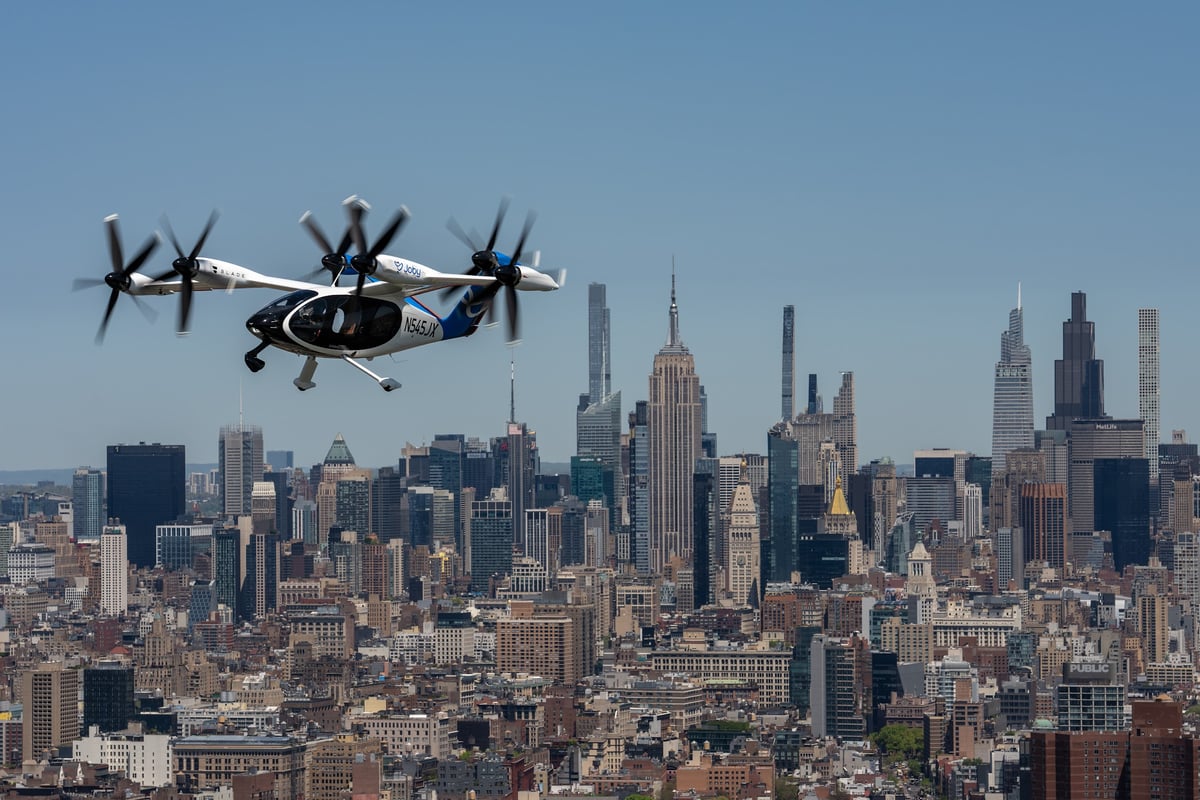
- Successful Demonstration: Joby Aviation's electric vertical takeoff and landing (eVTOL) aircraft completed its first point-to-point demonstration in New York City, marking a significant step toward its commercial goal despite lacking FAA certification, potentially paving the way for frequent air taxi operations in the future.
- Stock Price Recovery: Although Joby's stock remains below its opening price for 2026, it has risen over 30% since the Manhattan test, reflecting optimistic market sentiment about its future potential, even as it trades nearly 50% below its 52-week high.
- Manufacturing Cost Challenges: Joby faces substantial manufacturing costs for its eVTOLs, including expenses for battery packs, avionics, and infrastructure, which could erode profit margins and limit its viability as a mass transportation option, potentially positioning it as a premium service instead.
- Strong Financial Position: With approximately $2.5 billion in cash and investments at the end of March, Joby Aviation is well-positioned to support future production expansion despite the challenges of FAA certification, providing the necessary funding for its operations.
See More

Archer Aviation Increases R&D Investment for Growth
- Increased R&D Spending: Archer Aviation reported nearly $171.7 million in R&D expenses for Q1 2026, reflecting the company's ongoing investment in the commercialization of its electric vertical takeoff and landing aircraft platform, aimed at enhancing technological capabilities to support future production and deliveries.
- Critical Technology Development: Investments in aircraft engineering, flight testing, and software development are helping Archer refine its Midnight aircraft platform while meeting regulatory requirements and preparing for future commercial deployment, ensuring competitiveness in the emerging aviation market.
- Intellectual Property Creation: Sustained R&D spending not only strengthens the company's technical foundation but also lays the groundwork for future competitive advantages, although commercialization remains dependent on execution and regulatory milestones.
- Strong Market Performance: Over the past month, Archer Aviation's shares have risen by 16.8%, compared to the industry's average growth of only 3.6%, indicating market recognition of its long-term growth potential, with a current Zacks rating of Buy.
See More

Analysis of Growth Stock Investment Opportunities

- Joby Aviation Outlook: With a market cap of approximately $12 billion, Joby Aviation, an electric vertical take-off and landing (eVTOL) company, is showcasing its potential in the future air taxi market through demonstration flights in New York and San Francisco, despite not yet having U.S. aircraft approval and incurring a $930 million loss last year, indicating possible short-term challenges ahead.
- Curaleaf Holdings Profitability: Curaleaf Holdings achieved an operating income of $25 million in 2025 on nearly $1.3 billion in revenue, and despite facing federal legal restrictions in the U.S., the recent rescheduling of some medical marijuana products is fostering optimism for future reforms, presenting a relatively lower-risk investment opportunity for investors.
- Pony AI Growth Potential: With a market cap nearing $5 billion, Pony AI has marked a significant milestone by launching Europe's first robotaxi service in Croatia, although it reported an operating loss of $58.3 million in the last three months, its impressive 145% year-over-year revenue growth indicates strong market demand and potential for future expansion.
- Investment Risks and Rewards: While these growth stocks carry high risks, their long-term holding could yield substantial returns, especially as technology and market dynamics evolve, necessitating investor patience to navigate short-term volatility.
See More
Joby Successfully Demonstrates First eVTOL Flight in NYC
- First Flight Demonstration: Joby successfully conducted its first point-to-point eVTOL flight in New York City, taking off from JFK Airport to multiple heliports in Manhattan, marking a significant step towards its goal of operating air taxis frequently.
- Market Potential and Challenges: Although Joby's stock has risen over 30% since the Manhattan test, it remains below its opening price for 2026 and nearly 50% off its 52-week high, indicating a mix of optimism and uncertainty about its future.
- Manufacturing Cost Concerns: One of Joby's main challenges is the unclear manufacturing costs of eVTOLs, which could include high expenses for battery packs, avionics, and insurance, potentially eroding margins and pushing ticket prices into premium service territory rather than mass transportation.
- Strong Financial Position: As of the end of March, Joby had approximately $2.5 billion in cash and investments, providing sufficient capital to support its operations and ramp up production, despite the hurdles posed by FAA certification, showcasing its potential in a capital-intensive industry.
See More
Ark Invest Increases Stake in Joby Aviation
- Increased Investment: Ark Invest purchased 119,000 shares of Joby Aviation in May, bringing its total holdings to 6.3 million shares, reflecting confidence in the company's electric vertical takeoff and landing (eVTOL) technology, which may enhance its market performance in the future.
- Successful Test Flight: Joby Aviation completed its first successful test flight in New York, validating its eVTOL technology, which is expected to attract more investor interest and enhance the company's competitiveness in urban transportation.
- Government Support: The U.S. government is accelerating eVTOL aircraft development through the eVTOL Integration Pilot Program (eIPP), facilitating Joby's collaboration with local governments to gather real-world data on safety and noise, further propelling industry growth.
- Future Plans: Joby aims to obtain FAA Type Certification by mid-2027 and conduct more tests across 11 partner states, while also planning to launch its air taxi service in Dubai by the end of the year, although the situation in the Middle East may affect this timeline.
See More
Ark Invest Increases Stake in Joby Aviation
- Increased Holdings: Ark Invest purchased 119,000 shares of Joby Aviation in May through two of its ETFs, bringing its total holdings in these funds to nearly 6.3 million shares, reflecting confidence in the company's growth potential.
- Successful First Flight: Joby's eVTOL aircraft completed its inaugural flight in New York, demonstrating its technology's viability by flying from JFK International Airport to Manhattan in just seven minutes, significantly reducing urban travel times.
- Government Support: The U.S. government is expediting eVTOL aircraft development through the eVTOL Integration Pilot Program (eIPP), aiming to streamline approval processes and gather real-world safety and noise data, creating a favorable environment for companies like Joby.
- Market Outlook: Joby aims to achieve FAA Type Certification by mid-2027 and plans to conduct more test operations in Florida and North Carolina, while also targeting the launch of its air taxi service in Dubai by year-end, although regional conflicts may impact this timeline.
See More
Joby Aviation Successfully Tests eVTOL Air Taxi in New York
- Successful Demonstration: Joby Aviation's electric vertical takeoff and landing (eVTOL) aircraft completed its first point-to-point demonstration in New York City, marking a significant step toward its commercial goal despite lacking FAA certification, potentially paving the way for frequent air taxi operations in the future.
- Stock Price Recovery: Although Joby's stock remains below its opening price for 2026, it has risen over 30% since the Manhattan test, reflecting optimistic market sentiment about its future potential, even as it trades nearly 50% below its 52-week high.
- Manufacturing Cost Challenges: Joby faces substantial manufacturing costs for its eVTOLs, including expenses for battery packs, avionics, and infrastructure, which could erode profit margins and limit its viability as a mass transportation option, potentially positioning it as a premium service instead.
- Strong Financial Position: With approximately $2.5 billion in cash and investments at the end of March, Joby Aviation is well-positioned to support future production expansion despite the challenges of FAA certification, providing the necessary funding for its operations.
See More
Archer Aviation Increases R&D Investment for Growth
- Increased R&D Spending: Archer Aviation reported nearly $171.7 million in R&D expenses for Q1 2026, reflecting the company's ongoing investment in the commercialization of its electric vertical takeoff and landing aircraft platform, aimed at enhancing technological capabilities to support future production and deliveries.
- Critical Technology Development: Investments in aircraft engineering, flight testing, and software development are helping Archer refine its Midnight aircraft platform while meeting regulatory requirements and preparing for future commercial deployment, ensuring competitiveness in the emerging aviation market.
- Intellectual Property Creation: Sustained R&D spending not only strengthens the company's technical foundation but also lays the groundwork for future competitive advantages, although commercialization remains dependent on execution and regulatory milestones.
- Strong Market Performance: Over the past month, Archer Aviation's shares have risen by 16.8%, compared to the industry's average growth of only 3.6%, indicating market recognition of its long-term growth potential, with a current Zacks rating of Buy.
See More
Analysis of Growth Stock Investment Opportunities
- Joby Aviation Outlook: With a market cap of approximately $12 billion, Joby Aviation, an electric vertical take-off and landing (eVTOL) company, is showcasing its potential in the future air taxi market through demonstration flights in New York and San Francisco, despite not yet having U.S. aircraft approval and incurring a $930 million loss last year, indicating possible short-term challenges ahead.
- Curaleaf Holdings Profitability: Curaleaf Holdings achieved an operating income of $25 million in 2025 on nearly $1.3 billion in revenue, and despite facing federal legal restrictions in the U.S., the recent rescheduling of some medical marijuana products is fostering optimism for future reforms, presenting a relatively lower-risk investment opportunity for investors.
- Pony AI Growth Potential: With a market cap nearing $5 billion, Pony AI has marked a significant milestone by launching Europe's first robotaxi service in Croatia, although it reported an operating loss of $58.3 million in the last three months, its impressive 145% year-over-year revenue growth indicates strong market demand and potential for future expansion.
- Investment Risks and Rewards: While these growth stocks carry high risks, their long-term holding could yield substantial returns, especially as technology and market dynamics evolve, necessitating investor patience to navigate short-term volatility.
See More