

iShares Global Clean Energy ETF Surges 47% in 2025, Outpacing AI Stocks
Written by Emily J. Thompson, Senior Investment Analyst
Updated: Jan 21 2026
0mins


Should l Buy NVDA?
Source: Fool
- Policy-Driven Demand: The Trump administration's new law mandates companies to start construction on wind and solar projects by July 2026, stimulating short-term demand for renewables, with forecasts indicating record clean energy capacity additions in the U.S. for 2026.
- Global Energy Transition: In the first half of 2025, renewable energy generation surpassed coal for the first time globally, with India and China leading in renewable infrastructure installations, highlighting a robust demand for clean energy worldwide.
- AI Energy Needs: OpenAI CEO Sam Altman emphasized that the energy consumption of AI data centers could match Japan's total electricity use by 2030, driving increased demand for renewables, particularly solar power and storage solutions.
- Strong ETF Performance: The iShares Global Clean Energy ETF achieved a 47% annual return, with significant gains from holdings like Bloom Energy, Vestas Wind Systems, and SolarEdge, demonstrating broad-based benefits from the renewable energy transition.
Trade with 70% Backtested Accuracy
Stop guessing "Should I Buy NVDA?" and start using high-conviction signals backed by rigorous historical data.
Sign up today to access powerful investing tools and make smarter, data-driven decisions.
Analyst Views on NVDA
Wall Street analysts forecast NVDA stock price to rise
41 Analyst Rating
39 Buy
1 Hold
1 Sell
Strong Buy
Current: 186.940

Low
200.00
Averages
264.97
High
352.00
Current: 186.940
Low
200.00
Averages
264.97
High
352.00
About NVDA
NVIDIA Corporation is a full-stack computing infrastructure company. The Company is engaged in accelerated computing to help solve the challenging computational problems. The Company’s segments include Compute & Networking and Graphics. The Compute & Networking segment includes its Data Center accelerated computing platforms and artificial intelligence (AI) solutions and software; networking; automotive platforms and autonomous and electric vehicle solutions; Jetson for robotics and other embedded platforms, and DGX Cloud computing services. The Graphics segment includes GeForce GPUs for gaming and PCs, the GeForce NOW game streaming service and related infrastructure, and solutions for gaming platforms; Quadro/NVIDIA RTX GPUs for enterprise workstation graphics; virtual GPU software for cloud-based visual and virtual computing; automotive platforms for infotainment systems, and Omniverse Enterprise software for building and operating industrial AI and digital twin applications.
About the author

Emily J. Thompson
Emily J. Thompson, a Chartered Financial Analyst (CFA) with 12 years in investment research, graduated with honors from the Wharton School. Specializing in industrial and technology stocks, she provides in-depth analysis for Intellectia’s earnings and market brief reports.

Nvidia's Earnings Report to Signal Market Direction

- Market Concentration Analysis: RBC Wealth Management's Rob Sluymer highlights that the concentration of mega-cap tech stocks has significantly increased over the past few years, leading to investors being overweight in these stocks, which have now declined about 7% year-to-date.
- Nvidia Earnings Preview: Nvidia is set to report its fourth-quarter earnings on February 25, and Sluymer believes this will serve as a crucial market indicator; if the results fall short of expectations, it could trigger a larger correction in tech stocks.
- Investor Sentiment Shift: As attention on tech stocks rises, Sluymer notes that some funds are rotating out of these high-valuation stocks into other sectors, a typical behavior in times of high market concentration.
- Future Market Outlook: Should Nvidia's earnings report disappoint, it may lead to a decline in market confidence in tech stocks, potentially resulting in a broader market correction that could impact overall investment strategies.
See More

Nvidia Poised for Strong GPU Sales in China Again
- Massive Market Opportunity: Nvidia has negotiated a deal with the U.S. government to resume GPU sales to China, with CEO Jensen Huang estimating the Chinese market could generate up to $50 billion annually, significantly boosting the company's performance.
- Sales Recovery Expectations: Before the ban, Nvidia projected $8 billion in sales from China for Q2 FY 2025; if sales return to similar levels, GPU sales could exceed $30 billion, presenting substantial growth potential.
- Revenue Growth Forecast: Wall Street anticipates Nvidia's revenue will reach $326 billion for FY 2027, but given the surge in AI computing spending, actual revenue could hit $350 billion, further enhancing market confidence.
- Strong Profitability: If Nvidia achieves $350 billion in revenue while maintaining a 56% profit margin, it could generate $196 billion in profits, and with a reasonable 40x earnings valuation, the stock price could rise to $322, indicating a compelling investment opportunity.
See More

NuScale Power Faces Significant Challenges Ahead

- Stock Volatility: NuScale Power's stock peaked at $57 last year but has since fallen 70%, indicating significant uncertainty and investment risk in the nuclear energy sector, prompting investors to carefully assess future performance.
- Slow Project Progress: Although NuScale's RoPower project in Romania has received a Final Investment Decision (FID), the facility is not expected to be operational until at least July 2033 due to trial delays, which will impact the company's long-term revenue expectations.
- Contract Signing Challenges: The Memorandum of Understanding (MOU) with the Tennessee Valley Authority (TVA) for potential 6GW capacity development lacks formal contracts, leading to a financial burden of $495 million for the company, increasing operational risks.
- Manufacturing Capability Needs: To achieve scalable production, NuScale must establish a manufacturing supply chain, with management noting that total payments for large projects could exceed billions of dollars, putting pressure on the company's liquidity and financial stability.
See More

Ray Dalio Warns of Global Capital War

- Capital Flow Warning: Billionaire Ray Dalio warns that the global capital flow system is breaking down, potentially leading to a 'capital war' that could significantly impact the stock market, especially given the current high levels of debt.
- Debt Crisis Concerns: The U.S. government's increasing debt and reduced foreign purchases of U.S. bonds may lead to soaring bond yields and higher borrowing costs, thereby affecting corporate financing capabilities.
- AI Investment Demand: The estimated $3 trillion required for AI development by 2030 is testing the limits of capital markets, and any systemic shock could lead to a depletion of available funding.
- Historical Lessons: Dalio's warning echoes past market crashes, particularly the role of debt in bursting bubbles, prompting investors to focus on stocks with strong cash flows to navigate potential market contractions.
See More

Strategies to Mitigate Market Risks


- Market Risk Management: In the current highly dangerous market environment, tech giants like Apple, Google, Amazon, Meta, and Nvidia are leveraging diversified product lines and innovative technologies to mask underlying market weaknesses, thereby enhancing investor confidence.
- Performance of Tech Giants: These companies exhibit a degree of resilience in financial performance, attracting investor attention despite increased market volatility, indicating their relative safety amid uncertainty.
- Investor Confidence: By maintaining continuous innovation and adaptability, these companies not only retain market share but also enhance investor confidence in the tech sector, reflecting their significance during economic turmoil.
- Future Outlook: Despite facing market challenges, the strategic positioning and financial robustness of these tech giants provide them with strong growth potential in future market recoveries, potentially leading the industry resurgence.
See More
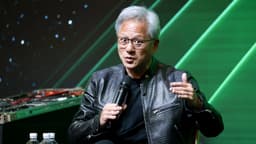
AI Summit in India Attracts Tech Giants

- Market Validation: The AI Impact Summit in India has attracted CEOs from tech giants like Nvidia, OpenAI, and Alphabet, highlighting the global business community's recognition of India's market potential, which is expected to drive future investments and collaborations.
- Infrastructure Investment: With rising demand for AI data centers, significant infrastructure investment deals are anticipated, further solidifying India's position as a global hub for AI technology.
- Talent Attraction: India is regarded as an 'AI talent factory,' with over 60% of Global Capability Centers focusing on AI and data development, and 80% of new centers projected to be AI-led in the next six to eight months, indicating a strong demand for tech talent.
- Executive Position Growth: An increasing number of firms are establishing senior leadership roles, such as 'Chief AI Officer,' in India, reflecting a reliance on local talent and a focus on the AI sector, which enhances competitiveness in the global market.
See More
Nvidia's Earnings Report to Signal Market Direction
- Market Concentration Analysis: RBC Wealth Management's Rob Sluymer highlights that the concentration of mega-cap tech stocks has significantly increased over the past few years, leading to investors being overweight in these stocks, which have now declined about 7% year-to-date.
- Nvidia Earnings Preview: Nvidia is set to report its fourth-quarter earnings on February 25, and Sluymer believes this will serve as a crucial market indicator; if the results fall short of expectations, it could trigger a larger correction in tech stocks.
- Investor Sentiment Shift: As attention on tech stocks rises, Sluymer notes that some funds are rotating out of these high-valuation stocks into other sectors, a typical behavior in times of high market concentration.
- Future Market Outlook: Should Nvidia's earnings report disappoint, it may lead to a decline in market confidence in tech stocks, potentially resulting in a broader market correction that could impact overall investment strategies.
See More
Nvidia Poised for Strong GPU Sales in China Again
- Massive Market Opportunity: Nvidia has negotiated a deal with the U.S. government to resume GPU sales to China, with CEO Jensen Huang estimating the Chinese market could generate up to $50 billion annually, significantly boosting the company's performance.
- Sales Recovery Expectations: Before the ban, Nvidia projected $8 billion in sales from China for Q2 FY 2025; if sales return to similar levels, GPU sales could exceed $30 billion, presenting substantial growth potential.
- Revenue Growth Forecast: Wall Street anticipates Nvidia's revenue will reach $326 billion for FY 2027, but given the surge in AI computing spending, actual revenue could hit $350 billion, further enhancing market confidence.
- Strong Profitability: If Nvidia achieves $350 billion in revenue while maintaining a 56% profit margin, it could generate $196 billion in profits, and with a reasonable 40x earnings valuation, the stock price could rise to $322, indicating a compelling investment opportunity.
See More
NuScale Power Faces Significant Challenges Ahead
- Stock Volatility: NuScale Power's stock peaked at $57 last year but has since fallen 70%, indicating significant uncertainty and investment risk in the nuclear energy sector, prompting investors to carefully assess future performance.
- Slow Project Progress: Although NuScale's RoPower project in Romania has received a Final Investment Decision (FID), the facility is not expected to be operational until at least July 2033 due to trial delays, which will impact the company's long-term revenue expectations.
- Contract Signing Challenges: The Memorandum of Understanding (MOU) with the Tennessee Valley Authority (TVA) for potential 6GW capacity development lacks formal contracts, leading to a financial burden of $495 million for the company, increasing operational risks.
- Manufacturing Capability Needs: To achieve scalable production, NuScale must establish a manufacturing supply chain, with management noting that total payments for large projects could exceed billions of dollars, putting pressure on the company's liquidity and financial stability.
See More
Ray Dalio Warns of Global Capital War
- Capital Flow Warning: Billionaire Ray Dalio warns that the global capital flow system is breaking down, potentially leading to a 'capital war' that could significantly impact the stock market, especially given the current high levels of debt.
- Debt Crisis Concerns: The U.S. government's increasing debt and reduced foreign purchases of U.S. bonds may lead to soaring bond yields and higher borrowing costs, thereby affecting corporate financing capabilities.
- AI Investment Demand: The estimated $3 trillion required for AI development by 2030 is testing the limits of capital markets, and any systemic shock could lead to a depletion of available funding.
- Historical Lessons: Dalio's warning echoes past market crashes, particularly the role of debt in bursting bubbles, prompting investors to focus on stocks with strong cash flows to navigate potential market contractions.
See More
Strategies to Mitigate Market Risks
- Market Risk Management: In the current highly dangerous market environment, tech giants like Apple, Google, Amazon, Meta, and Nvidia are leveraging diversified product lines and innovative technologies to mask underlying market weaknesses, thereby enhancing investor confidence.
- Performance of Tech Giants: These companies exhibit a degree of resilience in financial performance, attracting investor attention despite increased market volatility, indicating their relative safety amid uncertainty.
- Investor Confidence: By maintaining continuous innovation and adaptability, these companies not only retain market share but also enhance investor confidence in the tech sector, reflecting their significance during economic turmoil.
- Future Outlook: Despite facing market challenges, the strategic positioning and financial robustness of these tech giants provide them with strong growth potential in future market recoveries, potentially leading the industry resurgence.
See More
AI Summit in India Attracts Tech Giants
- Market Validation: The AI Impact Summit in India has attracted CEOs from tech giants like Nvidia, OpenAI, and Alphabet, highlighting the global business community's recognition of India's market potential, which is expected to drive future investments and collaborations.
- Infrastructure Investment: With rising demand for AI data centers, significant infrastructure investment deals are anticipated, further solidifying India's position as a global hub for AI technology.
- Talent Attraction: India is regarded as an 'AI talent factory,' with over 60% of Global Capability Centers focusing on AI and data development, and 80% of new centers projected to be AI-led in the next six to eight months, indicating a strong demand for tech talent.
- Executive Position Growth: An increasing number of firms are establishing senior leadership roles, such as 'Chief AI Officer,' in India, reflecting a reliance on local talent and a focus on the AI sector, which enhances competitiveness in the global market.
See More



