Is Invesco FTSE RAFI Developed Markets ex-U.S. ETF (PXF) a Strong ETF Right Now?
Written by Emily J. Thompson, Senior Investment Analyst
Updated: Oct 10 2024
0mins


Source: NASDAQ.COM
Invesco FTSE RAFI Developed Markets ex-U.S. ETF (PXF): Launched in 2007, PXF offers exposure to developed market equities outside the U.S., utilizing a smart beta strategy that focuses on fundamental measures like book value and cash flow, with an expense ratio of 0.45% and a current dividend yield of 3.30%.
Performance and Alternatives: PXF has shown a year-to-date increase of approximately 10.87% and a 22.59% rise over the past year, while investors may also consider lower-cost alternatives such as Vanguard's ETFs, which have significantly lower expense ratios and larger asset bases.
Trade with 70% Backtested Accuracy
Stop guessing "Should I Buy SHEL?" and start using high-conviction signals backed by rigorous historical data.
Sign up today to access powerful investing tools and make smarter, data-driven decisions.
Analyst Views on SHEL
Wall Street analysts forecast SHEL stock price to fall
10 Analyst Rating
5 Buy
5 Hold
0 Sell
Moderate Buy
Current: 83.810

Low
41.75
Averages
74.27
High
91.00
Current: 83.810
Low
41.75
Averages
74.27
High
91.00
About SHEL
Shell plc is an international energy company engaged in the principal aspects of the energy and petrochemical industries. The Company's segments include Integrated Gas, Upstream, Marketing, Chemicals and Products, Renewables and Energy Solutions, and Corporate. The Integrated Gas segment includes liquefied natural gas (LNG), conversion of natural gas into gas-to-liquids (GTL) fuels and other products. It includes natural gas and liquids exploration and extraction, and the operation of the upstream and midstream infrastructure. The Upstream segment includes exploration and extraction of crude oil, natural gas and natural gas liquids. It also markets and transports oil and gas and operates the infrastructure necessary to deliver them to the market. The Marketing segment comprises the Mobility, Lubricants, and Sectors & Decarbonization businesses. The Chemicals and Products segment includes chemicals manufacturing plants with their own marketing network, and refineries.
About the author

Emily J. Thompson
Emily J. Thompson, a Chartered Financial Analyst (CFA) with 12 years in investment research, graduated with honors from the Wharton School. Specializing in industrial and technology stocks, she provides in-depth analysis for Intellectia’s earnings and market brief reports.
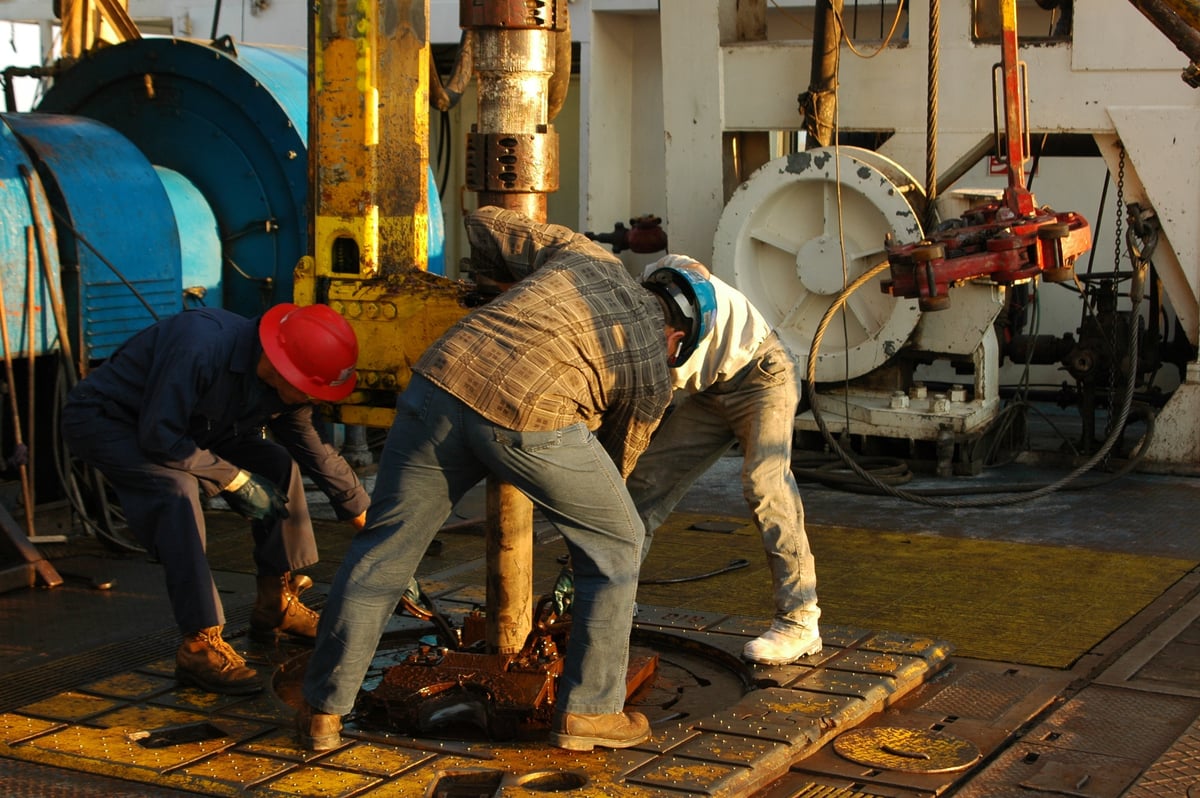
Middle East Conflict Impacts Shell and BP Outlook

- Middle East Conflict Impact: Shell and BP derive 20% and 22% of their production from the Middle East, respectively, with Shell's assets suffering damage due to the conflict; while rising oil prices are beneficial, operational disruptions may affect future earnings.
- Financial Health Comparison: Shell's debt-to-equity ratio stands at 0.4, significantly lower than BP's 1.3, indicating that Shell possesses greater financial resilience against geopolitical risks, making it a more attractive long-term investment.
- Stock Market Performance Discrepancy: Despite BP's stock rising 22% in 2026 compared to Shell's 15%, BP's high leverage and frequent management changes suggest that the market may not fully recognize Shell's financial advantages.
- Investment Recommendation: For investors looking to avoid Middle Eastern risks, Devon Energy and Enterprise Products Partners present safer alternatives, as they are unaffected by regional conflicts and Enterprise's revenue model is not driven by oil price fluctuations.
See More

Middle East Conflict Disrupts Energy Market
- Market Volatility Impact: The geopolitical conflict in the Middle East has disrupted the global energy market, affecting operations for Shell and BP, with approximately 22% of BP's production and 20% of Shell's production exposed to the region, increasing risks despite rising oil prices.
- Financial Health Comparison: BP's debt-to-equity ratio stands at a concerning 1.3x, significantly higher than its peers, while Shell maintains a more robust ratio of 0.4x, indicating Shell's stronger financial position and better resilience amid the conflict.
- Stock Performance Discrepancy: Although BP's stock has risen by 22% in 2026, compared to Shell's 15%, Shell's financial strength suggests it could close the performance gap in the future, especially as market volatility increases.
- Investment Recommendations: For investors looking to avoid Middle Eastern risks, Devon Energy and Enterprise Products Partners present safer alternatives, as they are unaffected by the regional conflict and Enterprise's business model is not driven by energy price fluctuations.
See More

U.S.-Iran Negotiation Fluctuations Impact Markets


- Oil Price Plunge: Oil prices dropped over 5% on Wednesday after Secretary of State Marco Rubio indicated that Washington was giving Iran talks 'every chance to succeed,' reflecting market sensitivity to diplomatic efforts and potentially impacting energy sector profitability.
- Escalation of Military Actions: New U.S. airstrikes in Iran targeted a military site deemed a threat to U.S. forces and commercial maritime traffic, adding uncertainty to the ongoing diplomatic negotiations and prompting investors to reassess risk levels in the market.
- Strong Tech Stock Performance: Shares of cloud-based AI and data platform company Snowflake surged 36% following a strong earnings report and a $6 billion investment plan in Amazon Web Services, showcasing investment enthusiasm and market confidence in the tech sector amid rising AI demand.
- Inflation Data Focus: Investors are closely watching the upcoming April inflation reading, which is expected to influence the Fed's future rate decisions, as Minneapolis Fed President Neel Kashkari emphasized that lowering inflation remains a top priority, indicating market sensitivity to economic policy.
See More

Shell Faces High-Stakes Climate Lawsuit at Dutch Supreme Court
- Climate Litigation Focus: Milieudefensie is urging the Dutch Supreme Court to mandate Shell to cut CO2 emissions by 45% from 2019 levels by 2030, which will determine whether courts can impose binding climate targets on companies, significantly impacting Shell's operational strategy and compliance costs.
- Complex Legal Background: Although a Dutch tribunal ordered Shell to achieve a 45% reduction in 2021, an appeals court overturned this ruling three years later, stating that judges could not determine the exact percentage, creating legal uncertainty that will affect future climate policy enforcement.
- Energy Security Considerations: With renewed focus on energy security due to the Iran conflict and disruptions in the Strait of Hormuz, Shell may argue that court-imposed targets fail to consider supply security and cost implications, potentially affecting its market competitiveness.
- Future Decision Timeline: The Dutch Supreme Court will review the application of the law, with a formal decision expected in early 2027, and the case may be referred to the EU Court of Justice, which could have profound implications for Shell's long-term strategy and investment direction.
See More

Dutch Supreme Court to Rule on Shell's Emission Reduction Obligations
- Legal Responsibility Debate: Friends of the Earth, Milieudefensie, will argue before the Dutch Supreme Court this Friday that Shell must reduce its CO2 emissions to 45% below 2019 levels by 2030, a ruling that could set a precedent for corporate emission responsibilities worldwide.
- First Global Ruling: This marks the first time a country's highest court will consider a company's civil law obligations regarding emissions reduction in the context of climate change, and a favorable ruling for Milieudefensie could provide a significant legal precedent for similar cases in other countries.
- Shell's Position: Shell opposes the demand, asserting that lawmakers, not courts, should determine emission limits for companies, a stance that may influence its future operational strategies and compliance costs.
- Potential Impact: Should the court rule in favor of the environmental group, it could prompt a reevaluation of corporate emission responsibilities in other nations, thereby having a profound impact on the global energy sector's policy and legal frameworks.
See More

U.S. Stocks Rally as Investors Eye Middle East Developments
- Market Rally: The S&P 500 is on track for its eighth consecutive weekly gain, reflecting growing investor optimism regarding de-escalation in the Middle East and increased confidence in economic recovery.
- Dow Jones Surge: The Dow Jones Industrial Average rose by 276.31 points to a record close, indicating positive market sentiment towards U.S.-Iran peace negotiations, which could attract further investments.
- Oil Price Volatility: Oil prices resumed their rally after three days of declines, with Brent and U.S. West Texas Intermediate futures both advancing around 2%, highlighting market concerns over energy supply and geopolitical uncertainties.
- Quantum Computing Investment: The U.S. government announced $2 billion in grants to nine firms, with IBM receiving $1 billion, significantly boosting quantum computing stocks and showcasing the ongoing investment surge in the tech sector.
See More
Middle East Conflict Impacts Shell and BP Outlook
- Middle East Conflict Impact: Shell and BP derive 20% and 22% of their production from the Middle East, respectively, with Shell's assets suffering damage due to the conflict; while rising oil prices are beneficial, operational disruptions may affect future earnings.
- Financial Health Comparison: Shell's debt-to-equity ratio stands at 0.4, significantly lower than BP's 1.3, indicating that Shell possesses greater financial resilience against geopolitical risks, making it a more attractive long-term investment.
- Stock Market Performance Discrepancy: Despite BP's stock rising 22% in 2026 compared to Shell's 15%, BP's high leverage and frequent management changes suggest that the market may not fully recognize Shell's financial advantages.
- Investment Recommendation: For investors looking to avoid Middle Eastern risks, Devon Energy and Enterprise Products Partners present safer alternatives, as they are unaffected by regional conflicts and Enterprise's revenue model is not driven by oil price fluctuations.
See More
Middle East Conflict Disrupts Energy Market
- Market Volatility Impact: The geopolitical conflict in the Middle East has disrupted the global energy market, affecting operations for Shell and BP, with approximately 22% of BP's production and 20% of Shell's production exposed to the region, increasing risks despite rising oil prices.
- Financial Health Comparison: BP's debt-to-equity ratio stands at a concerning 1.3x, significantly higher than its peers, while Shell maintains a more robust ratio of 0.4x, indicating Shell's stronger financial position and better resilience amid the conflict.
- Stock Performance Discrepancy: Although BP's stock has risen by 22% in 2026, compared to Shell's 15%, Shell's financial strength suggests it could close the performance gap in the future, especially as market volatility increases.
- Investment Recommendations: For investors looking to avoid Middle Eastern risks, Devon Energy and Enterprise Products Partners present safer alternatives, as they are unaffected by the regional conflict and Enterprise's business model is not driven by energy price fluctuations.
See More
U.S.-Iran Negotiation Fluctuations Impact Markets
- Oil Price Plunge: Oil prices dropped over 5% on Wednesday after Secretary of State Marco Rubio indicated that Washington was giving Iran talks 'every chance to succeed,' reflecting market sensitivity to diplomatic efforts and potentially impacting energy sector profitability.
- Escalation of Military Actions: New U.S. airstrikes in Iran targeted a military site deemed a threat to U.S. forces and commercial maritime traffic, adding uncertainty to the ongoing diplomatic negotiations and prompting investors to reassess risk levels in the market.
- Strong Tech Stock Performance: Shares of cloud-based AI and data platform company Snowflake surged 36% following a strong earnings report and a $6 billion investment plan in Amazon Web Services, showcasing investment enthusiasm and market confidence in the tech sector amid rising AI demand.
- Inflation Data Focus: Investors are closely watching the upcoming April inflation reading, which is expected to influence the Fed's future rate decisions, as Minneapolis Fed President Neel Kashkari emphasized that lowering inflation remains a top priority, indicating market sensitivity to economic policy.
See More
Shell Faces High-Stakes Climate Lawsuit at Dutch Supreme Court
- Climate Litigation Focus: Milieudefensie is urging the Dutch Supreme Court to mandate Shell to cut CO2 emissions by 45% from 2019 levels by 2030, which will determine whether courts can impose binding climate targets on companies, significantly impacting Shell's operational strategy and compliance costs.
- Complex Legal Background: Although a Dutch tribunal ordered Shell to achieve a 45% reduction in 2021, an appeals court overturned this ruling three years later, stating that judges could not determine the exact percentage, creating legal uncertainty that will affect future climate policy enforcement.
- Energy Security Considerations: With renewed focus on energy security due to the Iran conflict and disruptions in the Strait of Hormuz, Shell may argue that court-imposed targets fail to consider supply security and cost implications, potentially affecting its market competitiveness.
- Future Decision Timeline: The Dutch Supreme Court will review the application of the law, with a formal decision expected in early 2027, and the case may be referred to the EU Court of Justice, which could have profound implications for Shell's long-term strategy and investment direction.
See More
Dutch Supreme Court to Rule on Shell's Emission Reduction Obligations
- Legal Responsibility Debate: Friends of the Earth, Milieudefensie, will argue before the Dutch Supreme Court this Friday that Shell must reduce its CO2 emissions to 45% below 2019 levels by 2030, a ruling that could set a precedent for corporate emission responsibilities worldwide.
- First Global Ruling: This marks the first time a country's highest court will consider a company's civil law obligations regarding emissions reduction in the context of climate change, and a favorable ruling for Milieudefensie could provide a significant legal precedent for similar cases in other countries.
- Shell's Position: Shell opposes the demand, asserting that lawmakers, not courts, should determine emission limits for companies, a stance that may influence its future operational strategies and compliance costs.
- Potential Impact: Should the court rule in favor of the environmental group, it could prompt a reevaluation of corporate emission responsibilities in other nations, thereby having a profound impact on the global energy sector's policy and legal frameworks.
See More
U.S. Stocks Rally as Investors Eye Middle East Developments
- Market Rally: The S&P 500 is on track for its eighth consecutive weekly gain, reflecting growing investor optimism regarding de-escalation in the Middle East and increased confidence in economic recovery.
- Dow Jones Surge: The Dow Jones Industrial Average rose by 276.31 points to a record close, indicating positive market sentiment towards U.S.-Iran peace negotiations, which could attract further investments.
- Oil Price Volatility: Oil prices resumed their rally after three days of declines, with Brent and U.S. West Texas Intermediate futures both advancing around 2%, highlighting market concerns over energy supply and geopolitical uncertainties.
- Quantum Computing Investment: The U.S. government announced $2 billion in grants to nine firms, with IBM receiving $1 billion, significantly boosting quantum computing stocks and showcasing the ongoing investment surge in the tech sector.
See More