

Is First Trust Capital Strength ETF (FTCS) a Strong ETF Right Now?
Written by Emily J. Thompson, Senior Investment Analyst
Updated: Sep 30 2024
0mins


Source: NASDAQ.COM
Overview of First Trust Capital Strength ETF (FTCS): Launched in 2006, FTCS is a smart beta ETF focusing on large-cap blend stocks, utilizing an equal-dollar weighted strategy to target well-capitalized companies with strong financials, and has amassed over $9 billion in assets.
Performance and Comparison: FTCS has shown a return of approximately 14.15% and a year-to-date increase of about 24.30%, but investors may also consider lower-cost traditional market cap weighted ETFs like Vanguard S&P 500 ETF (VOO) and SPDR S&P 500 ETF (SPY), which have significantly lower expense ratios.
Trade with 70% Backtested Accuracy
Stop guessing "Should I Buy LMT?" and start using high-conviction signals backed by rigorous historical data.
Sign up today to access powerful investing tools and make smarter, data-driven decisions.
Analyst Views on LMT
Wall Street analysts forecast LMT stock price to rise
12 Analyst Rating
4 Buy
7 Hold
1 Sell
Hold
Current: 510.950

Low
430.00
Averages
535.50
High
605.00
Current: 510.950
Low
430.00
Averages
535.50
High
605.00
About LMT
Lockheed Martin Corporation is an aerospace and defense technology company. The Company's segments include Aeronautics, Missiles and Fire Control (MFC), Rotary and Mission Systems (RMS) and Space. The Aeronautics segment is engaged in research, design, development, manufacture, integration, sustainment, support and upgrade of advanced military aircraft, including combat and air mobility aircraft, unmanned air vehicles and related technologies. The MFC segment provides air and missile defense systems; tactical missiles and precision strike weapon systems; logistics; fire control systems; engineering support and integration services. The RMS segment designs, manufactures, services and supports various military and commercial helicopters, sea and land-based missile defense systems. The Space segment is engaged in the research and design, development, engineering and production of satellites, space transportation systems, and strategic, advanced strike, and defensive systems.
About the author

Emily J. Thompson
Emily J. Thompson, a Chartered Financial Analyst (CFA) with 12 years in investment research, graduated with honors from the Wharton School. Specializing in industrial and technology stocks, she provides in-depth analysis for Intellectia’s earnings and market brief reports.

Investment Outlook for SpaceX and Lockheed Martin

- Market Potential Assessment: SpaceX's IPO estimated its total addressable market across space, connectivity, and AI at $28.5 trillion, with AI accounting for $26.5 trillion, indicating significant growth potential in the defense sector.
- Government Contract Dependency: Approximately one-fifth of SpaceX's revenue comes from the federal government, highlighting its close ties to government spending in defense, which may grow as the government expands satellite constellations.
- Profitability Comparison: Lockheed Martin is projected to achieve annualized earnings growth of 7% to 8% over the next three to five years, with a price-to-earnings ratio of 17 and a 2.7% dividend yield, showcasing its advantages in stability and value.
- Valuation Risks: With a market cap of $2.4 trillion and a price-to-earnings ratio exceeding 120, investors must carefully assess the risks associated with SpaceX's high valuation, especially during market fluctuations that could impact returns.
See More

Mixed U.S. Stock Performance with Tech Stocks Leading Declines


- Tech Stock Decline: Alphabet's stock fell over 6%, leading the tech sector down after the announcement of Google DeepMind VP Jumper's departure to Anthropic PBC, raising concerns about the company's future and potentially impacting investor confidence.
- Market Volatility Factors: Stock index futures weakened overnight due to a more than 2% rise in oil prices following Iran's threat to close the Strait of Hormuz, although they recovered later due to reported progress in peace talks with the U.S., highlighting geopolitical influences on market dynamics.
- Bond Yield Changes: The 10-year U.S. Treasury yield rose to 4.503%, a one-week high, driven by Fed rate hike expectations and an upcoming $211 billion Treasury auction, which may exert pressure on the bond market.
- Overseas Market Performance: European and Asian stock markets saw gains, with the 10-year German bund yield falling to 2.946%, reflecting optimism about global economic recovery, which could provide support for the U.S. market.
See More
Precious Metals Stocks Lag on Monday
- Market Decline: Precious metals stocks collectively fell by approximately 2.5% on Monday, indicating a weakening market confidence in the sector, which may influence investors' long-term holding decisions.
- Alamos Gold Drop: Alamos Gold's stock plummeted by about 14.2%, making it the worst performer in the industry, suggesting potential operational or market challenges that could lead investors to reassess its future outlook.
- Gold Fields Struggles: Gold Fields saw a decline of around 9.7%, a significant drop that may be linked to global gold price fluctuations and internal company issues, further exacerbating market concerns about the precious metals sector.
- Defensive Sector Impact: The weak performance of precious metals stocks aligns with the overall decline in defensive sectors, potentially signaling a rise in investors' risk-averse sentiment, which could affect overall market mood.
See More

Zelenskiy: Ukraine Will Decide Europe's Negotiation Representatives

- Ukraine's Negotiation Leadership: Zelenskiy emphasized in an interview that Ukraine will decide who represents Europe in negotiations with Russia, reflecting Ukraine's diplomatic leadership amid stalled U.S.-backed talks.
- Discussion on Europe's Role: He noted that the recent European Council meeting featured unprecedented discussions on Europe's role in dialogue with Russia, indicating increasing divisions among European leaders on handling relations with Moscow.
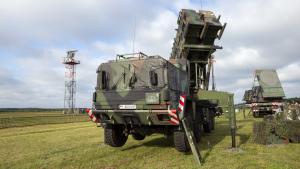
- Missile Defense Production Licenses: Zelenskiy urged the U.S. to approve licenses for Ukraine to locally manufacture U.S.-designed Patriot missile systems, highlighting a global shortage of such weapons amid the Iran war, which could impact Ukraine's defense capabilities.
- Potential Policy Shift: Experts suggest that U.S. approval for missile production licenses in Ukraine and Europe would mark a significant policy shift, although the main bottleneck in production lies in the manufacturing of certain components rather than final assembly.
See More

Analysis of Defense Stock Investments

- Market Opportunity: SpaceX is projected to have approximately 20% of its total revenue from the federal government in 2025, highlighting its potential in defense, particularly in AI and rocket launch services.
- Growth Potential: SpaceX's IPO raised about $85.7 billion, with an estimated total addressable market of $28.5 trillion, of which AI accounts for $26.5 trillion, although the high valuation poses risks for investors.
- Stability Comparison: In contrast, Lockheed Martin has a market cap of $118 billion, with expected annualized earnings growth of 7% to 8% over the next three to five years, along with a 2.7% dividend yield, indicating higher stability.
- Investment Strategy: While SpaceX has greater growth potential, its high valuation may limit investor returns, making Lockheed Martin a potentially wiser long-term investment choice in the current market environment.
See More

Howmet Aerospace Stock Analysis: A Smart Investment Choice


- Outstanding Stock Performance: Howmet Aerospace has seen its stock price soar by 500% over the past three years, significantly outperforming major industrial, aerospace, and defense ETFs, indicating strong market performance and investment appeal.
- Diversified Revenue Streams: With revenue from commercial air-engine parts, defense hardware, and industrial gas turbines, Howmet reported impressive growth rates of 48% and 39% in commercial aerospace and gas turbines respectively in the most recent quarter, showcasing robust business stability and growth potential.
- Defense Contract Supplier: As a key supplier of parts for the F-35 Lightning II fighter jet, Howmet's involvement in the defense sector provides a stable revenue source; although defense growth is relatively slower, its competitive advantage in the market remains significant.
- Strong Financial Health: With an A- credit rating and a net leverage ratio of just 0.9x, Howmet demonstrates solid financial health, having distributed $450 million to shareholders in the first quarter and maintaining a five-year streak of dividend increases, reflecting strong cash flow and long-term growth potential.
See More
Investment Outlook for SpaceX and Lockheed Martin
- Market Potential Assessment: SpaceX's IPO estimated its total addressable market across space, connectivity, and AI at $28.5 trillion, with AI accounting for $26.5 trillion, indicating significant growth potential in the defense sector.
- Government Contract Dependency: Approximately one-fifth of SpaceX's revenue comes from the federal government, highlighting its close ties to government spending in defense, which may grow as the government expands satellite constellations.
- Profitability Comparison: Lockheed Martin is projected to achieve annualized earnings growth of 7% to 8% over the next three to five years, with a price-to-earnings ratio of 17 and a 2.7% dividend yield, showcasing its advantages in stability and value.
- Valuation Risks: With a market cap of $2.4 trillion and a price-to-earnings ratio exceeding 120, investors must carefully assess the risks associated with SpaceX's high valuation, especially during market fluctuations that could impact returns.
See More
Mixed U.S. Stock Performance with Tech Stocks Leading Declines
- Tech Stock Decline: Alphabet's stock fell over 6%, leading the tech sector down after the announcement of Google DeepMind VP Jumper's departure to Anthropic PBC, raising concerns about the company's future and potentially impacting investor confidence.
- Market Volatility Factors: Stock index futures weakened overnight due to a more than 2% rise in oil prices following Iran's threat to close the Strait of Hormuz, although they recovered later due to reported progress in peace talks with the U.S., highlighting geopolitical influences on market dynamics.
- Bond Yield Changes: The 10-year U.S. Treasury yield rose to 4.503%, a one-week high, driven by Fed rate hike expectations and an upcoming $211 billion Treasury auction, which may exert pressure on the bond market.
- Overseas Market Performance: European and Asian stock markets saw gains, with the 10-year German bund yield falling to 2.946%, reflecting optimism about global economic recovery, which could provide support for the U.S. market.
See More
Precious Metals Stocks Lag on Monday
- Market Decline: Precious metals stocks collectively fell by approximately 2.5% on Monday, indicating a weakening market confidence in the sector, which may influence investors' long-term holding decisions.
- Alamos Gold Drop: Alamos Gold's stock plummeted by about 14.2%, making it the worst performer in the industry, suggesting potential operational or market challenges that could lead investors to reassess its future outlook.
- Gold Fields Struggles: Gold Fields saw a decline of around 9.7%, a significant drop that may be linked to global gold price fluctuations and internal company issues, further exacerbating market concerns about the precious metals sector.
- Defensive Sector Impact: The weak performance of precious metals stocks aligns with the overall decline in defensive sectors, potentially signaling a rise in investors' risk-averse sentiment, which could affect overall market mood.
See More
Zelenskiy: Ukraine Will Decide Europe's Negotiation Representatives
- Ukraine's Negotiation Leadership: Zelenskiy emphasized in an interview that Ukraine will decide who represents Europe in negotiations with Russia, reflecting Ukraine's diplomatic leadership amid stalled U.S.-backed talks.
- Discussion on Europe's Role: He noted that the recent European Council meeting featured unprecedented discussions on Europe's role in dialogue with Russia, indicating increasing divisions among European leaders on handling relations with Moscow.
- Missile Defense Production Licenses: Zelenskiy urged the U.S. to approve licenses for Ukraine to locally manufacture U.S.-designed Patriot missile systems, highlighting a global shortage of such weapons amid the Iran war, which could impact Ukraine's defense capabilities.
- Potential Policy Shift: Experts suggest that U.S. approval for missile production licenses in Ukraine and Europe would mark a significant policy shift, although the main bottleneck in production lies in the manufacturing of certain components rather than final assembly.
See More
Analysis of Defense Stock Investments
- Market Opportunity: SpaceX is projected to have approximately 20% of its total revenue from the federal government in 2025, highlighting its potential in defense, particularly in AI and rocket launch services.
- Growth Potential: SpaceX's IPO raised about $85.7 billion, with an estimated total addressable market of $28.5 trillion, of which AI accounts for $26.5 trillion, although the high valuation poses risks for investors.
- Stability Comparison: In contrast, Lockheed Martin has a market cap of $118 billion, with expected annualized earnings growth of 7% to 8% over the next three to five years, along with a 2.7% dividend yield, indicating higher stability.
- Investment Strategy: While SpaceX has greater growth potential, its high valuation may limit investor returns, making Lockheed Martin a potentially wiser long-term investment choice in the current market environment.
See More
Howmet Aerospace Stock Analysis: A Smart Investment Choice
- Outstanding Stock Performance: Howmet Aerospace has seen its stock price soar by 500% over the past three years, significantly outperforming major industrial, aerospace, and defense ETFs, indicating strong market performance and investment appeal.
- Diversified Revenue Streams: With revenue from commercial air-engine parts, defense hardware, and industrial gas turbines, Howmet reported impressive growth rates of 48% and 39% in commercial aerospace and gas turbines respectively in the most recent quarter, showcasing robust business stability and growth potential.
- Defense Contract Supplier: As a key supplier of parts for the F-35 Lightning II fighter jet, Howmet's involvement in the defense sector provides a stable revenue source; although defense growth is relatively slower, its competitive advantage in the market remains significant.
- Strong Financial Health: With an A- credit rating and a net leverage ratio of just 0.9x, Howmet demonstrates solid financial health, having distributed $450 million to shareholders in the first quarter and maintaining a five-year streak of dividend increases, reflecting strong cash flow and long-term growth potential.
See More





