India's E-commerce Market Experiences Rapid Growth
Written by Emily J. Thompson, Senior Investment Analyst
Updated: Apr 16 2026
0mins

Source: CNBC
- Investment Commitment: Amazon's pledge of $35 billion in India last year aims to digitize 12 million small businesses and enhance logistics infrastructure, demonstrating confidence in future market potential despite online shopping accounting for only 1.6% of GDP.
- User Growth Trend: According to Deloitte, India's e-commerce market experienced a compound annual growth of 23% from 2020 to 2025, with projections indicating it will reach $250 billion by 2030, highlighting both user growth and increased spending per shopper.
- Rise of Small City Consumers: Deloitte reports that over 60% of online shoppers come from smaller cities, marking a decisive shift in consumer dynamics and driving e-commerce order growth, indicating a rapid increase in purchasing power among these consumers.
- Quick Commerce Model: Amazon's quick commerce service, Amazon Now, sees a 25% month-over-month order growth, with Prime members tripling their shopping frequency, underscoring the significance of rapid delivery in meeting the demands of consumers in smaller cities.
Trade with 70% Backtested Accuracy
Stop guessing "Should I Buy AMZN?" and start using high-conviction signals backed by rigorous historical data.
Sign up today to access powerful investing tools and make smarter, data-driven decisions.
Analyst Views on AMZN
Wall Street analysts forecast AMZN stock price to rise
44 Analyst Rating
41 Buy
3 Hold
0 Sell
Strong Buy
Current: 237.500

Low
175.00
Averages
280.01
High
325.00
Current: 237.500
Low
175.00
Averages
280.01
High
325.00
About AMZN
Amazon.com, Inc. provides a range of products and services to customers. The products offered through its stores include merchandise and content it has purchased for resale and products offered by third-party sellers. The Company’s segments include North America, International and Amazon Web Services (AWS). It serves consumers through its online and physical stores and focuses on selection, price, and convenience. Customers access its offerings through its websites, mobile apps, Alexa, devices, streaming, and physically visiting its stores. It also manufactures and sells electronic devices, including Kindle, Fire tablet, Fire TV, Echo, Ring, Blink, and eero, and develops and produces media content. It serves developers and enterprises of all sizes, including start-ups, government agencies, and academic institutions, through AWS, which offers a set of on-demand technology services, including compute, storage, database, analytics, and machine learning, and other services.
About the author

Emily J. Thompson
Emily J. Thompson, a Chartered Financial Analyst (CFA) with 12 years in investment research, graduated with honors from the Wharton School. Specializing in industrial and technology stocks, she provides in-depth analysis for Intellectia’s earnings and market brief reports.
Amazon's AWS Business Grows 28%, Fastest in 15 Quarters

- AWS Growth Surge: Amazon's AWS cloud business achieved a 28% year-over-year growth in Q1, reaching $37.6 billion, marking its fastest pace in 15 quarters, which underscores its strong competitive position in the cloud market and is expected to drive further revenue growth.
- Custom Chip Revenue: Amazon's custom chips now generate over $20 billion in annual revenue, up nearly 40% from the previous quarter, enhancing its cost control in cloud services and laying a foundation for future profit growth.
- Capital Expenditure Plans: Amazon plans to invest approximately $200 billion in capital expenditures by 2026, which will pressure short-term free cash flow; however, the company believes this investment is essential for long-term growth, particularly in AWS and AI.
- Optimistic Market Outlook: Despite facing market volatility and rising costs, Amazon's cloud platform remains the largest globally, with a backlog of $364 billion, indicating strong market demand and significant growth potential ahead.
See More

Amazon Launches Next-Gen Cloud Instances with Enhanced Performance
- Performance Boost: Amazon announced the general availability of its AWS Graviton5-powered M9g and M9gd instances, which deliver up to 25% better compute performance than the previous generation, significantly enhancing the competitiveness of its cloud services.
- AI Optimization: The new instances are designed for the demands of agentic AI, featuring 192 cores and a 5x larger L3 cache, supporting DDR5-8800 memory and PCIe Gen 6, enabling acceleration of machine learning inference and database performance by up to 30%.
- Architectural Efficiency: Built on 3nm technology, the new architecture achieves a 33% reduction in inter-core latency and increases network and storage bandwidth, ensuring high performance and energy efficiency under heavy workloads.
- Enhanced Security: The introduction of the Nitro Isolation Engine through the sixth-generation AWS Nitro System employs formal verification and mathematical proofs to ensure strict isolation between virtual machines, protecting customer data from unauthorized access and further solidifying AWS's position in sensitive sectors like government and finance.
See More

SpaceX IPO Raises Investor Concerns Over Lockup Period


- IPO Fundraising Scale: SpaceX raised $75 billion through its IPO, becoming one of the largest companies in Wall Street history with a valuation of $2.66 trillion, surpassing well-known firms like Amazon and Tesla, showcasing its strong potential in the space economy and AI sectors.
- Index Inclusion Rule Changes: Structural changes in Nasdaq and Russell indexes allow SpaceX to be included in the Nasdaq-100 within just 15 trading days, forcing passive funds to rapidly purchase its stock post-IPO, which is expected to generate tens of billions in demand and further elevate its share price.
- Lockup Period Risks: SpaceX's staggered lockup schedule permits some insiders to sell shares earlier than typical IPO lockup periods, posing significant wealth transfer risks for retail investors, especially amid heightened market enthusiasm.
- Financial Health Concerns: The company's prospectus warns of using debt issuance and share dilution to fund the expansion of AI data center infrastructure and M&A opportunities, combined with its historically high price-to-sales ratio of 142, indicating potential vulnerabilities in profitability and sales growth.
See More

SpaceX Raises $75 Billion in Record IPO, Surpassing Major Competitors
- Record IPO Financing: SpaceX raised $75 billion through its IPO, becoming one of the largest in history with a valuation of $2.66 trillion, surpassing giants like Amazon and Tesla, highlighting its significant potential in the space economy and AI sectors.
- Index Inclusion Rule Changes: Structural changes in Nasdaq and Russell indexes allow SpaceX to be included in relevant indexes within just 5 to 15 trading days, expected to trigger billions in passive fund buying, further boosting its stock price.
- Lockup Period Arrangement: SpaceX's staggered lockup schedule permits some insiders to cash out shortly after the first quarterly report, potentially exposing retail investors to risks of passive selling that could impact their returns.
- Future Financing Risks: SpaceX plans to utilize debt issuances and share dilution to fund the expansion of its AI data center infrastructure, which may further dilute shareholder equity and increase financial risks for retail investors.
See More

U.S. Food Companies Navigate Changes to SNAP Policies


- Impact of SNAP Policies: As of May, the USDA has approved food restriction waivers in 23 states affecting about one-third of SNAP participants, with estimates suggesting a potential $830 million drop in food and beverage sales this year, compelling companies to reassess their product lines to adapt to shifting consumer spending.
- Consumer Spending Pressure: Kroger CEO Greg Foran highlighted that customers are under financial pressure due to reduced SNAP benefits and rising gas prices, leading to more cautious shopping behavior, indicating that changes in market demand could significantly influence food companies' sales strategies.
- Legislative Push for Healthy Eating: Iowa has become the first state to codify elements of the
See More
Tech Companies Face Rising Debt Risks Amid AI Expansion


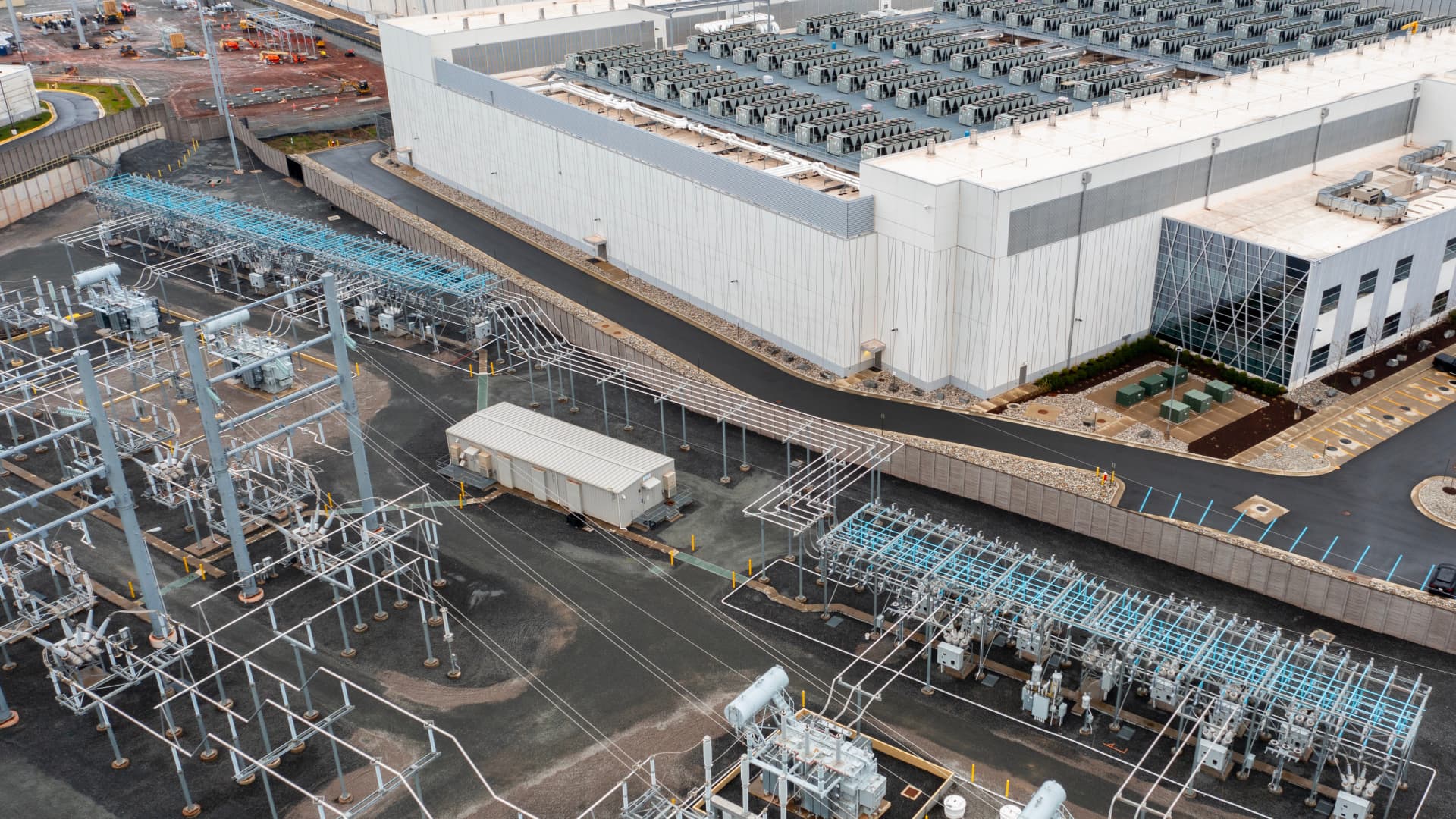
- Increased Debt Financing Demand: With tech giants like Amazon, Google, Microsoft, and Meta projected to invest $750 billion in AI infrastructure by 2026, the demand for debt financing has surged, particularly as rising interest rates increase borrowing costs, impacting the present value of future cash flows.
- Cash Flow Strain: An anticipated capital expenditure of up to $920 billion poses a risk of negative free cash flow for many tech companies, with Amazon expected to report negative cash flow, indicating that these firms are facing challenges similar to traditional capital-intensive industries.
- Heightened Rate Impact: Fed Chairman Kevin Warsh's indication of a potential rate hike in 2026 has triggered equity sell-offs and rising rates, with the 10-year Treasury yield nearing 4.45%, placing greater pressure on tech companies that rely on future profits, especially smaller firms.
- Shifting Market Reactions: Investors are beginning to pay attention to interest rates and inflation data, requiring tech investors to adapt to a new market environment, where debt financing has become a critical strategy for expansion in the high-risk AI investment sector, despite facing higher borrowing costs.
See More
Amazon's AWS Business Grows 28%, Fastest in 15 Quarters
- AWS Growth Surge: Amazon's AWS cloud business achieved a 28% year-over-year growth in Q1, reaching $37.6 billion, marking its fastest pace in 15 quarters, which underscores its strong competitive position in the cloud market and is expected to drive further revenue growth.
- Custom Chip Revenue: Amazon's custom chips now generate over $20 billion in annual revenue, up nearly 40% from the previous quarter, enhancing its cost control in cloud services and laying a foundation for future profit growth.
- Capital Expenditure Plans: Amazon plans to invest approximately $200 billion in capital expenditures by 2026, which will pressure short-term free cash flow; however, the company believes this investment is essential for long-term growth, particularly in AWS and AI.
- Optimistic Market Outlook: Despite facing market volatility and rising costs, Amazon's cloud platform remains the largest globally, with a backlog of $364 billion, indicating strong market demand and significant growth potential ahead.
See More
Amazon Launches Next-Gen Cloud Instances with Enhanced Performance
- Performance Boost: Amazon announced the general availability of its AWS Graviton5-powered M9g and M9gd instances, which deliver up to 25% better compute performance than the previous generation, significantly enhancing the competitiveness of its cloud services.
- AI Optimization: The new instances are designed for the demands of agentic AI, featuring 192 cores and a 5x larger L3 cache, supporting DDR5-8800 memory and PCIe Gen 6, enabling acceleration of machine learning inference and database performance by up to 30%.
- Architectural Efficiency: Built on 3nm technology, the new architecture achieves a 33% reduction in inter-core latency and increases network and storage bandwidth, ensuring high performance and energy efficiency under heavy workloads.
- Enhanced Security: The introduction of the Nitro Isolation Engine through the sixth-generation AWS Nitro System employs formal verification and mathematical proofs to ensure strict isolation between virtual machines, protecting customer data from unauthorized access and further solidifying AWS's position in sensitive sectors like government and finance.
See More
SpaceX IPO Raises Investor Concerns Over Lockup Period
- IPO Fundraising Scale: SpaceX raised $75 billion through its IPO, becoming one of the largest companies in Wall Street history with a valuation of $2.66 trillion, surpassing well-known firms like Amazon and Tesla, showcasing its strong potential in the space economy and AI sectors.
- Index Inclusion Rule Changes: Structural changes in Nasdaq and Russell indexes allow SpaceX to be included in the Nasdaq-100 within just 15 trading days, forcing passive funds to rapidly purchase its stock post-IPO, which is expected to generate tens of billions in demand and further elevate its share price.
- Lockup Period Risks: SpaceX's staggered lockup schedule permits some insiders to sell shares earlier than typical IPO lockup periods, posing significant wealth transfer risks for retail investors, especially amid heightened market enthusiasm.
- Financial Health Concerns: The company's prospectus warns of using debt issuance and share dilution to fund the expansion of AI data center infrastructure and M&A opportunities, combined with its historically high price-to-sales ratio of 142, indicating potential vulnerabilities in profitability and sales growth.
See More
SpaceX Raises $75 Billion in Record IPO, Surpassing Major Competitors
- Record IPO Financing: SpaceX raised $75 billion through its IPO, becoming one of the largest in history with a valuation of $2.66 trillion, surpassing giants like Amazon and Tesla, highlighting its significant potential in the space economy and AI sectors.
- Index Inclusion Rule Changes: Structural changes in Nasdaq and Russell indexes allow SpaceX to be included in relevant indexes within just 5 to 15 trading days, expected to trigger billions in passive fund buying, further boosting its stock price.
- Lockup Period Arrangement: SpaceX's staggered lockup schedule permits some insiders to cash out shortly after the first quarterly report, potentially exposing retail investors to risks of passive selling that could impact their returns.
- Future Financing Risks: SpaceX plans to utilize debt issuances and share dilution to fund the expansion of its AI data center infrastructure, which may further dilute shareholder equity and increase financial risks for retail investors.
See More
U.S. Food Companies Navigate Changes to SNAP Policies
- Impact of SNAP Policies: As of May, the USDA has approved food restriction waivers in 23 states affecting about one-third of SNAP participants, with estimates suggesting a potential $830 million drop in food and beverage sales this year, compelling companies to reassess their product lines to adapt to shifting consumer spending.
- Consumer Spending Pressure: Kroger CEO Greg Foran highlighted that customers are under financial pressure due to reduced SNAP benefits and rising gas prices, leading to more cautious shopping behavior, indicating that changes in market demand could significantly influence food companies' sales strategies.
- Legislative Push for Healthy Eating: Iowa has become the first state to codify elements of the
See More
Tech Companies Face Rising Debt Risks Amid AI Expansion
- Increased Debt Financing Demand: With tech giants like Amazon, Google, Microsoft, and Meta projected to invest $750 billion in AI infrastructure by 2026, the demand for debt financing has surged, particularly as rising interest rates increase borrowing costs, impacting the present value of future cash flows.
- Cash Flow Strain: An anticipated capital expenditure of up to $920 billion poses a risk of negative free cash flow for many tech companies, with Amazon expected to report negative cash flow, indicating that these firms are facing challenges similar to traditional capital-intensive industries.
- Heightened Rate Impact: Fed Chairman Kevin Warsh's indication of a potential rate hike in 2026 has triggered equity sell-offs and rising rates, with the 10-year Treasury yield nearing 4.45%, placing greater pressure on tech companies that rely on future profits, especially smaller firms.
- Shifting Market Reactions: Investors are beginning to pay attention to interest rates and inflation data, requiring tech investors to adapt to a new market environment, where debt financing has become a critical strategy for expansion in the high-risk AI investment sector, despite facing higher borrowing costs.
See More