Humacyte Secures DOD Funding for Bioengineered Blood Vessels
Written by Emily J. Thompson, Senior Investment Analyst
Updated: Feb 09 2026
0mins
Should l Buy HUMA?
Source: stocktwits
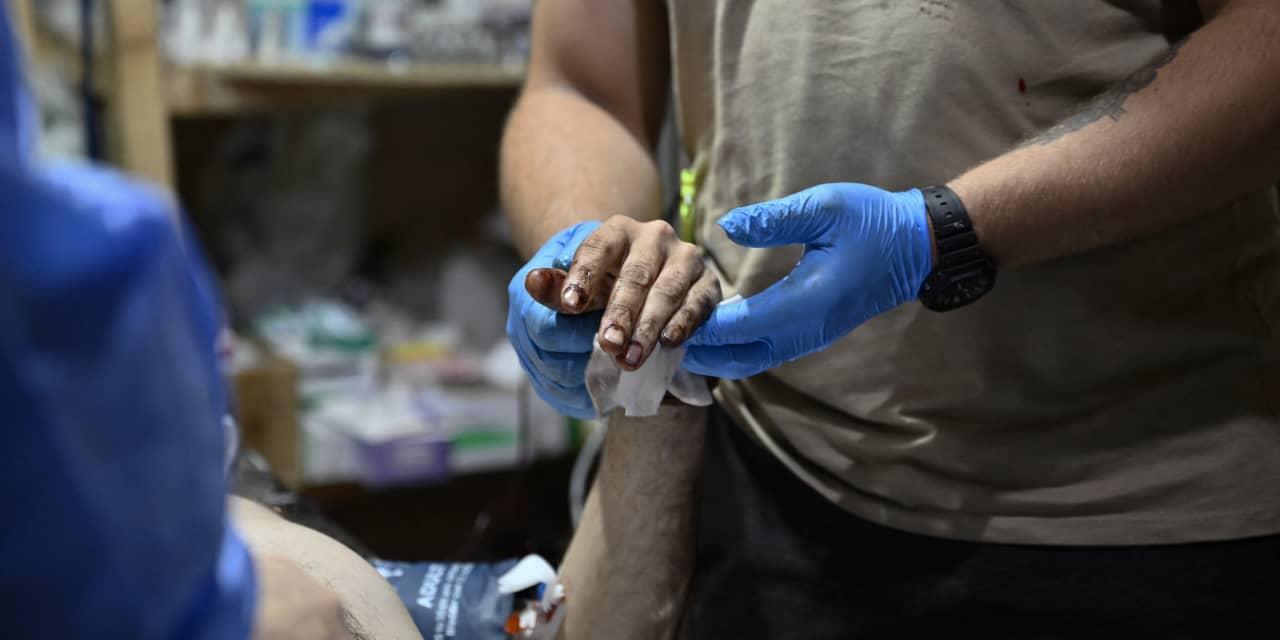
- Funding Support: Humacyte Inc. announced that the FY2026 U.S. Department of Defense Appropriations Act includes funding for the procurement of bioengineered blood vessels, aimed at evaluating and integrating biologic vascular repair technologies for warfighters with traumatic vascular injuries.
- Product Uniqueness: Humacyte's Symvess is the only human-derived bioengineered blood vessel approved by the U.S. Food and Drug Administration (FDA), which enhances its competitive edge in the medical device market and positions the company favorably against competitors.
- Stock Price Reaction: Humacyte shares rose nearly 12% in Monday's pre-market trading, reflecting a positive market response to the newly secured funding and product potential, which may attract more investor interest.
- Market Sentiment: Despite the stock price increase, retail sentiment on Stocktwits around Humacyte trended in the 'bearish' territory, indicating a divergence in market perception regarding the company's future performance, which could impact its short-term stock trajectory.
Trade with 70% Backtested Accuracy
Stop guessing "Should I Buy HUMA?" and start using high-conviction signals backed by rigorous historical data.
Sign up today to access powerful investing tools and make smarter, data-driven decisions.
Analyst Views on HUMA
Wall Street analysts forecast HUMA stock price to rise
4 Analyst Rating
4 Buy
0 Hold
0 Sell
Strong Buy
Current: 1.080

Low
3.00
Averages
5.88
High
11.00
Current: 1.080
Low
3.00
Averages
5.88
High
11.00
About HUMA
Humacyte, Inc. is a commercial-stage biotechnology platform company. The Company is engaged in developing a disruptive biotechnology platform to deliver universally implantable bioengineered human tissues, advanced tissue constructs, and organ systems designed to improve the lives of patients and transform the practice of medicine. The Company develops and manufactures acellular tissues to treat a range of diseases, injuries, and chronic conditions. It is using its proprietary, scientific technology platform to engineer and manufacture acellular tissue engineered vessels (ATEVs). The Company is also in late-stage clinical trials targeting other vascular applications, including arteriovenous (AV) access for hemodialysis and peripheral artery disease (PAD). The Company is also engaged in the preclinical development of coronary artery bypass grafts, pediatric heart surgery, treatment of type 1 diabetes, and multiple cell and tissue applications.
About the author

Emily J. Thompson
Emily J. Thompson, a Chartered Financial Analyst (CFA) with 12 years in investment research, graduated with honors from the Wharton School. Specializing in industrial and technology stocks, she provides in-depth analysis for Intellectia’s earnings and market brief reports.

Humacyte Realigns International Rights to Symvess Bioengineered Tissue
- International Rights Realignment: Humacyte has announced the realignment of international distribution rights for Symvess, securing exclusive distribution outside the U.S., which is expected to enhance revenue through low single-digit royalties on net sales and strengthen market competitiveness.
- FDA Approval Milestone: The biologics license application (BLA) for Humacyte's ATEV received FDA approval in December 2024, marking a significant milestone in the treatment of vascular trauma, which could drive future market demand and product applications.
- Advancement in Clinical Trials: The company is advancing preclinical trials for ATEV in coronary artery bypass grafts, pediatric heart surgery, and type 1 diabetes, showcasing its broad potential in multiple novel cell and tissue applications, which may open new revenue streams for the company.
- Market Performance: Humacyte's current trading price is $0.71, up 0.42%, reflecting positive market sentiment towards its new strategy and product advancements, potentially attracting more investor interest in its future growth.
See More

Humacyte Regains Exclusive Rights for Symvess Outside the U.S.
- Agreement Amendment: Humacyte (HUMA) amended its agreement with Fresenius Medical Care (FMS) on April 21, regaining exclusive rights to develop and commercialize Symvess outside the U.S., marking a strategic return to the global market.
- Product Background: Symvess received FDA approval in 2024 for extremity vascular trauma, and this move allows Humacyte to directly manage product development and regulatory matters in international markets.
- Financial Arrangement: Under the amended agreement, Humacyte will pay Fresenius low-single-digit royalties on overseas net sales after a two-year royalty-free period, supporting potential revenue growth for the company.
- Market Potential: The regained rights will enable Humacyte to respond more flexibly to international market demands, particularly in the Middle East, where it recently secured a $1.48 million purchase commitment for Symvess from Saudi Arabia, further enhancing its competitive position.
See More

Halper Sadeh LLC Investigates Humacyte Executives' Fiduciary Duties
- Shareholder Rights Protection: Halper Sadeh LLC encourages Humacyte shareholders to contact the firm to discuss their rights and options, emphasizing the importance of timely action to protect shareholder interests and seek legal remedies.
- Corporate Governance Reform: The investigation aims to determine whether Humacyte executives breached their fiduciary duties to shareholders, and if so, shareholders may seek governance reforms and fund recovery, thereby enhancing the company's transparency and accountability.
- Legal Fee Arrangement: The firm commits to handling cases on a contingent fee basis, meaning shareholders will not incur out-of-pocket legal expenses, which reduces the financial burden of participating in legal action and encourages more shareholders to engage.
- Investor Rights Advocacy: Halper Sadeh LLC represents investors globally, focusing on combating securities fraud and corporate misconduct, having successfully implemented corporate reforms and recovered millions for defrauded investors, showcasing its expertise in protecting investor rights.
See More

HUMACYTE INC.: BARCLAYS LOWERS TARGET PRICE FROM $3.5 TO $1.5
- Barclays Target Price Cut: Barclays has reduced its target price for Humacyte from $3.50 to $1.50.
- Market Impact: This significant cut reflects a shift in market expectations regarding Humacyte's performance and potential.
See More

Humacyte Reports 2025 Financial Results and Pipeline Updates
- Financial Performance: In Q4 2025, Humacyte reported revenues of $0.5 million, with $0.4 million from U.S. sales of Symvess and $0.1 million from research collaborations, although the net loss widened to $24.8 million, indicating potential for sales growth despite challenges.
- Improved Net Loss: The full-year net loss for 2025 narrowed significantly to $40.8 million from $148.7 million in 2024, primarily due to non-cash gains related to liability remeasurements, reflecting an improvement in the company's financial health.
- Product Commercialization Progress: By the end of 2025, 27 hospitals had ordered Symvess, which was FDA-approved in December 2024, with multiple re-orders indicating growing market demand, while a $1.475 million commitment from Saudi Arabia for clinical evaluation further supports international expansion.
- R&D Pipeline Developments: Interim Phase 3 results for ATEV are expected in Q2 2026, and positive data could support a BLA filing in the second half of the year, while an IND for CTEV has been submitted, with a first-in-human Phase 1 trial planned for H2 2026, showcasing the company's ongoing innovation in bioengineered vessels.
See More
Humacyte Q4 Earnings Report Analysis
- Earnings Performance: Humacyte reported a Q4 GAAP EPS of -$0.13, aligning with expectations, but its revenue of $0.47 million fell short by $0.88 million, indicating challenges in revenue growth.
- Cash Position: As of December 31, 2025, Humacyte had cash and cash equivalents of $50.5 million, which, while substantial, may limit operational flexibility due to ongoing revenue shortfalls.
- Market Commitment: The company secured a $1.48 million purchase commitment for Symvess in Saudi Arabia, which not only provides short-term revenue but also potentially strengthens its market presence in the Middle East.
- Long-Term Threats: Despite recent positive developments, Humacyte faces long-term threats, particularly regarding market competition and product acceptance, which could impact its future growth potential.
See More
Humacyte Realigns International Rights to Symvess Bioengineered Tissue
- International Rights Realignment: Humacyte has announced the realignment of international distribution rights for Symvess, securing exclusive distribution outside the U.S., which is expected to enhance revenue through low single-digit royalties on net sales and strengthen market competitiveness.
- FDA Approval Milestone: The biologics license application (BLA) for Humacyte's ATEV received FDA approval in December 2024, marking a significant milestone in the treatment of vascular trauma, which could drive future market demand and product applications.
- Advancement in Clinical Trials: The company is advancing preclinical trials for ATEV in coronary artery bypass grafts, pediatric heart surgery, and type 1 diabetes, showcasing its broad potential in multiple novel cell and tissue applications, which may open new revenue streams for the company.
- Market Performance: Humacyte's current trading price is $0.71, up 0.42%, reflecting positive market sentiment towards its new strategy and product advancements, potentially attracting more investor interest in its future growth.
See More
Humacyte Regains Exclusive Rights for Symvess Outside the U.S.
- Agreement Amendment: Humacyte (HUMA) amended its agreement with Fresenius Medical Care (FMS) on April 21, regaining exclusive rights to develop and commercialize Symvess outside the U.S., marking a strategic return to the global market.
- Product Background: Symvess received FDA approval in 2024 for extremity vascular trauma, and this move allows Humacyte to directly manage product development and regulatory matters in international markets.
- Financial Arrangement: Under the amended agreement, Humacyte will pay Fresenius low-single-digit royalties on overseas net sales after a two-year royalty-free period, supporting potential revenue growth for the company.
- Market Potential: The regained rights will enable Humacyte to respond more flexibly to international market demands, particularly in the Middle East, where it recently secured a $1.48 million purchase commitment for Symvess from Saudi Arabia, further enhancing its competitive position.
See More
Halper Sadeh LLC Investigates Humacyte Executives' Fiduciary Duties
- Shareholder Rights Protection: Halper Sadeh LLC encourages Humacyte shareholders to contact the firm to discuss their rights and options, emphasizing the importance of timely action to protect shareholder interests and seek legal remedies.
- Corporate Governance Reform: The investigation aims to determine whether Humacyte executives breached their fiduciary duties to shareholders, and if so, shareholders may seek governance reforms and fund recovery, thereby enhancing the company's transparency and accountability.
- Legal Fee Arrangement: The firm commits to handling cases on a contingent fee basis, meaning shareholders will not incur out-of-pocket legal expenses, which reduces the financial burden of participating in legal action and encourages more shareholders to engage.
- Investor Rights Advocacy: Halper Sadeh LLC represents investors globally, focusing on combating securities fraud and corporate misconduct, having successfully implemented corporate reforms and recovered millions for defrauded investors, showcasing its expertise in protecting investor rights.
See More
HUMACYTE INC.: BARCLAYS LOWERS TARGET PRICE FROM $3.5 TO $1.5
- Barclays Target Price Cut: Barclays has reduced its target price for Humacyte from $3.50 to $1.50.
- Market Impact: This significant cut reflects a shift in market expectations regarding Humacyte's performance and potential.
See More
Humacyte Reports 2025 Financial Results and Pipeline Updates
- Financial Performance: In Q4 2025, Humacyte reported revenues of $0.5 million, with $0.4 million from U.S. sales of Symvess and $0.1 million from research collaborations, although the net loss widened to $24.8 million, indicating potential for sales growth despite challenges.
- Improved Net Loss: The full-year net loss for 2025 narrowed significantly to $40.8 million from $148.7 million in 2024, primarily due to non-cash gains related to liability remeasurements, reflecting an improvement in the company's financial health.
- Product Commercialization Progress: By the end of 2025, 27 hospitals had ordered Symvess, which was FDA-approved in December 2024, with multiple re-orders indicating growing market demand, while a $1.475 million commitment from Saudi Arabia for clinical evaluation further supports international expansion.
- R&D Pipeline Developments: Interim Phase 3 results for ATEV are expected in Q2 2026, and positive data could support a BLA filing in the second half of the year, while an IND for CTEV has been submitted, with a first-in-human Phase 1 trial planned for H2 2026, showcasing the company's ongoing innovation in bioengineered vessels.
See More
Humacyte Q4 Earnings Report Analysis
- Earnings Performance: Humacyte reported a Q4 GAAP EPS of -$0.13, aligning with expectations, but its revenue of $0.47 million fell short by $0.88 million, indicating challenges in revenue growth.
- Cash Position: As of December 31, 2025, Humacyte had cash and cash equivalents of $50.5 million, which, while substantial, may limit operational flexibility due to ongoing revenue shortfalls.
- Market Commitment: The company secured a $1.48 million purchase commitment for Symvess in Saudi Arabia, which not only provides short-term revenue but also potentially strengthens its market presence in the Middle East.
- Long-Term Threats: Despite recent positive developments, Humacyte faces long-term threats, particularly regarding market competition and product acceptance, which could impact its future growth potential.
See More