Energy Fuels Prepares for Production of US-Made Rare Earth Magnets for AI and Electric Vehicles


Partnership Announcement: Energy Fuels Inc. has signed a memorandum of understanding with Vulcan Elements to establish a U.S.-based supply chain for rare-earth magnets, focusing on high-purity neodymium-praseodymium and dysprosium oxides.
Domestic Supply Chain Goals: The collaboration aims to reduce U.S. reliance on Chinese supply chains by securing domestic sources for essential materials used in various technologies, including satellites and electric vehicles.
Company Capabilities: Energy Fuels operates the only U.S. facility capable of processing monazite mineral concentrates into separated rare-earth oxides and is expanding its production capabilities for heavier oxides.
Stock Performance: Following the announcement, Energy Fuels' shares surged over 146% in 2025, reflecting increased investor interest due to its dual role in supplying nuclear fuel and rare-earth materials critical for advanced technologies.
Trade with 70% Backtested Accuracy
Analyst Views on UUUU

About UUUU
About the author

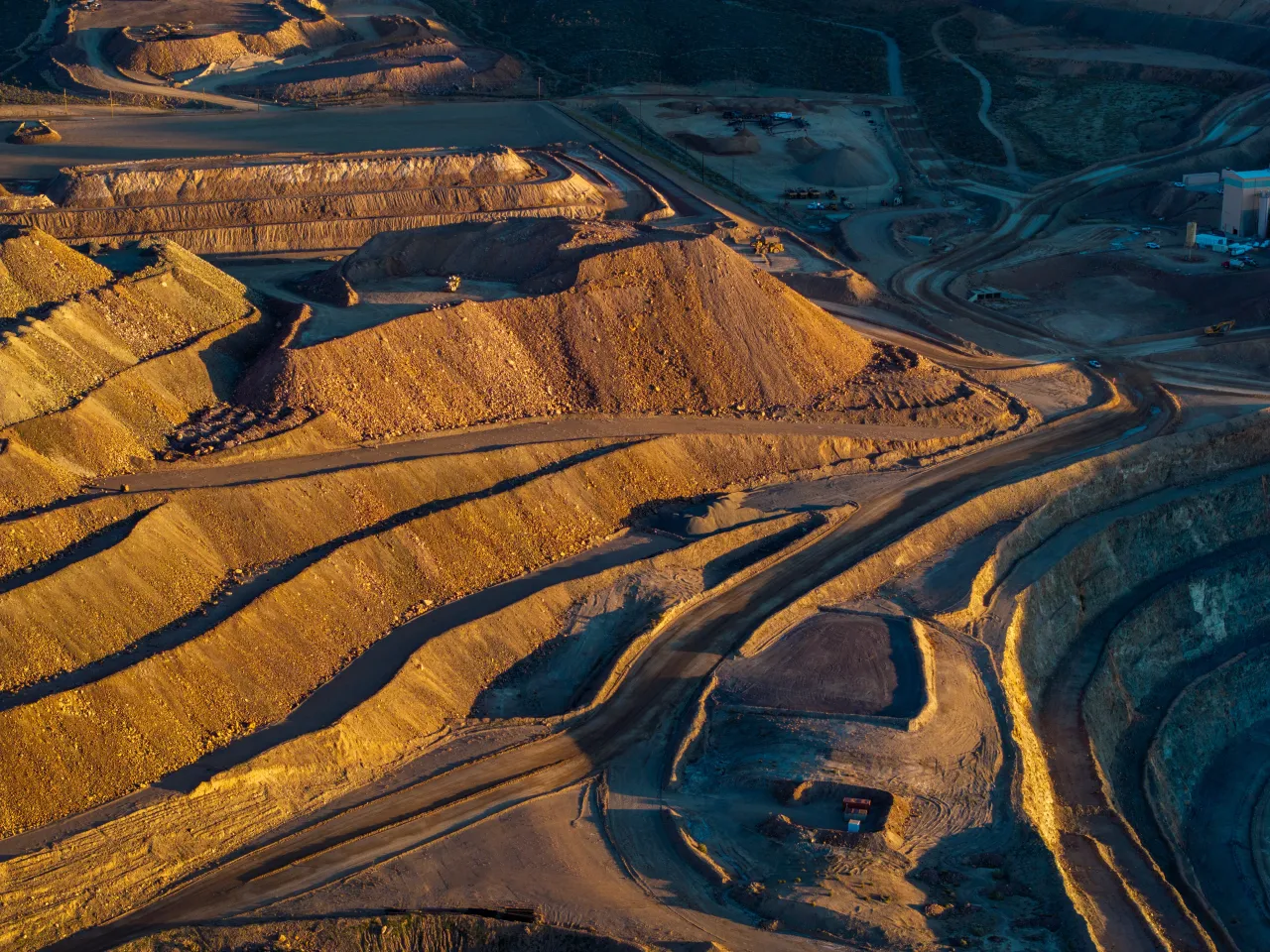
Trump Revives Call for U.S. Control of Greenland


- Importance of Rare Earths: Trump reiterated the necessity for U.S. control over Greenland during the NATO summit in Ankara, emphasizing the island's critical role in national security due to its vast rare earth resources, which directly impacts the supply of materials for defense and high-tech industries.
- Surge in Critical Metals Stocks: Following Trump's remarks, shares of companies like Critical Metals, REalloys, and Energy Fuels rose between 0.4% and 2%, reflecting heightened market interest in rare earth mining and Arctic energy, potentially driving further investments and developments in these sectors.
- Tanbreez Project Progress: Critical Metals holds a 92.5% stake in the Tanbreez project and is currently executing a 10,000-meter drilling program to support mine planning, which is expected to provide an alternative supply chain for minerals to North America and Europe, reducing reliance on China.
- Oil and Gas Exploration: Greenland Energy holds exclusive exploration rights to oil and gas resources in Greenland, with estimates suggesting recoverable oil of up to 13 billion barrels, and its upcoming collaboration with Halliburton will further advance its drilling operations, enhancing its competitiveness in the energy market.

Energy Fuels Stock Decline Analysis

- Stock Performance Decline: Energy Fuels (UUUU) fell by 1.21% to $14.33 in the latest trading session, lagging behind the S&P 500's daily loss of 0.22%, indicating market concerns regarding its future performance.
- Significant Monthly Drop: The stock has decreased by 25.79% over the past month, significantly outpacing the Basic Materials sector's 7.15% decline and the S&P 500's 1.21% drop, reflecting a waning investor confidence in the company.
- Optimistic Earnings Expectations: Analysts anticipate that the upcoming earnings report will show a loss of -$0.05 per share, which, despite being a loss, represents a 50% year-over-year growth, suggesting potential profitability amidst challenges.
- Stable Industry Ranking: Energy Fuels holds a Zacks Industry Rank of 106, placing it in the top 44% of over 250 industries, indicating relative competitiveness in the non-ferrous mining sector, although its current Zacks Rank of #3 (Hold) reflects a cautious market outlook on its future performance.

Kazakhstan Project Sparks Political Controversy
- Funding Support: At least 14 companies linked to the Trump and Lutnick families are seeking over $8.9 billion in federal support, raising concerns about potential conflicts of interest due to the substantial funding involved.
- Political Investigation Calls: Democratic lawmakers have called for investigations into investments related to senior officials' family members, emphasizing the need for transparency in government-backed mining initiatives to prioritize national interests over personal gains.
- Mining Agreement Context: The agreement secured by Trump and Lutnick in 2025 grants an American-led venture access to one of the world's largest undeveloped tungsten deposits, with the project eligible for up to $1.6 billion in federal financing, highlighting strategic resource diversification efforts.
- Market Reactions: While stocks of Critical Metals and Energy Fuels edged down, USA Rare Earth and ASP Isotopes saw premarket gains of 1% to 2%, indicating varied market responses to the project amidst ongoing scrutiny.

U.S. Seeks Secure Domestic Supplies of Uranium and Critical Minerals
- National Security Strategy: Amid rising geopolitical tensions with Russia and China, the U.S. prioritizes uranium and critical minerals as core to national security, driving efforts to secure domestic supply chains and ensure energy independence.
- Business Transformation: Energy Fuels is transitioning from a pure uranium miner to a diversified company, planning to process critical minerals at its White Mesa uranium processing facility in Utah, with full operations expected by late 2027 or early 2028.
- Financing Support: The U.S. Department of Defense's Office of Strategic Capital has committed up to $725 million in long-term debt financing to help Energy Fuels expand its critical mineral capabilities, supporting the broader U.S.
U.S. Seeks to Secure Uranium and Critical Mineral Supplies Amid Geopolitical Tensions
- National Security Strategy: Driven by geopolitical tensions with Russia and China, the U.S. prioritizes securing domestic supplies of uranium and critical minerals, which is expected to enhance energy independence and security.
- Growing Nuclear Demand: As energy demand from AI data centers surges, nuclear power is increasingly favored as a clean and reliable energy source, with over 38 countries committing to triple their nuclear capacity by 2050, driving up uranium demand.
- Infrastructure Advantage: Energy Fuels operates the only licensed uranium processing facility, the White Mesa Mill in Utah, enabling it to enter the rare-earth element separation market at a lower cost by leveraging existing uranium processing capabilities and environmental permits, enhancing its competitive edge.
- Capital-Intensive Transition: Energy Fuels plans to acquire Vacuumschmelze GmbH & Co. KG for $1.9 billion, a move that will dilute existing shareholders but accelerate its transition to critical minerals, making it suitable for long-term investors willing to endure volatility over the coming years.
Energy Fuels Inc. Announces Election Results from Annual Shareholder Meeting
- Election Results: At the annual shareholder meeting held on June 24, 2026, all seven nominees proposed by management were elected, with Ross R. Bhappu receiving 99.19% of the votes, indicating strong shareholder confidence in the management team.
- Voting Details: Bhappu garnered 80,251,853 votes, while Barbara A. Filas and Michael H. Stirzaker were elected with support rates of 98.09% and 99.61%, respectively, reflecting the stability of the company's governance structure and active shareholder engagement.
- Company Background: Energy Fuels focuses on the production of critical materials such as uranium and rare earth elements, having been the leading U.S. producer of natural uranium concentrate for several years, which secures its competitive position in the nuclear energy market.
- Future Development Plans: The company is developing multiple heavy mineral sands projects, including the 100% owned Vara Mada Project in Madagascar and the Bahia Project in Brazil, aiming to enhance its market position and meet the growing demand through product diversification.
Trump Revives Call for U.S. Control of Greenland
- Importance of Rare Earths: Trump reiterated the necessity for U.S. control over Greenland during the NATO summit in Ankara, emphasizing the island's critical role in national security due to its vast rare earth resources, which directly impacts the supply of materials for defense and high-tech industries.
- Surge in Critical Metals Stocks: Following Trump's remarks, shares of companies like Critical Metals, REalloys, and Energy Fuels rose between 0.4% and 2%, reflecting heightened market interest in rare earth mining and Arctic energy, potentially driving further investments and developments in these sectors.
- Tanbreez Project Progress: Critical Metals holds a 92.5% stake in the Tanbreez project and is currently executing a 10,000-meter drilling program to support mine planning, which is expected to provide an alternative supply chain for minerals to North America and Europe, reducing reliance on China.
- Oil and Gas Exploration: Greenland Energy holds exclusive exploration rights to oil and gas resources in Greenland, with estimates suggesting recoverable oil of up to 13 billion barrels, and its upcoming collaboration with Halliburton will further advance its drilling operations, enhancing its competitiveness in the energy market.
Energy Fuels Stock Decline Analysis
- Stock Performance Decline: Energy Fuels (UUUU) fell by 1.21% to $14.33 in the latest trading session, lagging behind the S&P 500's daily loss of 0.22%, indicating market concerns regarding its future performance.
- Significant Monthly Drop: The stock has decreased by 25.79% over the past month, significantly outpacing the Basic Materials sector's 7.15% decline and the S&P 500's 1.21% drop, reflecting a waning investor confidence in the company.
- Optimistic Earnings Expectations: Analysts anticipate that the upcoming earnings report will show a loss of -$0.05 per share, which, despite being a loss, represents a 50% year-over-year growth, suggesting potential profitability amidst challenges.
- Stable Industry Ranking: Energy Fuels holds a Zacks Industry Rank of 106, placing it in the top 44% of over 250 industries, indicating relative competitiveness in the non-ferrous mining sector, although its current Zacks Rank of #3 (Hold) reflects a cautious market outlook on its future performance.
Kazakhstan Project Sparks Political Controversy
- Funding Support: At least 14 companies linked to the Trump and Lutnick families are seeking over $8.9 billion in federal support, raising concerns about potential conflicts of interest due to the substantial funding involved.
- Political Investigation Calls: Democratic lawmakers have called for investigations into investments related to senior officials' family members, emphasizing the need for transparency in government-backed mining initiatives to prioritize national interests over personal gains.
- Mining Agreement Context: The agreement secured by Trump and Lutnick in 2025 grants an American-led venture access to one of the world's largest undeveloped tungsten deposits, with the project eligible for up to $1.6 billion in federal financing, highlighting strategic resource diversification efforts.
- Market Reactions: While stocks of Critical Metals and Energy Fuels edged down, USA Rare Earth and ASP Isotopes saw premarket gains of 1% to 2%, indicating varied market responses to the project amidst ongoing scrutiny.
U.S. Seeks Secure Domestic Supplies of Uranium and Critical Minerals
- National Security Strategy: Amid rising geopolitical tensions with Russia and China, the U.S. prioritizes uranium and critical minerals as core to national security, driving efforts to secure domestic supply chains and ensure energy independence.
- Business Transformation: Energy Fuels is transitioning from a pure uranium miner to a diversified company, planning to process critical minerals at its White Mesa uranium processing facility in Utah, with full operations expected by late 2027 or early 2028.
- Financing Support: The U.S. Department of Defense's Office of Strategic Capital has committed up to $725 million in long-term debt financing to help Energy Fuels expand its critical mineral capabilities, supporting the broader U.S.
U.S. Seeks to Secure Uranium and Critical Mineral Supplies Amid Geopolitical Tensions
- National Security Strategy: Driven by geopolitical tensions with Russia and China, the U.S. prioritizes securing domestic supplies of uranium and critical minerals, which is expected to enhance energy independence and security.
- Growing Nuclear Demand: As energy demand from AI data centers surges, nuclear power is increasingly favored as a clean and reliable energy source, with over 38 countries committing to triple their nuclear capacity by 2050, driving up uranium demand.
- Infrastructure Advantage: Energy Fuels operates the only licensed uranium processing facility, the White Mesa Mill in Utah, enabling it to enter the rare-earth element separation market at a lower cost by leveraging existing uranium processing capabilities and environmental permits, enhancing its competitive edge.
- Capital-Intensive Transition: Energy Fuels plans to acquire Vacuumschmelze GmbH & Co. KG for $1.9 billion, a move that will dilute existing shareholders but accelerate its transition to critical minerals, making it suitable for long-term investors willing to endure volatility over the coming years.
Energy Fuels Inc. Announces Election Results from Annual Shareholder Meeting
- Election Results: At the annual shareholder meeting held on June 24, 2026, all seven nominees proposed by management were elected, with Ross R. Bhappu receiving 99.19% of the votes, indicating strong shareholder confidence in the management team.
- Voting Details: Bhappu garnered 80,251,853 votes, while Barbara A. Filas and Michael H. Stirzaker were elected with support rates of 98.09% and 99.61%, respectively, reflecting the stability of the company's governance structure and active shareholder engagement.
- Company Background: Energy Fuels focuses on the production of critical materials such as uranium and rare earth elements, having been the leading U.S. producer of natural uranium concentrate for several years, which secures its competitive position in the nuclear energy market.
- Future Development Plans: The company is developing multiple heavy mineral sands projects, including the 100% owned Vara Mada Project in Madagascar and the Bahia Project in Brazil, aiming to enhance its market position and meet the growing demand through product diversification.