Eli Lilly Enhances Genetic Eye Disease Pipeline Through Collaboration with MeiraGTx on Gene Therapy
MeiraGTx and Eli Lilly Collaboration: MeiraGTx Holdings has entered a strategic partnership with Eli Lilly, granting exclusive rights to its AAV-AIPL1 program for treating Leber congenital amaurosis 4, with an upfront payment of $75 million and potential milestone payments exceeding $400 million.
Clinical Success of AAV-AIPL1: Clinical trials showed that all 11 children treated with AAV-AIPL1 gained vision, with additional improvements in communication, behavior, learning, and social integration.
Riboswitch Technology: The collaboration includes access to MeiraGTx’s riboswitch technology for gene editing in ophthalmology, allowing precise control over therapeutic protein production through oral dosing.
SanegeneBio and Eli Lilly Partnership: SanegeneBio has also partnered with Eli Lilly to advance RNAi candidates for metabolic diseases, with potential milestone payments up to $1.2 billion and a focus on developing therapies that can be administered infrequently.
Trade with 70% Backtested Accuracy
Analyst Views on LLY

About LLY
About the author


Eli Lilly's $25 Billion Acquisition Spree in 2026

- Massive Acquisition Scale: Eli Lilly has announced over $25 billion in acquisitions in 2026, covering areas such as sleep medicine, blood cancers, cell therapy, and vaccines, indicating a strategic diversification beyond metabolic medicine.
- New Oncology Platform: By acquiring Kelonia Therapeutics, Lilly deepens its position in oncology cell therapy, with an upfront payment of $3.3 billion and potential milestone payments of up to $7 billion, which could drive future growth.
- Expansion in Blood Cancer: The acquisition of Ajax Therapeutics will provide Lilly with a JAK2 inhibitor for bone marrow cancer, with a total deal value of up to $2.3 billion, enhancing its technological and data capabilities in blood cancer treatment.
- Breakthrough in Sleep Medicine: The $6.3 billion acquisition of Centessa Pharmaceuticals grants Lilly access to advanced clinical assets for treating narcolepsy, marking a significant advancement in sleep medicine and expected to substantially enhance the company's product portfolio.
Eli Lilly Continues Growth, Surpasses $1 Trillion Market Value
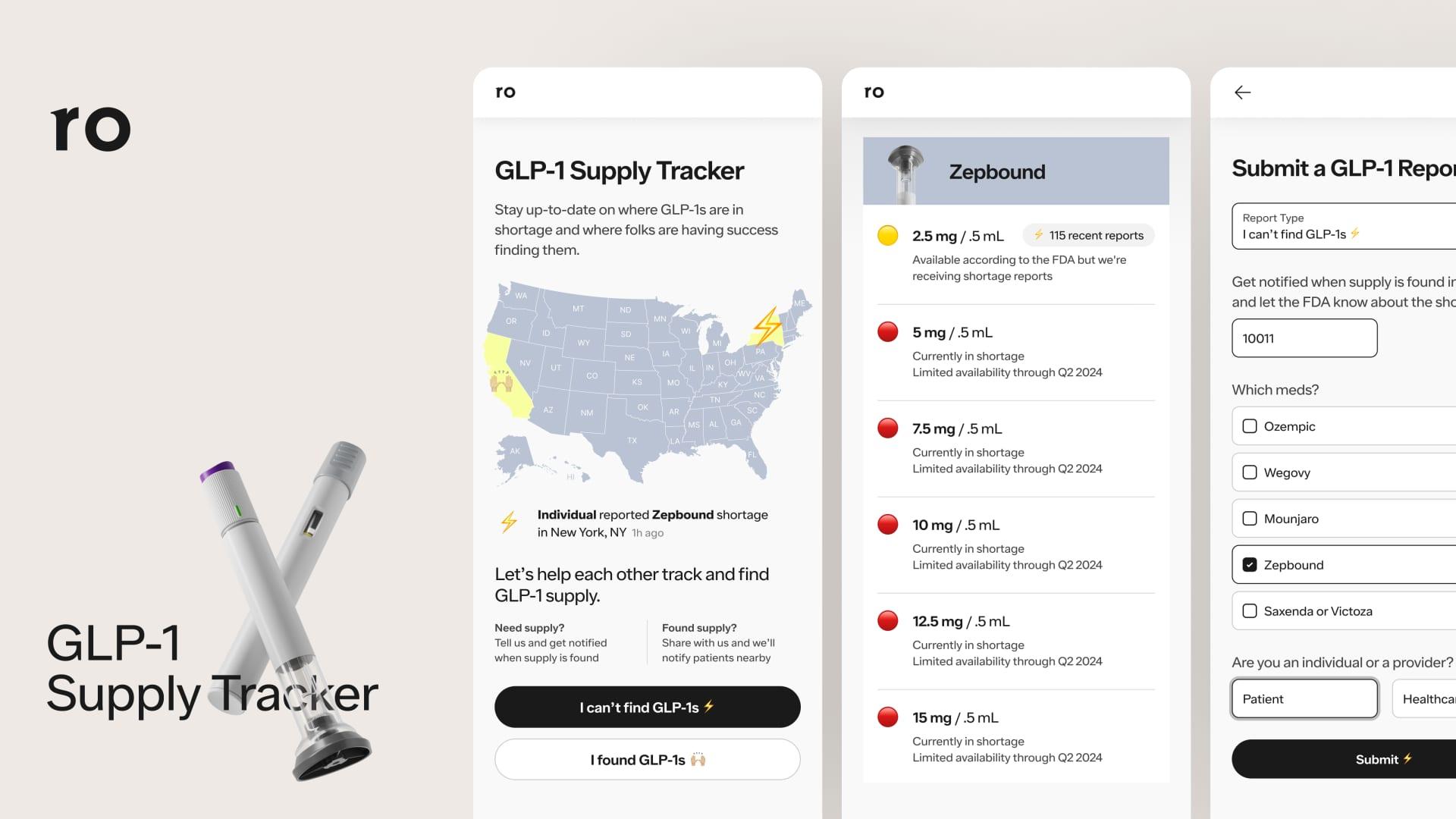
- Weight Loss Market Potential: Eli Lilly's weight loss drugs, Zepbound and oral GLP-1 medication Foundayo, are experiencing rapid sales growth, particularly after Foundayo's approval for chronic weight management, with 80% of prescriptions coming from new GLP-1 users, indicating significant market potential and likely enhancing the company's leadership in this sector.
- Pipeline Diversification Investment: Eli Lilly is investing billions through acquisitions and licensing agreements to diversify its product lineup, particularly in oncology and neuroscience, with the acquisition of Morphic Holdings' MORF-057 oral medication for inflammatory bowel diseases poised to capture a significant market share, thereby reducing reliance on diabetes and obesity drugs.
- Dividend Growth Appeal: Although Eli Lilly's dividend yield is around 0.6%, the company has achieved a remarkable 239% increase in dividends over the past decade, showcasing its potential for healthy dividend growth, which attracts income-seeking investors and enhances its investment appeal.
- Strengthening Market Leadership: Eli Lilly's strong position in the weight loss market, combined with robust pipeline investments and ongoing revenue and earnings growth, positions the company to continue leading the industry over the next decade, making it a focal point for investors.

Eli Lilly Declares Quarterly Dividend of $1.73 per Share
- Quarterly Dividend Announcement: Eli Lilly has declared a quarterly dividend of $1.73 per share, consistent with previous distributions, indicating the company's stable cash flow and profitability, which helps bolster investor confidence.
- Dividend Payment Schedule: The dividend will be payable on September 10, with a record date of August 14 and an ex-dividend date also on August 14, ensuring shareholders receive their returns promptly and reinforcing the relationship between the company and its investors.
- Market Reaction Expectations: Eli Lilly's dividend policy reflects its ongoing growth momentum in the pharmaceutical industry, maintaining stable dividend payouts despite challenges from macro health crises, which may attract more investors seeking reliable income.
- Future Outlook: With Eli Lilly's latest M&A deal in the weight-loss drug sector and its expansion into the Chinese market, the company is expected to drive further performance growth, enhancing its competitiveness in the global pharmaceutical market.

Eli Lilly Declares Q3 2026 Dividend of $1.73
- Dividend Declaration: Eli Lilly's board has declared a Q3 2026 dividend of $1.73 per share, reflecting the company's ongoing profitability and commitment to shareholder returns, which is likely to attract more investor interest.
- Payment Schedule: The dividend will be payable on September 10, 2026, to shareholders of record as of August 14, 2026, ensuring timely returns for investors and enhancing confidence in the company's financial health.
- Company Overview: Eli Lilly is committed to addressing significant health challenges globally through innovations in biotechnology, chemistry, and genetic medicine, showcasing its leadership in the pharmaceutical industry and social responsibility.
- Forward-Looking Statement: While the company expresses optimism regarding future dividend payments, it also cautions investors about the risks and uncertainties inherent in pharmaceutical R&D, emphasizing a prudent approach to capital allocation and business development.

Eli Lilly Declares Q3 2026 Dividend of $1.73
- Dividend Declaration: Eli Lilly's board has declared a third-quarter dividend of $1.73 per share for 2026, payable on September 10, 2026, to shareholders of record as of August 14, 2026, demonstrating the company's ongoing commitment to shareholder returns.
- Shareholder Return Strategy: This dividend payment reflects Lilly's robust performance in profitability and cash flow management, aimed at enhancing investor confidence and attracting more long-term investors to the stock.
- Company Background: With a 150-year history, Eli Lilly is dedicated to advancing medical innovation through biotechnology, chemistry, and genetic medicine, providing life-changing medications that help tens of millions of patients tackle significant health challenges, underscoring its leadership in the pharmaceutical industry.
- Future Outlook: Despite facing uncertainties in drug development and business activities, Lilly remains committed to improving global health through innovative clinical trials and ensuring drug accessibility, showcasing its confidence in future growth opportunities.

NeOnc Secures Abu Dhabi IND Authorization for NEO212

- International Regulatory Progress: NeOnc Technologies has secured IND authorization in Abu Dhabi for its NEO212 therapy, marking a significant regulatory advancement in international markets, although it still requires further clinical studies and safety evaluations by the FDA, this progress provides an additional pathway for clinical development and may expedite future FDA discussions.
- Industry Trend Reflection: This authorization reflects a trend among biotechnology companies to pursue regulatory opportunities across multiple jurisdictions, similar to Eli Lilly's Jaypirca and Biogen's Leqembi, which have leveraged international regulatory progress to achieve expedited FDA reviews and market expansion.
- Market Potential Demonstration: While NEO212 is still in the investigational stage, its international regulatory milestone may offer NeOnc additional validation and clinical development opportunities, akin to Skyclarys' success in the rare disease space, demonstrating that therapies targeting specific diseases can still achieve substantial commercial value.
- Future Challenges Remain: Despite the authorization, NEO212 faces significant clinical, regulatory, and commercialization challenges ahead, as many therapies that receive early regulatory support ultimately fail to secure approval, thus NeOnc must continue to demonstrate meaningful benefits of its therapy for patients to ensure future success.
Eli Lilly's $25 Billion Acquisition Spree in 2026
- Massive Acquisition Scale: Eli Lilly has announced over $25 billion in acquisitions in 2026, covering areas such as sleep medicine, blood cancers, cell therapy, and vaccines, indicating a strategic diversification beyond metabolic medicine.
- New Oncology Platform: By acquiring Kelonia Therapeutics, Lilly deepens its position in oncology cell therapy, with an upfront payment of $3.3 billion and potential milestone payments of up to $7 billion, which could drive future growth.
- Expansion in Blood Cancer: The acquisition of Ajax Therapeutics will provide Lilly with a JAK2 inhibitor for bone marrow cancer, with a total deal value of up to $2.3 billion, enhancing its technological and data capabilities in blood cancer treatment.
- Breakthrough in Sleep Medicine: The $6.3 billion acquisition of Centessa Pharmaceuticals grants Lilly access to advanced clinical assets for treating narcolepsy, marking a significant advancement in sleep medicine and expected to substantially enhance the company's product portfolio.
Eli Lilly Continues Growth, Surpasses $1 Trillion Market Value
- Weight Loss Market Potential: Eli Lilly's weight loss drugs, Zepbound and oral GLP-1 medication Foundayo, are experiencing rapid sales growth, particularly after Foundayo's approval for chronic weight management, with 80% of prescriptions coming from new GLP-1 users, indicating significant market potential and likely enhancing the company's leadership in this sector.
- Pipeline Diversification Investment: Eli Lilly is investing billions through acquisitions and licensing agreements to diversify its product lineup, particularly in oncology and neuroscience, with the acquisition of Morphic Holdings' MORF-057 oral medication for inflammatory bowel diseases poised to capture a significant market share, thereby reducing reliance on diabetes and obesity drugs.
- Dividend Growth Appeal: Although Eli Lilly's dividend yield is around 0.6%, the company has achieved a remarkable 239% increase in dividends over the past decade, showcasing its potential for healthy dividend growth, which attracts income-seeking investors and enhances its investment appeal.
- Strengthening Market Leadership: Eli Lilly's strong position in the weight loss market, combined with robust pipeline investments and ongoing revenue and earnings growth, positions the company to continue leading the industry over the next decade, making it a focal point for investors.
Eli Lilly Declares Quarterly Dividend of $1.73 per Share
- Quarterly Dividend Announcement: Eli Lilly has declared a quarterly dividend of $1.73 per share, consistent with previous distributions, indicating the company's stable cash flow and profitability, which helps bolster investor confidence.
- Dividend Payment Schedule: The dividend will be payable on September 10, with a record date of August 14 and an ex-dividend date also on August 14, ensuring shareholders receive their returns promptly and reinforcing the relationship between the company and its investors.
- Market Reaction Expectations: Eli Lilly's dividend policy reflects its ongoing growth momentum in the pharmaceutical industry, maintaining stable dividend payouts despite challenges from macro health crises, which may attract more investors seeking reliable income.
- Future Outlook: With Eli Lilly's latest M&A deal in the weight-loss drug sector and its expansion into the Chinese market, the company is expected to drive further performance growth, enhancing its competitiveness in the global pharmaceutical market.
Eli Lilly Declares Q3 2026 Dividend of $1.73
- Dividend Declaration: Eli Lilly's board has declared a Q3 2026 dividend of $1.73 per share, reflecting the company's ongoing profitability and commitment to shareholder returns, which is likely to attract more investor interest.
- Payment Schedule: The dividend will be payable on September 10, 2026, to shareholders of record as of August 14, 2026, ensuring timely returns for investors and enhancing confidence in the company's financial health.
- Company Overview: Eli Lilly is committed to addressing significant health challenges globally through innovations in biotechnology, chemistry, and genetic medicine, showcasing its leadership in the pharmaceutical industry and social responsibility.
- Forward-Looking Statement: While the company expresses optimism regarding future dividend payments, it also cautions investors about the risks and uncertainties inherent in pharmaceutical R&D, emphasizing a prudent approach to capital allocation and business development.
Eli Lilly Declares Q3 2026 Dividend of $1.73
- Dividend Declaration: Eli Lilly's board has declared a third-quarter dividend of $1.73 per share for 2026, payable on September 10, 2026, to shareholders of record as of August 14, 2026, demonstrating the company's ongoing commitment to shareholder returns.
- Shareholder Return Strategy: This dividend payment reflects Lilly's robust performance in profitability and cash flow management, aimed at enhancing investor confidence and attracting more long-term investors to the stock.
- Company Background: With a 150-year history, Eli Lilly is dedicated to advancing medical innovation through biotechnology, chemistry, and genetic medicine, providing life-changing medications that help tens of millions of patients tackle significant health challenges, underscoring its leadership in the pharmaceutical industry.
- Future Outlook: Despite facing uncertainties in drug development and business activities, Lilly remains committed to improving global health through innovative clinical trials and ensuring drug accessibility, showcasing its confidence in future growth opportunities.
NeOnc Secures Abu Dhabi IND Authorization for NEO212
- International Regulatory Progress: NeOnc Technologies has secured IND authorization in Abu Dhabi for its NEO212 therapy, marking a significant regulatory advancement in international markets, although it still requires further clinical studies and safety evaluations by the FDA, this progress provides an additional pathway for clinical development and may expedite future FDA discussions.
- Industry Trend Reflection: This authorization reflects a trend among biotechnology companies to pursue regulatory opportunities across multiple jurisdictions, similar to Eli Lilly's Jaypirca and Biogen's Leqembi, which have leveraged international regulatory progress to achieve expedited FDA reviews and market expansion.
- Market Potential Demonstration: While NEO212 is still in the investigational stage, its international regulatory milestone may offer NeOnc additional validation and clinical development opportunities, akin to Skyclarys' success in the rare disease space, demonstrating that therapies targeting specific diseases can still achieve substantial commercial value.
- Future Challenges Remain: Despite the authorization, NEO212 faces significant clinical, regulatory, and commercialization challenges ahead, as many therapies that receive early regulatory support ultimately fail to secure approval, thus NeOnc must continue to demonstrate meaningful benefits of its therapy for patients to ensure future success.