

Analysts Predict FNDX Will Reach $29

ETF Performance Analysis: The Schwab Fundamental U.S. Large Company Index ETF (FNDX) has an implied analyst target price of $29.42, indicating a potential upside of 9.66% from its current trading price of $26.83.
Notable Holdings: Key underlying holdings of FNDX with significant upside potential include Liberty Latin America Ltd (LILAK), Halliburton Company (HAL), and Northrop Grumman Corp (NOC), each showing expected price increases based on analyst targets.
Analyst Target Justification: The article raises questions about whether analysts' target prices are justified or overly optimistic, suggesting that high targets could lead to downgrades if they do not align with recent developments.
Investor Research Importance: Investors are encouraged to conduct further research to assess the validity of analyst targets and their implications for future stock performance.
Trade with 70% Backtested Accuracy
Analyst Views on NOC

About NOC
About the author


Trump and Putin Discuss Ukraine War Ahead of NATO Summit

- Call Overview: Trump and Putin discussed the Ukraine war, the Iran conflict, and the upcoming NATO summit during an 85-minute phone call, indicating a willingness for dialogue on critical international issues.
- Ukraine Situation: Trump reiterated his desire for a swift end to the war, while Putin emphasized the importance of a political and diplomatic resolution, highlighting the ongoing differences in their positions on Ukraine.
- NATO Summit Preparations: The leaders addressed the NATO summit scheduled for July 7-8 in Ankara, with U.S. envoys continuing to facilitate negotiations, demonstrating America's active involvement in NATO affairs.
- Escalating Military Dynamics: Prior to the call, Russia claimed to have captured the strategic city of Kostiantynivka in eastern Ukraine, a claim denied by Ukraine, indicating that military tensions between the two nations are intensifying.
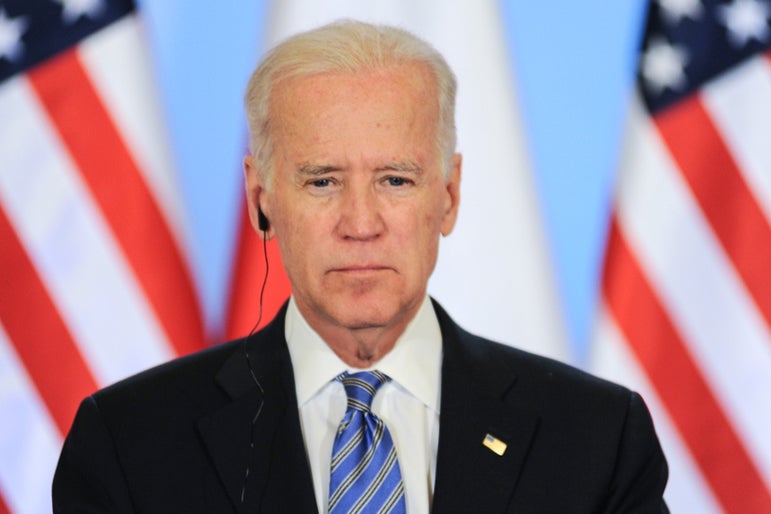
Trump Celebrates Independence Day at Mount Rushmore, Rallying Support Ahead of Midterms

- Political Mobilization: Trump's Independence Day speech at Mount Rushmore emphasized the significance of America's founding leaders and called on citizens to celebrate the nation's history, aiming to bolster Republican support ahead of the upcoming midterm elections.
- Legislative Push: He urged Congress to pass the Save America Act, a Republican-backed voting bill that has stalled, indicating its critical importance for the midterms and reflecting his focus on electoral strategy.
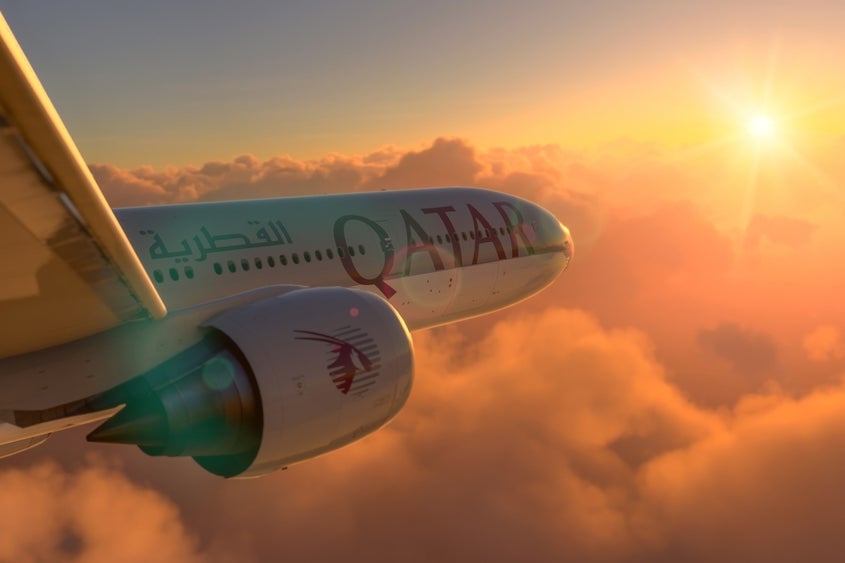
- New Air Force One Arrival: Trump arrived in South Dakota aboard the new Air Force One donated by Qatar, which flew over Mount Rushmore, showcasing his executive power and the importance of national symbols.
- Fireworks Celebration: The event concluded with the first fireworks display at the national memorial in six years, despite drought and wildfire risks, demonstrating the Trump administration's determination and influence in holiday celebrations.

Corporate Sponsorship Behind Trump's Freedom 250 Celebrations

- Corporate Sponsorship Phenomenon: A CNBC analysis reveals that 14 companies, including Boeing, Deloitte, and United Airlines, are backing both America250 and Freedom 250, indicating a complex intersection of corporate interests and politics that may influence their dealings with the government.
- Funding Transparency Issues: The sponsorship structure of Freedom 250 has been criticized for its opacity, allowing donors to gain access to Trump through contributions as high as $10 million, raising concerns about corporations seeking political influence.
- Celebration Participation Status: Despite Congress allocating $150 million for the 250th anniversary, America250 has only received $25 million, while Freedom 250 has secured nearly $80 million in funding, highlighting the financial advantage of Trump-aligned events.
- Event Organization Challenges: The Great American State Fair has faced poor participation, with at least eight states declining to join due to exhibit costs and partisan concerns, resulting in sparse crowds and equipment failures during the event.
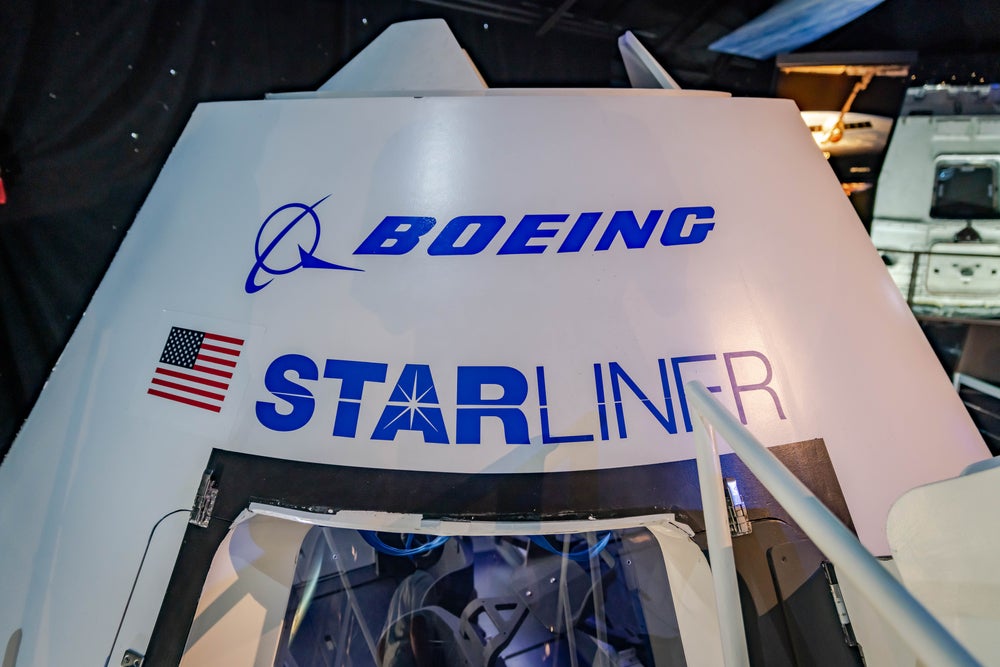
Corporate Sponsorship of Freedom 250 Raises Concerns


- Corporate Sponsorship: Major companies like Boeing, Lockheed Martin, and Oracle are sponsoring Freedom 250, and while no direct evidence links these sponsorships to government dealings, watchdogs warn this could create new avenues for corporate influence in Washington.
- Opaque Funding Structure: Freedom 250's fundraising materials indicate that donors contributing over $500,000 gain VIP access to Trump, raising ethical concerns about the transparency of funding and potential impacts on government decision-making.
- Celebration Participation: Despite Congress allocating $150 million for the 250th anniversary, Freedom 250 has secured nearly $80 million in related grants, while America250 has only received $25 million, indicating a preference among companies for Trump's version of the celebration.
- Event Issues: The Great American State Fair, a centerpiece of Freedom 250, has faced reduced state participation, sparse crowds, and technical failures, with some artists withdrawing due to concerns over the partisan nature of the event, highlighting organizational challenges.
US Chamber of Commerce Opposes NPREMIUM Amendment
- Lobbying Efforts: Industry groups led by the US Chamber of Commerce are actively lobbying against the proposed amendment to NPREMIUM, aiming to protect business interests and maintain market stability.
- Policy Impact Assessment: The amendment could significantly impact the industry, with the Chamber arguing that its implementation would increase operational costs for businesses, thereby affecting overall economic vitality.
- Defense of Business Interests: By opposing this amendment, the Chamber seeks to ensure that the voices of businesses are heard in the policymaking process, safeguarding the interests and competitiveness of its members.
- Future Outlook: The lobbying activities of industry groups indicate a heightened sensitivity to policy changes within the business community, which may influence the legislative process and direction regarding related laws.

Northrop Grumman Secures $312.34M Contract Modification for SEWIP Systems
- Contract Modification Amount: Northrop Grumman's unit received a $312.34 million contract modification to execute the production of the Surface Electronic Warfare Improvement Program (SEWIP) Block 3 Hemisphere and Quadrant systems, indicating ongoing investment and demand in the defense sector.
- Project Completion Timeline: The work is expected to be completed by August 2029, reflecting the company's commitment to long-term defense projects and the U.S. Navy's emphasis on electronic warfare systems.
- Funding Source: The U.S. Navy obligated the full $312.34 million from FY2026 shipbuilding and construction funds at the time of the award, ensuring financial backing for the project and mitigating the risk of fund expiration at the end of the fiscal year.
- Contracting Authority: The Naval Sea Systems Command is managing this contract, highlighting the close collaboration between Northrop Grumman and the U.S. Navy, which enhances the company's position in the defense contracting market.
Trump and Putin Discuss Ukraine War Ahead of NATO Summit
- Call Overview: Trump and Putin discussed the Ukraine war, the Iran conflict, and the upcoming NATO summit during an 85-minute phone call, indicating a willingness for dialogue on critical international issues.
- Ukraine Situation: Trump reiterated his desire for a swift end to the war, while Putin emphasized the importance of a political and diplomatic resolution, highlighting the ongoing differences in their positions on Ukraine.
- NATO Summit Preparations: The leaders addressed the NATO summit scheduled for July 7-8 in Ankara, with U.S. envoys continuing to facilitate negotiations, demonstrating America's active involvement in NATO affairs.
- Escalating Military Dynamics: Prior to the call, Russia claimed to have captured the strategic city of Kostiantynivka in eastern Ukraine, a claim denied by Ukraine, indicating that military tensions between the two nations are intensifying.
Trump Celebrates Independence Day at Mount Rushmore, Rallying Support Ahead of Midterms
- Political Mobilization: Trump's Independence Day speech at Mount Rushmore emphasized the significance of America's founding leaders and called on citizens to celebrate the nation's history, aiming to bolster Republican support ahead of the upcoming midterm elections.
- Legislative Push: He urged Congress to pass the Save America Act, a Republican-backed voting bill that has stalled, indicating its critical importance for the midterms and reflecting his focus on electoral strategy.
- New Air Force One Arrival: Trump arrived in South Dakota aboard the new Air Force One donated by Qatar, which flew over Mount Rushmore, showcasing his executive power and the importance of national symbols.
- Fireworks Celebration: The event concluded with the first fireworks display at the national memorial in six years, despite drought and wildfire risks, demonstrating the Trump administration's determination and influence in holiday celebrations.
Corporate Sponsorship Behind Trump's Freedom 250 Celebrations
- Corporate Sponsorship Phenomenon: A CNBC analysis reveals that 14 companies, including Boeing, Deloitte, and United Airlines, are backing both America250 and Freedom 250, indicating a complex intersection of corporate interests and politics that may influence their dealings with the government.
- Funding Transparency Issues: The sponsorship structure of Freedom 250 has been criticized for its opacity, allowing donors to gain access to Trump through contributions as high as $10 million, raising concerns about corporations seeking political influence.
- Celebration Participation Status: Despite Congress allocating $150 million for the 250th anniversary, America250 has only received $25 million, while Freedom 250 has secured nearly $80 million in funding, highlighting the financial advantage of Trump-aligned events.
- Event Organization Challenges: The Great American State Fair has faced poor participation, with at least eight states declining to join due to exhibit costs and partisan concerns, resulting in sparse crowds and equipment failures during the event.
Corporate Sponsorship of Freedom 250 Raises Concerns
- Corporate Sponsorship: Major companies like Boeing, Lockheed Martin, and Oracle are sponsoring Freedom 250, and while no direct evidence links these sponsorships to government dealings, watchdogs warn this could create new avenues for corporate influence in Washington.
- Opaque Funding Structure: Freedom 250's fundraising materials indicate that donors contributing over $500,000 gain VIP access to Trump, raising ethical concerns about the transparency of funding and potential impacts on government decision-making.
- Celebration Participation: Despite Congress allocating $150 million for the 250th anniversary, Freedom 250 has secured nearly $80 million in related grants, while America250 has only received $25 million, indicating a preference among companies for Trump's version of the celebration.
- Event Issues: The Great American State Fair, a centerpiece of Freedom 250, has faced reduced state participation, sparse crowds, and technical failures, with some artists withdrawing due to concerns over the partisan nature of the event, highlighting organizational challenges.
US Chamber of Commerce Opposes NPREMIUM Amendment
- Lobbying Efforts: Industry groups led by the US Chamber of Commerce are actively lobbying against the proposed amendment to NPREMIUM, aiming to protect business interests and maintain market stability.
- Policy Impact Assessment: The amendment could significantly impact the industry, with the Chamber arguing that its implementation would increase operational costs for businesses, thereby affecting overall economic vitality.
- Defense of Business Interests: By opposing this amendment, the Chamber seeks to ensure that the voices of businesses are heard in the policymaking process, safeguarding the interests and competitiveness of its members.
- Future Outlook: The lobbying activities of industry groups indicate a heightened sensitivity to policy changes within the business community, which may influence the legislative process and direction regarding related laws.
Northrop Grumman Secures $312.34M Contract Modification for SEWIP Systems
- Contract Modification Amount: Northrop Grumman's unit received a $312.34 million contract modification to execute the production of the Surface Electronic Warfare Improvement Program (SEWIP) Block 3 Hemisphere and Quadrant systems, indicating ongoing investment and demand in the defense sector.
- Project Completion Timeline: The work is expected to be completed by August 2029, reflecting the company's commitment to long-term defense projects and the U.S. Navy's emphasis on electronic warfare systems.
- Funding Source: The U.S. Navy obligated the full $312.34 million from FY2026 shipbuilding and construction funds at the time of the award, ensuring financial backing for the project and mitigating the risk of fund expiration at the end of the fiscal year.
- Contracting Authority: The Naval Sea Systems Command is managing this contract, highlighting the close collaboration between Northrop Grumman and the U.S. Navy, which enhances the company's position in the defense contracting market.





