Amazon Autos Rapidly Expands into Marketplace
Written by Emily J. Thompson, Senior Investment Analyst
Updated: Apr 16 2026
0mins


Source: NASDAQ.COM
- Market Expansion Plan: Amazon Autos is rapidly transitioning from a pilot program to a broad vehicle marketplace, with online car buying expected to triple by the end of this decade, indicating significant market potential and strategic value.
- Collaboration with Dealers: Rather than taking a cut from transactions, Amazon collaborates with dealerships to enhance their online presence and shorten sales cycles, thereby improving overall operational efficiency and strengthening dealers' competitive positions.
- Threat to Competitors: Amazon's entry poses a serious threat to vehicle listing and lead-generation companies like Cars.com and CarGurus, although it has yet to fully replicate Carvana's nationwide inventory and distribution capabilities.
- Shifts in Consumer Behavior: As consumers increasingly prefer online car buying, Amazon's model may transform traditional purchasing processes, with dealerships still controlling transactions and pricing, but Amazon's extensive reach will position it significantly in future markets.
Trade with 70% Backtested Accuracy
Stop guessing "Should I Buy AMZN?" and start using high-conviction signals backed by rigorous historical data.
Sign up today to access powerful investing tools and make smarter, data-driven decisions.
Analyst Views on AMZN
Wall Street analysts forecast AMZN stock price to rise
44 Analyst Rating
41 Buy
3 Hold
0 Sell
Strong Buy
Current: 244.390

Low
175.00
Averages
280.01
High
325.00
Current: 244.390
Low
175.00
Averages
280.01
High
325.00
About AMZN
Amazon.com, Inc. provides a range of products and services to customers. The products offered through its stores include merchandise and content it has purchased for resale and products offered by third-party sellers. The Company’s segments include North America, International and Amazon Web Services (AWS). It serves consumers through its online and physical stores and focuses on selection, price, and convenience. Customers access its offerings through its websites, mobile apps, Alexa, devices, streaming, and physically visiting its stores. It also manufactures and sells electronic devices, including Kindle, Fire tablet, Fire TV, Echo, Ring, Blink, and eero, and develops and produces media content. It serves developers and enterprises of all sizes, including start-ups, government agencies, and academic institutions, through AWS, which offers a set of on-demand technology services, including compute, storage, database, analytics, and machine learning, and other services.
About the author

Emily J. Thompson
Emily J. Thompson, a Chartered Financial Analyst (CFA) with 12 years in investment research, graduated with honors from the Wharton School. Specializing in industrial and technology stocks, she provides in-depth analysis for Intellectia’s earnings and market brief reports.

SpaceX Valuation Analysis and Market Risks

- Opportunity Assessment: SpaceX's current valuation hinges on its broadband and mobile connectivity business through Starlink, the reusable Starship rocket system, and AI infrastructure, which are expected to drive future growth for the company.
- Financial Performance Overview: In fiscal 2025, SpaceX generated $18.67 billion in revenue but reported a net loss of $4.94 billion, indicating that despite substantial revenue, profitability remains a challenge, making market pricing on future potential critical.
- Competitive Market Pressure: With Amazon's Leo satellite internet network gaining traction, SpaceX faces intensified competition, particularly in expanding mobile connectivity and enterprise markets, which could impact its market share and pricing power.
- Technical and Regulatory Risks: Delays in Starship and challenges to NASA's moon landing plans could undermine SpaceX's valuation foundation, while the progress of spectrum approvals will directly affect Starlink's market expansion capabilities.
See More

Long-Term Returns from Buffett's Investment Advice


- Buffett's Investment Achievements: Warren Buffett's tenure as CEO of Berkshire Hathaway from 1965 to 2025 saw the company grow into a $1 trillion conglomerate, delivering a compound annual return of 19.7%, meaning a $1,000 investment in 1965 would have grown to $48.4 million by 2025, showcasing his exceptional investment acumen and market insight.
- ETF Investment Recommendation: Buffett advises investors to buy ETFs that track the S&P 500, such as the Vanguard S&P 500 ETF (VOO), which boasts an extremely low expense ratio of just 0.03% and broad market coverage, helping average investors achieve long-term stable returns, particularly with a 12.9% annual return since his 2014 recommendation.
- Diversification Advantage of S&P 500: The S&P 500 index comprises 500 profitable companies across 11 economic sectors, ensuring a diversified and stable investment portfolio, with the information technology sector alone accounting for 38.6%, including giants like Nvidia and Apple with a combined market cap of $15.4 trillion, enhancing investment security and growth potential.
- Future Investment Opportunities: With the rise of emerging technologies like artificial intelligence, autonomous vehicles, and quantum computing, investing in the Vanguard S&P 500 ETF remains a wise choice, providing investors with high-growth opportunities while achieving solid risk diversification through hundreds of stocks, ensuring competitiveness in future markets.
See More

Buffett's Investment Wisdom and ETF Recommendation
- Buffett's Success Journey: Warren Buffett transformed Berkshire Hathaway into a $1 trillion conglomerate from 1965 to 2025, achieving a compound annual return of 19.7%, meaning a $1,000 investment in 1965 would have grown to an astonishing $48.4 million by the time he stepped down.
- ETF Investment Recommendation: Buffett's recommendation of the Vanguard S&P 500 ETF (VOO) in 2014, praised for its extremely low expense ratio of just 0.03%, would have turned a $10,000 investment into approximately $42,887 today, showcasing its long-term investment potential and value.
- Diversity of S&P 500: The S&P 500 index includes 500 companies with a minimum market cap of $22.7 billion, ensuring high-quality constituents, with the information technology sector holding a 38.6% weighting, and major firms like Nvidia, Apple, and Microsoft collectively valued at $15.4 trillion, enhancing portfolio stability.
- Future Investment Opportunities: With the rise of technologies like artificial intelligence, autonomous vehicles, and quantum computing, the S&P 500 is expected to benefit from these high-growth areas, making investment in the Vanguard S&P 500 ETF a strategic move to capture future market opportunities, with Buffett's advice remaining highly relevant 12 years later.
See More

SpaceX Reaches $2.4 Trillion Market Cap Post-IPO

- Market Valuation Comparison: SpaceX's market cap reached $2.4 trillion post-IPO, briefly surpassing Amazon to become the fifth-largest company in the U.S., but it fell back to sixth, reflecting high market interest and uncertainty about its future potential.
- Financial Performance Discrepancy: Amazon is projected to generate $717 billion in revenue by 2025, compared to SpaceX's $18.7 billion, and while SpaceX is growing faster percentage-wise, the significant size gap diminishes its appeal to investors.
- Profitability Analysis: Amazon reported an operating income of $80 billion last year, whereas SpaceX faced a $2.6 billion operating loss, creating a stark contrast in profitability that makes Amazon a more attractive investment, especially in the current economic climate.
- Market Opportunities and Risks: Although SpaceX is believed to have identified the largest actionable total addressable market in history, its lack of profitability and the uncertainty of achieving its goals increase investment risks, while Amazon's established business model and stable growth prospects position it as a safer investment choice.
See More
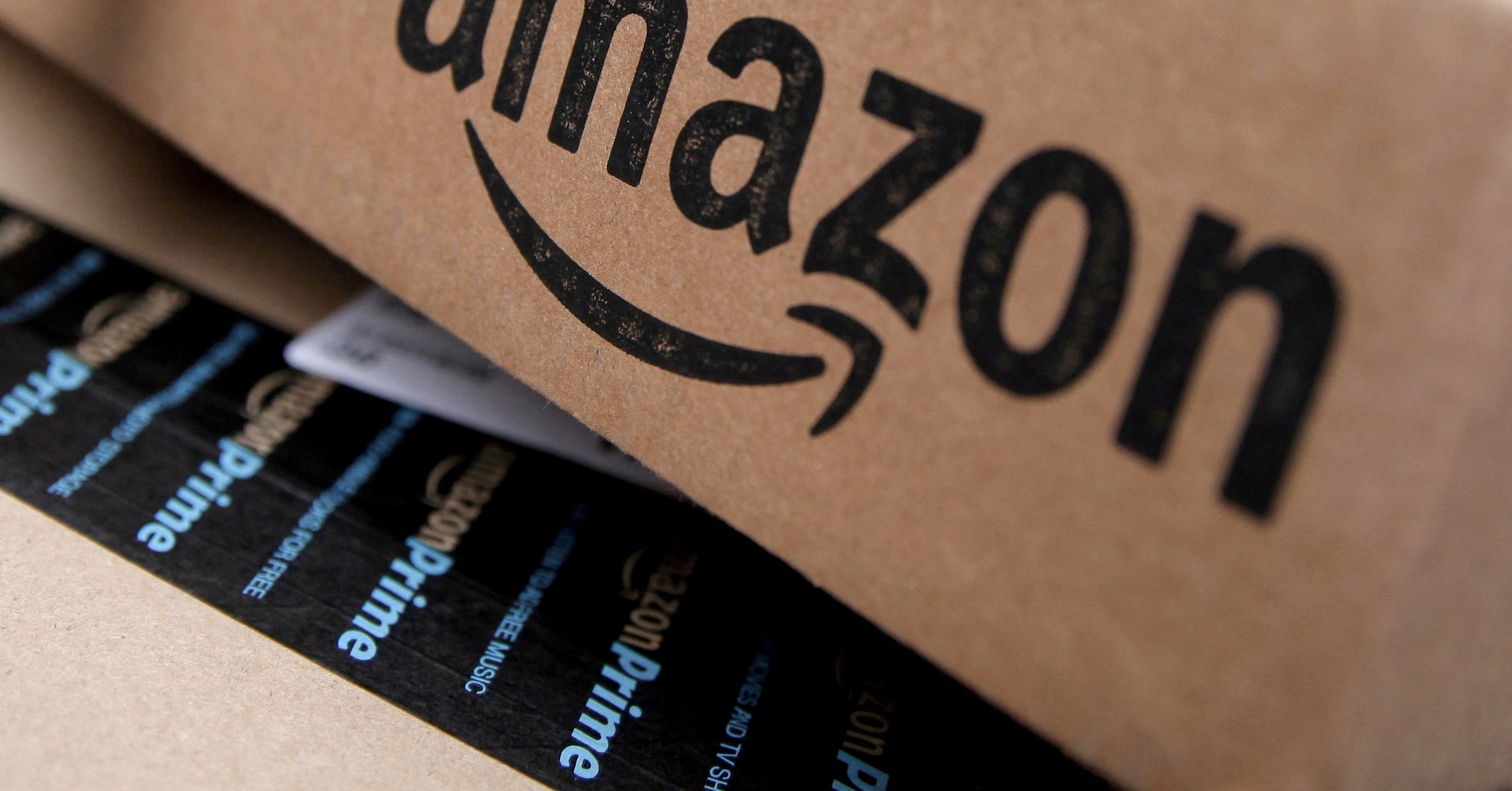
Investment Value Analysis: Amazon vs. SpaceX
- Market Size Comparison: Amazon's projected revenue for 2025 is $717 billion, compared to SpaceX's $18.7 billion, highlighting Amazon's vast market opportunities in e-commerce and cloud computing, which solidifies its industry leadership.
- Profitability Discrepancy: Amazon reported an operating income of $80 billion last year, far exceeding SpaceX's $2.6 billion operating loss, indicating that Amazon's business model is more mature and sustainable, thus presenting a lower investment risk.
- Valuation Level Analysis: Amazon's price-to-sales ratio stands at 3.6, significantly lower than SpaceX's 125, suggesting that Amazon offers a more attractive investment opportunity in the current market environment, potentially leading to higher returns.
- Management Trust Factor: While SpaceX's management claims to have identified a massive market potential, its CEO holds 85% of the voting rights, prompting investors to carefully assess its long-term profitability and risks, whereas Amazon earns trust through its consistent shareholder value creation.
See More
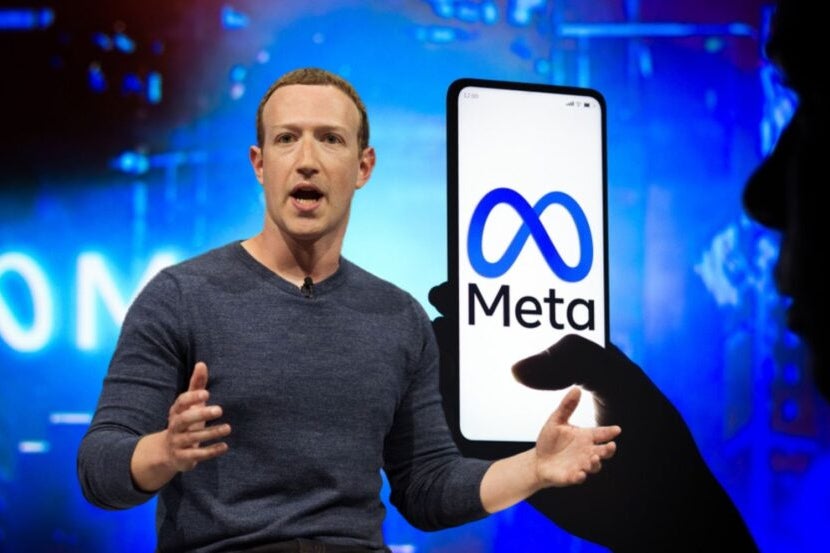
SpaceX Stock Drops 16% Amid Tech Sell-Off

- Stock Decline: SpaceX's stock plummeted 16% on Monday, marking three consecutive days of losses, which has led many investors to see nearly all their gains evaporate since its debut, reflecting negative sentiment in the tech sector.
- Market Reaction: The Nasdaq Composite fell by 1.32%, indicating a loss of confidence among investors in the 'Magnificent Seven' companies, particularly with Amazon and Meta seeing declines of nearly 5% and 2%, respectively.
- Investor Sentiment: Alphabet's shares dropped 5% due to concerns over executive departures, marking its worst daily performance in over a year, which further exacerbates market unease.
- Asia-Pacific Impact: Following the trends in the U.S. market, Asia-Pacific stocks fell broadly, with South Korea's KOSPI index down over 8%, triggering circuit breakers, illustrating widespread concerns about tech stocks globally.
See More
SpaceX Valuation Analysis and Market Risks
- Opportunity Assessment: SpaceX's current valuation hinges on its broadband and mobile connectivity business through Starlink, the reusable Starship rocket system, and AI infrastructure, which are expected to drive future growth for the company.
- Financial Performance Overview: In fiscal 2025, SpaceX generated $18.67 billion in revenue but reported a net loss of $4.94 billion, indicating that despite substantial revenue, profitability remains a challenge, making market pricing on future potential critical.
- Competitive Market Pressure: With Amazon's Leo satellite internet network gaining traction, SpaceX faces intensified competition, particularly in expanding mobile connectivity and enterprise markets, which could impact its market share and pricing power.
- Technical and Regulatory Risks: Delays in Starship and challenges to NASA's moon landing plans could undermine SpaceX's valuation foundation, while the progress of spectrum approvals will directly affect Starlink's market expansion capabilities.
See More
Long-Term Returns from Buffett's Investment Advice
- Buffett's Investment Achievements: Warren Buffett's tenure as CEO of Berkshire Hathaway from 1965 to 2025 saw the company grow into a $1 trillion conglomerate, delivering a compound annual return of 19.7%, meaning a $1,000 investment in 1965 would have grown to $48.4 million by 2025, showcasing his exceptional investment acumen and market insight.
- ETF Investment Recommendation: Buffett advises investors to buy ETFs that track the S&P 500, such as the Vanguard S&P 500 ETF (VOO), which boasts an extremely low expense ratio of just 0.03% and broad market coverage, helping average investors achieve long-term stable returns, particularly with a 12.9% annual return since his 2014 recommendation.
- Diversification Advantage of S&P 500: The S&P 500 index comprises 500 profitable companies across 11 economic sectors, ensuring a diversified and stable investment portfolio, with the information technology sector alone accounting for 38.6%, including giants like Nvidia and Apple with a combined market cap of $15.4 trillion, enhancing investment security and growth potential.
- Future Investment Opportunities: With the rise of emerging technologies like artificial intelligence, autonomous vehicles, and quantum computing, investing in the Vanguard S&P 500 ETF remains a wise choice, providing investors with high-growth opportunities while achieving solid risk diversification through hundreds of stocks, ensuring competitiveness in future markets.
See More
Buffett's Investment Wisdom and ETF Recommendation
- Buffett's Success Journey: Warren Buffett transformed Berkshire Hathaway into a $1 trillion conglomerate from 1965 to 2025, achieving a compound annual return of 19.7%, meaning a $1,000 investment in 1965 would have grown to an astonishing $48.4 million by the time he stepped down.
- ETF Investment Recommendation: Buffett's recommendation of the Vanguard S&P 500 ETF (VOO) in 2014, praised for its extremely low expense ratio of just 0.03%, would have turned a $10,000 investment into approximately $42,887 today, showcasing its long-term investment potential and value.
- Diversity of S&P 500: The S&P 500 index includes 500 companies with a minimum market cap of $22.7 billion, ensuring high-quality constituents, with the information technology sector holding a 38.6% weighting, and major firms like Nvidia, Apple, and Microsoft collectively valued at $15.4 trillion, enhancing portfolio stability.
- Future Investment Opportunities: With the rise of technologies like artificial intelligence, autonomous vehicles, and quantum computing, the S&P 500 is expected to benefit from these high-growth areas, making investment in the Vanguard S&P 500 ETF a strategic move to capture future market opportunities, with Buffett's advice remaining highly relevant 12 years later.
See More
SpaceX Reaches $2.4 Trillion Market Cap Post-IPO
- Market Valuation Comparison: SpaceX's market cap reached $2.4 trillion post-IPO, briefly surpassing Amazon to become the fifth-largest company in the U.S., but it fell back to sixth, reflecting high market interest and uncertainty about its future potential.
- Financial Performance Discrepancy: Amazon is projected to generate $717 billion in revenue by 2025, compared to SpaceX's $18.7 billion, and while SpaceX is growing faster percentage-wise, the significant size gap diminishes its appeal to investors.
- Profitability Analysis: Amazon reported an operating income of $80 billion last year, whereas SpaceX faced a $2.6 billion operating loss, creating a stark contrast in profitability that makes Amazon a more attractive investment, especially in the current economic climate.
- Market Opportunities and Risks: Although SpaceX is believed to have identified the largest actionable total addressable market in history, its lack of profitability and the uncertainty of achieving its goals increase investment risks, while Amazon's established business model and stable growth prospects position it as a safer investment choice.
See More
Investment Value Analysis: Amazon vs. SpaceX
- Market Size Comparison: Amazon's projected revenue for 2025 is $717 billion, compared to SpaceX's $18.7 billion, highlighting Amazon's vast market opportunities in e-commerce and cloud computing, which solidifies its industry leadership.
- Profitability Discrepancy: Amazon reported an operating income of $80 billion last year, far exceeding SpaceX's $2.6 billion operating loss, indicating that Amazon's business model is more mature and sustainable, thus presenting a lower investment risk.
- Valuation Level Analysis: Amazon's price-to-sales ratio stands at 3.6, significantly lower than SpaceX's 125, suggesting that Amazon offers a more attractive investment opportunity in the current market environment, potentially leading to higher returns.
- Management Trust Factor: While SpaceX's management claims to have identified a massive market potential, its CEO holds 85% of the voting rights, prompting investors to carefully assess its long-term profitability and risks, whereas Amazon earns trust through its consistent shareholder value creation.
See More
SpaceX Stock Drops 16% Amid Tech Sell-Off
- Stock Decline: SpaceX's stock plummeted 16% on Monday, marking three consecutive days of losses, which has led many investors to see nearly all their gains evaporate since its debut, reflecting negative sentiment in the tech sector.
- Market Reaction: The Nasdaq Composite fell by 1.32%, indicating a loss of confidence among investors in the 'Magnificent Seven' companies, particularly with Amazon and Meta seeing declines of nearly 5% and 2%, respectively.
- Investor Sentiment: Alphabet's shares dropped 5% due to concerns over executive departures, marking its worst daily performance in over a year, which further exacerbates market unease.
- Asia-Pacific Impact: Following the trends in the U.S. market, Asia-Pacific stocks fell broadly, with South Korea's KOSPI index down over 8%, triggering circuit breakers, illustrating widespread concerns about tech stocks globally.
See More