Allbirds Issues Q1 Guidance, Anticipates $22.3M Revenue and $19.6M Loss
Written by Emily J. Thompson, Senior Investment Analyst
Updated: Apr 21 2026
0mins
Source: seekingalpha
- Guidance Update: Allbirds anticipates Q1 net revenue of $22.3 million and adjusted EBITDA of $16.1 million, while projecting a net loss of $19.6 million, plus or minus $3 million, indicating ongoing financial challenges during its transformation.
- AI Infrastructure Pivot: The company announced a shift to becoming an AI infrastructure provider, addressing the market's demand for high-performance computing, which may impact its traditional business model in the short term but opens new avenues for future growth.
- IP Sale: Allbirds recently sold its shoe technology IP for $39 million, a move that not only provides funding for its transformation but also demonstrates its commitment to strategic adjustments in new business areas.
- Stock Price Movement: Following the AI pivot announcement, Allbirds' shares rose 3.5% in premarket trading, and although still below the 2026 high of $24.31, the stock has more than doubled since the announcement, reflecting positive market sentiment towards its new strategy.
Trade with 70% Backtested Accuracy
Stop guessing "Should I Buy BIRD?" and start using high-conviction signals backed by rigorous historical data.
Sign up today to access powerful investing tools and make smarter, data-driven decisions.
Analyst Views on BIRD
About BIRD
Smartbird, Inc., formerly Allbirds, Inc., is an artificial intelligence (AI) infrastructure provider. The Company delivers AI infrastructure as a service, giving organizations the performance, control, and security of a private AI cluster without requiring them to finance, operate, or maintain the underlying infrastructure. It manages the entire life cycle, from procurement and deployment to operations and hardware refreshes, so customers can focus on AI workloads, not AI infrastructure. The Company designs, deploys, and manages AI environments tailored to each customer's needs.
About the author

Emily J. Thompson
Emily J. Thompson, a Chartered Financial Analyst (CFA) with 12 years in investment research, graduated with honors from the Wharton School. Specializing in industrial and technology stocks, she provides in-depth analysis for Intellectia’s earnings and market brief reports.

U.S.-Iran Peace Talks Cancelled Amidst Uncertainty


- Talks Cancelled: The Swiss Foreign Ministry announced the cancellation of U.S.-Iran peace talks originally scheduled for June 17 in Bürgenstock, as Vice President JD Vance's absence diminishes confidence in future negotiations, heightening geopolitical risks.
- Market Reaction: Although stock markets are near record highs, increased uncertainty has led to cautious investor sentiment, with expectations of volatility during the U.S. market closure potentially impacting short-term trading strategies.
- Oil Price Stabilization: Crude prices have steadied after sharp declines, with signs of recovery in shipping through the Strait of Hormuz; OPEC's Secretary General emphasized focusing on fundamentals, countering concerns of a supply glut, which reflects market confidence in supply-demand balance.
- Yen Depreciation: The yen has fallen to a 40-year low, prompting Japan's Finance Minister to indicate readiness for decisive action against speculative moves in the foreign exchange market, which may trigger a reassessment of Japan's monetary policy.
See More

Federal Reserve Holds Rates Steady, Market Reaction Muted

- Fed Rate Decision: The Federal Reserve decided to keep its benchmark interest rate steady at 3.5%-3.75% during its latest meeting, with new chairman Kevin Warsh's first statement being notably shorter and lacking forward guidance, indicating a potentially cautious policy approach moving forward.
- Middle East Peace Agreement: President Trump and Iranian President signed a 14-point memorandum of understanding aimed at fostering a lasting peace, including plans to reopen the Strait of Hormuz toll-free for 60 days, which could significantly impact global energy market stability.
- JetBlue Strategic Shift: JetBlue announced plans to reduce its footprint in New York City by closing tech operations at Newark and LaGuardia airports and ceasing seasonal flights to Los Angeles and Las Vegas, reallocating resources to its expansion in Florida, reflecting a flexible response to market demand.
- Intel-Apple Partnership: Intel shares rose 9% after Trump announced a new partnership with Apple to design and manufacture chips in the U.S., marking a significant recovery for Intel following years of decline and restoring market confidence in the chipmaker.
See More
Federal Reserve's New Chair Kevin Warsh's First Meeting Causes Market Turmoil
- Fed Policy Meeting: New Federal Reserve Chair Kevin Warsh's first policy meeting resulted in a decision to keep benchmark rates unchanged, but his indication of a more hawkish rate path spooked markets, causing the S&P 500 to drop over 1%, marking the worst performance for a 'Fed Day' since 1994.
- Interest Rate Outlook: Among the 18 Fed officials, 9 projected that the federal funds rate will exceed the current range of 3.5% to 3.75% by 2026, with short-term Treasury yields surging to 4.22%, leading to divided opinions among strategists on whether this spike is exaggerated, which could impact future investment strategies.
- Middle East Peace Progress: President Trump and Iranian President Masoud Pezeshkian signed a memorandum of understanding aimed at ending military actions by Israel in Lebanon and reopening the Strait of Hormuz without tolls for 60 days, potentially easing regional tensions and affecting global oil prices.
- Oil Price Fluctuations: Following these developments, oil prices fell, with the International Energy Agency warning that a lasting resolution could lead to significantly higher supply volumes next year, potentially causing an oil market oversupply that would impact the profitability of related companies.
See More
Allbirds Rebrands as Smartbird, Shifts to AI Infrastructure
- Rebranding: Allbirds announced its rebranding to Smartbird, Inc., marking its transformation from a footwear company to an AI infrastructure provider, reflecting growing investor interest in AI-related businesses.
- Leadership Change: Former Amazon executive Nadia Carlsten has been appointed as CEO, aiming to leverage her extensive industry experience to drive the company's strategic development in AI.
- Asset Sale and Financing: The company completed a $39 million asset sale in March and expanded its senior secured convertible note facility to $100 million, providing crucial funding for building AI computing infrastructure.
- Market Reaction: Following the announcement, Smartbird's stock surged over 33%, with retail investor sentiment shifting from 'bearish' to 'extremely bullish', indicating a positive market response to the company's new strategy.
See More
Allbirds Rebrands to Smartbird, Appoints New CEO

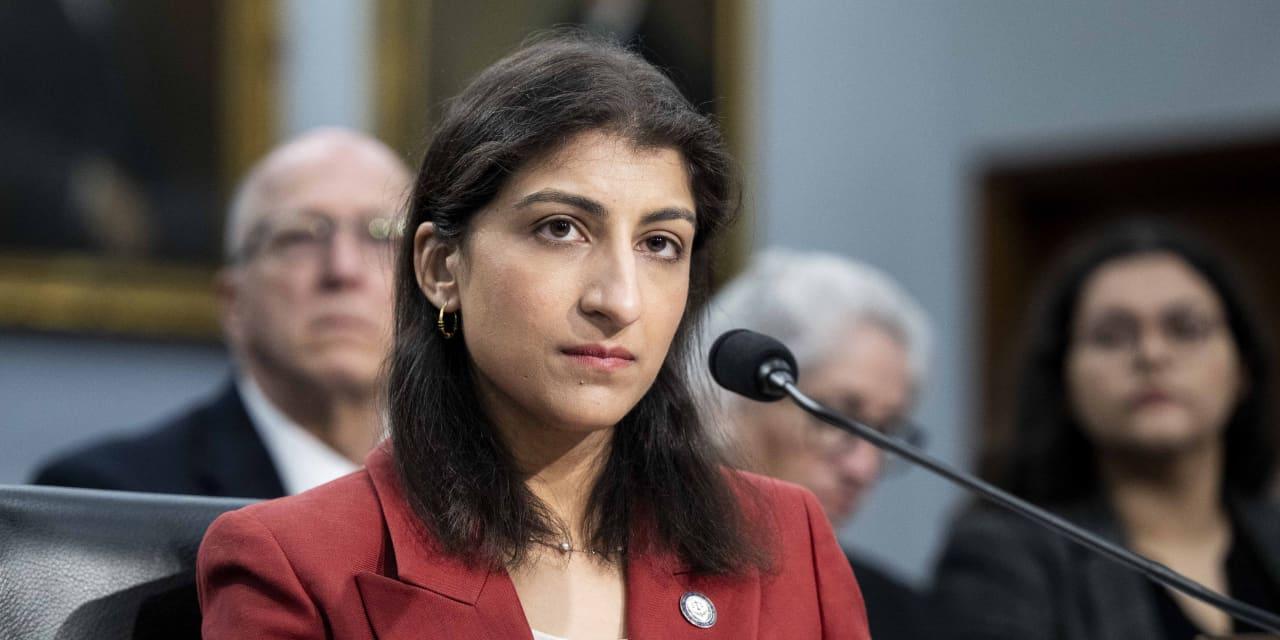
- Executive Change: Allbirds appointed Nadia Carlsten as the new CEO on Wednesday, replacing Joe Vernachio; Carlsten's previous leadership at Amazon Web Services' quantum computing center is expected to drive the company's pivot to AI infrastructure.
- Rebranding: Following an unexpected AI rebranding, Allbirds has changed its name to Smartbird, marking its transformation from a shoe manufacturer to an AI infrastructure firm, reflecting the company's keen insight into emerging technology trends.
- Stock Surge: Shares of Allbirds soared 34% after the new CEO announcement, indicating a positive market reaction to its transformation strategy, which may attract more investor interest in its future prospects.
- Market Performance: Since going public in 2021, Allbirds' stock has plummeted nearly 99% from a high of $577.80; this restructuring and new strategy could present new growth opportunities, especially against the backdrop of rapid advancements in the AI sector.
See More
Allbirds Rebrands to Smartbird, Appoints New CEO

- Rebranding Initiative: Allbirds rebranded to Smartbird on Wednesday and appointed Nadia Carlsten as the new CEO, marking a significant shift from a footwear manufacturer to an AI compute infrastructure provider, demonstrating its strategic pivot in the rapidly evolving AI market.
- Leadership Change: Carlsten, who previously served as CEO of the Danish Center for AI Innovation, which partnered with Nvidia and housed the Gefion supercomputer, is expected to leverage her extensive AI experience to drive Smartbird's growth in the AI sector.
- Stock Surge: Following the rebranding and CEO appointment, Smartbird's shares soared by 34% on Wednesday, reflecting a positive market reaction to the company's new strategy and indicating increased investor confidence in its transformation.
- Market Transition: When Allbirds first announced its pivot to AI compute infrastructure in April, its market cap surged sevenfold, showcasing the company's ability to capitalize on market opportunities amid the booming AI technology landscape and achieve a significant business model transformation.
See More
U.S.-Iran Peace Talks Cancelled Amidst Uncertainty
- Talks Cancelled: The Swiss Foreign Ministry announced the cancellation of U.S.-Iran peace talks originally scheduled for June 17 in Bürgenstock, as Vice President JD Vance's absence diminishes confidence in future negotiations, heightening geopolitical risks.
- Market Reaction: Although stock markets are near record highs, increased uncertainty has led to cautious investor sentiment, with expectations of volatility during the U.S. market closure potentially impacting short-term trading strategies.
- Oil Price Stabilization: Crude prices have steadied after sharp declines, with signs of recovery in shipping through the Strait of Hormuz; OPEC's Secretary General emphasized focusing on fundamentals, countering concerns of a supply glut, which reflects market confidence in supply-demand balance.
- Yen Depreciation: The yen has fallen to a 40-year low, prompting Japan's Finance Minister to indicate readiness for decisive action against speculative moves in the foreign exchange market, which may trigger a reassessment of Japan's monetary policy.
See More
Federal Reserve Holds Rates Steady, Market Reaction Muted
- Fed Rate Decision: The Federal Reserve decided to keep its benchmark interest rate steady at 3.5%-3.75% during its latest meeting, with new chairman Kevin Warsh's first statement being notably shorter and lacking forward guidance, indicating a potentially cautious policy approach moving forward.
- Middle East Peace Agreement: President Trump and Iranian President signed a 14-point memorandum of understanding aimed at fostering a lasting peace, including plans to reopen the Strait of Hormuz toll-free for 60 days, which could significantly impact global energy market stability.
- JetBlue Strategic Shift: JetBlue announced plans to reduce its footprint in New York City by closing tech operations at Newark and LaGuardia airports and ceasing seasonal flights to Los Angeles and Las Vegas, reallocating resources to its expansion in Florida, reflecting a flexible response to market demand.
- Intel-Apple Partnership: Intel shares rose 9% after Trump announced a new partnership with Apple to design and manufacture chips in the U.S., marking a significant recovery for Intel following years of decline and restoring market confidence in the chipmaker.
See More
Federal Reserve's New Chair Kevin Warsh's First Meeting Causes Market Turmoil
- Fed Policy Meeting: New Federal Reserve Chair Kevin Warsh's first policy meeting resulted in a decision to keep benchmark rates unchanged, but his indication of a more hawkish rate path spooked markets, causing the S&P 500 to drop over 1%, marking the worst performance for a 'Fed Day' since 1994.
- Interest Rate Outlook: Among the 18 Fed officials, 9 projected that the federal funds rate will exceed the current range of 3.5% to 3.75% by 2026, with short-term Treasury yields surging to 4.22%, leading to divided opinions among strategists on whether this spike is exaggerated, which could impact future investment strategies.
- Middle East Peace Progress: President Trump and Iranian President Masoud Pezeshkian signed a memorandum of understanding aimed at ending military actions by Israel in Lebanon and reopening the Strait of Hormuz without tolls for 60 days, potentially easing regional tensions and affecting global oil prices.
- Oil Price Fluctuations: Following these developments, oil prices fell, with the International Energy Agency warning that a lasting resolution could lead to significantly higher supply volumes next year, potentially causing an oil market oversupply that would impact the profitability of related companies.
See More
Allbirds Rebrands as Smartbird, Shifts to AI Infrastructure
- Rebranding: Allbirds announced its rebranding to Smartbird, Inc., marking its transformation from a footwear company to an AI infrastructure provider, reflecting growing investor interest in AI-related businesses.
- Leadership Change: Former Amazon executive Nadia Carlsten has been appointed as CEO, aiming to leverage her extensive industry experience to drive the company's strategic development in AI.
- Asset Sale and Financing: The company completed a $39 million asset sale in March and expanded its senior secured convertible note facility to $100 million, providing crucial funding for building AI computing infrastructure.
- Market Reaction: Following the announcement, Smartbird's stock surged over 33%, with retail investor sentiment shifting from 'bearish' to 'extremely bullish', indicating a positive market response to the company's new strategy.
See More
Allbirds Rebrands to Smartbird, Appoints New CEO
- Executive Change: Allbirds appointed Nadia Carlsten as the new CEO on Wednesday, replacing Joe Vernachio; Carlsten's previous leadership at Amazon Web Services' quantum computing center is expected to drive the company's pivot to AI infrastructure.
- Rebranding: Following an unexpected AI rebranding, Allbirds has changed its name to Smartbird, marking its transformation from a shoe manufacturer to an AI infrastructure firm, reflecting the company's keen insight into emerging technology trends.
- Stock Surge: Shares of Allbirds soared 34% after the new CEO announcement, indicating a positive market reaction to its transformation strategy, which may attract more investor interest in its future prospects.
- Market Performance: Since going public in 2021, Allbirds' stock has plummeted nearly 99% from a high of $577.80; this restructuring and new strategy could present new growth opportunities, especially against the backdrop of rapid advancements in the AI sector.
See More
Allbirds Rebrands to Smartbird, Appoints New CEO
- Rebranding Initiative: Allbirds rebranded to Smartbird on Wednesday and appointed Nadia Carlsten as the new CEO, marking a significant shift from a footwear manufacturer to an AI compute infrastructure provider, demonstrating its strategic pivot in the rapidly evolving AI market.
- Leadership Change: Carlsten, who previously served as CEO of the Danish Center for AI Innovation, which partnered with Nvidia and housed the Gefion supercomputer, is expected to leverage her extensive AI experience to drive Smartbird's growth in the AI sector.
- Stock Surge: Following the rebranding and CEO appointment, Smartbird's shares soared by 34% on Wednesday, reflecting a positive market reaction to the company's new strategy and indicating increased investor confidence in its transformation.
- Market Transition: When Allbirds first announced its pivot to AI compute infrastructure in April, its market cap surged sevenfold, showcasing the company's ability to capitalize on market opportunities amid the booming AI technology landscape and achieve a significant business model transformation.
See More