

Activist Investors Target Signet Jewelers, Natural Gas Services, and Other Stocks
Written by Emily J. Thompson, Senior Investment Analyst
Updated: Jan 09 2026
0mins


Source: Barron's
- Increased Holdings: There has been a notable rise in the holdings of various assets, indicating a shift in investment strategies among market participants.
- Market Implications: This increase in holdings may suggest growing confidence in certain sectors or assets, potentially influencing market trends and investor behavior.
- Sector Focus: Specific sectors are seeing more significant increases in holdings, which could reflect changing economic conditions or investor sentiment.
- Future Outlook: Analysts are monitoring these trends closely to assess their potential impact on future market performance and investment opportunities.
Trade with 70% Backtested Accuracy
Stop guessing "Should I Buy SIG?" and start using high-conviction signals backed by rigorous historical data.
Sign up today to access powerful investing tools and make smarter, data-driven decisions.
Analyst Views on SIG
Wall Street analysts forecast SIG stock price to rise
7 Analyst Rating
4 Buy
3 Hold
0 Sell
Moderate Buy
Current: 81.860

Low
90.00
Averages
114.71
High
150.00
Current: 81.860
Low
90.00
Averages
114.71
High
150.00
About SIG
Signet Jewelers Ltd is a Bermuda-based holding company. It is a retailer of diamond jewelry. It operates through its 100% owned subsidiaries with sales primarily in the United States (US), United Kingdom (UK) and Canada. It manages its business through three reportable segments: North America, International, and Other. The North America segment operates across the United States and Canada. Its United States stores operate nationally in malls and off-mall locations, as well as online, principally as Kay (Kay Jewelers and Kay Outlet), Zales (Zales Jewelers and Zales Outlet), Jared (Jared Jewelers and Jared Vault), Diamonds Direct, Banter by Piercing Pagoda, Rocksbox, and Digital brands, James Allen and Blue Nile. Its Canadian stores operate as Peoples Jewelers. The International segment operates stores in the United Kingdom and Republic of Ireland as well as online. The Other segment consists of subsidiaries involved in the purchasing and conversion of rough diamonds to polished stones.
About the author

Emily J. Thompson
Emily J. Thompson, a Chartered Financial Analyst (CFA) with 12 years in investment research, graduated with honors from the Wharton School. Specializing in industrial and technology stocks, she provides in-depth analysis for Intellectia’s earnings and market brief reports.

Sigma Healthcare Withdraws from Boots Acquisition

- Acquisition Withdrawal: Sigma Healthcare has officially withdrawn from the acquisition discussions for the British pharmacy chain Boots, which could have been valued at up to $10 billion, reflecting the company's cautious approach towards its strategic and capital investment objectives.
- Positive Market Reaction: Following the announcement, Sigma's shares rose by 8% in early Monday trading, indicating that investors welcomed the company's decision to maintain capital discipline, which reflects confidence in its future growth potential.
- Strategic Focus: Despite stepping back from the Boots acquisition opportunity, Sigma reiterated its commitment to exploring future acquisition opportunities across various markets, emphasizing that its growth strategy remains centered on the Australian market to strengthen its market position.
- Investor Insights: Citigroup analysts noted that Sigma may have gained valuable insights into market reactions from this acquisition process, aiding the company in understanding the potential impacts of acquiring established players in new markets.
See More

Sycamore Partners May Accelerate Boots Sale
- Potential Quick Sale: Sycamore Partners is reportedly in talks with potential buyers, including the Weston family and Australia's Sigma Healthcare, for a possible $10 billion sale of Boots, indicating a faster exit strategy than previously anticipated, showcasing Sycamore's keen market insight.
- Strategic Buyer Interest: The Weston family has existing exposure in grocery and pharmacy through Loblaws and Shoppers Drug Mart, while Sigma Healthcare's merger with Chemist Warehouse Group makes Boots a strategically valuable asset, potentially enhancing their competitive position in the health and beauty retail market.
- Sale as IPO Alternative: This sale could replace Boots' planned London IPO, reflecting Sycamore Partners' adaptability to market conditions, while Boots' strong performance in the retail sector provides favorable conditions for attracting strategic buyers.
- Performance Growth Support: Boots' latest accounts reveal a nearly 6% year-over-year increase in UK comparable retail sales, bolstered by beauty growth and over 50 new brand launches, further enhancing its attractiveness in potential transactions.
See More

Signet Jewelers Announces $50 Million Share Repurchase Program

- Share Repurchase Program: Signet Jewelers disclosed in a regulatory filing that it will initiate a $50 million accelerated share repurchase (ASR) program, aiming to buy back approximately 480,000 shares, demonstrating confidence in its stock value.
- Positive Investor Reaction: Following the announcement, Signet's stock rose nearly 3% on an otherwise unremarkable Tuesday, reflecting investor optimism regarding the repurchase plan, which could further enhance its earnings per share (EPS).
- Strong Financial Position: With over $600 million in cash at the end of its latest reported quarter, Signet is well-positioned to execute this repurchase plan, providing flexibility for future investments as well.
- Dual Benefits of Buybacks: By repurchasing shares, Signet not only aims to boost its stock price but also to increase EPS; although some analysts express reservations about the effectiveness of buybacks, this move has clearly resonated with the market.
See More
Signet Jewelers Launches $50 Million Share Repurchase Program
- Share Repurchase Program: Signet Jewelers has announced a $50 million accelerated share repurchase (ASR) program, expected to be completed within weeks, aimed at repurchasing approximately 480,000 shares to boost the company's stock price and earnings per share (EPS).
- Investment Bank Partnership: The company has retained Goldman Sachs as its advisor to execute the repurchase plan, indicating Signet's commitment to capital management, while also potentially incurring additional payments under certain circumstances.
- Positive Market Reaction: Following the announcement, Signet's stock rose nearly 3% in the market, reflecting investor confidence in the company's repurchase strategy and enhancing its competitive position in the jewelry retail sector.
- Strong Financial Position: As of the latest reported quarter, Signet had over $600 million in cash reserves, demonstrating its financial capability to undertake such repurchase initiatives while providing funding support for future growth.
See More
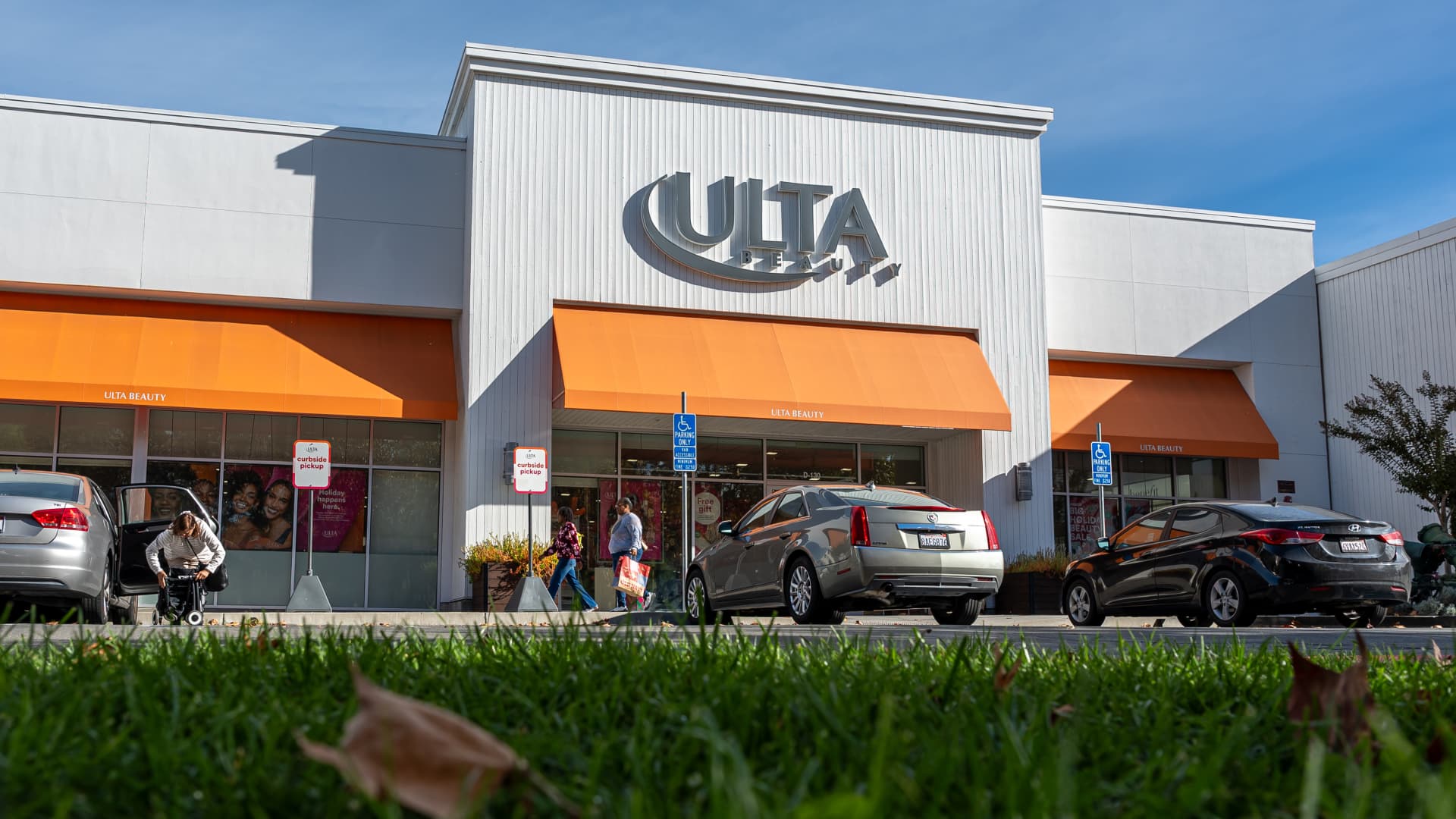
Market Dynamics and Company Performance Analysis


- Market Volatility Analysis: Following the S&P 500's record high, the market is slightly fluctuating due to uncertainties surrounding Iran and tariffs, indicating investor sensitivity to geopolitical risks that may affect short-term investment decisions.
- Cybersecurity Outlook: Palo Alto Networks experienced stock volatility post-earnings, as the CEO highlighted cybersecurity risks posed by artificial intelligence, yet market confidence in its future performance remains shaky, reflecting investor caution towards tech stocks.
- Beauty Industry Growth: Ulta Beauty reported a 5.3% same-store sales growth in Q1, exceeding expectations and indicating consumer demand for value, although the stock has declined from its highs, suggesting market concerns about future growth.
- Telecom Industry Challenges: Oppenheimer downgraded AT&T to hold due to potential threats to long-term broadband subscriber growth from satellite internet competition, reflecting market worries about traditional telecom businesses and hinting at the impact of emerging technologies on the sector.
See More

Signet Jewelers Reports Strong Q1 Results and Raises Guidance
- Sales Growth: In a period of record-low consumer sentiment, Signet achieved a 1.8% increase in comparable sales and a 0.8% rise in revenue to $1.55 billion in Q1, demonstrating resilience and adaptability in a mature market.
- Margin Dynamics: Although gross margin fell by 70 basis points to 35.8% due to inventory write-downs, the company improved its adjusted operating margin from 4.6% to 5.1% through successful high-end sales and $18 million in cost savings.
- Earnings Surge: Adjusted earnings per share jumped from $1.18 to $1.56, significantly exceeding the consensus estimate of $1.38, reflecting strong performance in reducing tax rates and ongoing share repurchases.
- Outlook Upgrade: Signet raised its full-year comparable sales guidance to a range of -0.75% to 2.5% and adjusted earnings per share expectations to between $9.20 and $11.00, indicating confidence in future growth and a reassessment of market potential.
See More
Sigma Healthcare Withdraws from Boots Acquisition
- Acquisition Withdrawal: Sigma Healthcare has officially withdrawn from the acquisition discussions for the British pharmacy chain Boots, which could have been valued at up to $10 billion, reflecting the company's cautious approach towards its strategic and capital investment objectives.
- Positive Market Reaction: Following the announcement, Sigma's shares rose by 8% in early Monday trading, indicating that investors welcomed the company's decision to maintain capital discipline, which reflects confidence in its future growth potential.
- Strategic Focus: Despite stepping back from the Boots acquisition opportunity, Sigma reiterated its commitment to exploring future acquisition opportunities across various markets, emphasizing that its growth strategy remains centered on the Australian market to strengthen its market position.
- Investor Insights: Citigroup analysts noted that Sigma may have gained valuable insights into market reactions from this acquisition process, aiding the company in understanding the potential impacts of acquiring established players in new markets.
See More
Sycamore Partners May Accelerate Boots Sale
- Potential Quick Sale: Sycamore Partners is reportedly in talks with potential buyers, including the Weston family and Australia's Sigma Healthcare, for a possible $10 billion sale of Boots, indicating a faster exit strategy than previously anticipated, showcasing Sycamore's keen market insight.
- Strategic Buyer Interest: The Weston family has existing exposure in grocery and pharmacy through Loblaws and Shoppers Drug Mart, while Sigma Healthcare's merger with Chemist Warehouse Group makes Boots a strategically valuable asset, potentially enhancing their competitive position in the health and beauty retail market.
- Sale as IPO Alternative: This sale could replace Boots' planned London IPO, reflecting Sycamore Partners' adaptability to market conditions, while Boots' strong performance in the retail sector provides favorable conditions for attracting strategic buyers.
- Performance Growth Support: Boots' latest accounts reveal a nearly 6% year-over-year increase in UK comparable retail sales, bolstered by beauty growth and over 50 new brand launches, further enhancing its attractiveness in potential transactions.
See More
Signet Jewelers Announces $50 Million Share Repurchase Program
- Share Repurchase Program: Signet Jewelers disclosed in a regulatory filing that it will initiate a $50 million accelerated share repurchase (ASR) program, aiming to buy back approximately 480,000 shares, demonstrating confidence in its stock value.
- Positive Investor Reaction: Following the announcement, Signet's stock rose nearly 3% on an otherwise unremarkable Tuesday, reflecting investor optimism regarding the repurchase plan, which could further enhance its earnings per share (EPS).
- Strong Financial Position: With over $600 million in cash at the end of its latest reported quarter, Signet is well-positioned to execute this repurchase plan, providing flexibility for future investments as well.
- Dual Benefits of Buybacks: By repurchasing shares, Signet not only aims to boost its stock price but also to increase EPS; although some analysts express reservations about the effectiveness of buybacks, this move has clearly resonated with the market.
See More
Signet Jewelers Launches $50 Million Share Repurchase Program
- Share Repurchase Program: Signet Jewelers has announced a $50 million accelerated share repurchase (ASR) program, expected to be completed within weeks, aimed at repurchasing approximately 480,000 shares to boost the company's stock price and earnings per share (EPS).
- Investment Bank Partnership: The company has retained Goldman Sachs as its advisor to execute the repurchase plan, indicating Signet's commitment to capital management, while also potentially incurring additional payments under certain circumstances.
- Positive Market Reaction: Following the announcement, Signet's stock rose nearly 3% in the market, reflecting investor confidence in the company's repurchase strategy and enhancing its competitive position in the jewelry retail sector.
- Strong Financial Position: As of the latest reported quarter, Signet had over $600 million in cash reserves, demonstrating its financial capability to undertake such repurchase initiatives while providing funding support for future growth.
See More
Market Dynamics and Company Performance Analysis
- Market Volatility Analysis: Following the S&P 500's record high, the market is slightly fluctuating due to uncertainties surrounding Iran and tariffs, indicating investor sensitivity to geopolitical risks that may affect short-term investment decisions.
- Cybersecurity Outlook: Palo Alto Networks experienced stock volatility post-earnings, as the CEO highlighted cybersecurity risks posed by artificial intelligence, yet market confidence in its future performance remains shaky, reflecting investor caution towards tech stocks.
- Beauty Industry Growth: Ulta Beauty reported a 5.3% same-store sales growth in Q1, exceeding expectations and indicating consumer demand for value, although the stock has declined from its highs, suggesting market concerns about future growth.
- Telecom Industry Challenges: Oppenheimer downgraded AT&T to hold due to potential threats to long-term broadband subscriber growth from satellite internet competition, reflecting market worries about traditional telecom businesses and hinting at the impact of emerging technologies on the sector.
See More
Signet Jewelers Reports Strong Q1 Results and Raises Guidance
- Sales Growth: In a period of record-low consumer sentiment, Signet achieved a 1.8% increase in comparable sales and a 0.8% rise in revenue to $1.55 billion in Q1, demonstrating resilience and adaptability in a mature market.
- Margin Dynamics: Although gross margin fell by 70 basis points to 35.8% due to inventory write-downs, the company improved its adjusted operating margin from 4.6% to 5.1% through successful high-end sales and $18 million in cost savings.
- Earnings Surge: Adjusted earnings per share jumped from $1.18 to $1.56, significantly exceeding the consensus estimate of $1.38, reflecting strong performance in reducing tax rates and ongoing share repurchases.
- Outlook Upgrade: Signet raised its full-year comparable sales guidance to a range of -0.75% to 2.5% and adjusted earnings per share expectations to between $9.20 and $11.00, indicating confidence in future growth and a reassessment of market potential.
See More





