
Key Takeaway
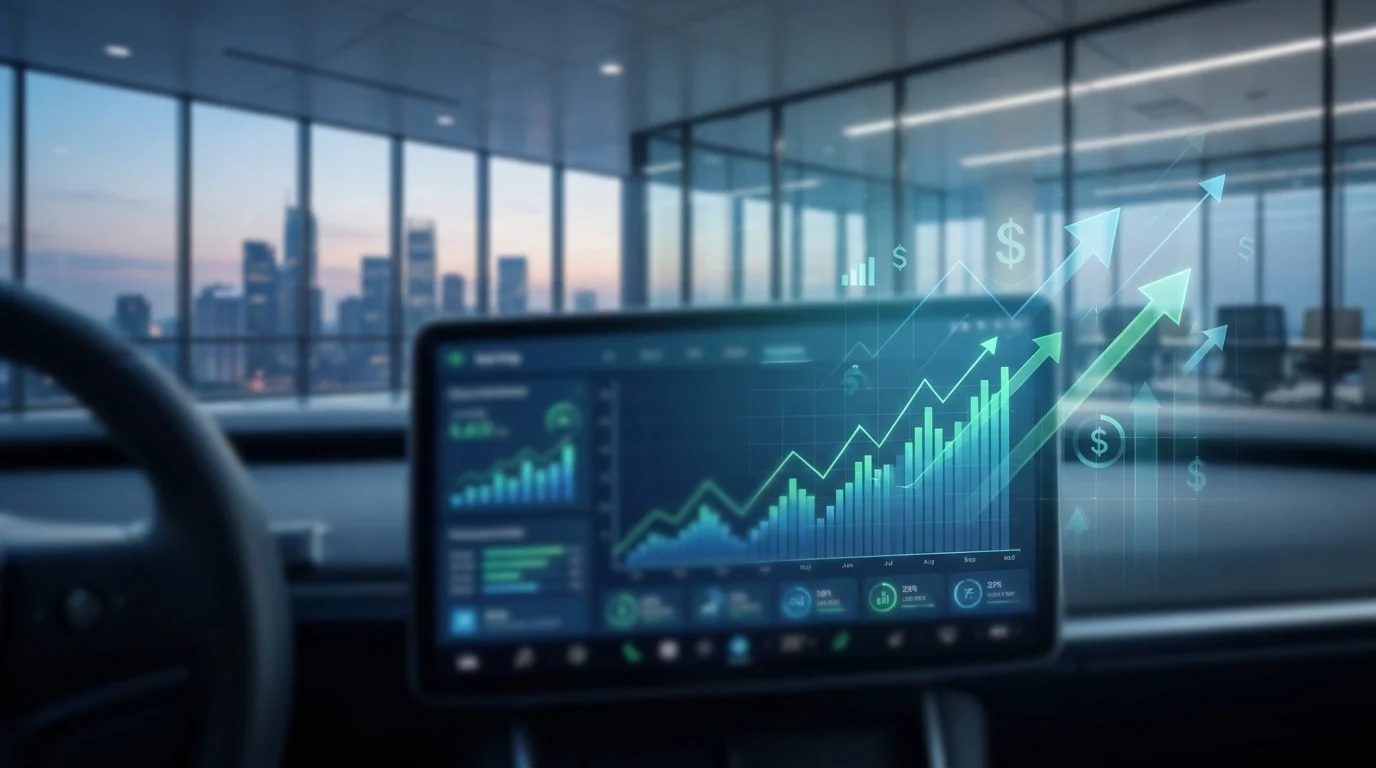
Tesla is set to report its first-quarter 2026 earnings today after the market close, and Wall Street is watching closely as the electric vehicle pioneer faces what many analysts are calling a credibility test. With consensus estimates centering around revenue of $21.4 to $22.7 billion and non-GAAP earnings per share between $0.33 and $0.40, investors are grappling with a fundamental question: Is Tesla successfully pivoting from a pure automotive play to an AI-powered technology conglomerate, or is the growth story that propelled the stock to historic highs beginning to lose its luster?
The quarter presents a complex picture that defies simple categorization. On one hand, Tesla delivered 358,023 vehicles in Q1, including 341,893 Model 3 and Model Y units alongside 16,130 other models. This delivery figure, while respectable on its face, comes amid growing concerns about a 50,000-unit inventory overhang that suggests demand may be softening faster than the company anticipated. The energy storage business, which had emerged as a promising growth driver, appears to have halved during the quarter, raising questions about the sustainability of diversification efforts beyond the core automotive segment.
Yet there are also bright spots that warrant attention. Services and Other revenues reached $3.4 billion, representing an impressive 18% year-over-year increase that demonstrates Tesla's ability to monetize its expanding fleet through software, charging infrastructure, and maintenance services. This recurring revenue stream, while still a fraction of total sales, carries significantly higher margins than vehicle sales and could prove crucial as the company navigates the increasingly competitive EV landscape. The key metric that long-term investors should watch most carefully is automotive gross margins, with expectations centered on maintaining levels above 17-18%—a threshold that would signal Tesla's continued pricing power and operational efficiency even as competition intensifies.
Looking beyond the immediate numbers, Tesla's management commentary during the earnings call will likely prove as consequential as the financial results themselves. With capital expenditure projections exceeding $20 billion and the company's strategic pivot toward AI and autonomous driving technologies consuming increasing resources, investors need clarity on the timeline and pathway to monetization. The tension between near-term profitability and long-term transformation has never been more acute, and how CEO Elon Musk and his leadership team articulate their vision could significantly influence how the market prices TSLA shares in the sessions following the release.
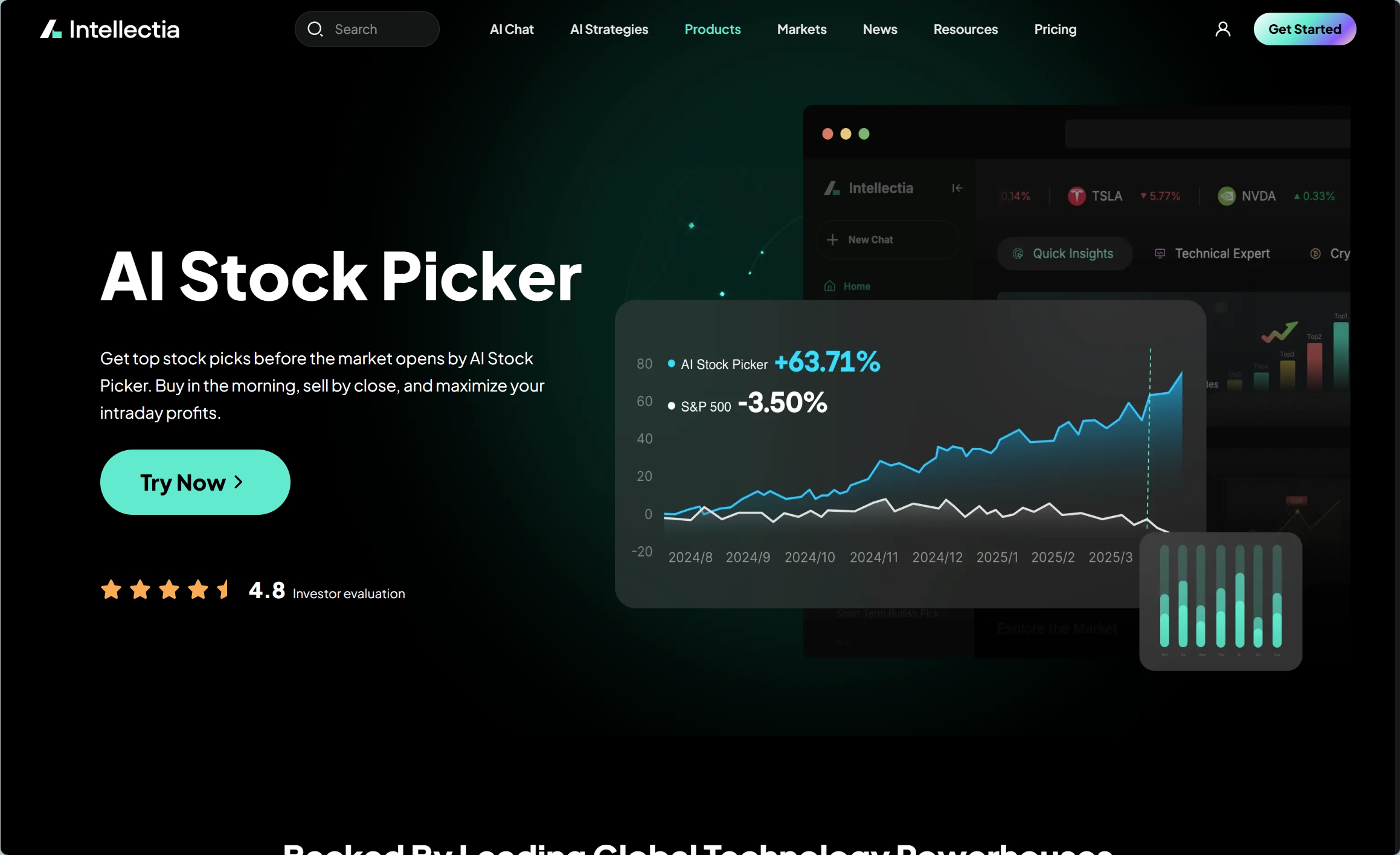
If you're looking to make data-driven decisions about Tesla or other growth stocks, our AI Stock Picker analyzes thousands of data points to identify opportunities with strong fundamentals and technical setups. The tool can help you cut through the noise and focus on what actually drives stock performance.
Revenue Expectations: A Quarter of Transition
Wall Street's revenue expectations for Tesla's Q1 2026 reflect the inherent uncertainty surrounding a company in transition. The official consensus compiled from 20 major sell-side analysts including Goldman Sachs, Morgan Stanley, and Wedbush points to revenue of approximately $21.4 billion with non-GAAP EPS around $0.33. However, third-party aggregators like Bloomberg and Refinitiv paint a more optimistic picture, with estimates ranging from $22 billion to $22.7 billion and EPS projections between $0.37 and $0.40.
This divergence in expectations highlights the fundamental challenge analysts face in modeling Tesla's business. The company is simultaneously navigating multiple transitions: from high-growth disruptor to mature automaker, from hardware manufacturer to software and services provider, and from domestic American company to global enterprise with significant operations in China and Europe. Each of these transitions introduces variables that traditional automotive valuation frameworks struggle to capture adequately.
Comparing Q1 2026 to the prior quarter provides important context for evaluating these expectations. In Q4 2025, Tesla reported revenue of $24.9 billion, beating analyst estimates of $24.78 billion. The projected sequential decline to approximately $21-22 billion represents a drop of roughly 12-15%, which would be steeper than typical seasonal patterns might suggest. Some analysts attribute this to the weak end of discontinued Model S and X models, while others point to broader macroeconomic headwinds affecting consumer discretionary spending on high-ticket items like electric vehicles.
The geographic composition of revenue will also deserve close scrutiny during the earnings release. Tesla's delivery rebound in Germany and broader European markets likely supported growth in the to-be-reported quarter, potentially offsetting any softness in the crucial Chinese market where local competitors like BYD have gained significant market share. The company's ability to maintain pricing discipline in these markets while still driving volume growth will be a key determinant of whether Tesla can achieve the higher end of revenue estimates.
For investors trying to navigate these complexities, our AI Screener provides powerful filtering capabilities to identify stocks based on revenue growth trends, geographic diversification, and competitive positioning. The screener can help you build watchlists of companies exhibiting similar characteristics to Tesla and track how they perform relative to expectations.

Delivery Numbers and the Inventory Challenge
Tesla's Q1 2026 delivery figure of 358,023 vehicles represents a solid performance on an absolute basis, but the composition and context of these deliveries reveal important nuances that investors should understand. The breakdown shows 341,893 Model 3 and Model Y units alongside 16,130 deliveries of other models, a category that includes the Model S, Model X, and potentially early Cybertruck deliveries depending on how the company classifies these vehicles.
The most concerning aspect of the delivery report is the revelation that Tesla is carrying approximately 50,000 units of inventory overhang. This buildup suggests that production has outpaced demand in recent months, potentially forcing the company into difficult decisions about pricing and production rates. Inventory accumulation is particularly problematic for automakers because vehicles are depreciating assets—each day a car sits unsold represents lost value and tied-up capital that could be deployed elsewhere.
Several factors likely contributed to this inventory situation. The macroeconomic environment has become more challenging for automotive purchases, with higher interest rates increasing monthly payments for financed vehicles and persistent inflation affecting consumer confidence. Additionally, the competitive landscape in the EV space has intensified dramatically, with legacy automakers like Ford, General Motors, and Volkswagen now offering compelling electric alternatives at competitive price points. Tesla's once-dominant position in the premium EV segment faces genuine threats from multiple directions.
However, it would be premature to conclude that Tesla's demand story has fundamentally broken. The company has historically demonstrated an ability to stimulate demand through pricing adjustments, and the introduction of new models like the refreshed Model 3 and the increasingly available Cybertruck could reignite consumer interest. Furthermore, Tesla's brand remains exceptionally strong in many markets, and the company's direct-to-consumer sales model provides it with greater flexibility to adjust pricing and incentives than traditional automakers tied to dealer networks.
The inventory challenge also presents an opportunity for investors who believe in Tesla's long-term trajectory. If the company can work through this overhang over the next two quarters while maintaining gross margins, it would demonstrate operational resilience that could set the stage for a strong second half of 2026. The key risk is that clearing inventory requires aggressive discounting that compresses margins and trains consumers to wait for better deals, creating a cycle that's difficult to break.
Margins Under Pressure: The Make-or-Break Metric
Automotive gross margins represent the most critical metric for evaluating Tesla's Q1 2026 results, with most analysts viewing the 17-18% threshold as the line between a successful quarter and a disappointing one. This metric matters disproportionately because it speaks directly to Tesla's core competitive advantage: the ability to produce electric vehicles at costs significantly below selling prices, generating the cash flow necessary to fund ambitious growth initiatives in AI, robotics, and energy storage.
The margin pressure Tesla faces stems from multiple sources. On the cost side, raw material prices—particularly for lithium, nickel, and other battery components—remain elevated despite recent moderation from peak levels. Supply chain disruptions, while less severe than during the pandemic years, continue to introduce inefficiencies and unexpected costs. On the pricing side, the competitive environment has forced Tesla to implement price cuts across its lineup, sacrificing margin to maintain volume and market share.
The company's response to this margin pressure will reveal much about management's strategic priorities. If Tesla prioritizes margin preservation over volume growth, it may accept lower delivery numbers in the near term while waiting for cost improvements from manufacturing scale and efficiency initiatives to restore profitability. Alternatively, if the company prioritizes market share and scale, it may accept compressed margins as the price of maintaining its dominant position in the EV transition.
Services and Other revenues, which reached $3.4 billion in the quarter (up 18% year-over-year), provide an important offset to automotive margin pressure. This segment includes software sales, Supercharger network revenues, and after-sales services, all of which carry margins substantially higher than vehicle sales. As Tesla's installed base of vehicles continues to grow—now exceeding 5 million units globally—the services segment should become an increasingly important contributor to overall profitability and cash flow generation.
The other wildcard for margins is Tesla's energy storage business, which has been a source of both excitement and disappointment. The segment had shown promise as a significant growth driver, but reports suggest energy storage revenue may have halved in Q1 2026. This volatility highlights the project-based nature of the utility-scale storage business, where revenue recognition can be lumpy depending on deployment schedules. Long-term, the energy storage opportunity remains compelling as grid operators worldwide seek solutions to integrate renewable energy sources, but investors should expect continued quarterly volatility in this segment.
The AI Pivot: Separating Promise from Reality
Perhaps no aspect of Tesla's story generates more debate than the company's ambitious pivot toward artificial intelligence and autonomous driving. With capital expenditure projections exceeding $20 billion and significant resources being diverted from traditional automotive development to AI initiatives, investors are rightly asking whether this transformation will deliver the returns necessary to justify the investment.
Tesla's AI ambitions center on several interconnected initiatives. The Full Self-Driving (FSD) software represents the most visible application, with the company continuing to push toward truly autonomous capabilities. The Optimus humanoid robot project, while still in early stages, represents a potentially massive addressable market if Tesla can successfully commercialize general-purpose robotics. The Dojo supercomputer and broader AI infrastructure investments position the company to train increasingly sophisticated models that could power both automotive and non-automotive applications.
The challenge for investors is separating genuine technological progress from aspirational rhetoric. Tesla has repeatedly missed self-imposed deadlines for achieving full autonomy, and the gap between current FSD capabilities and true Level 5 autonomy remains substantial. Skeptics argue that the company has been using the AI narrative to maintain its premium valuation even as the core automotive business faces maturation and increased competition.
However, dismissing Tesla's AI initiatives entirely would be equally misguided. The company has accumulated vast quantities of real-world driving data—arguably its most valuable asset in the autonomous driving race—and has demonstrated meaningful improvements in FSD performance over recent quarters. The recent rollout of FSD version 12, which relies more heavily on end-to-end neural networks rather than hard-coded rules, represents a genuine technological evolution that could accelerate progress toward full autonomy.
For investors seeking exposure to the AI theme but wanting to diversify beyond Tesla, our platform offers comprehensive analysis tools to evaluate opportunities across the sector. Consider signing up to access our full suite of AI-powered investment research capabilities and build a portfolio positioned for the technological transformation underway.
Analyst Sentiment and Price Targets
The Wall Street analyst community presents a mixed picture on Tesla heading into the Q1 2026 earnings release, reflecting the fundamental uncertainty surrounding the company's near-term trajectory. Jefferies recently reiterated its hold rating on the stock while raising its price target to $350 per share from $300, citing expectations that Q1 results will show further widening of the gap between Tesla's long-term vision and its near-term operational challenges.
This sentiment captures the essence of the Tesla investment debate. Bulls point to the company's technology leadership, brand strength, and the massive total addressable markets for EVs, energy storage, and autonomous driving. They argue that temporary headwinds in the automotive business are just that—temporary—and that Tesla's first-mover advantages position it to capture disproportionate value as these markets mature. The potential for FSD to generate high-margin recurring revenue at massive scale represents a particularly compelling element of the bull case.
Bears, meanwhile, focus on the deteriorating competitive dynamics in the EV space, the risks associated with key-person dependence on Elon Musk, and the massive capital requirements of the AI pivot. They question whether Tesla can maintain the premium valuation that has made it one of the world's most valuable automakers by market capitalization, particularly if automotive margins compress toward industry averages and growth rates decelerate.
The consensus price target across all analysts covering Tesla sits somewhere between $300 and $350, suggesting roughly 15-20% upside from current levels. However, the dispersion of individual price targets is exceptionally wide, ranging from bearish calls in the $100-150 range to bullish targets exceeding $500. This dispersion reflects the genuine uncertainty about Tesla's future and the wide range of potential outcomes for the business.
What to Watch During the Earnings Call
While the headline numbers will drive immediate stock price movement, astute investors should pay close attention to several specific elements of Tesla's earnings call commentary. Management's discussion of the inventory overhang and plans to address it will provide crucial insight into demand trends and pricing strategy. If Tesla signals comfort with current inventory levels and expresses confidence in working through them organically, it would suggest the issue is manageable. Conversely, if the company announces aggressive discounting or production cuts, it would indicate more serious demand concerns.
The update on Full Self-Driving progress deserves particular attention. Look for specific metrics about FSD take rates, miles driven with the software engaged, and any commentary about timeline expectations for achieving true autonomy. Any news about regulatory approval for expanded autonomous operations, whether in the United States or international markets, would be a significant positive catalyst for the stock.
Capital allocation priorities will also be closely watched. With capex exceeding $20 billion and multiple major projects competing for resources—including the next-generation vehicle platform, AI infrastructure, and energy storage manufacturing—investors need clarity on how the company is prioritizing its investments. Any announcement about delaying or accelerating specific initiatives would have meaningful implications for the investment thesis.
Finally, listen for any commentary about the competitive environment and how Tesla plans to maintain its market position as legacy automakers and new entrants alike ramp up their EV offerings. The company has historically been reluctant to discuss competitors directly, but management's assessment of the competitive threat and Tesla's response strategy will be crucial for evaluating the long-term durability of its market position.
Conclusion
Tesla's Q1 2026 earnings report represents a critical inflection point for a company that has defined the modern electric vehicle industry but now faces legitimate questions about its future trajectory. The quarter's results will provide important data points on revenue growth, margin sustainability, and demand trends, but equally important will be management's articulation of the strategic vision that will guide Tesla through its next phase of development.
For current shareholders, the key question is whether to maintain positions through what may be a volatile period as the company navigates its transition from high-growth disruptor to mature technology conglomerate. The answer depends on individual conviction about Tesla's ability to execute on its AI ambitions and maintain competitive positioning in an increasingly crowded EV market.
For prospective investors, the earnings report and subsequent price action may present an opportunity to establish positions if the stock sells off on results that, while potentially disappointing relative to historical standards, don't fundamentally impair the long-term investment thesis. Alternatively, if results surprise to the upside and the stock rallies, it may validate the patience of investors who have maintained conviction through recent volatility.
Regardless of your current position or investment perspective, making informed decisions requires access to high-quality analysis and data. Our platform provides the tools you need to evaluate Tesla and other investment opportunities with confidence. From our AI-powered stock screener to detailed fundamental analysis and technical indicators, we give you the edge you need to navigate complex markets.
Ready to take your investment research to the next level? Sign up today to access our full suite of professional-grade tools and join a community of investors who demand more from their analysis. Whether you're evaluating Tesla's Q1 results or hunting for the next opportunity, our platform provides the data-driven insights you need to invest with confidence.