
Key Takeaway
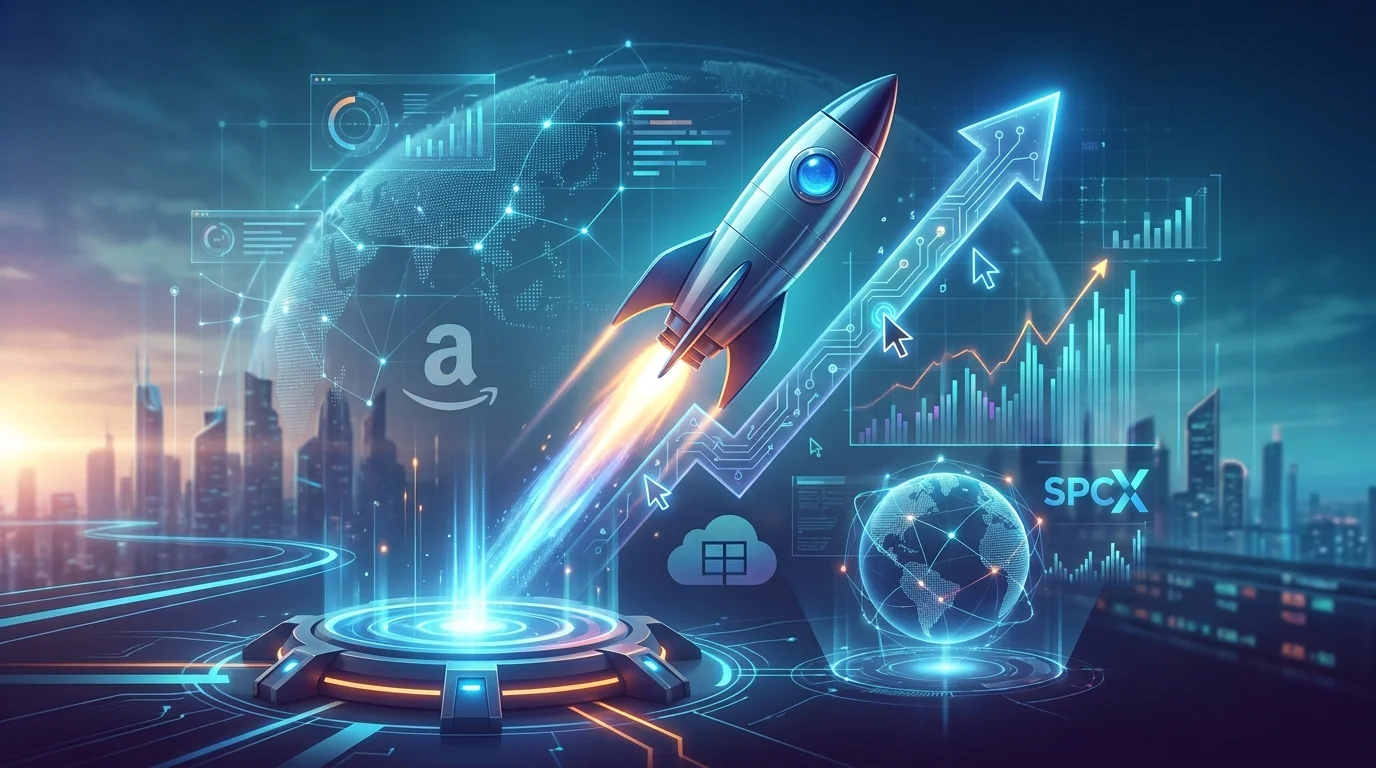
SpaceX's historic IPO in June 2026 has sent shockwaves through financial markets, with the aerospace company's valuation briefly surpassing both Microsoft and Amazon to become the fourth-largest U.S. company by market capitalization. Following the announcement of its $60 billion acquisition of AI coding startup Cursor, SpaceX shares surged 20%, pushing its market value to unprecedented heights. This remarkable achievement represents not just a milestone for Elon Musk's space venture but signals a fundamental shift in how investors value the commercial space industry. The convergence of space technology, artificial intelligence, and satellite communications has created a unique investment opportunity that challenges traditional tech valuations.
The implications of SpaceX's public debut extend far beyond the company itself. As the first major pure-play space company to achieve such scale in public markets, SpaceX is establishing valuation benchmarks for an entire industry that has long been dominated by government contracts and private investment. The company's ability to generate revenue through multiple streams—including satellite launches, Starlink internet services, and now AI integration—demonstrates the commercial viability of space exploration in ways that were previously theoretical.
For investors seeking exposure to the space economy, understanding SpaceX's valuation drivers, competitive positioning, and growth trajectory has become essential. This analysis examines the factors behind SpaceX's meteoric rise, the strategic rationale behind the Cursor acquisition, and what the future may hold for SPCX stock in an increasingly competitive aerospace landscape.
The Historic SpaceX IPO: A New Chapter in Public Markets
SpaceX's journey from a private aerospace startup to one of the most valuable public companies in America represents one of the most remarkable corporate transformations in modern business history. When Elon Musk founded the company in 2002 with the audacious goal of reducing space transportation costs and enabling Mars colonization, few investors could have predicted that it would eventually challenge the market capitalizations of established tech giants like Microsoft and Amazon.
The company's initial public offering in June 2026 marked the culmination of years of speculation and anticipation among retail and institutional investors alike. Unlike traditional IPOs that often see immediate volatility and price discovery challenges, SpaceX entered public markets with a level of investor confidence rarely seen in debut offerings. This confidence stemmed from the company's proven track record of successful launches, its dominant position in the commercial launch market, and the rapidly expanding Starlink satellite internet constellation that had already demonstrated significant revenue potential.
The public debut also represented a watershed moment for the broader space industry. For decades, space-related investments were largely confined to defense contractors with diversified portfolios or speculative ventures with limited commercial prospects. SpaceX's successful IPO demonstrated that pure-play space companies could achieve the scale and profitability necessary to attract mainstream institutional investment. This validation has already begun to reshape capital flows throughout the aerospace sector, with increased investor interest in satellite manufacturers, space tourism ventures, and orbital infrastructure companies.
The stock's performance since going public has exceeded even optimistic projections. Trading under the ticker symbol SPCX, shares have demonstrated remarkable resilience even during broader market volatility. This stability reflects investor confidence in SpaceX's diversified revenue streams and its technological moat in reusable rocket technology. While traditional aerospace companies rely heavily on government contracts with cyclical spending patterns, SpaceX has successfully built a substantial commercial business that provides more predictable revenue.
The $60 Billion Cursor Acquisition: Strategic Implications
The announcement that SpaceX would acquire Cursor, an AI coding startup, for $60 billion represented one of the largest technology acquisitions in recent memory and immediately transformed investor perceptions of SpaceX's strategic direction. While the aerospace and artificial intelligence sectors may seem distinct, the acquisition reflects SpaceX's recognition that software and AI capabilities will be critical differentiators in the next phase of space commercialization.
Cursor's AI-powered coding platform has gained significant traction among developers for its ability to automate complex programming tasks and accelerate software development cycles. For SpaceX, which operates some of the most sophisticated software systems in the aerospace industry—including flight control systems, satellite management platforms, and launch operations software—the strategic value of advanced AI coding capabilities is immediately apparent. The integration of Cursor's technology could dramatically accelerate SpaceX's software development timelines while reducing engineering costs.
Beyond the immediate operational benefits, the acquisition signals SpaceX's ambition to expand beyond its core aerospace business into adjacent technology markets. The company has increasingly positioned itself as a technology platform rather than merely a launch services provider, and the Cursor acquisition reinforces this strategic pivot. By combining its satellite infrastructure with advanced AI capabilities, SpaceX could potentially offer enterprise software services, cloud computing solutions, and data analytics platforms that leverage its unique orbital assets.
The market's enthusiastic response to the acquisition announcement—with SpaceX shares jumping 20%—reflects investor confidence in this strategic vision. Analysts have noted that the acquisition multiple, while substantial, could be justified if SpaceX successfully integrates Cursor's technology and expands into high-margin software markets. The deal also creates potential synergies with Starlink, as AI-powered optimization could enhance network performance and enable new service offerings for enterprise customers.
However, the acquisition also introduces execution risks that investors must consider. Integrating a software company into an aerospace organization with fundamentally different cultures, talent requirements, and business models presents significant challenges. Additionally, the $60 billion price tag represents a substantial allocation of capital that could have been directed toward core aerospace capabilities or returned to shareholders. The success of this acquisition will likely be a key determinant of SpaceX's long-term valuation trajectory.
Valuation Analysis: How SpaceX Compares to Tech Giants
SpaceX's achievement in surpassing Amazon and Microsoft in market capitalization, even briefly, raises important questions about valuation methodologies in the aerospace sector and how they compare to traditional technology companies. While Microsoft and Amazon generate hundreds of billions in annual revenue with established profitability, SpaceX's valuation is based more on growth potential and strategic positioning than current financial metrics.
The company's valuation premium reflects several unique factors that differentiate it from both traditional aerospace competitors and Big Tech incumbents. First, SpaceX possesses a technological moat in reusable rocket technology that remains unmatched by any competitor. While companies like Blue Origin and United Launch Alliance have made progress in reusability, SpaceX's Falcon 9 rocket has completed hundreds of successful landings and re-flights, creating a cost advantage that compounds with each launch. This technological leadership translates into pricing power and market share gains in the commercial launch market.
Second, Starlink represents a potentially transformative business with addressable market size rivaling the largest technology platforms. With thousands of satellites in orbit and millions of subscribers already generating recurring revenue, Starlink is positioned to capture a significant share of the global internet connectivity market. Unlike terrestrial broadband providers constrained by infrastructure deployment costs, Starlink can theoretically serve any location on Earth, creating opportunities in underserved rural markets and developing economies.
Third, SpaceX's Mars colonization ambitions, while long-term and speculative, represent optionality that is difficult to value but potentially transformative. If the company successfully establishes sustainable human presence on Mars, the economic implications would dwarf any current technology market. While this scenario remains decades away, investors are increasingly willing to assign value to such long-dated optionality, particularly given SpaceX's track record of achieving seemingly impossible technical milestones.
Comparing SpaceX's valuation multiples to those of Amazon and Microsoft reveals the market's growth expectations. While Amazon trades at approximately 3x sales and Microsoft at 10x earnings, SpaceX's valuation implies significantly higher long-term growth assumptions. This premium is justified by the company's addressable market expansion potential and its dominant competitive position, but it also creates vulnerability if growth fails to meet optimistic projections.
Commercial Space Industry Outlook and Competitive Landscape
SpaceX's public market success has intensified competition throughout the commercial space industry, with implications for the company's future market share and pricing power. While SpaceX currently dominates the commercial launch market with cost advantages that competitors struggle to match, several well-funded rivals are investing aggressively to close the gap.
Blue Origin, backed by Jeff Bezos's substantial personal fortune, represents the most credible long-term competitive threat. The company's New Glenn heavy-lift rocket, scheduled for its first commercial launches in late 2026, promises capabilities comparable to SpaceX's Falcon Heavy at competitive price points. Blue Origin's focus on the lunar economy and space manufacturing also positions it to capture value in emerging market segments where SpaceX has been less active. The rivalry between Musk and Bezos, extending from e-commerce to space, adds a personal dimension that may drive both companies to accelerate investment and innovation.
United Launch Alliance, the Boeing-Lockheed Martin joint venture, has traditionally focused on government contracts but is adapting to compete in commercial markets. The company's Vulcan Centaur rocket, which successfully debuted in 2024, offers improved cost competitiveness while leveraging the established relationships and reliability reputation that matter to government customers. While ULA may never match SpaceX's cost structure, its focus on mission assurance and complex payloads ensures it will remain a significant competitor for high-value contracts.
International competition is also intensifying, with China's state-backed space program achieving significant milestones and European launch providers investing in next-generation vehicles. While geopolitical considerations limit direct competition in many markets, the global nature of satellite services means SpaceX faces indirect competition from international providers in the Starlink business. Regulatory restrictions on technology transfer and foreign ownership also create complexities as SpaceX expands internationally.
The emergence of space tourism and orbital manufacturing as commercial markets adds new competitive dimensions. Companies like Virgin Galactic and Axiom Space are pursuing different segments of the space economy, creating opportunities for specialization that may challenge SpaceX's broad-based approach. As these markets mature, SpaceX will need to balance its focus across multiple business lines while maintaining the operational excellence that has driven its success to date.
Investment Considerations and Risk Factors
Investors considering SpaceX stock must weigh substantial growth opportunities against significant risks that could impact valuation. Understanding these factors is essential for making informed investment decisions in a company that defies traditional analytical frameworks.
Regulatory risk represents a primary concern for SpaceX investors. The company's operations are subject to extensive oversight from the Federal Aviation Administration, the Federal Communications Commission, and international regulatory bodies. Launch licenses, spectrum allocations, and orbital debris regulations all have the potential to constrain SpaceX's growth or increase compliance costs. The regulatory environment for satellite constellations is particularly evolving, with concerns about light pollution, collision risks, and spectrum interference potentially leading to restrictions that impact Starlink's expansion.
Execution risk is also substantial given SpaceX's ambitious technical agenda. The company's Starship program, essential for Mars missions and next-generation launch capabilities, has experienced development challenges and delays. While setbacks are normal in aerospace development, the scale of SpaceX's ambitions creates vulnerability if key programs encounter sustained difficulties. The integration of Cursor also introduces execution risk as SpaceX expands beyond its core competencies.
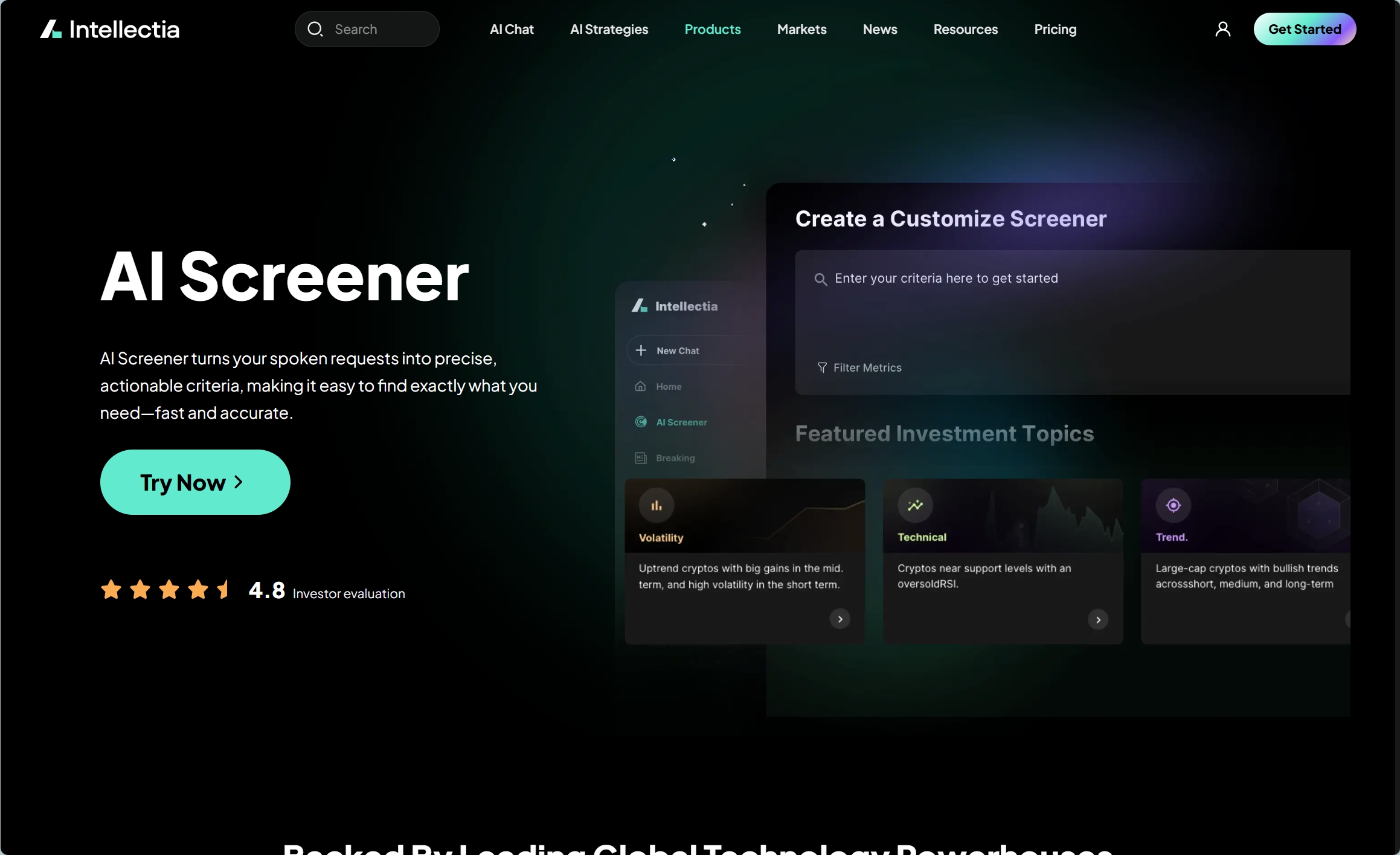
For investors seeking to analyze SpaceX's competitive position and valuation metrics, tools like the AI Screener can provide valuable insights into aerospace sector trends and comparable company analysis. The rapidly evolving nature of the space industry makes data-driven analysis particularly valuable for identifying investment opportunities and risks.
Macroeconomic sensitivity is another consideration, as SpaceX's commercial launch business is tied to satellite deployment cycles that can be affected by economic conditions. While government contracts provide some stability, a prolonged economic downturn could reduce demand for commercial satellite launches and delay Starlink subscriber growth. The company's capital-intensive nature also makes it sensitive to interest rate changes that affect the cost of funding its ambitious growth plans.
Conclusion
SpaceX's emergence as one of the most valuable public companies in America represents a watershed moment for both the aerospace industry and financial markets. The company's ability to surpass established tech giants in valuation demonstrates the transformative potential of commercial space exploration and validates years of investment in reusable rocket technology and satellite infrastructure. The Cursor acquisition signals ambitions that extend far beyond traditional aerospace into software, AI, and data services, creating a platform with potentially unprecedented capabilities.
For investors, SpaceX offers exposure to multiple high-growth themes including satellite communications, space infrastructure, artificial intelligence, and potentially Mars colonization. However, the company's premium valuation assumes successful execution across these diverse initiatives, creating downside risk if growth fails to meet optimistic projections. The competitive landscape is intensifying, with well-funded rivals investing aggressively to challenge SpaceX's market position.
The long-term investment case for SpaceX rests on the company's ability to maintain technological leadership while successfully expanding into adjacent markets. If the company achieves even a portion of its stated ambitions, current valuations may ultimately prove conservative. However, investors should maintain realistic expectations about the timeline for realizing these opportunities and the volatility likely to accompany SpaceX's journey.
For those interested in gaining exposure to SpaceX and similar transformative technology companies, consider using AI-powered stock analysis tools to identify opportunities in emerging sectors. The space economy represents just one of many technological transitions creating investment opportunities in today's rapidly evolving market landscape.
Sign up today at intellectia.ai to access advanced analytics and research tools that can help you navigate the complexities of investing in frontier technology sectors like commercial space.