
Key Takeaway
SpaceX (NASDAQ: SPCX) made financial history on June 12, 2026, completing the largest initial public offering ever recorded at a staggering $75 billion raise and $1.75 trillion valuation. The rocket manufacturer's stock surged 19% on its first day of trading, closing at $161 and briefly pushing the company's market capitalization past $2 trillion. This unprecedented debut not only minted Elon Musk as the world's first trillionaire but also triggered a significant rotation out of established tech giants, with hedge funds selling positions in the Magnificent Seven to free up capital for the historic offering.
The market's enthusiastic reception of SpaceX reflects more than just Musk's cult of personality. The company has demonstrated tangible commercial success through its Starlink satellite internet division, which represents the only consistently profitable segment of the business. With plans to deploy over 100,000 satellites and establish artificial intelligence data centers in space, SpaceX is positioning itself at the intersection of multiple high-growth industries. However, prospective investors must weigh these ambitious growth prospects against substantial risks, including accumulated losses of $41.3 billion since the company's founding in 2002.
The Historic SpaceX IPO: Breaking Down the Numbers
Record-Breaking Offering Details
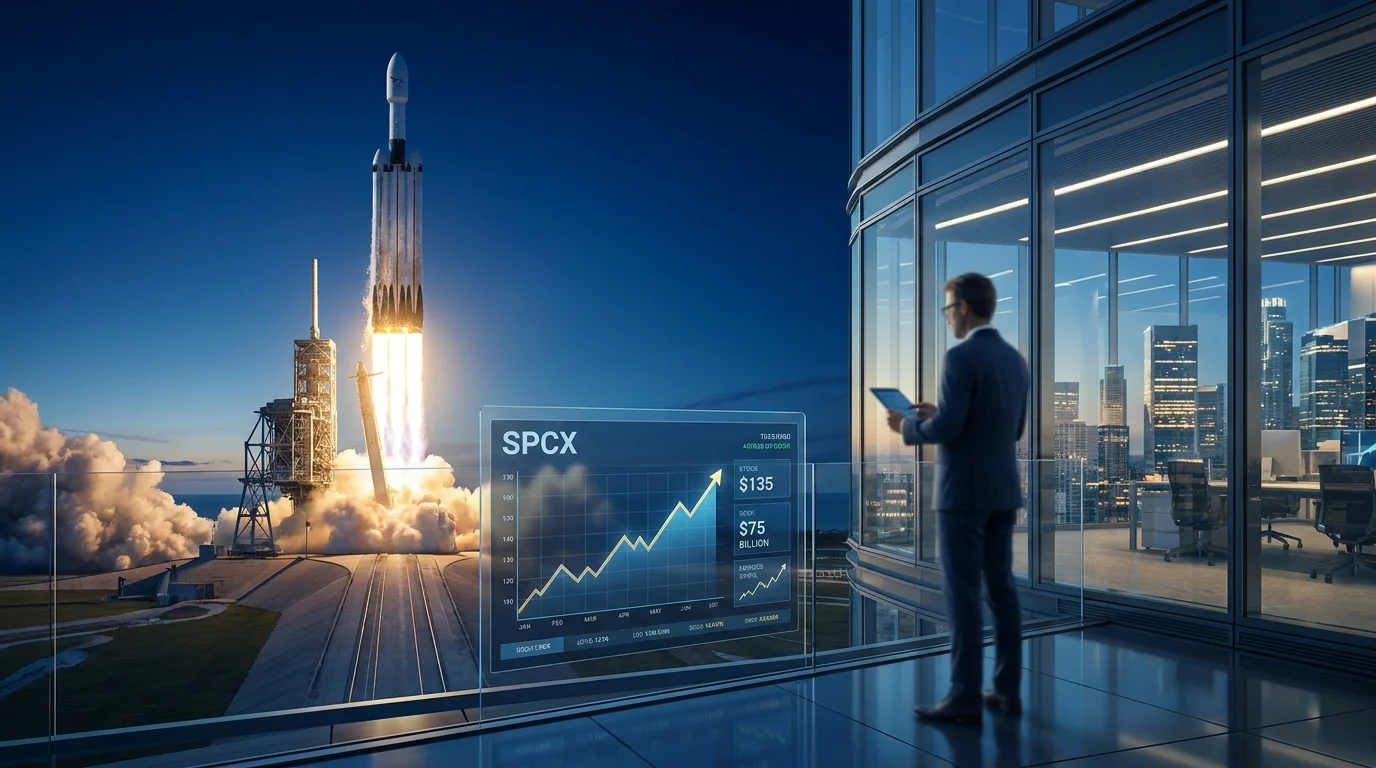
SpaceX's IPO represents a watershed moment in capital markets history, surpassing all previous public offerings by a significant margin. The company priced 555,555,555 shares at $135 each, with underwriters receiving an option to purchase an additional 83.3 million shares. This structure allowed SpaceX to raise $75 billion in primary capital while establishing a post-money valuation of $1.75 trillion.
The demand for SpaceX shares exceeded all expectations, with retail investor participation reaching record levels for an IPO debut. More than 500 million shares changed hands during the first trading session alone, approaching the 580 million share volume Facebook achieved during its historic 2012 IPO.
First-Day Trading Performance
SPCX opened for trading at $150, representing an 11% premium to the IPO price, and continued climbing throughout the session. The stock reached an intraday high of $176.52 before settling at $161 at the close, good for a 19% gain. In extended trading, shares added another 3.5% to reach $166.76, pushing the company's implied market capitalization to approximately $2.2 trillion.
This first-day performance places SpaceX among the most successful mega-cap IPOs in recent memory, though investors should note that such dramatic first-day pops often precede periods of price consolidation. Historical data indicates that major IPOs typically experience significant volatility within their first year of trading.
Hedge Funds Rotate Out of Big Tech to Fund SpaceX Bets
Magnificent Seven Faces Selling Pressure
In the days leading up to the SpaceX debut, hedge funds executed substantial selling campaigns across the largest U.S. technology stocks to free up capital for the historic offering. According to JPMorgan data, funds not only reduced their exposure to the so-called Magnificent Seven but in some cases established outright bearish positions through short sales and put options. The Roundhill Magnificent Seven ETF declined more than 2.4% during this period.
Apple appeared to be a particularly significant source of funds, with multiple reports indicating that hedge funds trimmed or exited positions in the iPhone maker specifically to participate in the SpaceX IPO. This rotation pattern illustrates how even mega-cap technology stocks can face sudden liquidity-driven selling when sufficiently attractive alternatives emerge.
Implications for Tech Sector Valuations
The hedge fund rotation into SpaceX at the expense of established tech giants may signal a broader shift in how institutional investors view the technology landscape. While the Magnificent Seven have delivered exceptional returns driven primarily by AI enthusiasm, SpaceX offers exposure to entirely different growth vectors including space infrastructure and orbital computing.
However, this rotation also introduces new risks to portfolio construction. SpaceX's valuation assumes successful execution across multiple ambitious initiatives that remain years from commercialization, whereas companies like Apple and Microsoft generate hundreds of billions in annual free cash flow today.
Understanding SpaceX's Business Model and Revenue Streams
Starlink: The Profit Engine
Despite SpaceX's reputation as a rocket company, the reality is that its launch services division remains a challenging business from a profitability standpoint. The company's sole consistently profitable segment is Starlink, the satellite internet constellation that has grown to serve millions of subscribers globally. Starlink's direct-to-consumer broadband offering has found particular traction in rural and underserved markets.
During pre-IPO marketing, Elon Musk disclosed that SpaceX has been cash-flow positive since approximately 2015, a milestone achieved primarily through Starlink's subscriber growth and improving unit economics. The satellite division's recurring revenue model and high customer retention rates provide a stable foundation.
xAI Integration and Future Growth Vectors
In February 2026, SpaceX acquired xAI, Musk's artificial intelligence startup, in a transaction that brought together data center infrastructure, Grok AI models, and the social network X under a single corporate umbrella. This integration positions SpaceX to pursue ambitious projects including AI data centers deployed in orbit.
For investors evaluating SPCX stock, understanding the xAI acquisition is crucial because it transforms SpaceX from a pure-play aerospace company into a diversified technology conglomerate spanning rocket manufacturing, satellite internet, artificial intelligence, and social media.
Investment Analysis: Is SPCX Stock a Buy?
The Bull Case for SpaceX
Proponents of SpaceX stock point to several compelling factors that could justify continued appreciation from current levels. First, the company's $28.5 trillion total addressable market estimate reflects genuine opportunities across satellite broadband, space tourism, orbital manufacturing, and interplanetary logistics. Even capturing a fraction of these markets would generate revenues measured in trillions.
Additionally, SpaceX benefits from regulatory moats and technical capabilities that would require years and billions in investment for competitors to replicate. The company's reusable rocket technology significantly reduces launch costs, while its first-mover advantage in large-scale satellite constellations creates network effects.
The Bear Case and Risk Factors
Skeptics, including renowned valuation expert Aswath Damodaran, who called SpaceX's $28.5 trillion TAM a hallucination, argue that the company's current valuation has become completely disconnected from fundamental metrics. With accumulated losses of $41.3 billion since 2002 and only one consistently profitable business segment, SpaceX trades at a premium that assumes near-perfect execution.
Furthermore, the concentration of voting power with Elon Musk introduces key-person risk that sophisticated investors must consider. Musk's controversial public statements and political activities have previously created volatility at Tesla, and similar controversies could impact SpaceX's government contract eligibility.
What the SpaceX IPO Means for the Broader Market
Opening the Floodgates for Private Unicorns
The success of SpaceX's public debut has significant implications for the broader IPO pipeline, potentially encouraging other high-profile private companies to accelerate their own listing timelines. Robert Greifeld, former chief of the Nasdaq, predicted that OpenAI and Anthropic would likely go public this year following SpaceX's successful window-opening.
For investors, this potential surge in new issuance creates both opportunities and challenges. High-quality companies coming to market can provide access to growth stories previously limited to venture capital investors. However, the supply of new shares could also absorb capital that might otherwise flow to existing public equities.
Retail Participation and Market Structure
The record retail investor participation in the SpaceX IPO highlights the evolving structure of equity markets, where individual investors increasingly drive price discovery for newly public companies. This democratization of access represents a positive development for market participation.
For long-term investors considering SPCX, the key is to look past the initial hype and focus on the company's fundamental business trajectory over the coming quarters. If Starlink continues expanding profitably and the company demonstrates progress toward its ambitious space infrastructure goals, the current valuation may eventually appear justified.
Conclusion
SpaceX's historic $75 billion IPO marks a defining moment for both the company and capital markets, demonstrating investor appetite for frontier technology at unprecedented scale. The 19% first-day surge and $2 trillion market capitalization reflect genuine enthusiasm for the company's diversified growth opportunities spanning satellite internet, space infrastructure, and artificial intelligence. However, prospective investors must approach SPCX stock with clear-eyed recognition of the risks.
For investors seeking exposure to the space economy and Musk's vision of a multiplanetary civilization, SPCX offers a direct investment vehicle that was previously unavailable through public markets. The question is not whether SpaceX will play a central role in the commercialization of space, but rather whether the current valuation adequately reflects the risks and timeline required to realize this vision.
Want to stay ahead of market trends and identify the next major investment opportunities before they hit the headlines? Our AI-powered stock analysis platform helps you discover high-potential investments through advanced screening algorithms and real-time market intelligence. Start your free trial today and gain access to professional-grade research tools.
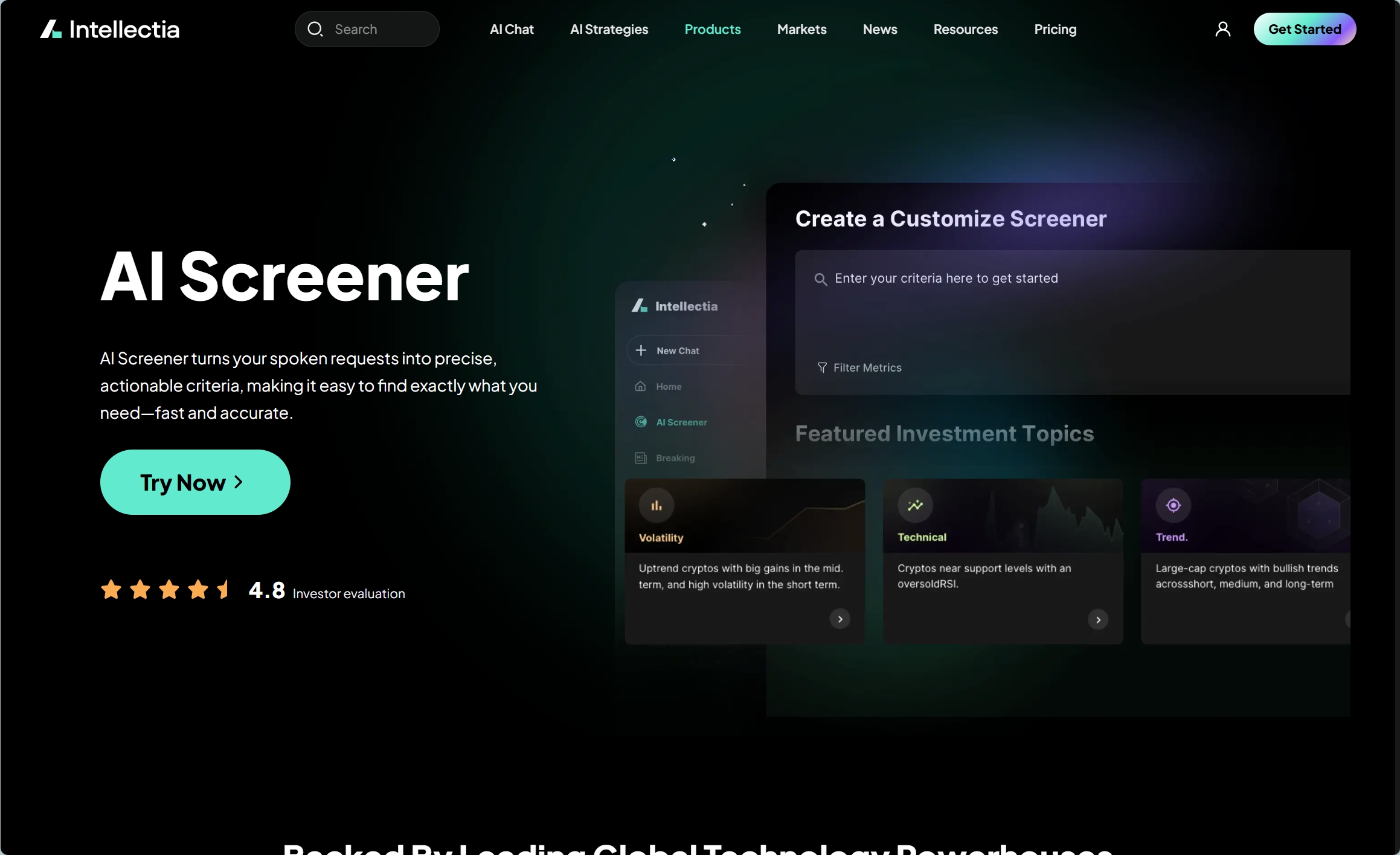
Whether you're evaluating SpaceX stock for your portfolio or searching for the next breakthrough investment opportunity, having the right analytical tools makes all the difference. Our platform combines machine learning with fundamental analysis to identify companies with sustainable competitive advantages.