
Key Takeaway
SpaceX is poised to make history with its June 2026 IPO on the Nasdaq under ticker SPCX, targeting a valuation of $1.75 trillion at a fixed offering price of $135 per share. This represents the largest initial public offering ever recorded, surpassing even the most ambitious tech debuts of the past decade. The company's 2025 revenue reached $18.67 billion, with Starlink emerging as the only profitable segment, providing a solid foundation for the astronomical valuation.
However, investors face a critical decision point. While the bull case suggests potential for a $2 trillion valuation driven by Starlink's satellite dominance, Starship development, and xAI infrastructure integration, bearish analysts warn of potential corrections to $75 per share based on fundamental metrics. The price-to-sales ratio of 60 at IPO rivals the most richly valued tech companies, raising questions about sustainability. This article examines both sides of the SpaceX investment thesis, providing data-driven insights to help investors navigate what could be the defining IPO of this generation.
Understanding the SpaceX IPO Structure
SpaceX has taken an unconventional approach to its public debut, departing from traditional IPO mechanics in ways that signal both confidence and control. Unlike typical offerings that establish a price range and adjust based on demand, SpaceX is offering a take-it-or-leave-it price of $135 per share. This fixed pricing strategy eliminates the price discovery process that usually occurs during bookbuilding, instead presenting the market with a fait accompli that reflects management's strong conviction in the company's worth.
The implications of this approach extend beyond mere pricing mechanics. By setting a fixed $135 entry point, SpaceX effectively communicates that it doesn't need to discount shares to attract investors—a stance that underscores the company's market position and Elon Musk's legendary ability to command premium valuations. The $1.75 trillion implied valuation places SpaceX among the world's most valuable companies from day one, ahead of established giants like Berkshire Hathaway and approaching the territory of Alphabet and Amazon.
This structure also impacts retail investor participation. With retail allocation still being determined, many individual investors wonder how they can access shares at the IPO price versus waiting for secondary market trading. Historical patterns suggest that high-demand IPOs often see significant first-day pops, but SpaceX's fixed pricing and massive size may moderate these dynamics. The sheer scale of the offering—potentially raising tens of billions in fresh capital—means that supply and demand dynamics could play out differently than in smaller tech IPOs.
The Bull Case: Why SpaceX Could Reach $2 Trillion
Starlink stands as the cornerstone of SpaceX's valuation thesis, representing not just a satellite internet provider but potentially the dominant global communications infrastructure of the next decade. The constellation now comprises thousands of satellites, delivering high-speed internet to previously unserved regions while generating the company's only profitable revenue stream. As traditional telecom infrastructure struggles to reach remote areas profitably, Starlink's satellite-based approach offers a compelling alternative that scales globally without the massive capital expenditures required for fiber deployment.
The growth runway for Starlink remains substantial. Current subscriber counts, while impressive, represent only a fraction of the global addressable market. With billions of people lacking reliable internet access and enterprises increasingly requiring redundant connectivity solutions, Starlink's total addressable market could expand by an order of magnitude over the next five years. The service's demonstrated utility in conflict zones and disaster areas has also highlighted its strategic value, potentially opening government and defense revenue streams that command premium pricing.
Starship development adds another dimension to the bull case that pure satellite plays cannot match. While competitors like OneWeb and Amazon's Project Kuiper focus narrowly on internet services, SpaceX's fully reusable super-heavy launch vehicle promises to transform the economics of space access entirely. Successful Starship deployment would reduce launch costs by another order of magnitude, creating a moat that competitors cannot cross. The vehicle's capacity for lunar and Martian missions also positions SpaceX at the forefront of humanity's expansion beyond Earth—a narrative that captures investor imagination and justifies premium valuations.
The integration of xAI infrastructure into SpaceX operations represents a less visible but equally significant value driver. As artificial intelligence becomes increasingly central to satellite operations, autonomous navigation, and data processing, the synergies between Musk's AI ventures and SpaceX's hardware create compounding advantages. This ecosystem approach—where capabilities developed for one application enhance others—mirrors the successful strategies of tech giants like Alphabet and Amazon, suggesting SpaceX could achieve similar platform economics.
MSCI's confirmation of early inclusion rules for SpaceX provides institutional validation that supports higher valuations. Index inclusion triggers automatic buying from passive funds tracking major benchmarks, creating persistent demand for shares regardless of short-term price movements. For a company of SpaceX's size, inclusion in major indices could drive billions in mandated purchases, providing a price floor that benefits early investors. This institutional acceptance marks SpaceX's transition from speculative venture to established blue-chip holding.
The Bear Case: Valuation Risks and Potential Corrections
Despite the compelling growth narrative, SpaceX's $1.75 trillion valuation raises fundamental questions about risk-adjusted returns. A price-to-sales ratio of 60 places the company among the most expensive large-cap stocks globally, exceeding even the richest valuations seen during the 2021 tech bubble. This multiple assumes not just continued growth but flawless execution across multiple complex initiatives, leaving little margin for error if any segment underperforms expectations.
Technical analysis suggests near-term headwinds that could pressure the stock post-IPO. June 2026 projections indicate an average price of $123.32, already below the $135 offering level, with July and August following similar patterns of relative weakness near $119.18 and $118.53. This projected 12% decline from IPO pricing reflects market skepticism about sustaining premium valuations in an environment of rising interest rates and compressed growth multiples. Early investors should prepare for potential volatility as the market digests the offering and establishes a trading range.
The most bearish scenarios suggest corrections as severe as 44%, with prices potentially falling to $75 per share. Even at this level, SpaceX would maintain a market capitalization approaching $1 trillion with a price-to-sales ratio of 60—still among the richest valuations in the market. This analysis highlights how extreme the current pricing is: a "crash" to $75 would leave the company valued more highly than most established tech giants on a revenue basis, suggesting that downside risk remains significant even after substantial declines.
Profitability concerns extend beyond overall company performance to the specific economics of satellite deployment. While Starlink generates positive cash flow, the massive capital requirements for building and maintaining the constellation create ongoing funding needs. Each satellite has a limited operational lifespan, requiring continuous replacement launches just to maintain current capacity, let alone expand the network. This capital intensity contrasts sharply with software businesses that can scale with minimal incremental costs, raising questions about whether satellite internet can support the margins implied by current valuations.
Competitive threats also loom on the horizon. Amazon's Project Kuiper, backed by virtually unlimited capital and existing cloud infrastructure, represents a formidable challenger to Starlink's dominance. OneWeb's focus on enterprise and government customers offers an alternative model that may prove more profitable than consumer-oriented services. Traditional telecom providers are not standing still either, investing in low-earth orbit capabilities and next-generation ground infrastructure that could narrow Starlink's technology advantage. By the time SpaceX achieves its growth targets, the competitive landscape may look substantially different.
Investment Strategy: How to Approach SPCX
For investors considering SpaceX exposure, the entry point matters enormously given the valuation extremes. Dollar-cost averaging into a position over 6-12 months can help mitigate timing risk, ensuring that purchases occur at various price levels rather than concentrating at a single potentially unfavorable moment. This approach acknowledges the uncertainty surrounding short-term price movements while maintaining conviction in the long-term thesis.
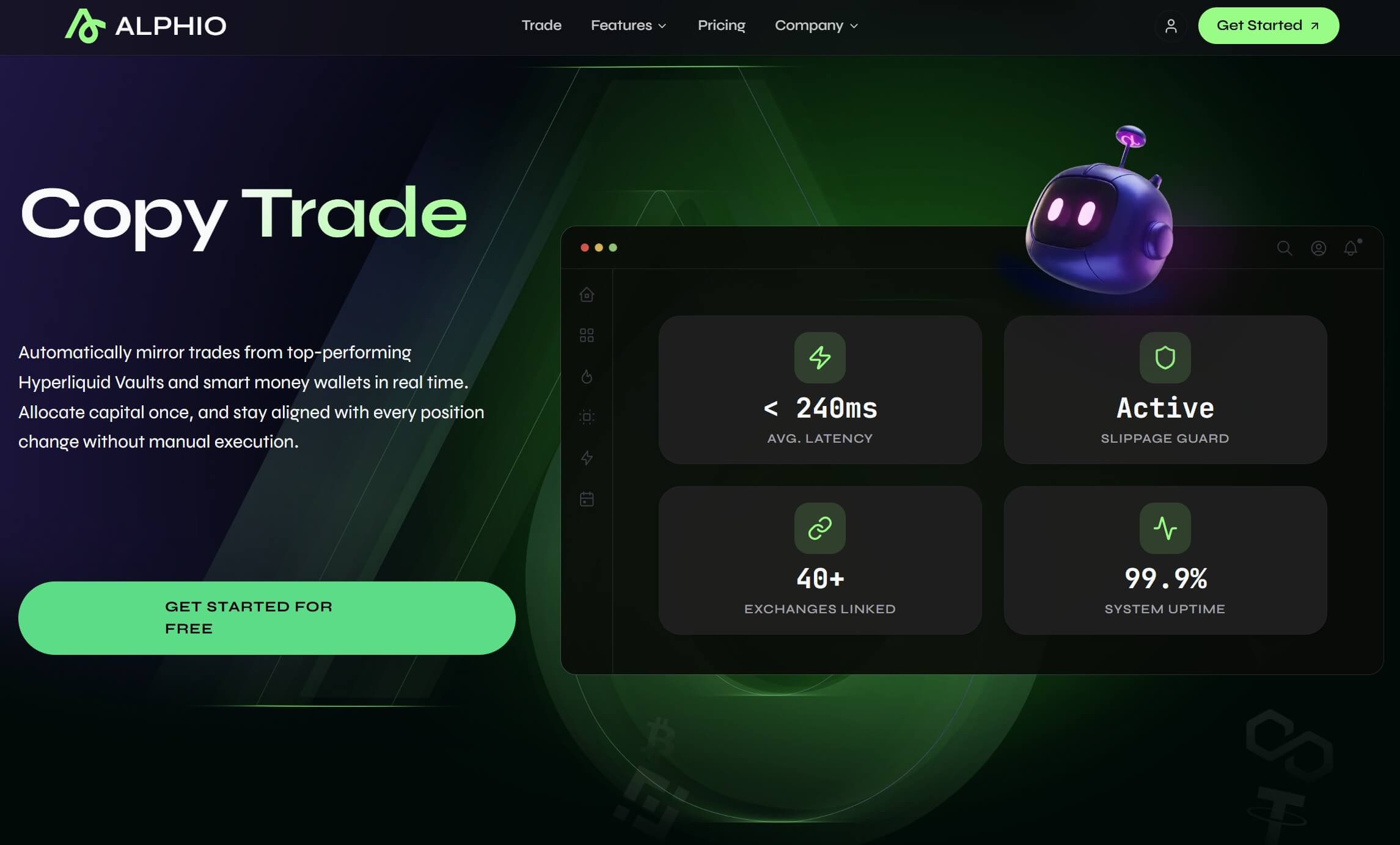
For investors seeking exposure to innovative trading platforms and the broader crypto ecosystem, consider using Alphio AI's copy trading feature to mirror successful traders and smart money wallets navigating these volatile markets.
Position sizing should reflect SpaceX's risk profile as a high-growth, high-volatility holding. Allocating more than 5-10% of a portfolio to SPCX, even for aggressive investors, concentrates risk in a single company facing multiple execution challenges. A more prudent approach treats SpaceX as a satellite holding—pun intended—complementing a core portfolio of diversified index funds and established blue-chip stocks. This structure captures upside potential while limiting damage if the bear case materializes.
Alternative exposure strategies may suit investors uncomfortable with direct equity purchases. SpaceX suppliers and partners offer indirect exposure to the company's growth while trading at more reasonable valuations. Companies providing satellite components, ground station equipment, or launch services benefit from increased space activity without bearing the full risk of SpaceX's capital-intensive business model. This approach sacrifices some upside for diversification benefits that may prove valuable if SpaceX encounters headwinds.
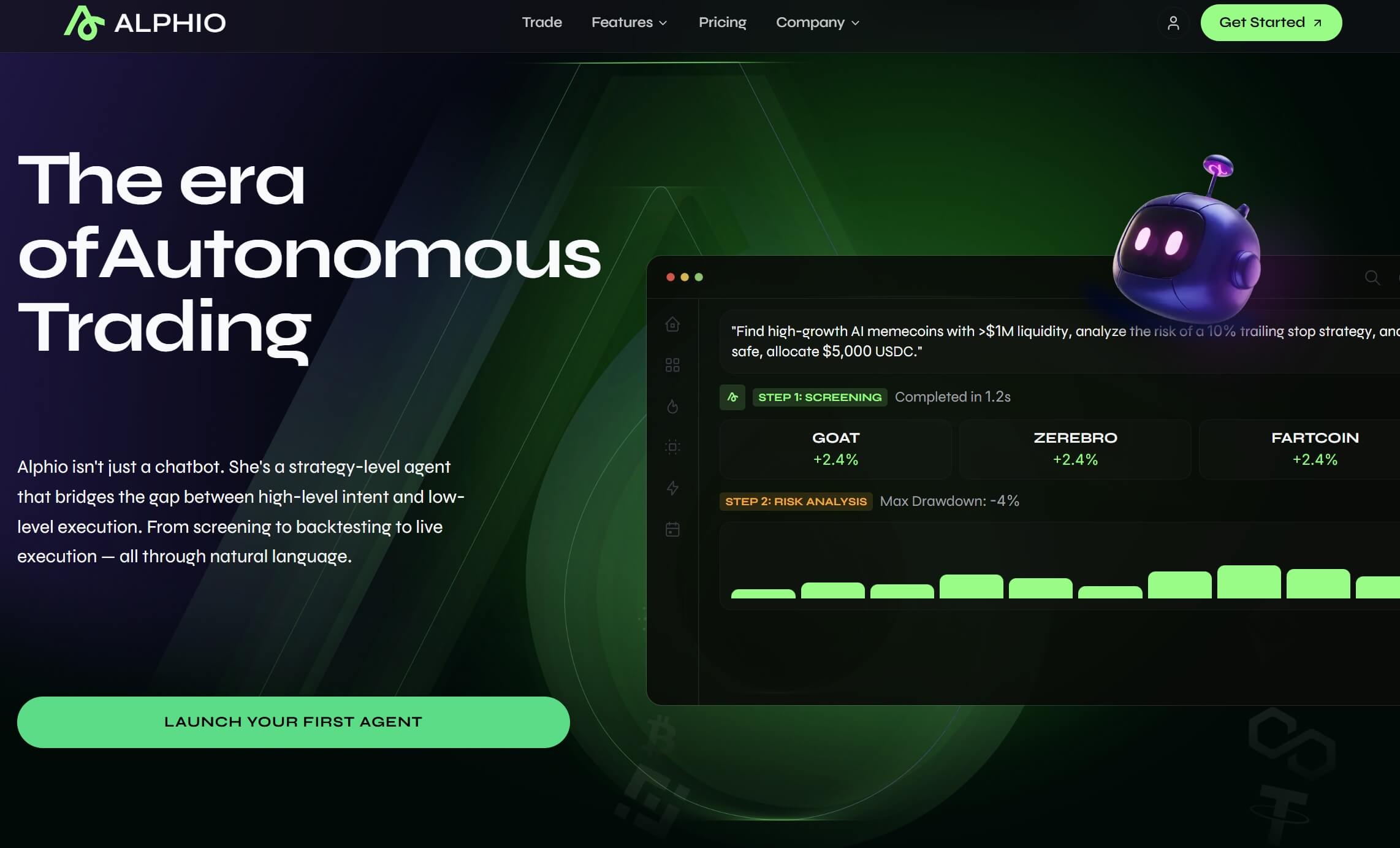
Alternatively, explore agentic trading to automate your portfolio management with AI-powered strategies that can adapt to market conditions.
The lock-up period dynamics deserve attention for those accessing shares through private market purchases or employee stock plans. With significant insider holdings scheduled for gradual release, supply increases over the first year of trading could pressure prices regardless of company performance. Understanding these vesting schedules provides context for price movements that might otherwise seem disconnected from operational results. Patient investors may find better entry points as these technical factors play out.
SpaceX vs. The Competition: Market Position Analysis
The competitive landscape for space-based services has evolved dramatically, with SpaceX's first-mover advantage in reusable rockets now being challenged across multiple fronts. While competitors struggle to match Falcon 9's cost structure, let alone Starship's projected economics, they are finding niches where SpaceX's broad approach creates opportunities for specialization. Understanding these competitive dynamics helps investors assess whether SpaceX's dominance is sustainable or transitional.
United Launch Alliance's Vulcan rocket represents the most credible near-term challenge to SpaceX's launch monopoly. Backed by Boeing and Lockheed Martin, ULA has secured military contracts that SpaceX cannot access due to security requirements, maintaining a revenue base even as commercial market share erodes. The company's focus on reliability over cost appeals to certain high-value customers willing to pay premiums for mission assurance. This bifurcated market—commercial customers choosing SpaceX, government customers maintaining alternatives—suggests room for multiple players even as SpaceX captures the bulk of growth.
In satellite internet, the competitive threat is more immediate and substantial. Amazon's Project Kuiper plans to launch over 3,000 satellites, leveraging the company's cloud infrastructure and e-commerce distribution to challenge Starlink. While years behind in deployment, Amazon's capital resources and existing customer relationships pose a credible long-term threat. The key question is whether satellite internet is a winner-take-all market or can support multiple profitable providers, with implications for SpaceX's growth trajectory and pricing power.
International competition adds geopolitical dimensions to the investment thesis. Chinese companies operate under state direction with effectively unlimited funding, pursuing capabilities that mirror SpaceX's achievements. While direct competition is limited by market access restrictions, Chinese success in space would reduce the strategic premium Western investors place on SpaceX. European and Indian space programs, while less ambitious, also contribute to a landscape where SpaceX's technological advantages may narrow over time.
The vertical integration strategy that has served SpaceX well in launch services may face limits in satellite internet. Building customer equipment, operating ground stations, managing subscriber relationships, and maintaining the satellite constellation simultaneously stretches organizational capabilities. Competitors focusing on specific segments may achieve better economics in their chosen areas, even if they cannot match SpaceX's scale. This dynamic suggests SpaceX's path to profitability may be longer and more complex than the current valuation implies.
The Future of SpaceX: 2027-2030 Outlook
Looking beyond the immediate IPO excitement, SpaceX's trajectory over the next five years depends on executing several ambitious initiatives simultaneously. The Starship program must transition from experimental flights to reliable commercial service, dramatically expanding the payload capacity available for large-scale satellite deployment and interplanetary missions. Success here validates the company's long-term vision while failure would strand significant invested capital without generating returns.
Starlink's evolution from a consumer internet service to a comprehensive communications platform represents the most consequential near-term opportunity. Adding direct-to-cell capabilities, enterprise services, and government applications could multiply revenue per subscriber while expanding the total addressable market. The constellation's density also creates defensive moats, as competitors cannot easily replicate the coverage and capacity that years of launches have established. These network effects, once established, become difficult to displace.
Mars colonization remains the ultimate justification for SpaceX's existence and valuation, though the timeline for meaningful progress remains uncertain. Starship's development is explicitly oriented toward this goal, with each engineering decision evaluated against Mars mission requirements. Investors should recognize that some portion of current valuation reflects optionality on humanity becoming a multi-planetary species—a binary outcome with massive implications but uncertain probability. This speculative component adds volatility that more grounded investors may find uncomfortable.
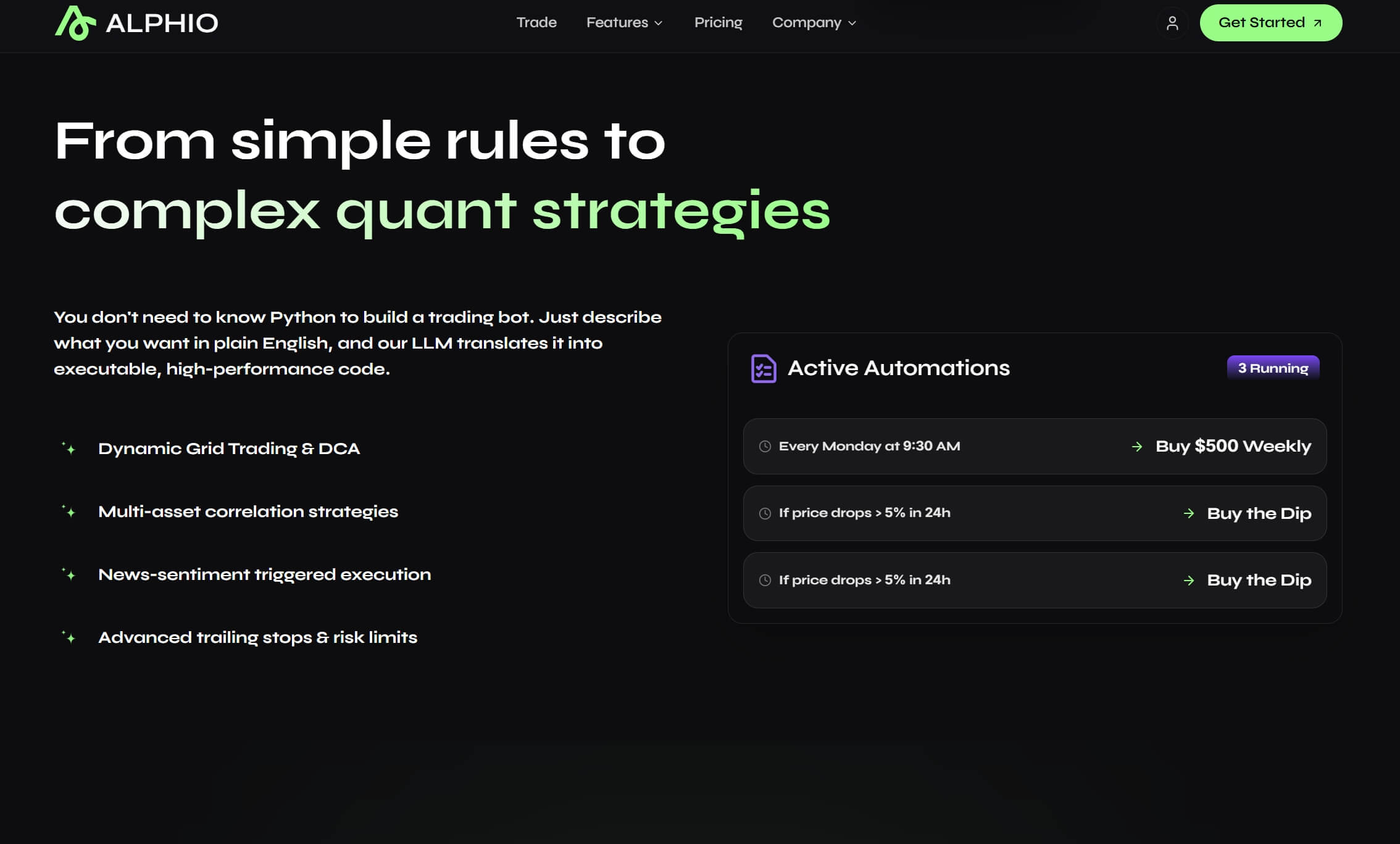
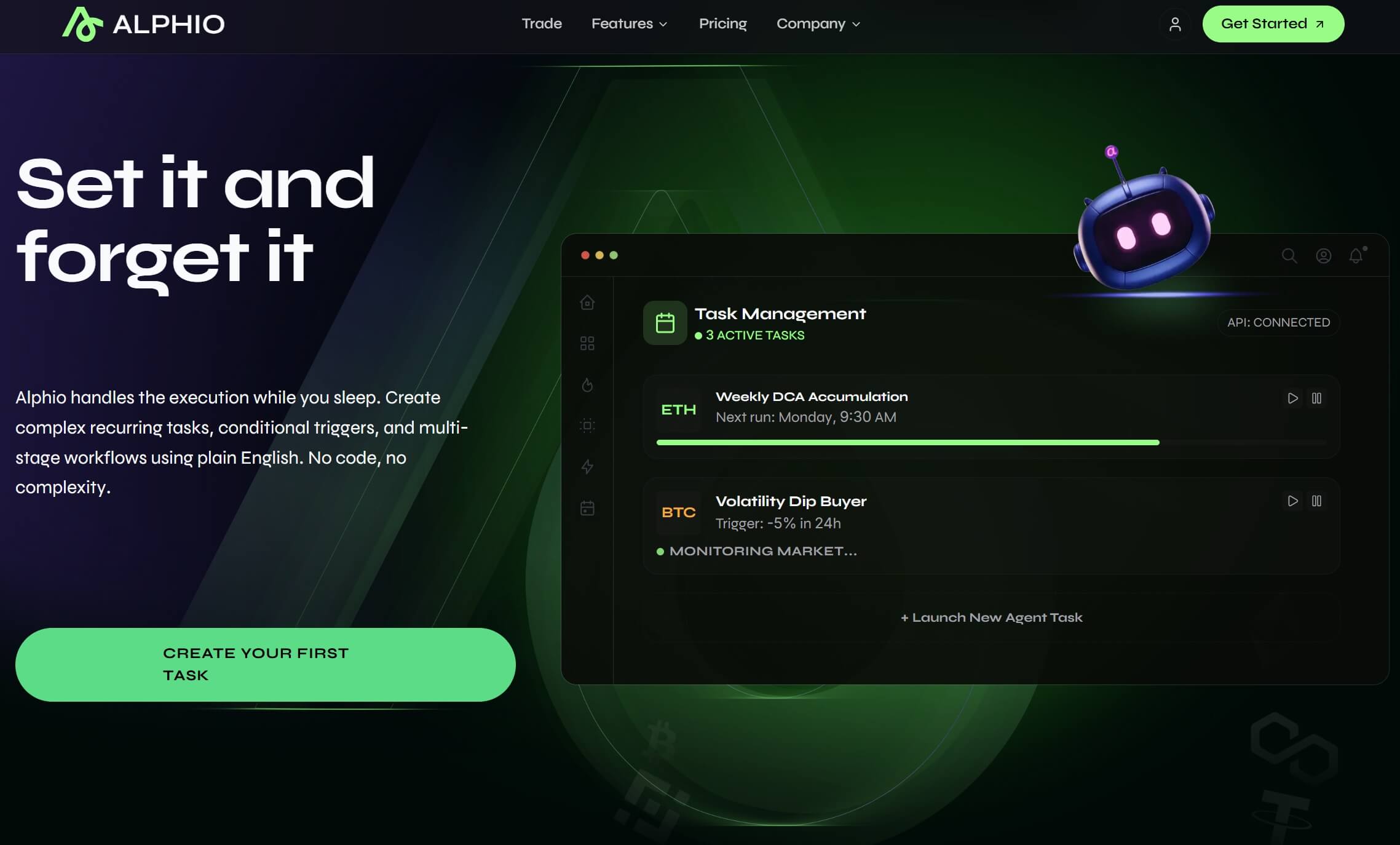
For investors looking to automate their trading strategies and capture opportunities in emerging sectors like space technology, consider using Alphio AI's scheduled task automations to set conditional workflows that respond to market movements.
The integration of artificial intelligence into space operations represents another frontier with significant implications. Autonomous satellite management, predictive maintenance, and optimized routing could reduce operational costs while improving service quality. SpaceX's relationship with xAI provides potential advantages in this area, though the practical benefits remain to be demonstrated. Investors should monitor developments here as a potential catalyst for margin expansion that could justify current valuations.
Regulatory developments will shape the competitive environment in ways that are difficult to predict. Spectrum allocation, orbital debris management, and planetary protection protocols all impose constraints that could favor incumbents like SpaceX or create opportunities for challengers. The company's scale provides lobbying advantages, but regulatory risk remains a persistent concern for any space-based business. Changes in how governments manage orbital resources could significantly impact long-term economics.
Conclusion
SpaceX's IPO represents a watershed moment for both the company and investors seeking exposure to the final frontier. The $1.75 trillion valuation at $135 per share reflects extraordinary confidence in Elon Musk's vision and the company's execution capabilities. For believers in the multi-planetary future SpaceX promises, this offering provides the first opportunity to participate financially in that journey through a publicly traded vehicle.
However, the valuation extremes demand careful consideration of risk-adjusted returns. A price-to-sales ratio of 60 assumes flawless execution across multiple complex initiatives while ignoring competitive threats and regulatory uncertainties. Investors purchasing at IPO prices are betting not just on SpaceX's success but on the company exceeding already-lofty expectations. Historical patterns suggest that even great companies purchased at excessive valuations can deliver disappointing returns over extended periods.
For those committed to owning SPCX, a patient approach that scales into positions over time and maintains appropriate portfolio diversification offers the most prudent path. The company's fundamental prospects remain compelling even if near-term price movements prove volatile. Starlink's dominance in satellite internet, Starship's potential to transform launch economics, and the optionality on Mars colonization create a unique investment profile that justifies inclusion in growth-oriented portfolios—at the right price.
Whether SpaceX becomes the defining investment of this generation or a cautionary tale about valuation excess will become clearer over the coming years. What is certain is that no investor can afford to ignore this offering. Even those who choose not to participate should understand the implications of a $1.75 trillion space company for broader market dynamics and portfolio construction.
Explore conversational trading features to execute trades via chat and stay connected with market opportunities.