
Key Takeaway
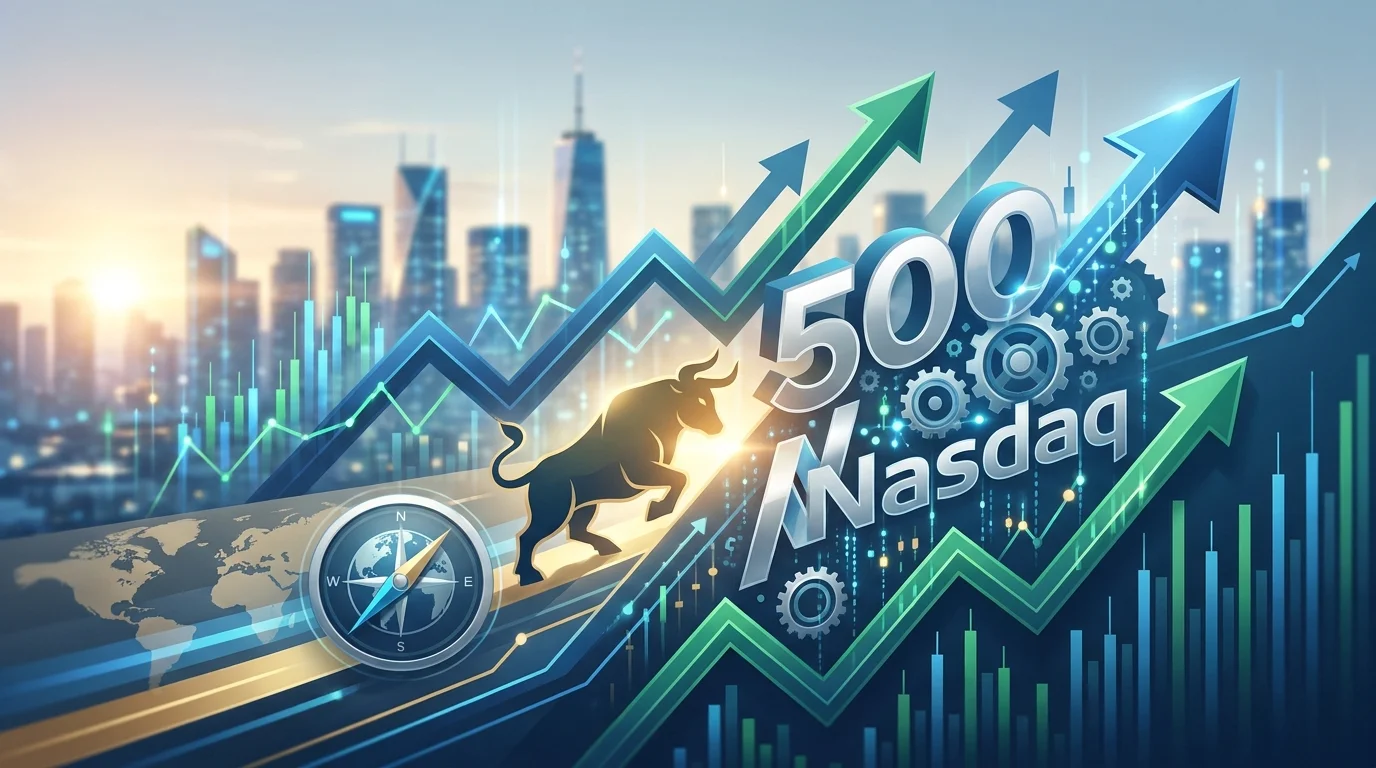
The S&P 500 and Nasdaq Composite have achieved remarkable milestones, closing at fresh all-time highs of 7,022.95 and 24,016.02 respectively on Wednesday, April 15, 2026. This extraordinary rally represents a complete recovery from the market turmoil triggered by the US-Iran conflict, demonstrating the resilience of American equity markets in the face of significant geopolitical uncertainty. The S&P 500 has now posted gains in nine of the past ten sessions, while the tech-heavy Nasdaq extended its winning streak to ten consecutive days.
Several converging factors have propelled this resurgence. Hope for diplomatic progress in US-Iran negotiations has helped alleviate concerns about sustained oil price shocks and supply chain disruptions. Meanwhile, robust corporate earnings from technology giants, particularly in the semiconductor and artificial intelligence sectors, have reinforced investor confidence in the underlying strength of the US economy. The combination of easing geopolitical tensions and solid fundamental performance has created a powerful tailwind that has carried major indexes to unprecedented levels.
Looking ahead, investors should recognize that while markets have demonstrated impressive resilience, risks remain. Oil prices remain volatile, and the full economic impact of the Iran conflict is still unfolding. However, the speed of this recovery suggests that markets are increasingly focused on corporate earnings growth and technological innovation rather than short-term geopolitical disruptions.
Market Recovery from Geopolitical Shock
The journey to these record highs has been anything but smooth. When the US-Israeli conflict with Iran erupted in early 2026, global markets experienced significant turbulence. Oil prices spiked dramatically as fears mounted over potential disruptions to shipping through the Strait of Hormuz, through which approximately one-fifth of global oil consumption passes. The initial shock sent ripples through equity markets, with risk assets selling off sharply as investors sought safety in traditional havens.
However, the market's recovery has been equally dramatic. Over the past two weeks, major indexes have not only recouped all losses associated with the conflict but have pushed into uncharted territory. This V-shaped recovery illustrates the adaptive nature of modern financial markets and their ability to price in new information rapidly. The S&P 500's climb above its previous intraday peak of 7,002.28 set in late January marks a significant psychological milestone for investors.
The catalyst for this turnaround has been growing optimism surrounding potential diplomatic solutions. President Trump's recent comments suggesting the war could be "very close to over" have provided markets with hope that a negotiated settlement may be within reach. Reports of potential talks in Islamabad have further buoyed sentiment, with investors pricing in the possibility of reduced oil supply risks and a return to more stable geopolitical conditions.
Tech Sector Leads the Charge
Technology stocks have been the primary engine driving this market rally. The Nasdaq Composite's ten-day winning streak reflects exceptional strength across the semiconductor, software, and AI infrastructure sectors. This outperformance underscores the market's continued appetite for growth stocks and the transformative potential of artificial intelligence technologies.
Taiwan Semiconductor Manufacturing Company (TSM) has emerged as a standout performer, with the company reporting impressive first-quarter 2026 revenue of $35.76 billion, representing a 35% year-over-year increase. This robust growth has been driven by insatiable demand for AI chips, with analysts now setting price targets as high as $600 per share. As the world's largest contract chip manufacturer, TSMC's performance serves as a bellwether for the broader semiconductor industry and the health of AI infrastructure spending.
Nvidia continues to dominate the AI chip market, with the company delivering 73% revenue growth in its most recent quarter. Wall Street analysts project even more impressive numbers ahead, forecasting 79% growth in the first quarter and 85% in the second quarter. For a company that has already become the world's largest by market capitalization, these growth projections are truly remarkable and demonstrate the extraordinary demand for AI computing power.
Other technology leaders have also contributed to the rally. Tesla surged 8% after CEO Elon Musk teased the company's AI5 chip, signaling the electric vehicle maker's continued push into artificial intelligence and autonomous driving technologies. Oracle extended its gains to 19% over the past five days, riding the wave of enterprise AI adoption and cloud infrastructure demand. Micron Technology has experienced a significant rally driven by strong demand for memory chips from AI applications, highlighting how the AI boom is benefiting the entire semiconductor ecosystem.
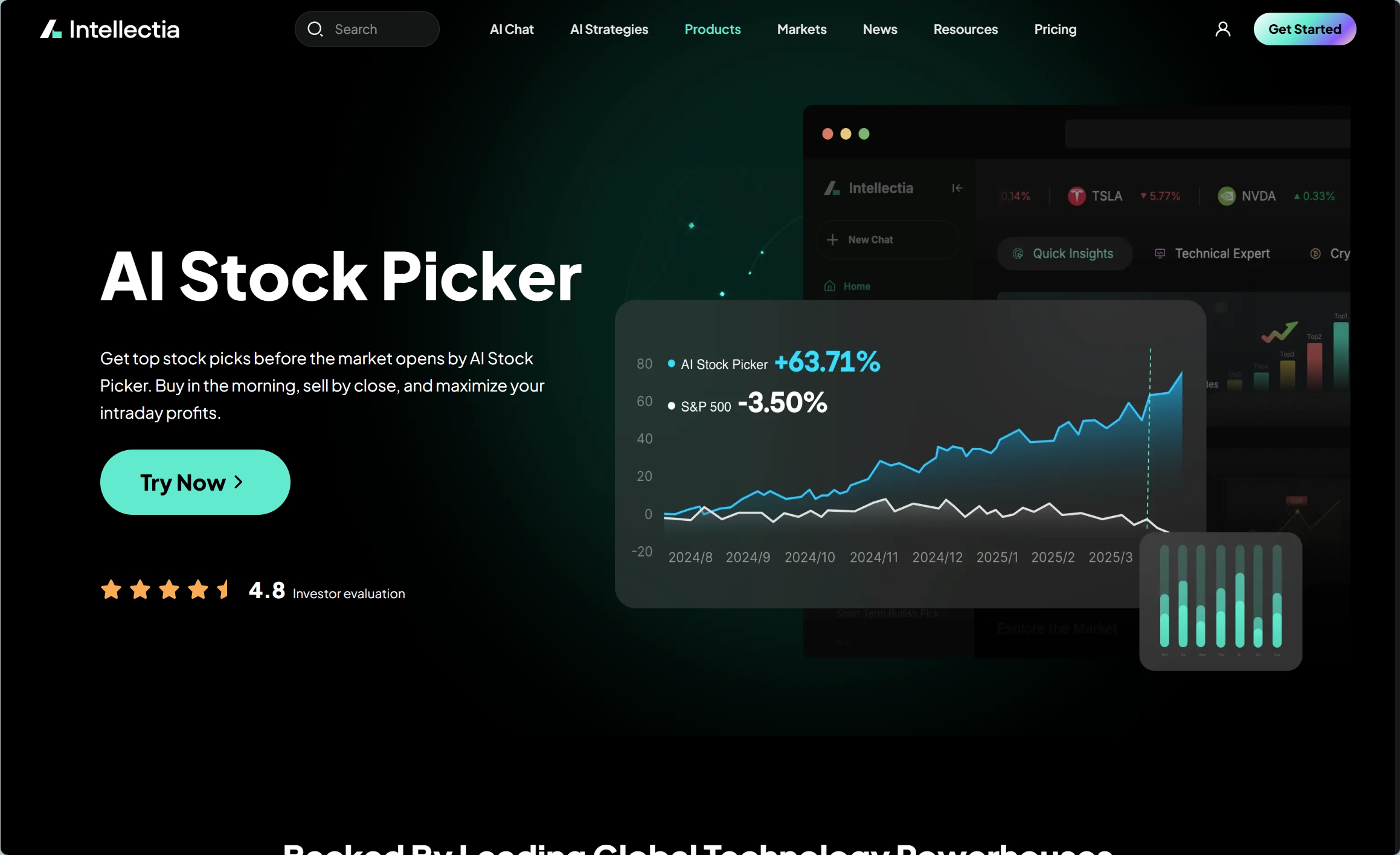
Unlock AI-powered stock picks with Intellectia.AI. Our advanced algorithms analyze thousands of stocks to identify the best opportunities in the AI and technology sectors. Start your free trial today and discover why smart investors are using AI to stay ahead of the market.
Earnings Season Delivers Strong Results
The first quarter 2026 earnings season has provided another catalyst for the market's upward momentum. Companies across sectors have reported better-than-expected results, with technology firms particularly standing out. This earnings strength has helped validate the elevated valuations that many growth stocks command and has provided concrete evidence that corporate America continues to thrive despite macroeconomic headwinds.
The financial sector has also contributed to the rally, with banks benefiting from a steeper yield curve and resilient consumer spending. The combination of solid loan growth and improved net interest margins has translated into robust profitability for major financial institutions. This broad-based earnings strength suggests that the economic expansion remains on solid footing, even as the Federal Reserve maintains higher interest rates to combat inflation.
Corporate guidance for the remainder of 2026 has been generally optimistic, with management teams expressing confidence in their ability to navigate ongoing challenges. Technology companies, in particular, have highlighted the long-term growth opportunities presented by AI adoption, with many raising their capital expenditure plans to meet surging demand for data center infrastructure and advanced semiconductors.
Oil Prices and Inflation Outlook
One of the most significant developments supporting the market rally has been the stabilization of oil prices. After initially spiking on concerns about potential supply disruptions from the Iran conflict, crude oil prices have retreated as diplomatic hopes have risen. This easing of energy costs has helped alleviate concerns about a renewed inflationary surge that could force the Federal Reserve to maintain or even increase interest rates.
The temporary ceasefire agreement between the US and Iran has reduced the risk of a sudden inflationary shock, according to economists. However, they caution that the economic risks of the conflict remain skewed toward higher inflation, as the inflationary aspects of commodity price shocks have thus far dominated growth concerns. Unless forward growth prospects deteriorate sharply, this repricing is likely to remain somewhat sticky even as short-term yields sit higher than most baseline forecasts for central bank policy paths.
For investors, the moderation in oil prices represents a Goldilocks scenario of sorts. Energy costs remain elevated enough to support the earnings of oil and gas producers, while not being so high as to crush consumer spending or trigger aggressive monetary tightening. This balance has contributed to the risk-on sentiment that has characterized recent trading sessions.
Investor Sentiment and Market Technicals
From a technical perspective, the market's breakout to new highs has triggered additional buying momentum. When major indexes breach previous resistance levels, it often attracts trend-following algorithms and momentum traders who add fuel to the rally. The S&P 500's decisive move above the 7,000 level has cleared the path for potentially further gains, with many analysts now eyeing 7,500 as the next major milestone.
Investor sentiment surveys have shown a marked improvement in recent weeks, with the American Association of Individual Investors' bullish sentiment indicator rising to its highest level since early 2024. This optimism reflects not only the recovery from Iran war fears but also confidence in the durability of the economic expansion and the continued strength of corporate earnings.
However, contrarian investors may view this surge in optimism with some caution. When sentiment becomes too euphoric, it can sometimes signal that a market is nearing a short-term top. That said, the underlying fundamentals of earnings growth, technological innovation, and potential geopolitical de-escalation provide a solid rationale for the current rally that goes beyond mere sentiment-driven speculation.

Find winning stocks before they break out with Intellectia.AI's AI Screener. Our intelligent screening tools help you identify high-potential opportunities across all market sectors. Filter by technical patterns, fundamental metrics, and AI-powered growth scores. Try it free today.
Sector Performance Analysis
The rally to record highs has been broad-based, with all eleven S&P 500 sectors participating in the gains. However, the technology and communication services sectors have clearly led the way, benefiting from the AI boom and strong digital advertising trends. Financials have also performed well, as higher interest rates continue to support net interest margins and trading activity remains robust.
Consumer discretionary stocks have shown resilience despite concerns about consumer spending, with companies demonstrating pricing power and operational efficiency. Healthcare has provided steady support, while industrials have benefited from infrastructure spending and defense contracts related to the geopolitical situation.
Energy stocks, after an initial surge on the Iran conflict, have given back some gains as oil prices stabilized. However, the sector remains well-positioned should diplomatic efforts fail and supply concerns resurface. Utilities have lagged slightly, as higher interest rates make their dividend yields less attractive relative to fixed-income alternatives.
Risks and Challenges Ahead
Despite the impressive rally, investors should remain mindful of several risks that could derail the current momentum. The situation with Iran remains fluid, and any breakdown in diplomatic efforts could quickly reignite oil price volatility and geopolitical risk premiums. The market's rapid recovery may have become somewhat complacent about these risks, leaving it vulnerable to negative news surprises.
Inflation remains a persistent concern, with the Federal Reserve maintaining a hawkish stance until price pressures show more definitive signs of easing. If oil prices were to spike again or wage growth accelerates, the Fed might be forced to delay rate cuts or even consider additional tightening, which could pressure equity valuations.
Valuation concerns also warrant attention. With major indexes at record highs, many stocks are trading at premium multiples that assume continued strong earnings growth. Any disappointments on the earnings front could trigger sharp corrections, particularly in the technology sector where expectations are sky-high.
Additionally, the concentration of gains in a handful of mega-cap technology stocks creates index-level vulnerability. If these market leaders stumble, the broader market could experience significant volatility even if the underlying economy remains healthy.
Conclusion
The S&P 500 and Nasdaq Composite's ascent to record highs represents a remarkable demonstration of market resilience and investor confidence. The swift recovery from Iran war fears, combined with stellar earnings from technology leaders and hopes for diplomatic progress, has created a powerful bullish narrative that has propelled markets to unprecedented levels.
For investors, this rally validates the importance of maintaining a long-term perspective and not overreacting to short-term geopolitical disruptions. While risks certainly remain, the underlying strength of corporate America and the transformative potential of artificial intelligence provide compelling reasons for continued optimism.
As we move deeper into 2026, investors should focus on identifying companies with durable competitive advantages, strong cash flows, and exposure to secular growth trends like AI and digital transformation. While market timing is notoriously difficult, maintaining a diversified portfolio of high-quality stocks appears to be the most prudent strategy in this environment.
Ready to take your investing to the next level? Sign up for Intellectia.AI today and access our suite of AI-powered investment tools. From intelligent stock screening to AI-driven analysis, we provide the insights you need to navigate record-breaking markets with confidence. Don't just watch the rally—position yourself to profit from it with the power of artificial intelligence on your side. Start your free trial now.