
Key Takeaway
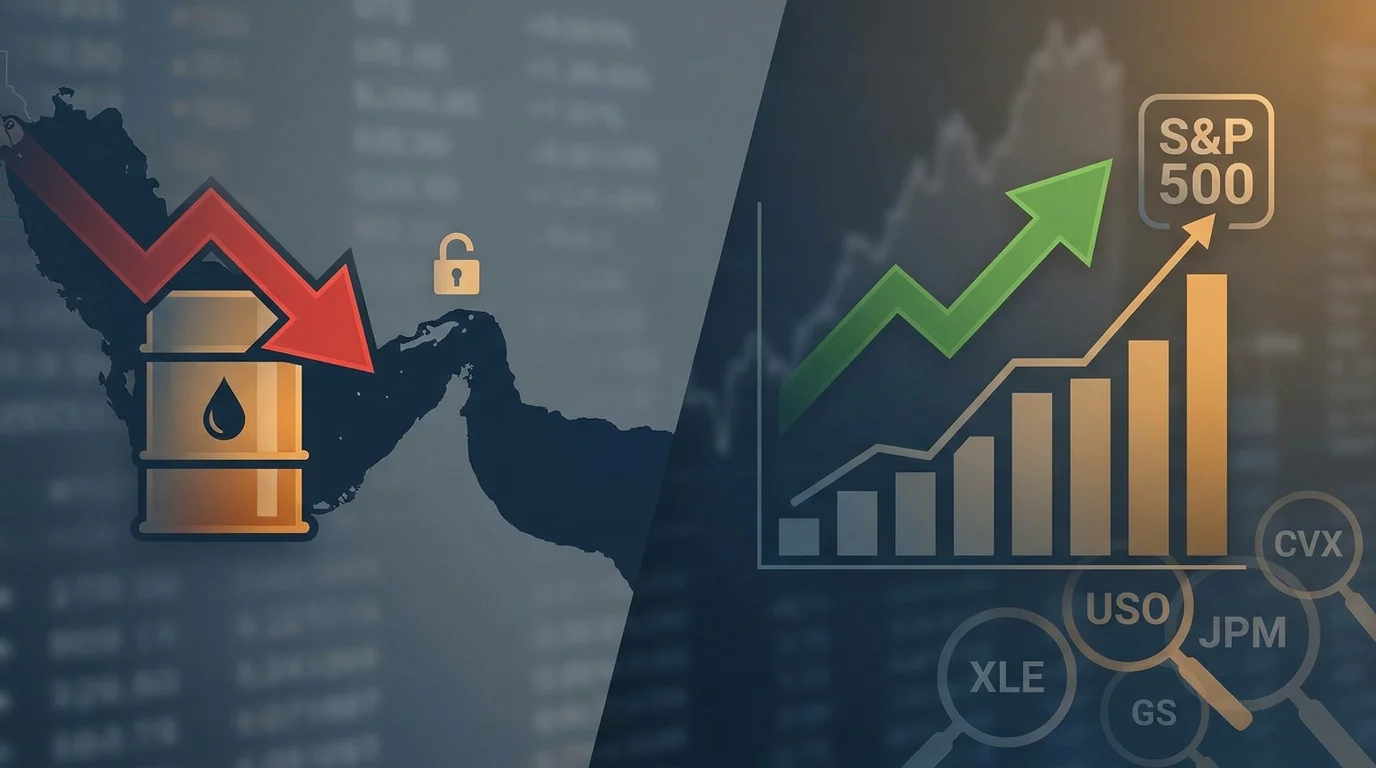
The global financial markets witnessed a dramatic reversal in mid-April 2026 as geopolitical tensions eased and risk appetite returned with force. On April 17, 2026, Iran's foreign minister announced that the Strait of Hormuz would be completely open to commercial vessels for the remainder of the ceasefire period, triggering an immediate 11% collapse in oil prices from $110 to approximately $80 per barrel. This development, combined with stronger-than-expected Q1 earnings from Wall Street's banking giants, propelled the S&P 500 to its first-ever close above 7,100, marking a historic milestone in the index's recovery from the US-Iran conflict that had weighed on markets for months.
The Nasdaq Composite achieved its longest winning streak since 1992, extending to 13 consecutive days of gains as technology stocks led the broader market rally. JPMorgan Chase reported record quarterly profits of $16.5 billion with trading revenue surging 21%, while Goldman Sachs delivered $17.23 billion in revenue with fixed income trading up 27%. For investors, this convergence of geopolitical de-escalation and robust corporate earnings presents both opportunities in beaten-down energy names and confirmation that the bull market remains intact despite earlier concerns about Middle East instability.
The Strait of Hormuz Reopening: A Geopolitical Game Changer
Iran's Strategic Decision
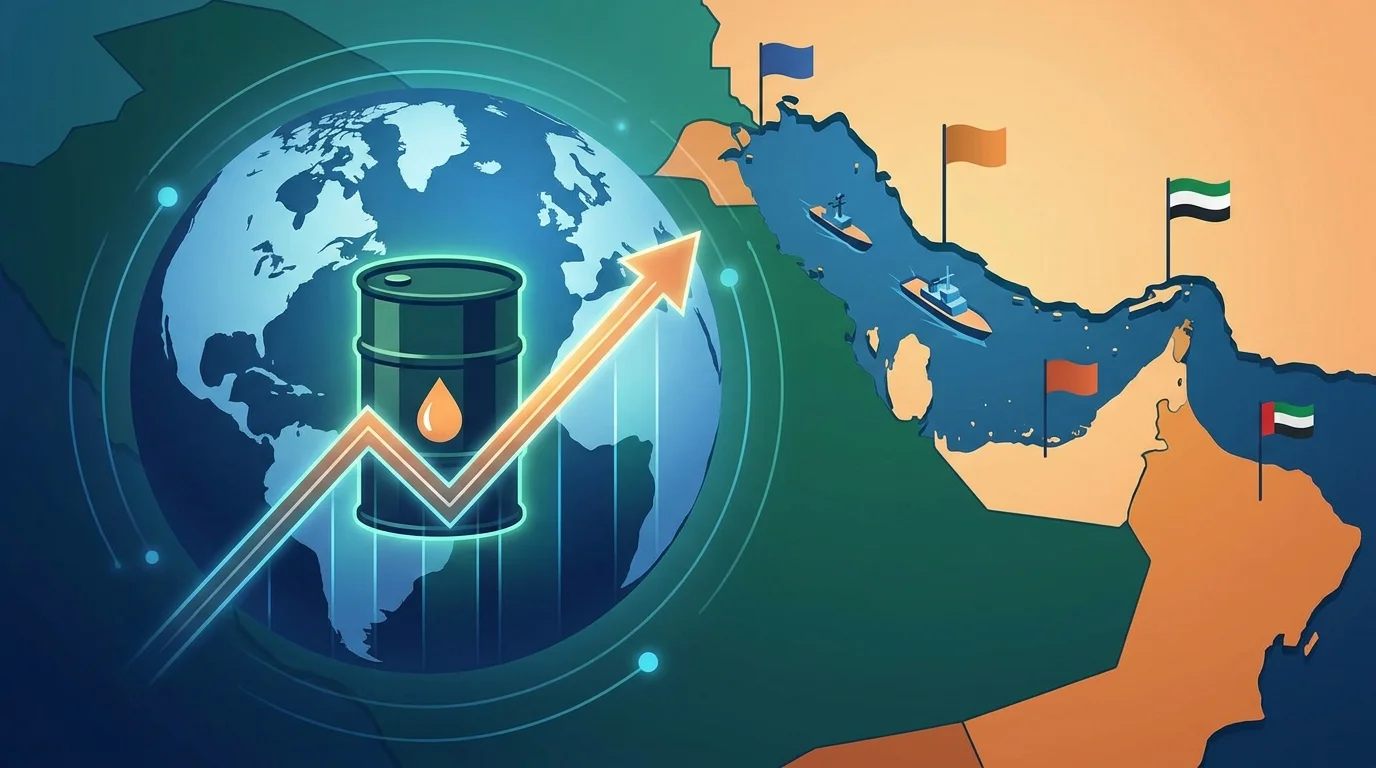
The announcement on April 17, 2026, that Iran would reopen the Strait of Hormuz to commercial shipping represented a watershed moment in the ongoing geopolitical standoff that had threatened global energy supplies. The Strait of Hormuz, through which approximately 20% of global oil consumption passes daily, had been effectively closed to commercial traffic since the escalation of hostilities between the United States, Israel, and Iran. This closure had created significant supply concerns, driving Brent crude prices above $110 per barrel and keeping energy markets on edge for weeks.
Iran's foreign minister stated that passage for all commercial vessels would be open for the remaining duration of the ceasefire in Lebanon, signaling a potential thaw in the conflict that had dominated headlines since early 2026. The decision came amid intensifying diplomatic efforts and growing international pressure to de-escalate a conflict that threatened not only regional stability but the global economy's fragile recovery. For energy traders and market participants, this announcement removed a significant risk premium that had been baked into oil prices, triggering one of the sharpest single-day declines in crude oil in recent memory.
Immediate Market Reaction
The market's response to Iran's announcement was swift and severe for oil bulls. Brent crude futures plummeted approximately 11% in immediate trading, falling from around $110 per barrel to roughly $80 per barrel within hours of the announcement. This represented a stunning reversal of the risk premium that had accumulated during the crisis, as traders rapidly repriced the supply outlook with the Strait of Hormuz reopening.
The United States Oil Fund (USO), which tracks WTI crude oil prices, experienced extreme volatility, trading in a daily range between $110.35 and $116.87 before settling significantly lower. For investors who had positioned for continued supply disruptions, the sudden reversal served as a stark reminder of how quickly geopolitical risk premiums can evaporate when diplomatic breakthroughs occur. The speed and magnitude of the decline also highlighted the extent to which speculative positioning had built up around the conflict, with many traders caught offsides by the abrupt change in sentiment.
Oil Market Analysis: From Supply Shock to Supply Glut Fears
The Price Collapse Explained
The 11% decline in oil prices following the Hormuz reopening announcement reflects more than just the removal of a supply risk premium. Market participants had been pricing in a prolonged closure of the critical shipping chokepoint, with many analysts forecasting oil prices could spike to $150 per barrel or higher if the conflict escalated further. When Iran unexpectedly reopened the strait, these extreme supply disruption scenarios were immediately taken off the table, forcing a rapid repricing across the entire energy complex.
The Energy Select Sector SPDR Fund (XLE), which tracks the performance of energy stocks in the S&P 500, had already shown signs of investor skepticism about the sustainability of oil's rally. Despite crude prices surging on Iran-Israel tensions earlier in April, XLE barely moved as investors priced geopolitically driven spikes as temporary rather than durable. This disconnect between commodity prices and energy equities proved prescient, as energy stocks faced immediate selling pressure once the supply risk dissipated. The concentration risk in XLE, with heavy weightings toward integrated oil majors like Chevron and ExxonMobil, amplified the sector's sensitivity to the sudden shift in crude oil fundamentals.
Chevron and the Integrated Oil Majors
Chevron Corporation (CVX), one of the largest components of XLE, found itself in a challenging position as oil prices collapsed. While the company benefits from lower oil prices in its downstream refining operations, the immediate market reaction focused on the negative impact to its upstream exploration and production business. Chevron's stock price had already been under pressure during the crisis as investors weighed the potential for supply disruptions to impact the company's global operations.
Looking forward, Chevron's diversified business model provides some insulation from oil price volatility, but the company's earnings estimates will likely need to be revised downward if crude prices stabilize in the $80 range. The integrated oil majors face a delicate balancing act between maintaining shareholder returns through dividends and buybacks while managing through a period of heightened commodity price volatility. For long-term investors, the pullback in CVX and similar names may present accumulation opportunities, particularly if oil prices find support at current levels and the company's downstream operations benefit from improved refining margins.
Wall Street's Blockbuster Earnings Season
JPMorgan Chase: A Record-Breaking Quarter
While energy markets were roiled by geopolitical developments, Wall Street's banking giants delivered earnings reports that exceeded even the most optimistic forecasts. JPMorgan Chase, the largest U.S. bank by assets, reported first-quarter 2026 net income of $16.5 billion, or $5.94 per share, representing a 13% increase from the prior year. The results were driven by record trading revenue as market volatility created ideal conditions for the bank's trading desks.
JPMorgan's fixed income trading revenue climbed an impressive 21% during the first quarter, fueled by rising activity across commodities, credit, currencies, and emerging markets. The bank's equity trading division also posted strong results, benefiting from elevated volumes and the volatile trading environment that characterized the first three months of 2026. Chief Executive Jamie Dimon noted that the results reflected the bank's ability to navigate an increasingly complex set of risks facing the global economy, including geopolitical tensions, inflation concerns, and shifting monetary policy expectations.
Goldman Sachs: Trading Dominance Continues
Goldman Sachs delivered equally impressive results, reporting net revenues of $17.23 billion and net earnings of $5.63 billion for the first quarter. The investment banking giant's earnings per share of $17.55 represented a significant beat against analyst expectations and translated to an annualized return on common equity of 19.8%, demonstrating the firm's ability to generate exceptional returns even in challenging market conditions.
Goldman Sachs' global markets division was the standout performer, with fixed income trading revenue surging 27% to $5.33 billion. This exceptional performance was attributed to growth in prime brokerage lending to hedge funds and robust volume in cash equities, as institutional investors repositioned portfolios amid the market turbulence. The results validate Goldman's strategic focus on its core trading and investment banking franchises, which continue to generate outsized returns during periods of market volatility. For investors, Goldman's ability to capitalize on market dislocations while maintaining disciplined risk management underscores the quality of its franchise and the durability of its earnings power.
Stock Market Rally: S&P 500 and Nasdaq Hit Historic Milestones
S&P 500 Breaks 7,100
The convergence of geopolitical de-escalation and strong corporate earnings propelled the S&P 500 to unprecedented heights. The benchmark index closed above 7,100 for the first time in history, recovering all losses incurred since the beginning of the US-Iran conflict and establishing a new record high. This milestone represents a remarkable turnaround from the uncertainty that had gripped markets just weeks earlier, when many investors were bracing for a potential bear market triggered by Middle East instability.
The rally was broad-based, with all eleven S&P 500 sectors participating in the advance. Financial stocks led the gains as JPMorgan, Goldman Sachs, and other major banks reported earnings that shattered expectations. Technology shares also performed well, benefiting from the risk-on sentiment that permeated markets following the Hormuz reopening announcement. The market's ability to shake off earlier concerns and push to new highs demonstrates the underlying resilience of corporate America and the continued appetite for equities among institutional and retail investors alike.
Nasdaq's Historic Winning Streak
Perhaps even more impressive than the S&P 500's record close was the Nasdaq Composite's achievement of its longest winning streak since 1992. The technology-heavy index posted 13 consecutive days of gains, a feat not seen in over three decades and one that underscores the strength of the current bull market. This historic streak came as technology stocks, which had lagged earlier in the year, caught up to the broader market rally and benefited from easing geopolitical concerns.
The Invesco QQQ Trust, which tracks the Nasdaq 100, gained more than 11% during the 10-day period leading up to the streak's extension, demonstrating the magnitude of the move in large-cap technology names. Historical analysis of similar rallies shows a 74% win rate for the Nasdaq 100 at the six-month mark, suggesting that the current momentum could have staying power. However, investors should be aware that such extended winning streaks often lead to short-term consolidation as profit-taking emerges and technical indicators become overextended.
Market Implications and Investment Strategy
Sector Rotation Opportunities
The dramatic shift in market dynamics over the past week creates both opportunities and risks for investors. The collapse in oil prices and the reopening of the Strait of Hormuz removes a significant overhang from the global economy, potentially supporting continued gains in risk assets. However, the speed of the reversal in energy markets also highlights the dangers of positioning too heavily in commodity-sensitive sectors based on geopolitical scenarios that can change rapidly.
For investors looking to capitalize on the current environment, several themes emerge. Financial stocks, led by the impressive earnings from JPMorgan and Goldman Sachs, appear well-positioned to continue outperforming as higher interest rates and market volatility support trading revenues and net interest margins. Technology stocks, which have rebounded strongly with the Nasdaq's historic winning streak, may face near-term consolidation after their rapid ascent but remain attractive for long-term growth investors. Energy stocks, while facing headwinds from lower oil prices, may present selective opportunities for value-oriented investors willing to look through the current volatility.
Risk Management Considerations
While the current rally is impressive, prudent investors should remain mindful of the risks that persist in the market. The US-Iran ceasefire remains fragile, and any breakdown in negotiations could quickly reverse the gains in oil prices and risk assets. Additionally, the Federal Reserve's monetary policy trajectory remains uncertain, with inflation data in coming months likely to determine the path of interest rates. Corporate earnings, while strong in the first quarter, face increasingly difficult year-over-year comparisons as 2026 progresses.
Position sizing and diversification remain critical in this environment. The volatility witnessed in oil markets serves as a reminder that even seemingly certain geopolitical outcomes can shift rapidly, creating significant portfolio risk for concentrated positions. Investors should ensure their portfolios are positioned to weather potential volatility while maintaining exposure to the themes driving the current bull market.
Conclusion
The events of April 2026 will be remembered as a pivotal moment when geopolitical risk gave way to corporate earnings strength, propelling markets to new heights. The reopening of the Strait of Hormuz eliminated a major supply risk premium from oil markets, sending crude prices tumbling 11% and creating ripple effects across the energy complex. Simultaneously, Wall Street's banking giants delivered record earnings that validated the resilience of the U.S. financial system and provided a catalyst for the broader market rally.
The S&P 500's first-ever close above 7,100 and the Nasdaq's longest winning streak since 1992 demonstrate the power of earnings growth and geopolitical de-escalation to drive asset prices higher. For investors, the key takeaway is that markets can recover quickly from even significant geopolitical shocks when corporate fundamentals remain strong and diplomatic solutions emerge.
Ready to navigate these market opportunities with confidence? Discover how Intellectia.ai's AI-powered stock analysis can help you identify the best entry points and manage risk in volatile markets. Our advanced algorithms analyze millions of data points to surface actionable insights on stocks like JPM, GS, CVX, and XLE. Sign up today and get a 14-day free trial to experience the future of intelligent investing.
Whether you're looking to capitalize on the financial sector's earnings momentum or find value in the energy sector's pullback, Intellectia.ai provides the tools and insights you need to make informed investment decisions. Don't let market volatility catch you off guard—equip yourself with AI-powered analysis that adapts to changing market conditions in real-time.