
Key Takeaway
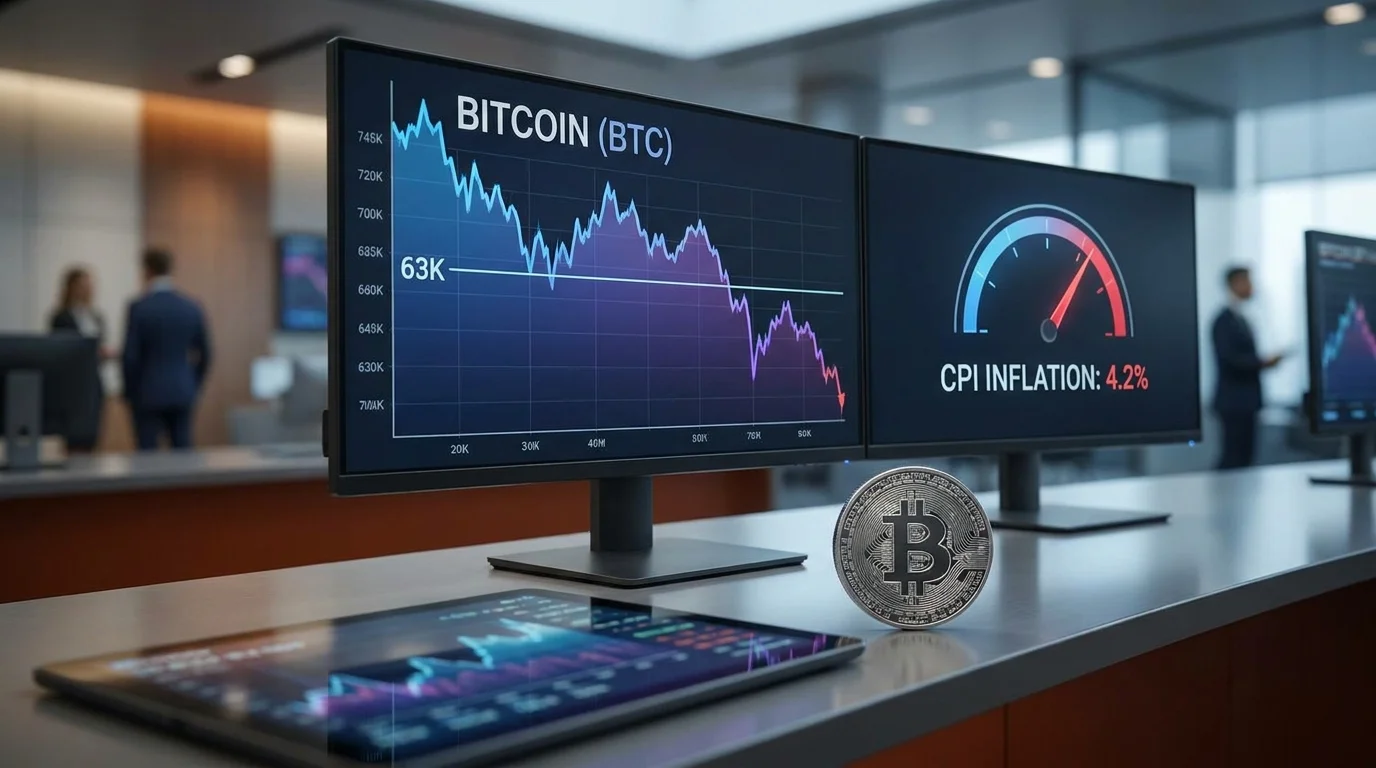
The 2026 Iran war has triggered the most severe inflation shock in three years, with the Consumer Price Index surging to 4.2% in May as energy costs spiral upward. The effective closure of the Strait of Hormuz, through which approximately 20% of global oil and gas flows, has created supply constraints that are rippling through every sector of the economy. For investors, this environment demands a strategic pivot toward proven inflation hedges that can preserve purchasing power while generating real returns.
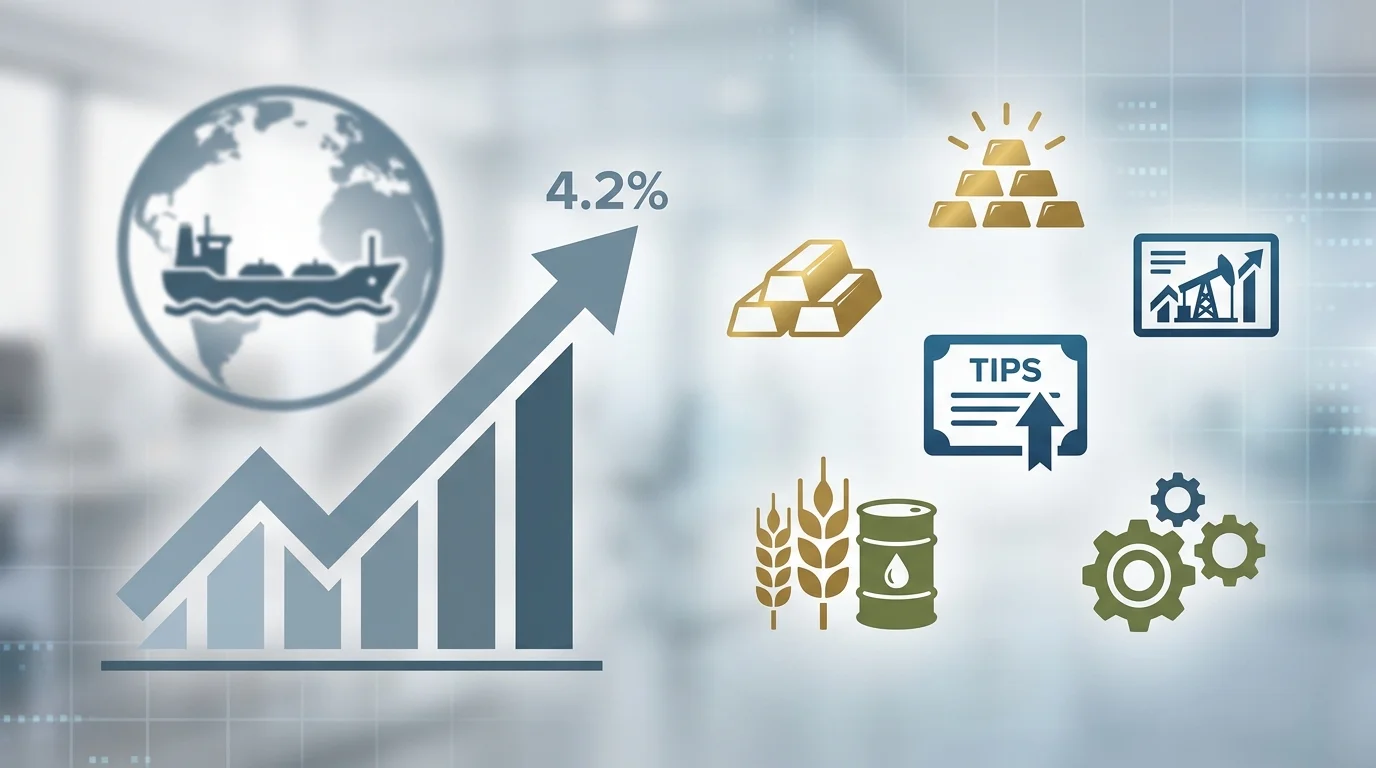
Gold has emerged as the primary beneficiary of this crisis, with prices reaching $4,200 per ounce as investors seek safe-haven assets. However, successful portfolio protection requires a diversified approach that extends beyond precious metals to include energy equities, inflation-protected securities, and selective commodity exposure. The Federal Reserve faces an increasingly difficult dilemma, balancing inflation control against economic growth, making timing and asset selection more critical than ever.
Investors utilizing advanced screening tools like the AI Screener can identify inflation-resistant sectors and individual securities that have historically outperformed during similar supply-shock environments. Data shows that during previous energy crises, well-positioned portfolios incorporating multiple hedge strategies have significantly outperformed traditional 60/40 allocations.

Understanding the Iran War Inflation Shock
The conflict that began on February 28, 2026, has evolved from a regional military engagement into a global economic crisis with profound implications for inflation dynamics. When Iran launched retaliatory missile and drone strikes targeting U.S. embassies, military installations, and oil infrastructure throughout the Middle East, few analysts anticipated the sustained disruption to global energy markets that would follow.
The Strait of Hormuz, often called the world's most important oil chokepoint, has effectively become a contested zone. This narrow waterway normally facilitates the transport of roughly 20% of global petroleum consumption, making its disruption particularly consequential for energy prices. The resulting supply constraints have pushed crude oil prices significantly higher, creating a cascading effect throughout the economy as transportation, manufacturing, and heating costs increase.
Before the conflict began, inflation had actually been cooling, with the annual rate at just 2.4% in February 2026. The rapid acceleration to 4.2% by May represents one of the fastest inflation spikes in recent decades, outpacing wage gains for most American workers. This erosion of purchasing power is affecting consumer behavior, corporate margins, and Federal Reserve policy calculations in ways that will shape investment returns for years to come.
Gold as the Ultimate Inflation Hedge
Gold has demonstrated why it remains the preferred safe-haven asset during geopolitical and economic crises. With prices reaching $4,200 per ounce, the yellow metal has provided substantial returns for investors who positioned their portfolios defensively as tensions escalated. This performance validates gold's historical role as a store of value when fiat currencies face pressure from inflationary forces.
Several factors are driving gold's current rally beyond the immediate flight-to-safety response. Central bank purchases continue at a robust pace, with institutional buyers acquiring an estimated 800 tonnes annually. This consistent demand from sovereign entities provides a fundamental floor for prices that speculative flows merely amplify. Additionally, concerns about persistent U.S. deficits and the potential for further currency debasement have enhanced gold's attractiveness as a non-correlated asset.
J.P. Morgan analysts maintain a constructive outlook for gold through 2026, citing the combination of geopolitical uncertainty and inflationary pressures as powerful tailwinds. However, they caution that if the Federal Reserve becomes emboldened by employment data and adopts a more aggressive stance against inflation, Western ETF outflows could create headwinds. The interaction between Fed policy and gold prices will likely determine whether the metal can maintain its current trajectory or faces a consolidation phase.
Investors seeking to optimize their gold exposure can leverage the AI Stock Picker to identify the most efficient vehicles for precious metals investment, whether through physical bullion, mining equities, or exchange-traded products.
Energy Stocks: Profiting from the Supply Crunch
While rising oil prices hurt consumers at the pump, they create substantial profit opportunities for energy sector investors. Integrated oil majors and exploration companies benefit directly from higher commodity prices, with margins expanding significantly as the price per barrel increases. This dynamic has made energy one of the best-performing sectors in 2026, even as technology stocks have faltered under the weight of inflation concerns.
ExxonMobil has emerged as a standout performer, with shares demonstrating remarkable resilience amid broader market volatility. The company benefits not only from upstream production but also from its integrated refining and chemical operations that capture value throughout the energy value chain. For income-focused investors, Exxon offers a compelling combination of yield and growth potential, with a dividend yield of approximately 2.7% that has been sustained through multiple commodity cycles.
Chevron has similarly outperformed, with shares up over 22% year-to-date as of early June 2026. The company's disciplined capital allocation and strategic positioning in key production regions have enabled it to capitalize on the price environment while maintaining financial flexibility. Chevron's market capitalization of $370.4 billion places it among the largest energy companies globally, providing the scale necessary to weather volatility while distributing consistent returns to shareholders.
Treasury Inflation-Protected Securities (TIPS)
For fixed-income investors seeking explicit inflation protection, Treasury Inflation-Protected Securities offer a direct hedge that adjusts both principal and interest payments based on changes in the Consumer Price Index. Unlike conventional bonds, which lose purchasing power during inflationary periods, TIPS are designed to maintain real returns regardless of the inflation environment.
Current TIPS yields are particularly attractive for long-term investors. As of May 2026, yields on TIPS due in 2056 are approximately 2.7%, close to historic highs for these securities. This means investors can lock in a guaranteed real return above inflation for decades, providing certainty in an otherwise uncertain economic environment. The yield curve offers various maturities, with shorter-duration TIPS yielding between 1.25% and 2.38% depending on the specific issue.
The mechanics of TIPS make them ideal for conservative portfolios during inflationary periods. The principal value adjusts semi-annually based on CPI changes, ensuring that the purchasing power of your investment keeps pace with rising prices. Interest payments, calculated as a percentage of the adjusted principal, also increase with inflation, creating a compounding protection effect that becomes more valuable as inflation persists.
Series I Bonds: The Retail Investor's Secret Weapon
Series I Savings Bonds represent one of the most underappreciated inflation hedges available to individual investors. These government-backed securities combine a fixed rate component with a variable inflation adjustment, ensuring that returns always exceed the inflation rate. As of May 2026, new I Bonds offer a fixed rate of 0.9% plus a variable component that brings the composite rate to 4.26%.
The unique structure of I Bonds makes them particularly attractive in the current environment. Unlike TIPS, which trade on secondary markets and can experience price volatility, I Bonds can only be purchased directly from the Treasury and redeemed at face value plus accrued interest. This eliminates interest rate risk while guaranteeing inflation-adjusted returns.
However, I Bonds come with certain limitations that investors must consider. Annual purchase limits cap individual investments at $10,000 per calendar year (plus an additional $5,000 through tax refunds), making them suitable for smaller allocations rather than institutional-sized positions. Additionally, I Bonds must be held for at least one year, and redemption within the first five years forfeits the last three months of interest.
Commodity Diversification Beyond Energy
While oil and gas dominate headlines, a comprehensive inflation hedge strategy should incorporate exposure to a broader commodity basket. Agricultural products, industrial metals, and precious metals beyond gold each respond to different supply and demand dynamics, providing diversification benefits during inflationary periods.
Copper, often called "Dr. Copper" for its ability to diagnose economic health, has benefited from both supply constraints and robust demand from renewable energy infrastructure projects. The metal's essential role in electric vehicles, solar installations, and power grids creates structural demand that supports prices even during economic uncertainty. For investors seeking commodity exposure through equities, companies like Freeport-McMoRan offer leveraged exposure to copper prices.
Agricultural commodities including wheat, corn, and soybeans have experienced their own supply shocks, compounded by weather disruptions and geopolitical tensions affecting major producing regions. These fundamentals have pushed food prices higher, creating inflationary pressure that flows through to grocery bills and restaurant prices. Exchange-traded products tracking broad commodity indices offer efficient exposure to these trends without the complexity of futures trading.
Portfolio Allocation Strategies for the Current Environment
Constructing an inflation-resistant portfolio requires more than simply buying hedge assets; it demands thoughtful allocation across asset classes and careful attention to correlation dynamics. The traditional 60/40 stock-bond portfolio has historically struggled during inflationary shocks, as both equity and fixed-income components face headwinds simultaneously.
A modified approach for the current environment might include 15-20% allocation to inflation hedges, distributed across gold (5-7%), energy equities (5-8%), and inflation-protected securities (5%). The remaining equity exposure should emphasize companies with pricing power, strong balance sheets, and minimal commodity input costs. Avoiding highly leveraged businesses and those with fixed-rate revenue streams is crucial when inflation threatens real returns.
Rebalancing discipline becomes particularly important during volatile periods. As inflation hedge assets appreciate, they will naturally grow as a percentage of the portfolio, potentially creating concentration risk. Regular rebalancing ensures that gains are captured and reinvested according to target allocations, maintaining the portfolio's defensive characteristics while locking in profits.
For investors seeking professional guidance on portfolio construction, Intellectia's pricing plans provide access to sophisticated analytical tools and research that can enhance decision-making during uncertain market conditions.
The Federal Reserve's Dilemma
The Federal Reserve faces an increasingly complex policy challenge as it attempts to balance inflation control against economic growth. With the federal funds rate currently at 3.5% to 3.75%, the real policy rate remains negative given the 4.2% inflation rate, meaning monetary conditions are still accommodative despite the series of rate increases implemented over the past year.
Diane Swonk, chief economist at KPMG US, has warned that delaying rate hikes is riskier today than during the pandemic recovery period. The persistence of inflation, driven by supply-side factors beyond the Fed's direct control, complicates the central bank's response. Aggressive tightening could exacerbate economic weakness without immediately resolving energy-driven price pressures, while insufficient action risks embedding inflation expectations in consumer and business behavior.
Market participants are closely monitoring the Federal Reserve's June meeting for signals about the trajectory of monetary policy. The European Central Bank has already raised rates to combat inflation from the Iran war, and the Fed's decision next week will significantly influence currency markets, bond yields, and equity valuations. Investors should prepare for continued volatility as policymakers navigate these competing pressures.
Conclusion
The Iran war has created an inflationary environment that demands active portfolio management and strategic repositioning. With CPI at 4.2% and the potential for further increases as energy costs work their way through the economy, traditional buy-and-hold approaches face significant headwinds. Investors who implement diversified inflation hedge strategies now can protect purchasing power while positioning for potential outperformance.
Gold at $4,200 per ounce, energy stocks with expanding margins, TIPS offering guaranteed real yields, and I Bonds providing risk-free inflation protection each offer distinct benefits for the current environment. The optimal approach combines multiple hedge assets to capture diversification benefits while avoiding overconcentration in any single strategy.
The geopolitical situation remains fluid, and supply disruptions could persist for months or longer. Rather than attempting to time a resolution, prudent investors should focus on building resilient portfolios that can perform across various scenarios. The tools and strategies outlined in this article provide a framework for navigating the current crisis while maintaining long-term financial objectives.
To implement these strategies effectively, consider signing up for Intellectia and leveraging advanced AI-powered screening and analysis tools. These resources can help identify the specific securities best positioned to benefit from current market dynamics while managing risk through data-driven insights. The current inflation crisis presents both challenges and opportunities—investors with the right tools and strategies will be best positioned to thrive.