Fed's December Rate Cut Odds Rise Amid Debate
Williams' Remarks and Market Reaction
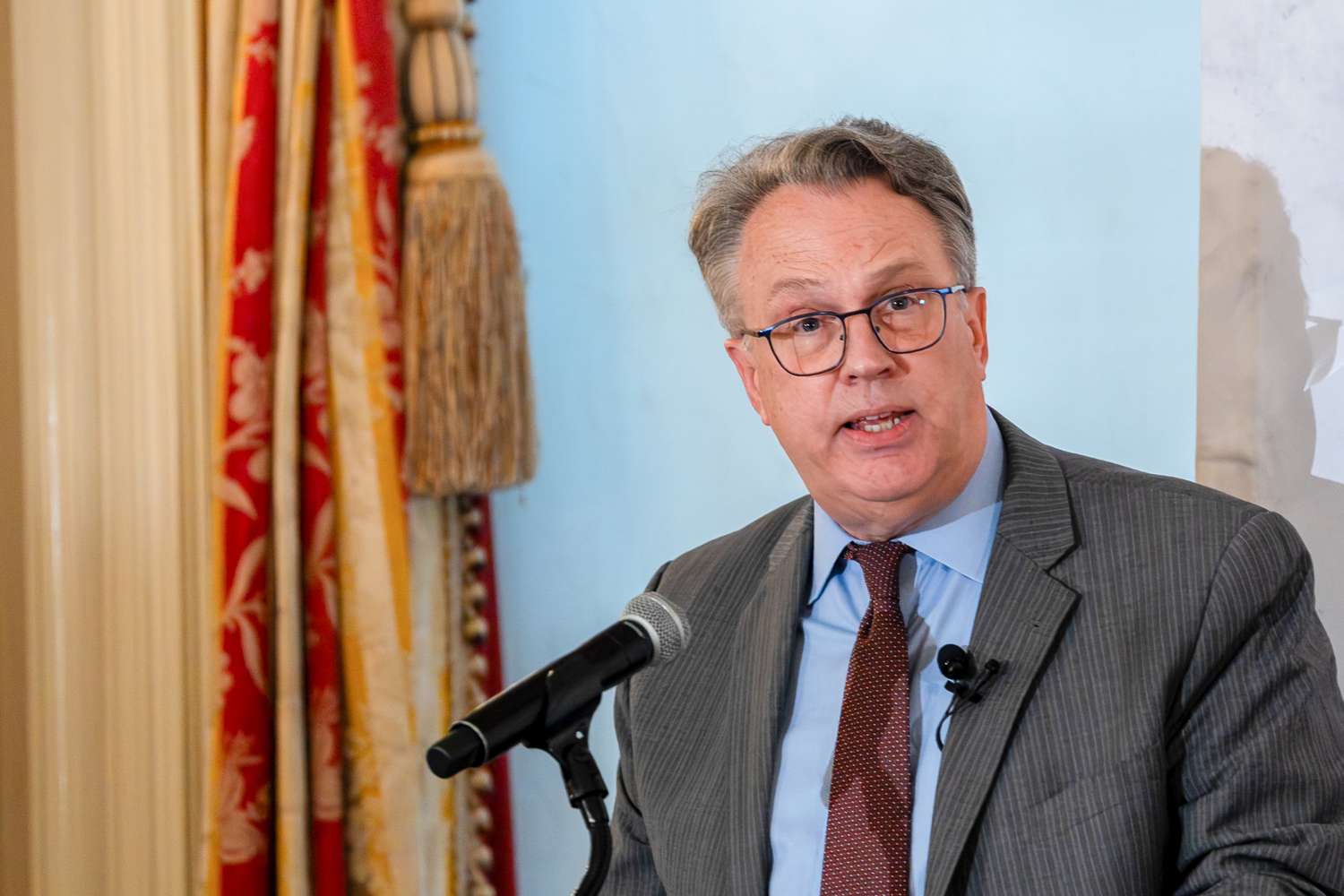
John Williams, President of the Federal Reserve Bank of New York, has signaled openness to a potential interest rate cut during the Federal Reserve's December meeting. Speaking at a conference in Chile, Williams noted there is "room for adjustment" in the federal funds rate to better align with the Fed's dual mandate of fostering maximum employment and stable prices. This statement marked a departure from previous indications of a likely pause in rate changes.
The market reacted strongly to Williams' comments. According to CME Group's FedWatch tool, the probability of a December rate cut jumped to 73% following his remarks, compared to just 39% a day earlier. Futures markets have recalibrated their expectations, reflecting growing confidence that the Fed may take action to address a cooling labor market. Williams’ remarks have reignited debate on whether a rate cut could stimulate hiring while managing inflationary pressures.
Diverging Opinions Among Fed Officials
Not all Federal Reserve officials share Williams’ perspective on cutting rates. Boston Fed President Susan Collins has expressed reservations, arguing that current monetary policy remains "appropriate" and "mildly restrictive," given the resilience of the U.S. economy. Similarly, Dallas Fed President Lorie Logan emphasized the importance of holding rates steady to evaluate the full impact of recent monetary tightening. Both officials underscore concerns about prematurely easing policy, which could undermine progress in curbing inflation.
These differing views highlight the growing divide within the Federal Open Market Committee (FOMC). While proponents of a rate cut point to a weakening labor market, inflation hawks stress the need for clearer evidence of sustained disinflation before making any adjustments. This division complicates the Fed's decision-making process as it grapples with competing economic signals.
Economic Context and Policy Implications
The U.S. labor market has shown signs of softening, with the unemployment rate climbing to 4.4% in September, a level last seen during pre-pandemic years of labor market overheating. Meanwhile, inflationary pressures appear to be easing, with underlying inflation trending downward. Williams noted that trade tariffs have likely contributed to current inflation but do not appear to be causing significant secondary effects on prices.
The debate over a December rate cut underscores the Fed's ongoing challenge of balancing its dual mandates. Lowering rates could provide a much-needed boost to employment but risks reigniting inflationary pressures. Conversely, maintaining the current rate stance could keep inflation in check but may exacerbate labor market weakness. As the Fed navigates these competing priorities, its policy decisions will remain closely scrutinized by markets and policymakers alike.
 Sources



- December Rate Cut Likelier Fed Official's Comments
 investopedia
 - Williams' comments boost odds Fed cut, policy hawks remain adamant
 yahoo
yahoo - Fed’s Williams Says Sees Room Rate Cut ‘Near Term’yahoo
About the author