Yorkville Acquisition Corp. "MCGA" Appoints CEO and CFO to Lead Trump Media Group's CRO Strategy
Leadership Appointments: Yorkville Acquisition Corp. has appointed Steve Gutterman as CEO and Sim Salzman as CFO in preparation for a business combination with Trump Media Group CRO Strategy, Inc., which aims to establish a digital asset treasury focused on the Cronos cryptocurrency token (CRO).
Strategic Vision: The business combination is expected to unlock significant value for shareholders, with a focus on acquiring and managing CRO, leveraging the expertise of the new leadership team in digital assets and capital markets.
Management Experience: Gutterman and Salzman bring extensive experience in high-growth businesses and digital asset strategies, having previously led successful turnarounds and mergers in the cryptocurrency sector.
Future Plans: The business combination is anticipated to close in the first quarter of 2026, with Yorkville Acquisition Corp. preparing to file necessary documents with the SEC to facilitate the process and ensure compliance.
Trade with 70% Backtested Accuracy
Analyst Views on DJT
About DJT
About the author

Federal Judge Temporarily Blocks DOJ's Anti-Weaponization Fund Actions

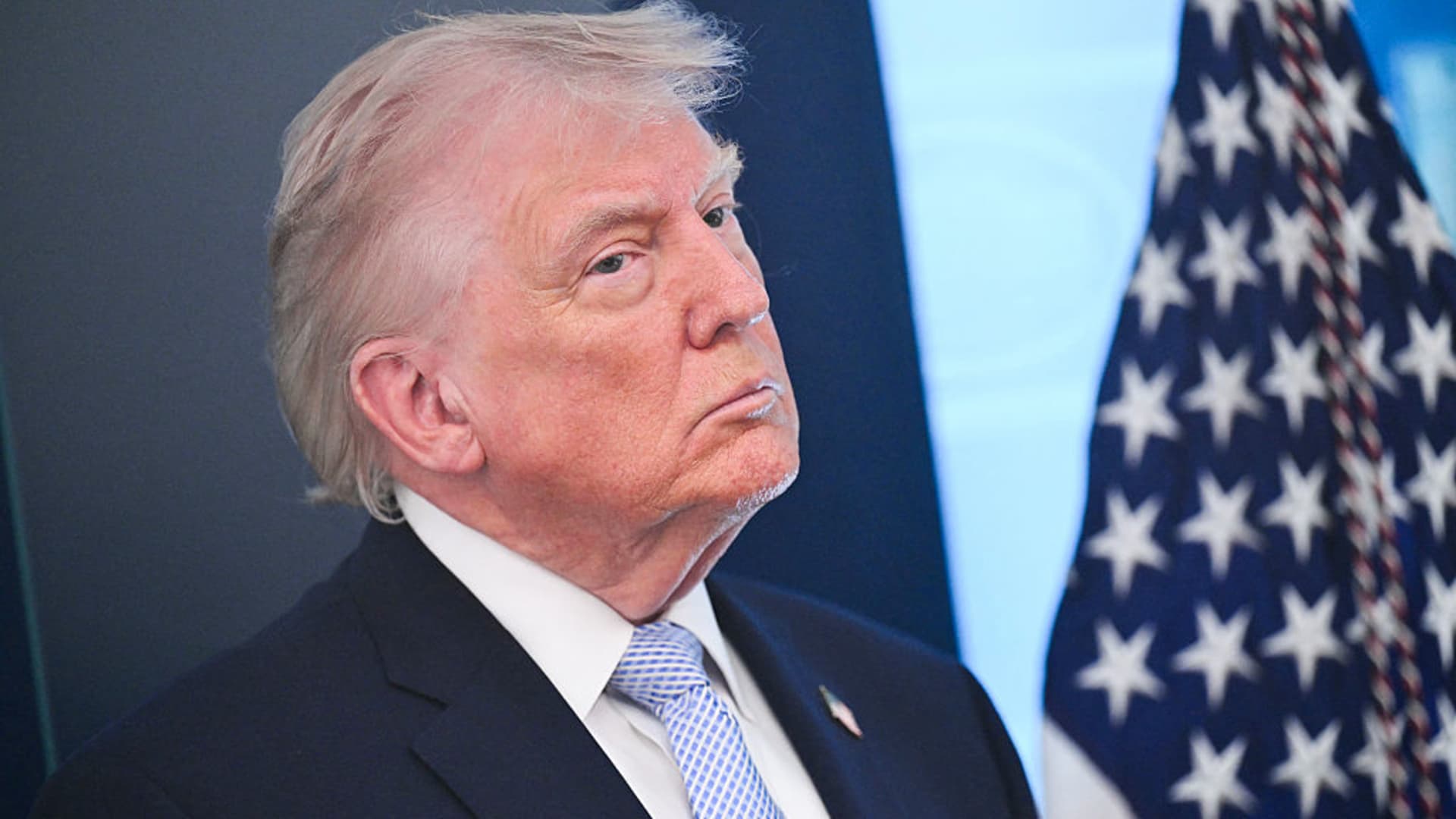
- Judge's Injunction: Federal Judge Leonie Brinkema in Virginia has temporarily blocked the DOJ from taking any further actions regarding the Anti-Weaponization Fund, including its creation and funding, indicating significant legal scrutiny over the fund's legitimacy.
- Fund Background: The DOJ's proposed Anti-Weaponization Fund, amounting to $1.8 billion, is part of a settlement related to a $10 billion lawsuit by Trump against the IRS, aimed at compensating alleged victims of prosecutorial overreach, highlighting the intersection of politics and law.
- Lawsuit Challenges: The fund is currently facing three federal lawsuits, with plaintiffs seeking a temporary restraining order; a hearing is scheduled for June 12 to determine whether to maintain the block, underscoring the urgency of legal proceedings.
- Political Controversy: Critics have labeled the fund a “slush fund” for Trump allies, including individuals involved in the January 6, 2021, Capitol riot, reflecting the deep divisions and controversies surrounding the DOJ's actions in the current political climate.
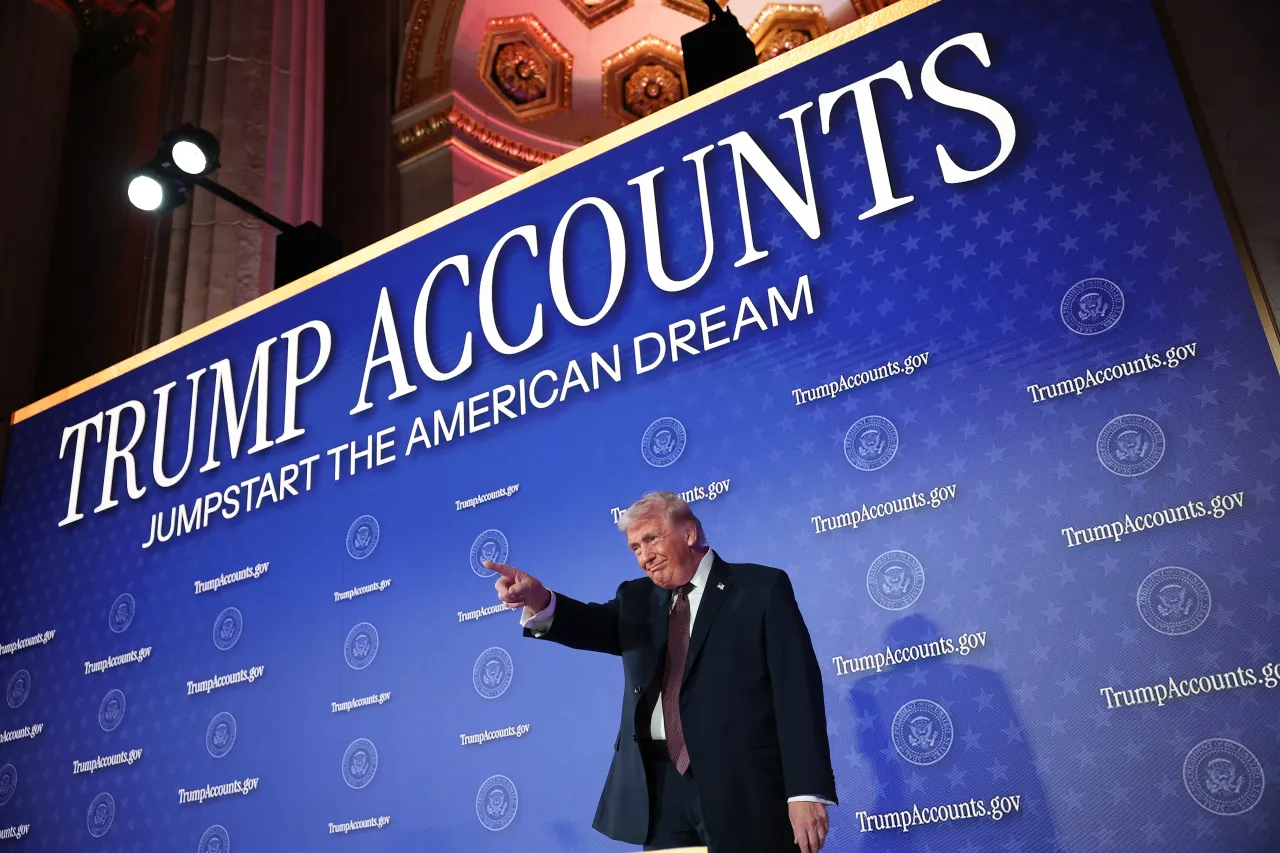
Launch of Trump Accounts Empowers Young Americans' Investments

- Account Activation and Educational Resources: Families can activate Trump Accounts immediately, gaining access to financial literacy materials aimed at enhancing young people's financial knowledge and investment awareness, thereby laying the groundwork for future economic independence.
- Corporate Support and Matching Contributions: Major corporations, including SoFi and Intel, have announced plans to match federal contributions for employees' children, which is expected to further promote investment among young people and enhance financial security for families.
- Investment Potential and Long-Term Returns: The Trump Accounts provide a $1,000 federal contribution for children born between 2025 and 2028, with estimates suggesting this could grow to $5,800 by age 18 and nearly $200,000 by age 55, highlighting the immense potential of early investments.
- Market Reaction and Retail Sentiment: While sentiment around Robinhood stock remains bearish, BNY's sentiment is neutral, reflecting differing investor perspectives on the new accounts, which could influence future market dynamics and investment decisions.
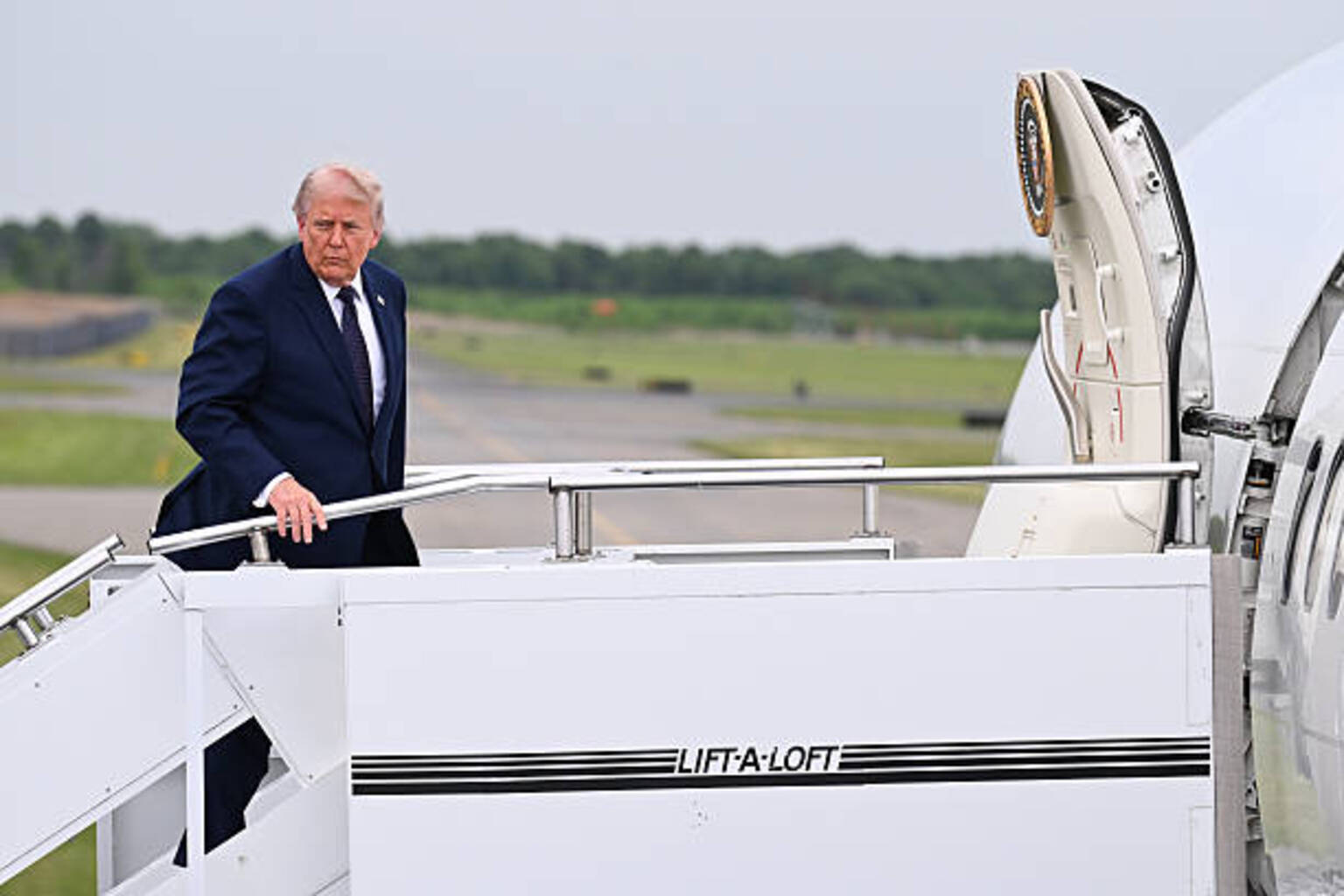
Trump Cautions Against Rushing Iran Peace Agreement
- Cautious U.S. Stance: Trump stated on social media that the U.S. will not rush into a peace agreement with Iran, emphasizing that the blockade on the Strait of Hormuz will remain in effect until an agreement is reached, certified, and signed, indicating a more conservative approach in negotiations.
- Impact on Energy Markets: The Strait of Hormuz handles about one-fifth of global oil and LNG shipments, and any durable ceasefire or reopening could ease pressure on energy markets, affecting inflation-sensitive sectors like airlines and agriculture, highlighting the profound economic implications of geopolitical tensions.
- Slow Negotiation Progress: Although Trump mentioned that both sides have “largely negotiated” a memorandum of understanding, significant disagreements remain, particularly regarding Iran's nuclear program, sanctions relief, and access to frozen oil revenues, illustrating the fragility and complexity of any potential agreement.
- Decline in Strait Traffic: The Iranian Revolutionary Guards reported that only 33 vessels passed through the Strait of Hormuz in a recent 24-hour period, sharply down from approximately 140 ships daily before the conflict, reflecting the ongoing tensions and unresolved issues in the region.
Shooting Incident Near White House Raises Security Concerns
- Incident Overview: On Saturday evening, 21-year-old suspect Nasire Best opened fire near a White House security checkpoint, resulting in his death after being shot by Secret Service officers, marking the third shooting incident related to Trump in a month, which heightens security concerns surrounding the White House.
- Suspect Background: Best had previously attracted law enforcement attention for attempting to enter another White House checkpoint without authorization in July 2025, where he allegedly claimed to be Jesus Christ and expressed a desire to be arrested, indicating potential mental health issues.
- On-Site Response: Following the shooting, the area around the White House was quickly locked down, with a heavy law enforcement presence drawing significant media attention; witnesses reported hearing multiple gunshots, and journalists were instructed to shelter in the press briefing room, underscoring the severity of the incident.
- Escalating Security Threats: This incident follows an assassination attempt against Trump during the White House Correspondents' Association Dinner in April, indicating an increasing security threat against him, prompting the Secret Service and FBI to enhance security measures in the area.
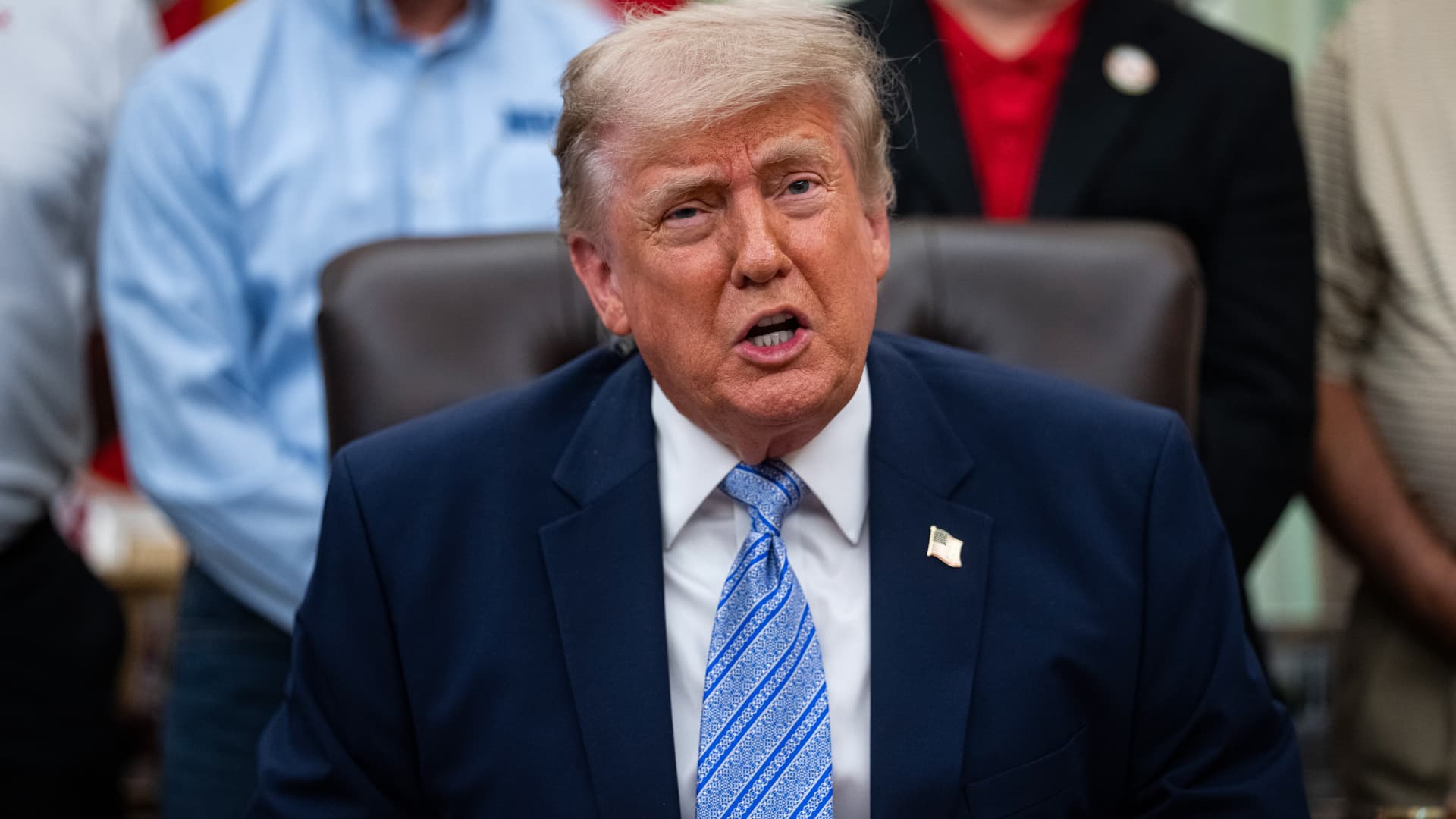
Trump Defends Controversial Anti-Weaponization Fund Amid GOP Backlash
- Fund Controversy: Trump's announcement of the Anti-Weaponization Fund has sparked significant backlash, particularly from Senate Republicans who criticize it as a potential 'slush fund' and have proposed legislation to prohibit taxpayer money from being used for it.
- Legal Settlement Context: The fund's establishment is linked to Trump's $10 billion lawsuit against the IRS, where he received no compensation; however, it aims to compensate supporters who claim to have been victims of prosecutorial overreach by the DOJ.
- Political Discord Intensifies: While Trump's supporters view the fund as a response to 'weaponization,' many GOP leaders expressed dismay, highlighting internal party divisions that could affect other legislative agendas.
- Funding Usage Debate: Although some Republicans support the fund as a means to provide justice for victims, critics warn that the lack of transparency and accountability measures could lead to misuse of funds, raising further concerns about government spending.
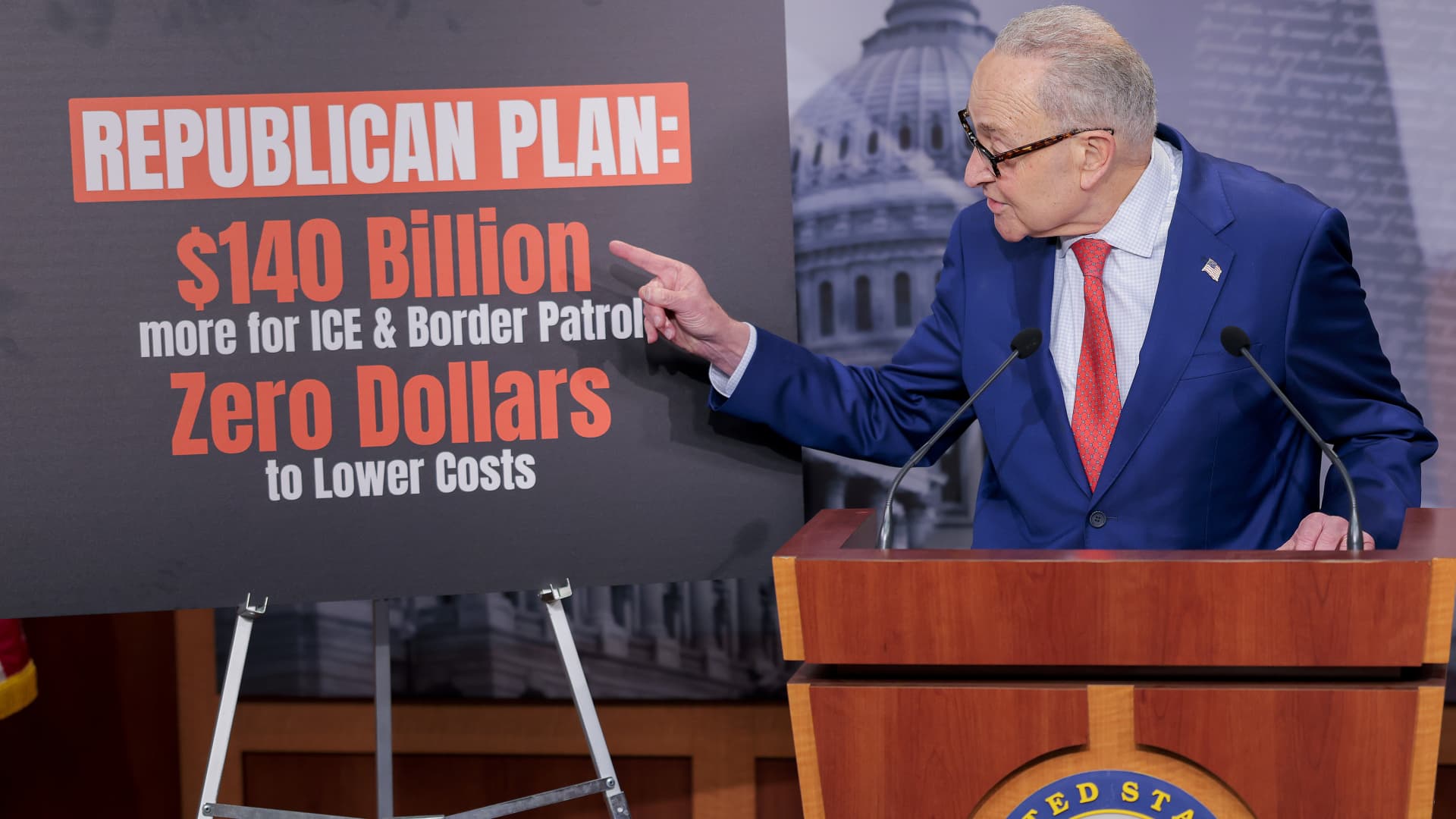
Congress Fails to Approve Immigration Enforcement Funding Package
- Funding Controversy: Congress failed to pass a $72 billion immigration enforcement funding package before the June 1 deadline, leaving immigration enforcement agencies without necessary funding and potentially escalating tensions surrounding immigration policies.
- Increasing Partisan Divisions: Democrats plan to utilize a marathon voting procedure to force Republicans to take stances on sensitive issues like Trump's anti-weaponization fund, highlighting deep divisions between the parties that could hinder future legislative cooperation.
- Trump's Priorities Blocked: Internal Republican divisions emerged as the Senate parliamentarian ruled that a $1 billion security upgrade fund for Trump's proposed White House ballroom could not be included in the budget package, potentially diminishing Trump's influence within the party.
- Concerns Over Fiscal Responsibility: Senator Bill Cassidy expressed concerns about the $1.8 billion anti-weaponization fund, arguing it would increase national debt and calling for such funding issues to be brought before Congress, reflecting a demand for greater transparency in government spending.
Federal Judge Temporarily Blocks DOJ's Anti-Weaponization Fund Actions
- Judge's Injunction: Federal Judge Leonie Brinkema in Virginia has temporarily blocked the DOJ from taking any further actions regarding the Anti-Weaponization Fund, including its creation and funding, indicating significant legal scrutiny over the fund's legitimacy.
- Fund Background: The DOJ's proposed Anti-Weaponization Fund, amounting to $1.8 billion, is part of a settlement related to a $10 billion lawsuit by Trump against the IRS, aimed at compensating alleged victims of prosecutorial overreach, highlighting the intersection of politics and law.
- Lawsuit Challenges: The fund is currently facing three federal lawsuits, with plaintiffs seeking a temporary restraining order; a hearing is scheduled for June 12 to determine whether to maintain the block, underscoring the urgency of legal proceedings.
- Political Controversy: Critics have labeled the fund a “slush fund” for Trump allies, including individuals involved in the January 6, 2021, Capitol riot, reflecting the deep divisions and controversies surrounding the DOJ's actions in the current political climate.
Launch of Trump Accounts Empowers Young Americans' Investments
- Account Activation and Educational Resources: Families can activate Trump Accounts immediately, gaining access to financial literacy materials aimed at enhancing young people's financial knowledge and investment awareness, thereby laying the groundwork for future economic independence.
- Corporate Support and Matching Contributions: Major corporations, including SoFi and Intel, have announced plans to match federal contributions for employees' children, which is expected to further promote investment among young people and enhance financial security for families.
- Investment Potential and Long-Term Returns: The Trump Accounts provide a $1,000 federal contribution for children born between 2025 and 2028, with estimates suggesting this could grow to $5,800 by age 18 and nearly $200,000 by age 55, highlighting the immense potential of early investments.
- Market Reaction and Retail Sentiment: While sentiment around Robinhood stock remains bearish, BNY's sentiment is neutral, reflecting differing investor perspectives on the new accounts, which could influence future market dynamics and investment decisions.
Trump Cautions Against Rushing Iran Peace Agreement
- Cautious U.S. Stance: Trump stated on social media that the U.S. will not rush into a peace agreement with Iran, emphasizing that the blockade on the Strait of Hormuz will remain in effect until an agreement is reached, certified, and signed, indicating a more conservative approach in negotiations.
- Impact on Energy Markets: The Strait of Hormuz handles about one-fifth of global oil and LNG shipments, and any durable ceasefire or reopening could ease pressure on energy markets, affecting inflation-sensitive sectors like airlines and agriculture, highlighting the profound economic implications of geopolitical tensions.
- Slow Negotiation Progress: Although Trump mentioned that both sides have “largely negotiated” a memorandum of understanding, significant disagreements remain, particularly regarding Iran's nuclear program, sanctions relief, and access to frozen oil revenues, illustrating the fragility and complexity of any potential agreement.
- Decline in Strait Traffic: The Iranian Revolutionary Guards reported that only 33 vessels passed through the Strait of Hormuz in a recent 24-hour period, sharply down from approximately 140 ships daily before the conflict, reflecting the ongoing tensions and unresolved issues in the region.
Shooting Incident Near White House Raises Security Concerns
- Incident Overview: On Saturday evening, 21-year-old suspect Nasire Best opened fire near a White House security checkpoint, resulting in his death after being shot by Secret Service officers, marking the third shooting incident related to Trump in a month, which heightens security concerns surrounding the White House.
- Suspect Background: Best had previously attracted law enforcement attention for attempting to enter another White House checkpoint without authorization in July 2025, where he allegedly claimed to be Jesus Christ and expressed a desire to be arrested, indicating potential mental health issues.
- On-Site Response: Following the shooting, the area around the White House was quickly locked down, with a heavy law enforcement presence drawing significant media attention; witnesses reported hearing multiple gunshots, and journalists were instructed to shelter in the press briefing room, underscoring the severity of the incident.
- Escalating Security Threats: This incident follows an assassination attempt against Trump during the White House Correspondents' Association Dinner in April, indicating an increasing security threat against him, prompting the Secret Service and FBI to enhance security measures in the area.
Trump Defends Controversial Anti-Weaponization Fund Amid GOP Backlash
- Fund Controversy: Trump's announcement of the Anti-Weaponization Fund has sparked significant backlash, particularly from Senate Republicans who criticize it as a potential 'slush fund' and have proposed legislation to prohibit taxpayer money from being used for it.
- Legal Settlement Context: The fund's establishment is linked to Trump's $10 billion lawsuit against the IRS, where he received no compensation; however, it aims to compensate supporters who claim to have been victims of prosecutorial overreach by the DOJ.
- Political Discord Intensifies: While Trump's supporters view the fund as a response to 'weaponization,' many GOP leaders expressed dismay, highlighting internal party divisions that could affect other legislative agendas.
- Funding Usage Debate: Although some Republicans support the fund as a means to provide justice for victims, critics warn that the lack of transparency and accountability measures could lead to misuse of funds, raising further concerns about government spending.
Congress Fails to Approve Immigration Enforcement Funding Package
- Funding Controversy: Congress failed to pass a $72 billion immigration enforcement funding package before the June 1 deadline, leaving immigration enforcement agencies without necessary funding and potentially escalating tensions surrounding immigration policies.
- Increasing Partisan Divisions: Democrats plan to utilize a marathon voting procedure to force Republicans to take stances on sensitive issues like Trump's anti-weaponization fund, highlighting deep divisions between the parties that could hinder future legislative cooperation.
- Trump's Priorities Blocked: Internal Republican divisions emerged as the Senate parliamentarian ruled that a $1 billion security upgrade fund for Trump's proposed White House ballroom could not be included in the budget package, potentially diminishing Trump's influence within the party.
- Concerns Over Fiscal Responsibility: Senator Bill Cassidy expressed concerns about the $1.8 billion anti-weaponization fund, arguing it would increase national debt and calling for such funding issues to be brought before Congress, reflecting a demand for greater transparency in government spending.