Worst Performing Consumer Staples Stocks in January 2026
Written by Emily J. Thompson, Senior Investment Analyst
Updated: Jan 31 2026
0mins
Should l Buy MKC?
Source: seekingalpha
- McCormick's Poor Performance: McCormick & Company (MKC) leads the list with an 11.31% decline in stock price over the past month, indicating market concerns about its growth prospects, which could lead to decreased investor confidence and long-term stock performance issues.
- Dollar Tree's Struggles: Following closely, Dollar Tree (DLTR) saw a 5.34% drop despite its strong buy rating of 4.61, suggesting that market apprehensions regarding its profitability may hinder any potential stock rebound.
- Other Underperformers: General Mills (GIS) and Keurig Dr Pepper (KDP) experienced declines of 5.31% and 4.76%, respectively, highlighting the impact of weak consumer spending on these companies, which may lead to downward revisions in future sales and profit expectations.
- Overall Market Trends: The consumer staples sector is facing challenges, with The Kraft Heinz Company (KHC) and Kimberly-Clark (KMB) also showing declines, reflecting a cautious investor sentiment towards the industry amid broader economic uncertainties.
Trade with 70% Backtested Accuracy
Stop guessing "Should I Buy MKC?" and start using high-conviction signals backed by rigorous historical data.
Sign up today to access powerful investing tools and make smarter, data-driven decisions.
Analyst Views on MKC
Wall Street analysts forecast MKC stock price to rise
3 Analyst Rating
3 Buy
0 Hold
0 Sell
Strong Buy
Current: 48.380

Low
75.00
Averages
83.67
High
89.00
Current: 48.380
Low
75.00
Averages
83.67
High
89.00
About MKC
McCormick & Company, Incorporated manufactures, markets, and distributes herbs, spices, seasonings, condiments and flavors to the entire food and beverage industry, including retailers, food manufacturers and foodservice businesses. It operates through two segments: consumer and flavor solutions. The consumer segment sells to retail channels, including grocery, mass merchandise, warehouse clubs, discount and drug stores, and e-commerce under the McCormick brand and a variety of brands around the world, including French's, Frank's RedHot, Lawry’s, Zatarain’s, Simply Asia, Thai Kitchen, Ducros, Vahine, Cholula, Schwartz, Club House, Kamis, DaQiao, La Drogheria, Stubb's, OLD BAY, Gourmet Garden, and others. In its flavor solutions segment, it provides a range of products to multinational food manufacturers and foodservice customers. The foodservice customers are supplied with branded, packaged products both directly by the Company and indirectly through distributors.
About the author

Emily J. Thompson
Emily J. Thompson, a Chartered Financial Analyst (CFA) with 12 years in investment research, graduated with honors from the Wharton School. Specializing in industrial and technology stocks, she provides in-depth analysis for Intellectia’s earnings and market brief reports.
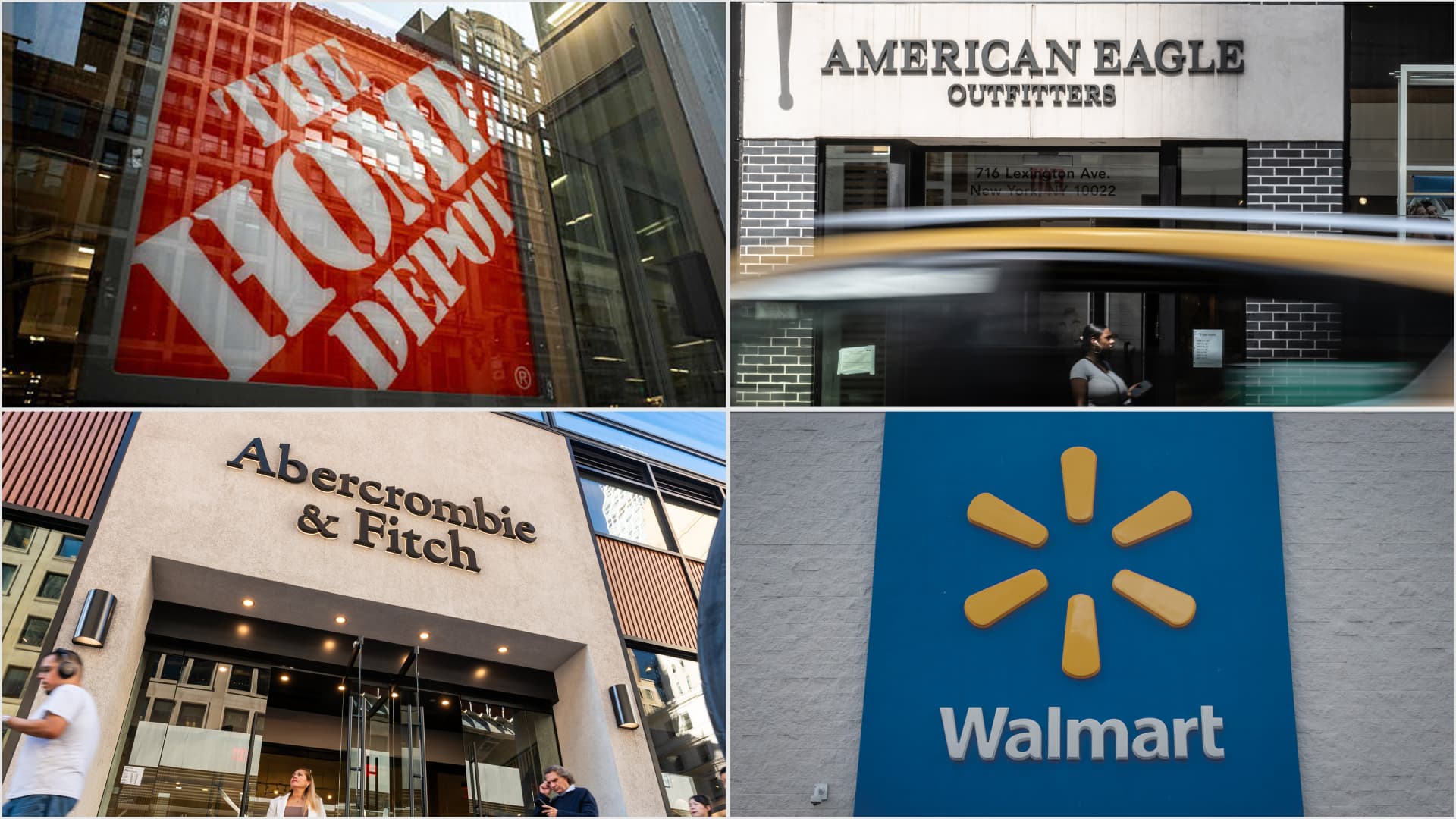
Impact of Trump's Tariffs One Year Later

- Widespread Tariff Impact: Trump's tariff policies have placed significant economic pressure on U.S. businesses over the past year, with approximately 80% to 85% of costs absorbed by companies, leading to reduced profits and increased consumer prices, thereby exacerbating overall economic uncertainty.
- Retail Sector Adaptation: While large retailers like Walmart have emerged relatively unscathed, smaller businesses have been severely impacted, with Home Depot aiming to limit purchases from any single country to 10% to reduce dependency and enhance supply chain flexibility.
- Automotive Industry Cost Surge: Automakers such as General Motors and Toyota are facing tariff impacts estimated at up to $9.5 billion, and although the Trump administration has taken steps to alleviate overlapping tariffs, overall costs remain significant, forcing companies to reassess their supply chain strategies.
- Pharmaceutical Sector Stability: Pharmaceutical companies have secured three-year tariff exemptions through pricing agreements with Trump, although new tariffs impose 100% on companies that do not reach agreements, the overall industry is still striving to increase investments in U.S. manufacturing.
See More
Market Watch: Oil Price Surge and Stock Market Turmoil

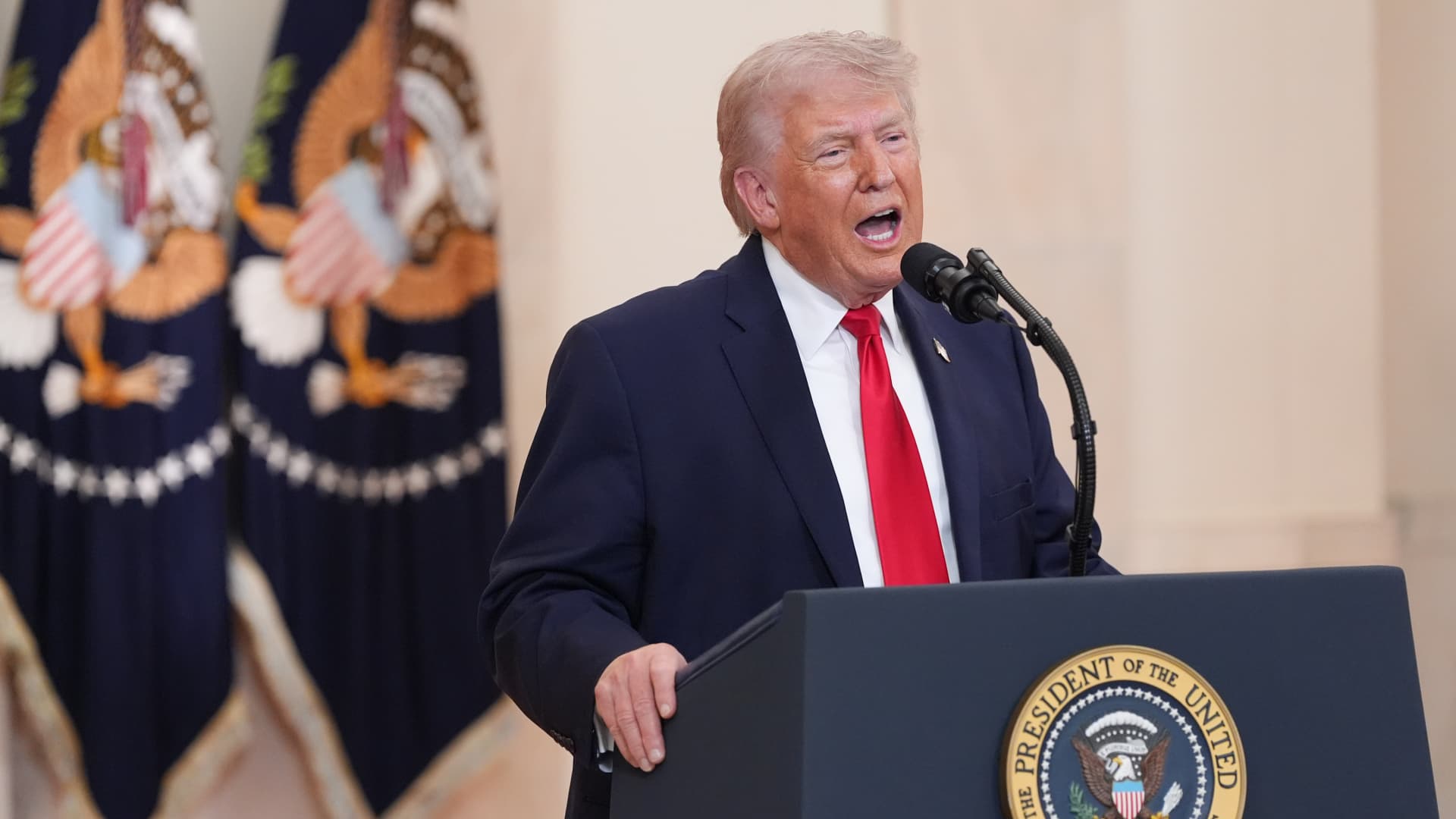
- Oil Price Surge Impact: Following President Trump's address on the Iran war, which raised escalation concerns, U.S. crude benchmark WTI surged 9% to $109 a barrel, putting downward pressure on the stock market and negatively affecting investor sentiment.
- Bank of America Upgrades Vale: Bank of America upgraded Vale from hold to buy, suggesting that now is an attractive entry point for investors in the iron ore producer, despite Vale's stock dropping nearly 7% since the Iran conflict began, while iron ore prices have risen about 8%.
- Wix's Outlook Downgraded: UBS downgraded Wix from buy to hold, with analysts believing its 2026 outlook indicates a slowdown in core business growth from 12% last year to 8% this year, and despite efforts to integrate AI capabilities, the company remains vulnerable to disruption by AI.
- Cheniere Energy Price Target Increased: Citigroup raised Cheniere Energy's price target from $280 to $330 while reiterating its buy rating, as supply disruptions in the Middle East could benefit U.S. LNG exports long-term, with shares up about 17% since the war began.
See More
McCormick Merges with Unilever Foods to Enhance Market Dominance
- Merger Background: McCormick is merging with Unilever Foods, with McCormick shareholders owning 35% and Unilever shareholders also holding 35%, which will further enhance McCormick's dominance in the spices and condiments market.
- Financial Valuation: Unilever Foods is valued at an enterprise value of $44.8 billion, with an adjusted EBITDA multiple of 13.8 times, while McCormick's enterprise value stands at $21 billion, highlighting their relative market positions.
- Cost Reduction Goals: The merger is expected to cut approximately $600 million in annual costs and achieve an operating margin of 23%-25% in year three, up from the current 21%, indicating potential financial benefits from the merger.
- Cultural Integration Challenges: Despite the strategic rationale for the merger, cultural clashes and integration challenges may impact the business, particularly during cost-cutting efforts, which could harm certain business segments.
See More

McCormick Merges with Unilever Foods to Expand Market Dominance
- Merger Background: McCormick is merging with Unilever's food division, with McCormick shareholders owning 35% of the new entity, aiming to enhance its dominance in the spices and condiments market, although the market reacted negatively with a 6.1% drop in stock price.
- Financial Valuation: Unilever Foods is valued at an enterprise value of $44.8 billion, with an adjusted EBITDA multiple of 13.8 times, while McCormick's enterprise value stands at $21 billion, indicating a disparity in market valuation between the two companies.
- Cost Reduction Goals: The merger is expected to achieve approximately $600 million in annual cost savings, targeting an operating margin of 23%-25% in year three, up from the current 21%, suggesting significant financial benefits from the merger.
- Strategic Implications: This merger will eliminate Unilever as a competitor and further solidify McCormick's leadership in the global seasoning market through economies of scale and cross-selling opportunities.
See More

Halper Sadeh LLC Investigates Mergers of Multiple Companies for Shareholder Rights

- Merger Investigation: Halper Sadeh LLC is investigating McCormick & Company’s merger with Unilever's Foods business, where McCormick shareholders are expected to own 35% of the combined entity, raising potential concerns about shareholder rights.
- Corebridge Financial Merger: The merger between Corebridge Financial and Equitable Holdings will allow Corebridge shareholders to hold approximately 51% of the new company, prompting scrutiny over whether this transaction serves the best interests of shareholders.
- Urgent.ly Sale: Urgent.ly, Inc. is being sold to Agero, Inc. for $5.50 per share, and Halper Sadeh LLC is advocating for shareholders to seek increased consideration and additional rights.
- Shareholder Rights Protection: The law firm encourages shareholders to reach out to discuss their rights and options at no cost, committing to provide legal services without upfront fees, aiming to protect investors from securities fraud and corporate misconduct.
See More
US Stocks Surge on Hopes for End to Iran War


- Market Rally: The S&P 500 index rose by 2.91%, the Dow Jones Industrial Average by 2.49%, and the Nasdaq 100 by 3.43%, reflecting market optimism regarding the potential end of the Iran war, which could lower energy prices and ease inflation concerns.
- Consumer Confidence Boost: The US March consumer confidence index unexpectedly increased by 0.8 to 91.8, surpassing the anticipated decline to 87.9, indicating a strengthening consumer outlook that may drive spending and economic growth.
- Strength in China: China's March manufacturing PMI rose to 50.4, better than the expected 50.1, signaling signs of economic recovery that could positively impact global growth prospects and further support US stock performance.
- Falling Bond Yields: The 10-year Treasury note yield dropped to 4.28%, a one-week low, reflecting reduced inflation worries, which may provide support for the stock market and enhance investor interest in equities.
See More
Impact of Trump's Tariffs One Year Later
- Widespread Tariff Impact: Trump's tariff policies have placed significant economic pressure on U.S. businesses over the past year, with approximately 80% to 85% of costs absorbed by companies, leading to reduced profits and increased consumer prices, thereby exacerbating overall economic uncertainty.
- Retail Sector Adaptation: While large retailers like Walmart have emerged relatively unscathed, smaller businesses have been severely impacted, with Home Depot aiming to limit purchases from any single country to 10% to reduce dependency and enhance supply chain flexibility.
- Automotive Industry Cost Surge: Automakers such as General Motors and Toyota are facing tariff impacts estimated at up to $9.5 billion, and although the Trump administration has taken steps to alleviate overlapping tariffs, overall costs remain significant, forcing companies to reassess their supply chain strategies.
- Pharmaceutical Sector Stability: Pharmaceutical companies have secured three-year tariff exemptions through pricing agreements with Trump, although new tariffs impose 100% on companies that do not reach agreements, the overall industry is still striving to increase investments in U.S. manufacturing.
See More
Market Watch: Oil Price Surge and Stock Market Turmoil
- Oil Price Surge Impact: Following President Trump's address on the Iran war, which raised escalation concerns, U.S. crude benchmark WTI surged 9% to $109 a barrel, putting downward pressure on the stock market and negatively affecting investor sentiment.
- Bank of America Upgrades Vale: Bank of America upgraded Vale from hold to buy, suggesting that now is an attractive entry point for investors in the iron ore producer, despite Vale's stock dropping nearly 7% since the Iran conflict began, while iron ore prices have risen about 8%.
- Wix's Outlook Downgraded: UBS downgraded Wix from buy to hold, with analysts believing its 2026 outlook indicates a slowdown in core business growth from 12% last year to 8% this year, and despite efforts to integrate AI capabilities, the company remains vulnerable to disruption by AI.
- Cheniere Energy Price Target Increased: Citigroup raised Cheniere Energy's price target from $280 to $330 while reiterating its buy rating, as supply disruptions in the Middle East could benefit U.S. LNG exports long-term, with shares up about 17% since the war began.
See More
McCormick Merges with Unilever Foods to Enhance Market Dominance
- Merger Background: McCormick is merging with Unilever Foods, with McCormick shareholders owning 35% and Unilever shareholders also holding 35%, which will further enhance McCormick's dominance in the spices and condiments market.
- Financial Valuation: Unilever Foods is valued at an enterprise value of $44.8 billion, with an adjusted EBITDA multiple of 13.8 times, while McCormick's enterprise value stands at $21 billion, highlighting their relative market positions.
- Cost Reduction Goals: The merger is expected to cut approximately $600 million in annual costs and achieve an operating margin of 23%-25% in year three, up from the current 21%, indicating potential financial benefits from the merger.
- Cultural Integration Challenges: Despite the strategic rationale for the merger, cultural clashes and integration challenges may impact the business, particularly during cost-cutting efforts, which could harm certain business segments.
See More
McCormick Merges with Unilever Foods to Expand Market Dominance
- Merger Background: McCormick is merging with Unilever's food division, with McCormick shareholders owning 35% of the new entity, aiming to enhance its dominance in the spices and condiments market, although the market reacted negatively with a 6.1% drop in stock price.
- Financial Valuation: Unilever Foods is valued at an enterprise value of $44.8 billion, with an adjusted EBITDA multiple of 13.8 times, while McCormick's enterprise value stands at $21 billion, indicating a disparity in market valuation between the two companies.
- Cost Reduction Goals: The merger is expected to achieve approximately $600 million in annual cost savings, targeting an operating margin of 23%-25% in year three, up from the current 21%, suggesting significant financial benefits from the merger.
- Strategic Implications: This merger will eliminate Unilever as a competitor and further solidify McCormick's leadership in the global seasoning market through economies of scale and cross-selling opportunities.
See More
Halper Sadeh LLC Investigates Mergers of Multiple Companies for Shareholder Rights
- Merger Investigation: Halper Sadeh LLC is investigating McCormick & Company’s merger with Unilever's Foods business, where McCormick shareholders are expected to own 35% of the combined entity, raising potential concerns about shareholder rights.
- Corebridge Financial Merger: The merger between Corebridge Financial and Equitable Holdings will allow Corebridge shareholders to hold approximately 51% of the new company, prompting scrutiny over whether this transaction serves the best interests of shareholders.
- Urgent.ly Sale: Urgent.ly, Inc. is being sold to Agero, Inc. for $5.50 per share, and Halper Sadeh LLC is advocating for shareholders to seek increased consideration and additional rights.
- Shareholder Rights Protection: The law firm encourages shareholders to reach out to discuss their rights and options at no cost, committing to provide legal services without upfront fees, aiming to protect investors from securities fraud and corporate misconduct.
See More
US Stocks Surge on Hopes for End to Iran War
- Market Rally: The S&P 500 index rose by 2.91%, the Dow Jones Industrial Average by 2.49%, and the Nasdaq 100 by 3.43%, reflecting market optimism regarding the potential end of the Iran war, which could lower energy prices and ease inflation concerns.
- Consumer Confidence Boost: The US March consumer confidence index unexpectedly increased by 0.8 to 91.8, surpassing the anticipated decline to 87.9, indicating a strengthening consumer outlook that may drive spending and economic growth.
- Strength in China: China's March manufacturing PMI rose to 50.4, better than the expected 50.1, signaling signs of economic recovery that could positively impact global growth prospects and further support US stock performance.
- Falling Bond Yields: The 10-year Treasury note yield dropped to 4.28%, a one-week low, reflecting reduced inflation worries, which may provide support for the stock market and enhance investor interest in equities.
See More