Vertical Aerospace: A Game-Changing Milestone
Vertical Aerospace's Milestone: Vertical Aerospace has achieved a significant milestone by successfully completing a piloted transition flight of its electric vertical takeoff and landing (eVTOL) aircraft, marking a crucial step in its development and moving it closer to commercial operations.
Financial Stability and Future Plans: The company has secured its financial future with a substantial funding package, allowing it to focus on achieving certification for its aircraft by 2028 and demonstrating its capabilities at public events to build commercial momentum.
Regulatory Oversight: The flight tests were conducted under the supervision of the UK's Civil Aviation Authority, ensuring compliance with safety protocols and validating Vertical's safety measures, which are essential for gaining public trust and regulatory approval.
Market Positioning: Vertical Aerospace's recent achievements position it competitively against established players in the eVTOL market, shifting investor focus from survival concerns to the potential for significant commercial opportunities in urban air mobility.
Trade with 70% Backtested Accuracy
Analyst Views on EVTL

About EVTL
About the author


Vertical Aerospace's Valo Aircraft Completes First Piloted Flight
- Successful Maiden Flight: Vertical Aerospace's hybrid-electric Valo aircraft completed its first piloted flight on June 5 at the UK Flight Test Centre, marking a significant milestone that is expected to accelerate subsequent flight testing phases and push towards commercialization.
- Prototype Development: This prototype is identical to the existing full-scale version and will be used to expedite flight testing across all phases, including thrustborne, wingborne, and transition flights, while also supporting future public demonstrations to further validate its technological feasibility.
- Critical Design Review Step: The prototype is the last to be built before the company's

Vertical Aerospace's New Prototype Completes Maiden Flight
- Maiden Flight Milestone: Vertical Aerospace's new prototype successfully completed its maiden flight on June 5, 2026, at the UK Flight Test Centre, marking the start of an expanded flight testing campaign that is expected to accelerate the progress of its hybrid-electric aircraft program, thereby enhancing the company's competitive edge in electric aviation.
- Enhanced Testing Capacity: The addition of the new prototype doubles Vertical's flight testing capacity and supports additional public demonstrations, which is anticipated to reduce risk and improve efficiency by quickly validating aircraft designs, thus propelling the commercialization of the Valo aircraft.
- Preparation for Critical Design Review: This prototype is the final aircraft to join the fleet before the Critical Design Review (CDR), which will establish the certification design baseline, after which the company will begin assembling its first pre-production aircraft, further advancing towards certification and commercial service.
- Hybrid-Electric Testing Plans: Following the completion of all flight test phases, Vertical intends to retrofit this prototype for hybrid-electric flight testing to meet the demands for greater range and payload capacity across defense, logistics, and broader commercial sectors, thereby expanding its market applications.

Vertical Aerospace (EVTL) Q4 2025 Earnings Transcript
Legal Battles Hinder U.S. eVTOL Industry Progress

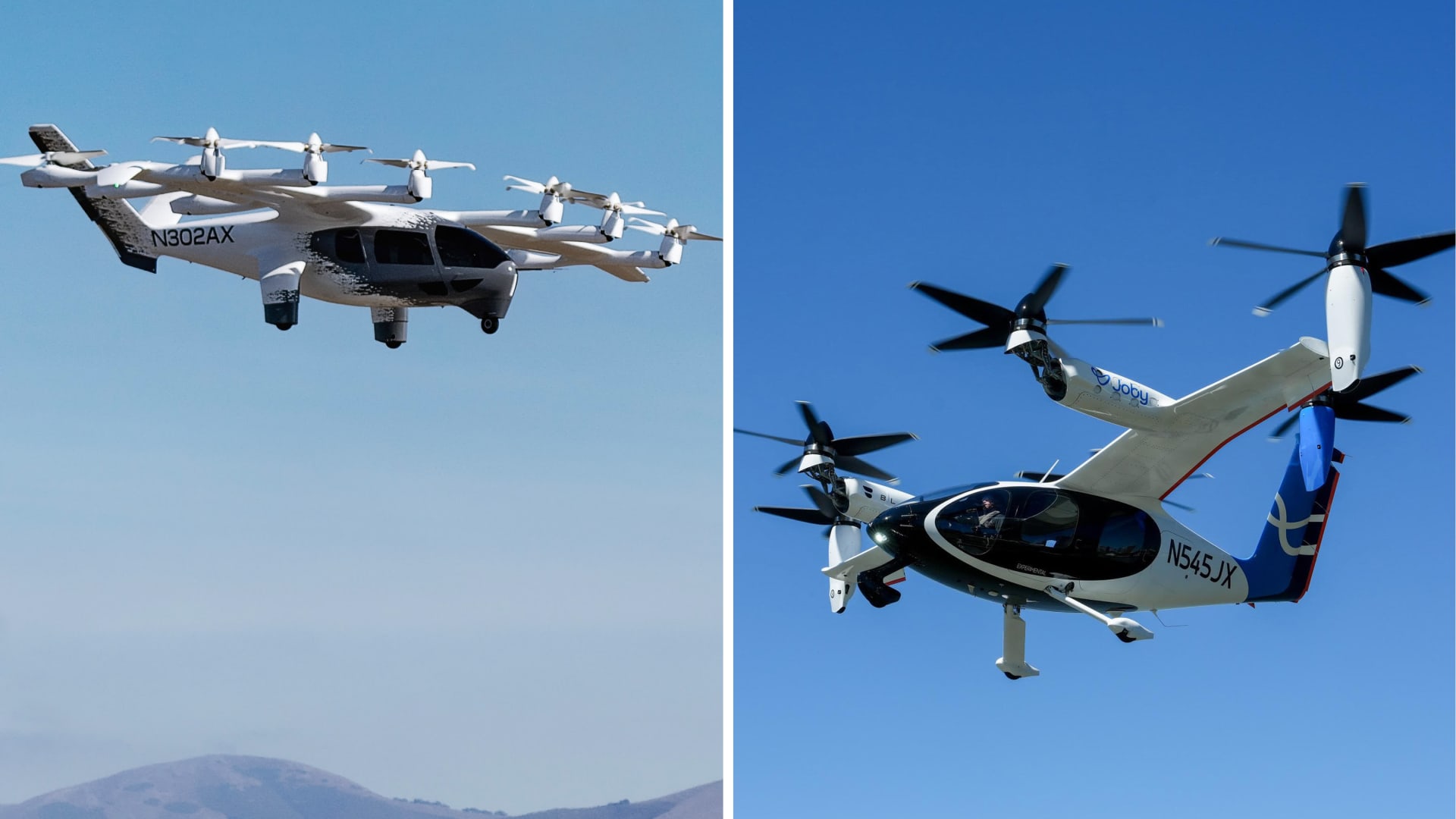
- Legal Disputes Impact Development: Joby Aviation's lawsuit against Archer for corporate espionage has led to declining investor confidence in the eVTOL sector, with Archer's stock down 9% this year and losing over a third of its value, indicating the negative impact of legal issues on market sentiment.
- Certification Delays: Despite the Trump administration's eVTOL Integration Pilot Program aimed at accelerating industry growth, ongoing legal battles threaten to prolong certification timelines and increase costs, as warned by H2 Advisors' Mike Hirschberg, which could hinder overall industry progress.
- Intensifying Market Competition: Archer's patent infringement lawsuit against Vertical Aerospace is ongoing, with Vertical claiming the lawsuit is
eVTOL Industry Faces Legal Challenges Amid Certification Delays
- Escalating Legal Disputes: Legal battles among Joby, Archer, and Vertical are intensifying, potentially derailing their certification processes and investor confidence, leading to decreased interest in the electric vertical takeoff and landing (eVTOL) market.
- Stock Price Declines: Archer's stock has dropped 9% this year, losing over a third of its value in the past year, while Vertical has plummeted nearly 58%, and Joby's stock has fallen nearly 7% this year after a 60% surge, indicating a lack of market confidence in the sector.
- Certification Delays: Despite support from Trump's eVTOL Integration Pilot Program, certification timelines are being pushed back due to legal disputes, increasing costs and potentially impacting the overall development of the industry.
- Uncertain Industry Outlook: As multiple eVTOL manufacturers face legal challenges, industry experts warn investors to prepare for a long-term investment, emphasizing that product quality matters more than certification timelines, suggesting that future market competition will be more intense.
Hyundai WIA to Supply Lightweight Landing Gear for Valo Aircraft
- Strategic Partnership: Hyundai WIA has entered a long-term partnership with Vertical Aerospace to supply a bespoke landing gear system for the Valo electric vertical take-off and landing aircraft, further strengthening Vertical's supplier ecosystem as it advances toward certification and scaled production.
- Technical Support and Design: Hyundai WIA will take full responsibility for the design and production of the Valo landing gear, with Stirling Dynamics as a key design partner, leveraging over 30 years of experience in certified aircraft programs to ensure high safety standards and performance.
- Supply Chain Integration: This agreement marks a significant step for Vertical in securing key suppliers across major aircraft systems, including Honeywell and Aciturri, thereby establishing a world-class aerospace supply chain that lays the groundwork for future scaled production.
- Market Outlook and Orders: Vertical Aerospace has secured approximately 1,500 pre-orders for Valo, with customers across four continents, including American Airlines and Japan Airlines, indicating strong demand and growth potential in the advanced air mobility market.
Vertical Aerospace's Valo Aircraft Completes First Piloted Flight
- Successful Maiden Flight: Vertical Aerospace's hybrid-electric Valo aircraft completed its first piloted flight on June 5 at the UK Flight Test Centre, marking a significant milestone that is expected to accelerate subsequent flight testing phases and push towards commercialization.
- Prototype Development: This prototype is identical to the existing full-scale version and will be used to expedite flight testing across all phases, including thrustborne, wingborne, and transition flights, while also supporting future public demonstrations to further validate its technological feasibility.
- Critical Design Review Step: The prototype is the last to be built before the company's
Vertical Aerospace's New Prototype Completes Maiden Flight
- Maiden Flight Milestone: Vertical Aerospace's new prototype successfully completed its maiden flight on June 5, 2026, at the UK Flight Test Centre, marking the start of an expanded flight testing campaign that is expected to accelerate the progress of its hybrid-electric aircraft program, thereby enhancing the company's competitive edge in electric aviation.
- Enhanced Testing Capacity: The addition of the new prototype doubles Vertical's flight testing capacity and supports additional public demonstrations, which is anticipated to reduce risk and improve efficiency by quickly validating aircraft designs, thus propelling the commercialization of the Valo aircraft.
- Preparation for Critical Design Review: This prototype is the final aircraft to join the fleet before the Critical Design Review (CDR), which will establish the certification design baseline, after which the company will begin assembling its first pre-production aircraft, further advancing towards certification and commercial service.
- Hybrid-Electric Testing Plans: Following the completion of all flight test phases, Vertical intends to retrofit this prototype for hybrid-electric flight testing to meet the demands for greater range and payload capacity across defense, logistics, and broader commercial sectors, thereby expanding its market applications.
Vertical Aerospace (EVTL) Q4 2025 Earnings Transcript
Legal Battles Hinder U.S. eVTOL Industry Progress
- Legal Disputes Impact Development: Joby Aviation's lawsuit against Archer for corporate espionage has led to declining investor confidence in the eVTOL sector, with Archer's stock down 9% this year and losing over a third of its value, indicating the negative impact of legal issues on market sentiment.
- Certification Delays: Despite the Trump administration's eVTOL Integration Pilot Program aimed at accelerating industry growth, ongoing legal battles threaten to prolong certification timelines and increase costs, as warned by H2 Advisors' Mike Hirschberg, which could hinder overall industry progress.
- Intensifying Market Competition: Archer's patent infringement lawsuit against Vertical Aerospace is ongoing, with Vertical claiming the lawsuit is
eVTOL Industry Faces Legal Challenges Amid Certification Delays
- Escalating Legal Disputes: Legal battles among Joby, Archer, and Vertical are intensifying, potentially derailing their certification processes and investor confidence, leading to decreased interest in the electric vertical takeoff and landing (eVTOL) market.
- Stock Price Declines: Archer's stock has dropped 9% this year, losing over a third of its value in the past year, while Vertical has plummeted nearly 58%, and Joby's stock has fallen nearly 7% this year after a 60% surge, indicating a lack of market confidence in the sector.
- Certification Delays: Despite support from Trump's eVTOL Integration Pilot Program, certification timelines are being pushed back due to legal disputes, increasing costs and potentially impacting the overall development of the industry.
- Uncertain Industry Outlook: As multiple eVTOL manufacturers face legal challenges, industry experts warn investors to prepare for a long-term investment, emphasizing that product quality matters more than certification timelines, suggesting that future market competition will be more intense.
Hyundai WIA to Supply Lightweight Landing Gear for Valo Aircraft
- Strategic Partnership: Hyundai WIA has entered a long-term partnership with Vertical Aerospace to supply a bespoke landing gear system for the Valo electric vertical take-off and landing aircraft, further strengthening Vertical's supplier ecosystem as it advances toward certification and scaled production.
- Technical Support and Design: Hyundai WIA will take full responsibility for the design and production of the Valo landing gear, with Stirling Dynamics as a key design partner, leveraging over 30 years of experience in certified aircraft programs to ensure high safety standards and performance.
- Supply Chain Integration: This agreement marks a significant step for Vertical in securing key suppliers across major aircraft systems, including Honeywell and Aciturri, thereby establishing a world-class aerospace supply chain that lays the groundwork for future scaled production.
- Market Outlook and Orders: Vertical Aerospace has secured approximately 1,500 pre-orders for Valo, with customers across four continents, including American Airlines and Japan Airlines, indicating strong demand and growth potential in the advanced air mobility market.